

Smart Manufacturing Site Management
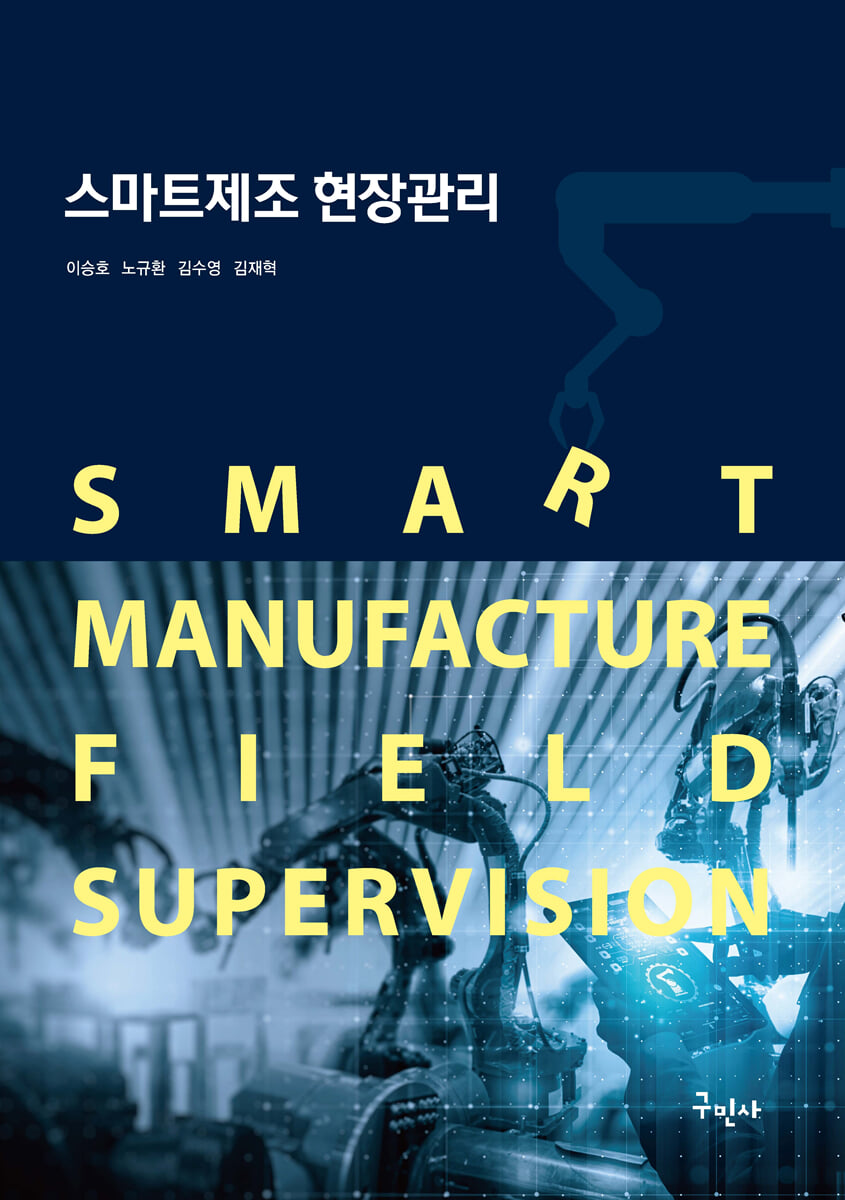 |
Description
Book Introduction
The era of the Fourth Industrial Revolution promises a pace of revolutionary change unparalleled by any previous industrial revolution. New technologies like AI and the Internet of Things (IoT) are transforming our daily lives into a new world.
The Fourth Industrial Revolution is centered around three pillars: automation, connectivity, and intelligence. Manufacturing companies are building and operating smart factories based on these pillars and are also pursuing advanced manufacturing.
However, most small and medium-sized enterprises in our country are only at the basic level of building and operating smart factories, and even at this level, they are experiencing many difficulties in operating them in reality.
The biggest reason why smart factories of small and medium-sized enterprises in our country are not operating properly is because there are difficulties in operating smart factories centered on the field.
To ensure the success of a smart factory, it is essential to first improve the manufacturing site to secure the ability to operate a smart factory before introducing it. This will reduce the risk of failure and lay the foundation for gradual advancement.
The purpose of this book is to improve the on-site production management and quality improvement management capabilities of field workers in small and medium-sized enterprises, enabling them to properly manage manufacturing sites. Furthermore, it aims to develop quality improvement capabilities, enabling them to improve sites and quality from a new perspective.
In particular, the purpose is to train capable field production managers who can strengthen the competitiveness of companies through the successful introduction and operation of field-centered smart factories by solidifying the basics of field management for field managers of companies that have introduced smart factories or small and medium-sized enterprises that plan to introduce smart factories, and to promote the advancement of smart factories in stages.
The learning structure is designed to first understand the overall structure of the manufacturing site and the production management system, and then improve practical process management skills. The next learning stage is to understand quality and develop quality improvement skills. Finally, in the final learning stage, students can understand smart factories and acquire smart factory operation technology.
The learning method was to combine theory and practice.
Meanwhile, changes and various problems are constantly occurring in manufacturing sites.
In this dynamic manufacturing environment, we need creative talents who can respond quickly and accurately, as well as field managers who possess the convergence and adaptability to the current trends.
To this end, it also includes content that cultivates knowledge of creative thinking and solutions to various problems, and enhances practical application skills.
I hope that you will grow into a multi-faceted field manager capable of creative problem solving, and demonstrate your abilities in building and operating smart factories, thereby contributing greatly to the development of the company and your own personal fulfillment.
The Fourth Industrial Revolution is centered around three pillars: automation, connectivity, and intelligence. Manufacturing companies are building and operating smart factories based on these pillars and are also pursuing advanced manufacturing.
However, most small and medium-sized enterprises in our country are only at the basic level of building and operating smart factories, and even at this level, they are experiencing many difficulties in operating them in reality.
The biggest reason why smart factories of small and medium-sized enterprises in our country are not operating properly is because there are difficulties in operating smart factories centered on the field.
To ensure the success of a smart factory, it is essential to first improve the manufacturing site to secure the ability to operate a smart factory before introducing it. This will reduce the risk of failure and lay the foundation for gradual advancement.
The purpose of this book is to improve the on-site production management and quality improvement management capabilities of field workers in small and medium-sized enterprises, enabling them to properly manage manufacturing sites. Furthermore, it aims to develop quality improvement capabilities, enabling them to improve sites and quality from a new perspective.
In particular, the purpose is to train capable field production managers who can strengthen the competitiveness of companies through the successful introduction and operation of field-centered smart factories by solidifying the basics of field management for field managers of companies that have introduced smart factories or small and medium-sized enterprises that plan to introduce smart factories, and to promote the advancement of smart factories in stages.
The learning structure is designed to first understand the overall structure of the manufacturing site and the production management system, and then improve practical process management skills. The next learning stage is to understand quality and develop quality improvement skills. Finally, in the final learning stage, students can understand smart factories and acquire smart factory operation technology.
The learning method was to combine theory and practice.
Meanwhile, changes and various problems are constantly occurring in manufacturing sites.
In this dynamic manufacturing environment, we need creative talents who can respond quickly and accurately, as well as field managers who possess the convergence and adaptability to the current trends.
To this end, it also includes content that cultivates knowledge of creative thinking and solutions to various problems, and enhances practical application skills.
I hope that you will grow into a multi-faceted field manager capable of creative problem solving, and demonstrate your abilities in building and operating smart factories, thereby contributing greatly to the development of the company and your own personal fulfillment.
- You can preview some of the book's contents.
Preview
index
PART 1 On-site production management
Chapter 01 Understanding Production Management
1.
Basic concepts of production management
1.1.
Understanding Production Management
1.2.
Purpose of production management
* Practice report
2.
The development of production management
2.1.
The Industrial Revolution and the Development of Production Management
2.2.
The Fourth Industrial Revolution and Smart Factories
3.
Types of production systems
3.1.
Classification of production system types
4.
production strategy
4.1.
Production strategy to enhance competitiveness
* Practice report
Chapter 02 Field Production Operations and Management
1.
production plan
1.1.
Establishing a production plan
1.2.
Production planning management
* Practice report
2.
Production process management
2.1.
On-site process management
2.2.
Toyota Production System (TPS)
* Practice report
3.
Materials and inventory management
3.1.
Materials Management
3.2.
inventory management
* Practice report
4.
Process quality control
4.1.
Quality cost
4.2.
Basics of Statistics
4.3.
Statistical Process Control (SPC)
4.4.
Quality Inspection Management
* Practice report
PART 2 Quality Improvement Management
Chapter 01 Introduction to Quality Management
1.
Overview of Quality Control
1.1.
Customer needs and producer quality
1.2.
The concept of quality
1.3.
Quality control target
2.
Responsibilities and Obligations for Quality Defects
2.1.
The need for quality improvement
3.
Quality control activities
3.1.
Quality control methods and activities
3.2. QC and QM
Chapter 02: Idea Generation for Problem Solving
1.
Idea generation method
1.1.
An overview of idea generation methods
1.2.
Composition of idea generation method
1.3.
How to generate ideas in everyday life
* Practice report
2.
Suggest an idea
2.1.
Idea Planning in Practice
2.2.
Brainstorming in Practice
* Practice report
3.
Example of idea generation method
3.1.
Try anything when it comes to ideas
3.2.
Examples of word combinations
Chapter 03 Field Improvement Management
1.
The meaning of problem recognition
1.1.
Problem recognition in the field
2.
Troubleshooting steps
2.1.
The meaning of on-site problem solving
2.2.
Procedures for implementing on-site problem-solving activities
* Practice report
3.
How to promote problem solving
3.1.
The difference between a product and a work of art
3.2.
Cycle of Management
3.3.
Obtaining information through data
* Practice report
Chapter 04 Seven Tools for Field Improvement
1.
Check sheet
1.1.
Overview of the check sheet
1.2.
Check sheet for records
1.3.
Inspection check sheet
1.4.
How to fill out a check sheet
* Practice report
2.
Pareto diagram
2.1.
Overview of the Pareto diagram
2.2.
How to write a Pareto diagram
* Practice report
3.
Histogram
3.1.
Overview of Histograms
3.2.
How to create a histogram
* Practice report
4.
Trait and factor diagram
4.1.
Overview of the trait-cause-effect diagram
4.2.
How to create a trait diagram
* Practice report
5.
By floor
5.1.
Overview of each floor
5.2.
How to write by floor
* Practice report
6.
Scatterplot
6.1.
Overview of Scatterplots
6.2.
How to create a scatter plot
* Practice report
7.
Graphs and Control Charts
7.1.
graph
7.2.
Management chart
* Practice report
Chapter 05 Field Improvement Activities
1.
3 Jeong 5S
1.1.
Overview of the 3-5S activities
1.2.
3 definitions of justice
1.3.
Definition of 5S
* Practice report
2.
Team work
2.1.
The concept of teamwork
2.2.
Practice group work
* Practice report
3.
value engineering
3.1.
Overview of Value Engineering
3.2.
Understanding Value Engineering
3.3.
Value Engineering Implementation Procedure
* Practice report
4.
Proposal activities
4.1.
Overview of the proposed activity
4.2.
Purpose of the proposal activity
4.3.
How to operate proposal activities efficiently
* Practice report
PART 3 Smart Factory
Chapter 01 Paradigm Shifts and Current Situation in the Domestic Manufacturing Industry
1.
Paradigm shift in the manufacturing industry
1.1.
Current status of domestic manufacturing companies
1.2.
Current Status of Information Technology Utilization in Domestic Manufacturing Companies
* Practice report
Chapter 02 Smart Factory Operation and Management
1.
Methodology of Factory Operations Management (FOMs)
1.1.
The Need for Smart Factory Operations Management (FOMs)
1.2.
Smart Factory Operation Management FOMs Cycle
1.3.
Functions of Factory Operations Management (FOM) and Examples of Virtual Factory Analysis
* Practice report
Chapter 03 Appendix [Practice Assignment]
1.
Smart Factory FOM Project Virtual Factory
1.1.
Introducing the Virtual Factory
1.2.
Virtual Factory As-Is Analysis Results
References
Chapter 01 Understanding Production Management
1.
Basic concepts of production management
1.1.
Understanding Production Management
1.2.
Purpose of production management
* Practice report
2.
The development of production management
2.1.
The Industrial Revolution and the Development of Production Management
2.2.
The Fourth Industrial Revolution and Smart Factories
3.
Types of production systems
3.1.
Classification of production system types
4.
production strategy
4.1.
Production strategy to enhance competitiveness
* Practice report
Chapter 02 Field Production Operations and Management
1.
production plan
1.1.
Establishing a production plan
1.2.
Production planning management
* Practice report
2.
Production process management
2.1.
On-site process management
2.2.
Toyota Production System (TPS)
* Practice report
3.
Materials and inventory management
3.1.
Materials Management
3.2.
inventory management
* Practice report
4.
Process quality control
4.1.
Quality cost
4.2.
Basics of Statistics
4.3.
Statistical Process Control (SPC)
4.4.
Quality Inspection Management
* Practice report
PART 2 Quality Improvement Management
Chapter 01 Introduction to Quality Management
1.
Overview of Quality Control
1.1.
Customer needs and producer quality
1.2.
The concept of quality
1.3.
Quality control target
2.
Responsibilities and Obligations for Quality Defects
2.1.
The need for quality improvement
3.
Quality control activities
3.1.
Quality control methods and activities
3.2. QC and QM
Chapter 02: Idea Generation for Problem Solving
1.
Idea generation method
1.1.
An overview of idea generation methods
1.2.
Composition of idea generation method
1.3.
How to generate ideas in everyday life
* Practice report
2.
Suggest an idea
2.1.
Idea Planning in Practice
2.2.
Brainstorming in Practice
* Practice report
3.
Example of idea generation method
3.1.
Try anything when it comes to ideas
3.2.
Examples of word combinations
Chapter 03 Field Improvement Management
1.
The meaning of problem recognition
1.1.
Problem recognition in the field
2.
Troubleshooting steps
2.1.
The meaning of on-site problem solving
2.2.
Procedures for implementing on-site problem-solving activities
* Practice report
3.
How to promote problem solving
3.1.
The difference between a product and a work of art
3.2.
Cycle of Management
3.3.
Obtaining information through data
* Practice report
Chapter 04 Seven Tools for Field Improvement
1.
Check sheet
1.1.
Overview of the check sheet
1.2.
Check sheet for records
1.3.
Inspection check sheet
1.4.
How to fill out a check sheet
* Practice report
2.
Pareto diagram
2.1.
Overview of the Pareto diagram
2.2.
How to write a Pareto diagram
* Practice report
3.
Histogram
3.1.
Overview of Histograms
3.2.
How to create a histogram
* Practice report
4.
Trait and factor diagram
4.1.
Overview of the trait-cause-effect diagram
4.2.
How to create a trait diagram
* Practice report
5.
By floor
5.1.
Overview of each floor
5.2.
How to write by floor
* Practice report
6.
Scatterplot
6.1.
Overview of Scatterplots
6.2.
How to create a scatter plot
* Practice report
7.
Graphs and Control Charts
7.1.
graph
7.2.
Management chart
* Practice report
Chapter 05 Field Improvement Activities
1.
3 Jeong 5S
1.1.
Overview of the 3-5S activities
1.2.
3 definitions of justice
1.3.
Definition of 5S
* Practice report
2.
Team work
2.1.
The concept of teamwork
2.2.
Practice group work
* Practice report
3.
value engineering
3.1.
Overview of Value Engineering
3.2.
Understanding Value Engineering
3.3.
Value Engineering Implementation Procedure
* Practice report
4.
Proposal activities
4.1.
Overview of the proposed activity
4.2.
Purpose of the proposal activity
4.3.
How to operate proposal activities efficiently
* Practice report
PART 3 Smart Factory
Chapter 01 Paradigm Shifts and Current Situation in the Domestic Manufacturing Industry
1.
Paradigm shift in the manufacturing industry
1.1.
Current status of domestic manufacturing companies
1.2.
Current Status of Information Technology Utilization in Domestic Manufacturing Companies
* Practice report
Chapter 02 Smart Factory Operation and Management
1.
Methodology of Factory Operations Management (FOMs)
1.1.
The Need for Smart Factory Operations Management (FOMs)
1.2.
Smart Factory Operation Management FOMs Cycle
1.3.
Functions of Factory Operations Management (FOM) and Examples of Virtual Factory Analysis
* Practice report
Chapter 03 Appendix [Practice Assignment]
1.
Smart Factory FOM Project Virtual Factory
1.1.
Introducing the Virtual Factory
1.2.
Virtual Factory As-Is Analysis Results
References
GOODS SPECIFICS
- Date of issue: September 10, 2024
- Page count, weight, size: 333 pages | 188*257*30mm
- ISBN13: 9791168754157
- ISBN10: 1168754151
You may also like
카테고리
korean


korean

![GQ KOREA Mark (Monthly): December [2025]](http://librairie.coreenne.fr/cdn/shop/files/8ef265dbbfbf186523ed75ba7319009d.jpg?v=1765340328&width=3840)


