

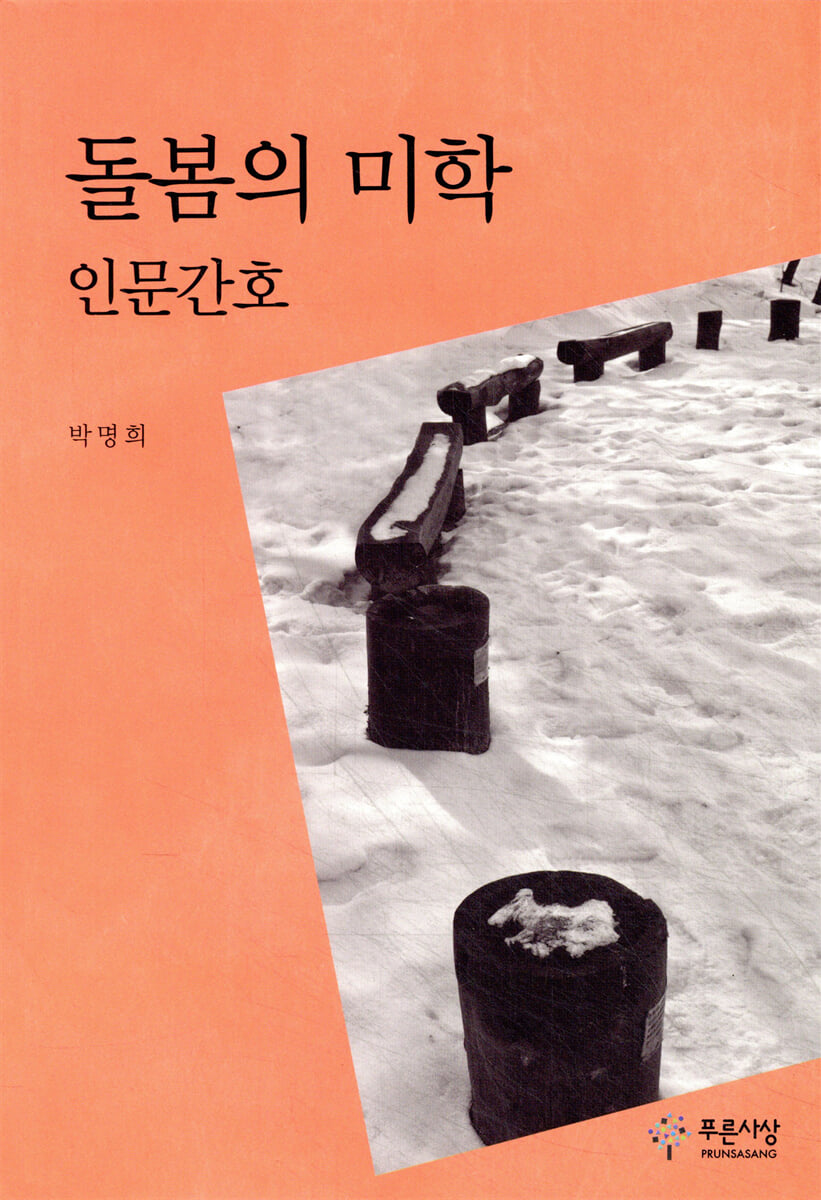
The Aesthetics of Care Humanities Nursing
 |
Description
Book Introduction
The author, who has been researching and teaching women's health nursing for over 20 years, criticizes modern society, which focuses more on cutting-edge medical equipment for diagnosis than on patients, and where diagnosis and nursing in their most important sense have disappeared.
Let's think together about where the nursing we truly dreamed of has gone and what nursing means to patients.
Nursing insists that we should not forget its essential characteristics as a science and a humanities discipline.
This nursing guide contains the nursing philosophy and ideas of the present age and the process of gaining the power of nursing.
Let's think together about where the nursing we truly dreamed of has gone and what nursing means to patients.
Nursing insists that we should not forget its essential characteristics as a science and a humanities discipline.
This nursing guide contains the nursing philosophy and ideas of the present age and the process of gaining the power of nursing.
index
preface
Part 1: The Essence of Nursing
1.
What is nursing?
2.
Why Korean Nursing Became a Nursing Science
3.
Path to Nursing Science
4.
Nursing begins with understanding humans.
5.
Feasibility of introducing humanities nursing
6.
Body and Life
7.
Can nursing be done with bare hands?
8.
The Nursing Concept You Can't Miss: "Situation"
Part 2: The Aesthetics of Care
1.
What is care?
2.
The Beginning of Care, Looking 1
3.
The Beginning of Care, Looking 2
4.
The Beginning of Care, Looking 3
5.
Nursing ability (力) is written in nursing history (歷)
Part 3: Nursing Philosophy
1.
Understanding humans
2.
Creativity, imagination, and self-esteem
3.
Philosophical Approach: Life and Nursing
4.
Nursing doesn't want to be medical
Part 4: Nursing Culture
1.
Relationships and Communication
2.
Body-Life-Nursing, Culture
3.
Nursing Culture: It's Time to Recognize It
4.
Observation and the five senses
5.
Health checks for nurses
6.
The head of the Patient Health Arts Center is a nurse
7.
Nursing and Convergence
Part 5: The Future of Nursing (New Nursing Issue)
1.
The Era of Life + Leadership + Culture
2.
A new nightingale is born
3.
What is the trend in nursing these days?
4.
Read and communicate with global trends
5.
Design nursing
6.
New Materials in Nursing: Natural Ecological Nursing
7.
The Flower of Nursing: Humanities Nursing
References
Search
Part 1: The Essence of Nursing
1.
What is nursing?
2.
Why Korean Nursing Became a Nursing Science
3.
Path to Nursing Science
4.
Nursing begins with understanding humans.
5.
Feasibility of introducing humanities nursing
6.
Body and Life
7.
Can nursing be done with bare hands?
8.
The Nursing Concept You Can't Miss: "Situation"
Part 2: The Aesthetics of Care
1.
What is care?
2.
The Beginning of Care, Looking 1
3.
The Beginning of Care, Looking 2
4.
The Beginning of Care, Looking 3
5.
Nursing ability (力) is written in nursing history (歷)
Part 3: Nursing Philosophy
1.
Understanding humans
2.
Creativity, imagination, and self-esteem
3.
Philosophical Approach: Life and Nursing
4.
Nursing doesn't want to be medical
Part 4: Nursing Culture
1.
Relationships and Communication
2.
Body-Life-Nursing, Culture
3.
Nursing Culture: It's Time to Recognize It
4.
Observation and the five senses
5.
Health checks for nurses
6.
The head of the Patient Health Arts Center is a nurse
7.
Nursing and Convergence
Part 5: The Future of Nursing (New Nursing Issue)
1.
The Era of Life + Leadership + Culture
2.
A new nightingale is born
3.
What is the trend in nursing these days?
4.
Read and communicate with global trends
5.
Design nursing
6.
New Materials in Nursing: Natural Ecological Nursing
7.
The Flower of Nursing: Humanities Nursing
References
Search
Into the book
This is an opportunity for us, living in the 21st century, the age of life, to reflect on our lack of a holistic view of human life.
The body can only be understood when considering the unique physical, mental, social, cultural, psychological, emotional, and spiritual aspects of human beings as a whole.
Although the present age is an era where science is omnipotent, we cannot help but think again about life and science.
The feelings, intentions, and values of the subject are a product of the humanities and a totality of experiences, which soon become the history of the body.
Science is man-made, but man is born from nature.
Science may be a means of treatment, but it is difficult to say that the essence of medicine is science.
Medical devices invented by scientific and technological civilization are a method of healing, but they are not the essence of nursing, which is the act of caring for life.
The body can only be understood when considering the unique physical, mental, social, cultural, psychological, emotional, and spiritual aspects of human beings as a whole.
Although the present age is an era where science is omnipotent, we cannot help but think again about life and science.
The feelings, intentions, and values of the subject are a product of the humanities and a totality of experiences, which soon become the history of the body.
Science is man-made, but man is born from nature.
Science may be a means of treatment, but it is difficult to say that the essence of medicine is science.
Medical devices invented by scientific and technological civilization are a method of healing, but they are not the essence of nursing, which is the act of caring for life.
---p. From the text
Publisher's Review
Can life be described in terms of molecular structure?
These days, the number of medical professionals in hospitals who don't even look at patients' faces properly is increasing.
It feels like more attention is paid to cutting-edge medical equipment for diagnosis than to patients, and the most important aspects of diagnosis and nursing have disappeared somewhere.
Has the consciousness that can look into a patient's eyes and even feel the psychological wounds that exist within that patient disappeared?
In a reality where we see faces but not hearts, where has the nursing we truly dreamed of gone?
Medicine, which is based on material-molecule-centered positivism, is facing the dilemma of 'scientific limitations' in its approach to human life.
Nursing is no different.
Nursing has not been able to go beyond the scope of medicine and has adopted the educational background and system of Western nursing.
Against this backdrop, our nursing has achieved growth and development through internal and external academic activities, such as listing in world-class academic journals, in the era of science to promote its academic position as a natural science.
However, nursing, which is biased towards science to the point that it feels like the equation 'nursing = scientific nursing' has become established, is losing much of its core humanistic spirit.
It is biased towards physical healing rather than the inner properties of the patient.
We have been looking at the human body from a fixed perspective and applying it uniformly to everyone within the limited scope of medical knowledge and standards.
This may be the result of not recognizing the uniqueness of each individual and the dynamic changes that occur at every moment.
Of course, from a scientific perspective, medicine and nursing have achieved quite a bit of success in the phenomenal aspect among the two perspectives on human life - the phenomenal aspect and the non-phenomenal aspect.
As a result, the important aspects of the non-phenomenal aspect were overlooked.
This non-phenomenal aspect includes human feelings, emotions, intentions, wills, beliefs, etc.
This is directly related to relationships, communication, and empathy, and when we consider nursing's essential aspects of 'understanding humans' and 'holistic care that helps restore humanity', it suggests that overlooking the non-phenomenal aspect is no different from overlooking the essence of nursing.
Rather, the concept of life requires more attention to the aspects of non-phenomenal categories.
What is triggering this nursing perspective is none other than the spirit of humanistic orientation.
By developing a humanistic mindset for the non-phenomenal aspect, nurses will be able to engage with subjects with a broad range of thinking and observation skills in their nursing activities.
Nursing pursues a valuable life by caring for the body and mind of the patient and the 'life' connected to them.
Even if we consider that the orientation of modern nursing is 'practice for understanding the field of life,' we can see that life and nursing are closely related.
In that sense, good nursing can be about providing the recipient with a valuable direction for life.
Ultimately, nursing must not forget its essential characteristics as a science and an anthropology, and must look at humans and the lives they have lived.
The life of the subject, which is imbued with his intentions, beliefs, values, and abilities, contains the experiences he has gone through and the situations that resulted from them, and only through this can we understand and interpret each human being as a valuable individual.
Ultimately, the individual's uniqueness, vitality, wholeness, and diversity are confirmed, and these are very important because they are linked to the nursing situation.
The essence of nursing is caring.
The true nature of care begins with the nurse and the patient looking at each other, and together they gain the strength to maintain health through awareness, responsibility, determination, and participation in disease and health.
Through this process, nurses can help patients develop their bodies as practitioners of a healthy culture and live happy lives.
This type of nursing is also consistent with the introductory nursing theory meaning of ‘adding benefit to the patient’s life.’
In particular, nursing requires a holistic approach to help restore humanity.
This totality includes physical, mental, social, cultural, psychological, emotional and spiritual (existential) aspects, as well as genetic, environmental and eco-friendly factors.
To provide holistic nursing, we must look at the ‘totality of the body’ and ‘total health.’
If we value essence, ‘totality’ is a keyword that cannot be overlooked.
These totalities – ‘human attributes’, ‘totality’, ‘uniqueness’, ‘vitality’, ‘diversity’ – are also directly connected to the humanities.
In this way, it becomes possible to understand the true nature of humans through knowledge and understanding of them.
Nursing from a humanistic perspective is connected to the essence of nursing as a 'holistic understanding of humans' or 'holistic care that helps restore humanity.'
Ultimately, the essence of nursing is to help people based on humanism.
If we solidify the essence of nursing, nursing will shine even brighter than it does now.
We need to review the current nursing situation, look back on the path nursing has taken, and envision the future of nursing.
You must diligently check yourself and your nursing.
Driven by this need, the author says that through this book, he hopes to provide an opportunity for those who are walking the 'path of nursing' together to gain awareness and experience of nursing.
The reason is very simple.
Nursing is an act that benefits people and the world, and it is to carry out that valuable work well.
Ultimately, by putting what we have realized into practice, that is, by consistently practicing the unity of knowledge and action, we will be able to acquire and cultivate the nursing (study) that we consider ideal.
These days, the number of medical professionals in hospitals who don't even look at patients' faces properly is increasing.
It feels like more attention is paid to cutting-edge medical equipment for diagnosis than to patients, and the most important aspects of diagnosis and nursing have disappeared somewhere.
Has the consciousness that can look into a patient's eyes and even feel the psychological wounds that exist within that patient disappeared?
In a reality where we see faces but not hearts, where has the nursing we truly dreamed of gone?
Medicine, which is based on material-molecule-centered positivism, is facing the dilemma of 'scientific limitations' in its approach to human life.
Nursing is no different.
Nursing has not been able to go beyond the scope of medicine and has adopted the educational background and system of Western nursing.
Against this backdrop, our nursing has achieved growth and development through internal and external academic activities, such as listing in world-class academic journals, in the era of science to promote its academic position as a natural science.
However, nursing, which is biased towards science to the point that it feels like the equation 'nursing = scientific nursing' has become established, is losing much of its core humanistic spirit.
It is biased towards physical healing rather than the inner properties of the patient.
We have been looking at the human body from a fixed perspective and applying it uniformly to everyone within the limited scope of medical knowledge and standards.
This may be the result of not recognizing the uniqueness of each individual and the dynamic changes that occur at every moment.
Of course, from a scientific perspective, medicine and nursing have achieved quite a bit of success in the phenomenal aspect among the two perspectives on human life - the phenomenal aspect and the non-phenomenal aspect.
As a result, the important aspects of the non-phenomenal aspect were overlooked.
This non-phenomenal aspect includes human feelings, emotions, intentions, wills, beliefs, etc.
This is directly related to relationships, communication, and empathy, and when we consider nursing's essential aspects of 'understanding humans' and 'holistic care that helps restore humanity', it suggests that overlooking the non-phenomenal aspect is no different from overlooking the essence of nursing.
Rather, the concept of life requires more attention to the aspects of non-phenomenal categories.
What is triggering this nursing perspective is none other than the spirit of humanistic orientation.
By developing a humanistic mindset for the non-phenomenal aspect, nurses will be able to engage with subjects with a broad range of thinking and observation skills in their nursing activities.
Nursing pursues a valuable life by caring for the body and mind of the patient and the 'life' connected to them.
Even if we consider that the orientation of modern nursing is 'practice for understanding the field of life,' we can see that life and nursing are closely related.
In that sense, good nursing can be about providing the recipient with a valuable direction for life.
Ultimately, nursing must not forget its essential characteristics as a science and an anthropology, and must look at humans and the lives they have lived.
The life of the subject, which is imbued with his intentions, beliefs, values, and abilities, contains the experiences he has gone through and the situations that resulted from them, and only through this can we understand and interpret each human being as a valuable individual.
Ultimately, the individual's uniqueness, vitality, wholeness, and diversity are confirmed, and these are very important because they are linked to the nursing situation.
The essence of nursing is caring.
The true nature of care begins with the nurse and the patient looking at each other, and together they gain the strength to maintain health through awareness, responsibility, determination, and participation in disease and health.
Through this process, nurses can help patients develop their bodies as practitioners of a healthy culture and live happy lives.
This type of nursing is also consistent with the introductory nursing theory meaning of ‘adding benefit to the patient’s life.’
In particular, nursing requires a holistic approach to help restore humanity.
This totality includes physical, mental, social, cultural, psychological, emotional and spiritual (existential) aspects, as well as genetic, environmental and eco-friendly factors.
To provide holistic nursing, we must look at the ‘totality of the body’ and ‘total health.’
If we value essence, ‘totality’ is a keyword that cannot be overlooked.
These totalities – ‘human attributes’, ‘totality’, ‘uniqueness’, ‘vitality’, ‘diversity’ – are also directly connected to the humanities.
In this way, it becomes possible to understand the true nature of humans through knowledge and understanding of them.
Nursing from a humanistic perspective is connected to the essence of nursing as a 'holistic understanding of humans' or 'holistic care that helps restore humanity.'
Ultimately, the essence of nursing is to help people based on humanism.
If we solidify the essence of nursing, nursing will shine even brighter than it does now.
We need to review the current nursing situation, look back on the path nursing has taken, and envision the future of nursing.
You must diligently check yourself and your nursing.
Driven by this need, the author says that through this book, he hopes to provide an opportunity for those who are walking the 'path of nursing' together to gain awareness and experience of nursing.
The reason is very simple.
Nursing is an act that benefits people and the world, and it is to carry out that valuable work well.
Ultimately, by putting what we have realized into practice, that is, by consistently practicing the unity of knowledge and action, we will be able to acquire and cultivate the nursing (study) that we consider ideal.
GOODS SPECIFICS
- Date of publication: December 10, 2011
- Page count, weight, size: 302 pages | 682g | 153*224*30mm
- ISBN13: 9788956408798
- ISBN10: 8956408793
You may also like
카테고리
korean


korean

![GQ KOREA Mark (Monthly): December [2025]](http://librairie.coreenne.fr/cdn/shop/files/8ef265dbbfbf186523ed75ba7319009d.jpg?v=1765340328&width=3840)


