

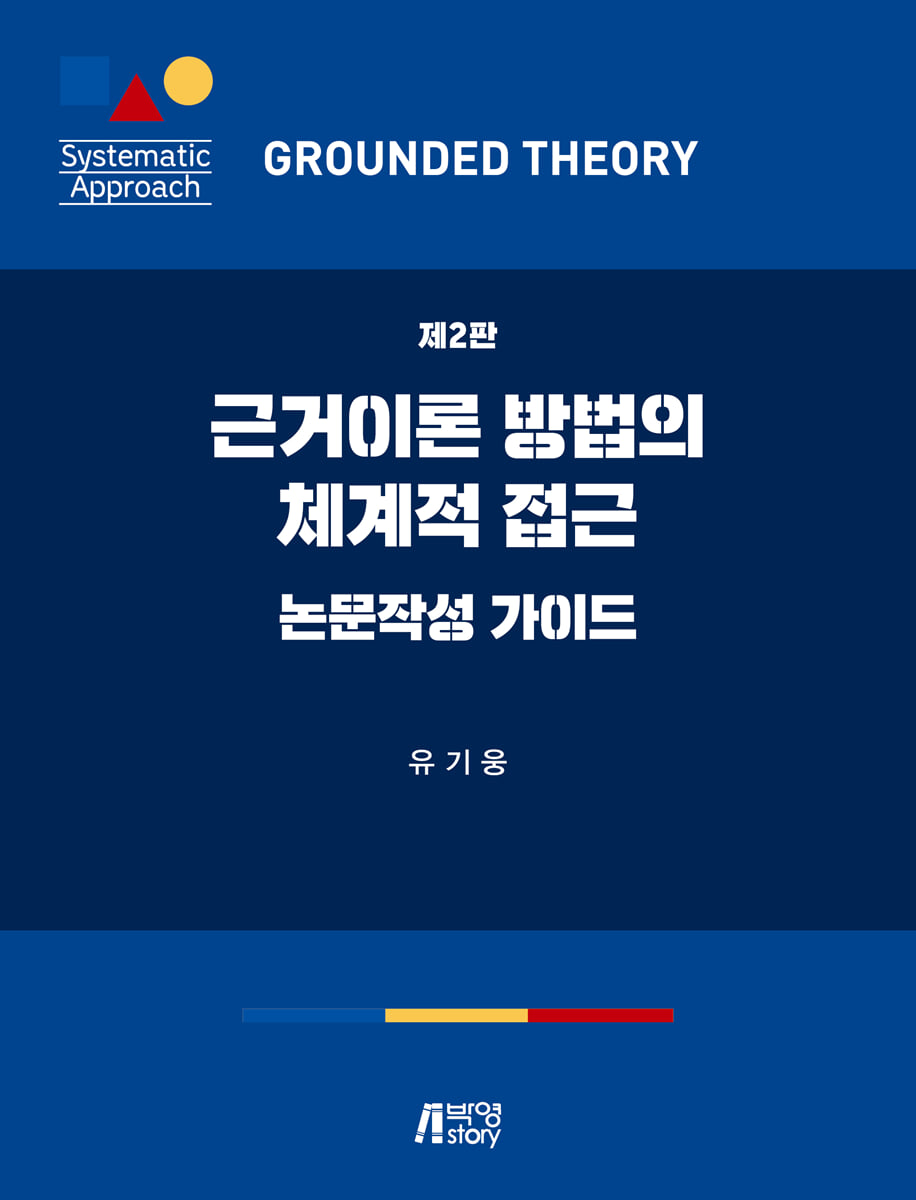
A systematic approach to grounded theory methods
 |
Description
index
CHAPTER 1.
Structure of a paper using grounded theory methods… … 1
01 Components of an Academic Paper … … 3
02 Structure of a Grounded Theory Research Paper… … 6
CHAPTER 2.
Research topics suitable for grounded theory methods… … 17
01 Prerequisites for Selecting a Research Topic… … 19
02 Suitable research topics… … 28
CHAPTER 3.
The need and purpose of the study… … 41
01 Writing the Research Need and Purpose, Research Questions… … 43
02 Sample: Research Need and Purpose, Research Questions… … 48
CHAPTER 4.
Literature Review … … 59
01 Writing a Literature Review … … 61
02 Sample: Structure of a Literature Review … … 68
CHAPTER 5.
Research Methods… … 73
01 Writing a Research Methodology… … 75
02 Sample: Structure of Research Methods… … 112
CHAPTER 6.
Research results… … 129
01 Writing the Research Results… … 131
02 Sample: Structure of Research Results … … 138
CHAPTER 7.
Discussion, Conclusion… … 153
01 Discussion, Writing a Conclusion… … 155
02 Sample: Structure of the argument, conclusion… … 159
Find … … 166
Structure of a paper using grounded theory methods… … 1
01 Components of an Academic Paper … … 3
02 Structure of a Grounded Theory Research Paper… … 6
CHAPTER 2.
Research topics suitable for grounded theory methods… … 17
01 Prerequisites for Selecting a Research Topic… … 19
02 Suitable research topics… … 28
CHAPTER 3.
The need and purpose of the study… … 41
01 Writing the Research Need and Purpose, Research Questions… … 43
02 Sample: Research Need and Purpose, Research Questions… … 48
CHAPTER 4.
Literature Review … … 59
01 Writing a Literature Review … … 61
02 Sample: Structure of a Literature Review … … 68
CHAPTER 5.
Research Methods… … 73
01 Writing a Research Methodology… … 75
02 Sample: Structure of Research Methods… … 112
CHAPTER 6.
Research results… … 129
01 Writing the Research Results… … 131
02 Sample: Structure of Research Results … … 138
CHAPTER 7.
Discussion, Conclusion… … 153
01 Discussion, Writing a Conclusion… … 155
02 Sample: Structure of the argument, conclusion… … 159
Find … … 166
Publisher's Review
preface
As a research method, grounded theory has been continuously studied until recently.
Various versions have been introduced and the number of people using them in research is increasing.
The existence of various versions and schools of thought can be interpreted positively for the development of grounded theory, but on the other hand, it can also be seen as evidence that grounded theory does not provide clear guidelines or instructions to those conducting research.
This book focuses on how to write a paper using a systematic approach to grounded theory methods.
The systematic approach mentioned here refers to the systematicity in the process of analyzing collected data.
The point is that through systematic analysis, the two characteristics that a substantive theory must have should be clearly revealed: ‘systematic explanation of phenomena’ and ‘logical system with predictive power.’
Following this logic, the stages of analysis were divided into ‘phenomena understanding analysis’, ‘category relationship analysis’, and ‘theory integration analysis’.
In accordance with the basic principles of paradigm model, process analysis, and matrix analysis proposed by Strauss and Corbin (1998), we devised a kind of analytical framework to analyze the relationships between categories derived from the ‘phenomenon understanding analysis’ stage.
I thought that the advantage of being able to systematically and usefully analyze the relationships between categories was greater than the negative opinion that it could result in an unnatural and forced analysis.
Above all, we focused on the fact that a substantive theory can be created through this systematic analysis process.
This book is organized into seven topics according to the flow of writing a thesis.
Chapter 1 covers the overall structure of a paper using grounded theory methods.
This book provides an overview of the components of an academic paper and the grounded theory method for structuring a research paper.
Chapter 2 discusses research topics suitable for grounded theory methods.
We looked into the prerequisites for selecting a research topic and what specific suitable research topics are.
Chapter 3 discusses the necessity and purpose of the research.
It covers the necessity and purpose of research, and how to write a research question, and aims to help understanding this through sample papers.
Chapter 4 deals with the literature review.
It covers the necessity of literature review and how to write it, and aims to help understanding it through sample papers.
Chapter 5 deals with research methods.
It covers research design, research participants, data collection, data analysis, and research rigor, and aims to help with understanding through sample papers.
Chapter 6 discusses the research results.
This paper covers how to write research results and aims to help you understand this through sample papers.
Chapter 7 deals with discussion and conclusion.
It covers how to write a discussion and conclusion, and aims to help you understand it through sample papers.
This book cannot be said to explain everything about grounded theory methods, and the methods introduced here are only one version of many grounded theory methods.
However, I hope that this book will be of some help to readers who are actually writing papers.
I would like to express my deepest gratitude to Sangjun Ahn, Hyeon Noh, Geunha Bae, and Hyemi Lee of Park Youngsa/Park Young Story, as well as to the students in the Graduate School's Advanced Qualitative Research course, who provided invaluable assistance in the publication of this book.
January 2022/January 2026
Yoo Ki-woong
As a research method, grounded theory has been continuously studied until recently.
Various versions have been introduced and the number of people using them in research is increasing.
The existence of various versions and schools of thought can be interpreted positively for the development of grounded theory, but on the other hand, it can also be seen as evidence that grounded theory does not provide clear guidelines or instructions to those conducting research.
This book focuses on how to write a paper using a systematic approach to grounded theory methods.
The systematic approach mentioned here refers to the systematicity in the process of analyzing collected data.
The point is that through systematic analysis, the two characteristics that a substantive theory must have should be clearly revealed: ‘systematic explanation of phenomena’ and ‘logical system with predictive power.’
Following this logic, the stages of analysis were divided into ‘phenomena understanding analysis’, ‘category relationship analysis’, and ‘theory integration analysis’.
In accordance with the basic principles of paradigm model, process analysis, and matrix analysis proposed by Strauss and Corbin (1998), we devised a kind of analytical framework to analyze the relationships between categories derived from the ‘phenomenon understanding analysis’ stage.
I thought that the advantage of being able to systematically and usefully analyze the relationships between categories was greater than the negative opinion that it could result in an unnatural and forced analysis.
Above all, we focused on the fact that a substantive theory can be created through this systematic analysis process.
This book is organized into seven topics according to the flow of writing a thesis.
Chapter 1 covers the overall structure of a paper using grounded theory methods.
This book provides an overview of the components of an academic paper and the grounded theory method for structuring a research paper.
Chapter 2 discusses research topics suitable for grounded theory methods.
We looked into the prerequisites for selecting a research topic and what specific suitable research topics are.
Chapter 3 discusses the necessity and purpose of the research.
It covers the necessity and purpose of research, and how to write a research question, and aims to help understanding this through sample papers.
Chapter 4 deals with the literature review.
It covers the necessity of literature review and how to write it, and aims to help understanding it through sample papers.
Chapter 5 deals with research methods.
It covers research design, research participants, data collection, data analysis, and research rigor, and aims to help with understanding through sample papers.
Chapter 6 discusses the research results.
This paper covers how to write research results and aims to help you understand this through sample papers.
Chapter 7 deals with discussion and conclusion.
It covers how to write a discussion and conclusion, and aims to help you understand it through sample papers.
This book cannot be said to explain everything about grounded theory methods, and the methods introduced here are only one version of many grounded theory methods.
However, I hope that this book will be of some help to readers who are actually writing papers.
I would like to express my deepest gratitude to Sangjun Ahn, Hyeon Noh, Geunha Bae, and Hyemi Lee of Park Youngsa/Park Young Story, as well as to the students in the Graduate School's Advanced Qualitative Research course, who provided invaluable assistance in the publication of this book.
January 2022/January 2026
Yoo Ki-woong
GOODS SPECIFICS
- Date of issue: January 2, 2026
- Page count, weight, size: 168 pages | 172*224*20mm
- ISBN13: 9791172791681
- ISBN10: 1172791686
You may also like
카테고리
korean


korean

![GQ KOREA Mark (Monthly): December [2025]](http://librairie.coreenne.fr/cdn/shop/files/8ef265dbbfbf186523ed75ba7319009d.jpg?v=1765340328&width=3840)


