

The world seen from a moving train
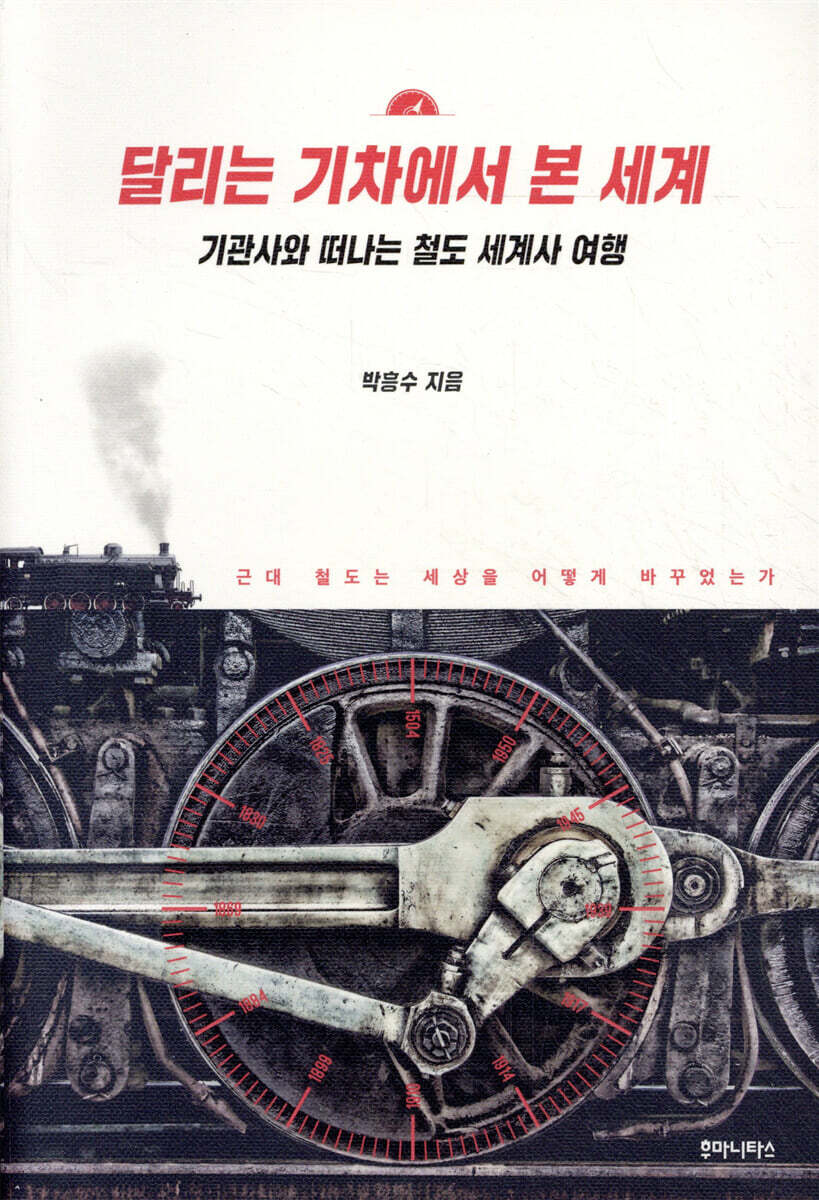 |
Description
Book Introduction
Modern times blossomed on the railroad.
Standard time was established to standardize the arrival and departure times of trains, ordinary people who had lived their entire lives in the places where they were born and raised began to ride trains in search of new life opportunities, newspapers, magazines, and books were distributed quickly and widely in conjunction with the development of mass printing technology, war supplies were transported quickly, the construction of the trans-American railroad led to the extermination of Indians, and Ito Hirobumi arrived in present-day Seoul on the Gyeongbu Line train from Busan, met with Emperor Gojong, and forced the so-called 'Eulsa Treaty', thereby stripping the Korean Empire of its diplomatic rights.
“Early in the morning of November 8, 1905, Ito Hirobumi looked at the train that was to take him from Choryang Station with a deeply moved expression.
On the platform of Choryang Station, a specially prepared royal train for the Korean Empire was preparing to run toward Gyeongseong.
Ito shook hands with each of the Japanese consulate officials and representatives of Japanese residents in Korea who came to see him off, and then boarded the VIP car.
“Looking at the endless railroad that stretched from Choryang, Ito must have been convinced that since Joseon was tied to Japan’s iron rope, the Korean Empire would never be able to escape Japan’s grasp.” (From the text)
This book can be called a 'world history journey by train.'
Through the railway, the engine of modern times, we capture historical moments of significant change. Events we thought we knew before will be seen from a completely different perspective, offering a delightful and new experience of connecting them.
Standard time was established to standardize the arrival and departure times of trains, ordinary people who had lived their entire lives in the places where they were born and raised began to ride trains in search of new life opportunities, newspapers, magazines, and books were distributed quickly and widely in conjunction with the development of mass printing technology, war supplies were transported quickly, the construction of the trans-American railroad led to the extermination of Indians, and Ito Hirobumi arrived in present-day Seoul on the Gyeongbu Line train from Busan, met with Emperor Gojong, and forced the so-called 'Eulsa Treaty', thereby stripping the Korean Empire of its diplomatic rights.
“Early in the morning of November 8, 1905, Ito Hirobumi looked at the train that was to take him from Choryang Station with a deeply moved expression.
On the platform of Choryang Station, a specially prepared royal train for the Korean Empire was preparing to run toward Gyeongseong.
Ito shook hands with each of the Japanese consulate officials and representatives of Japanese residents in Korea who came to see him off, and then boarded the VIP car.
“Looking at the endless railroad that stretched from Choryang, Ito must have been convinced that since Joseon was tied to Japan’s iron rope, the Korean Empire would never be able to escape Japan’s grasp.” (From the text)
This book can be called a 'world history journey by train.'
Through the railway, the engine of modern times, we capture historical moments of significant change. Events we thought we knew before will be seen from a completely different perspective, offering a delightful and new experience of connecting them.
- You can preview some of the book's contents.
Preview
index
Prologue | Scenes from Yeongdeungpo Station during my childhood
Part 1: In Search of the Origins of the Railway
The Secret of the Pyramid Road from 5,000 Years Ago
The Diolkos Line, the ancient Greek railway, and the Reiszczuk Railway in medieval Austria
Rome's great road, the Appian Way
Part 2: Britain: The Age of Railways Begins
The birth of the steam locomotive
The great success of the railroad and the decline of the canal
The World's First Locomotive Race: A Virtual Broadcast of Dickens and Marx
The opening ceremony of the Liverpool-Manchester railway was a complete mess.
"Where there is harmony, there is no competition": Railroads and the speculative frenzy
Irish immigrants made Britain a nation of railways.
The Birth of the British Labour Party: Rail Strikes and Damages Lawsuits
The French Revolution, the Railways, and the Gare d'Orsay
Part 3: What the Railways Changed
The modern landscape changed by the railroad
Awakening the Artistic Spirit of 19th-Century Impressionist Painters: Railways Through the Eyes of Painters
The Birth of Time
The fate of humanity in its encounter with modern civilization: a major disaster.
Part 4: The Transcontinental Railroad and the American Dream
Lincoln, a railroad lawyer, dreams of a transcontinental railroad.
Two Wars: The Civil War and the Construction of the Transcontinental Railroad
The Railroad: The Decisive Force in the Civil War
The Chinese who built the Great Wall crossed the Sierra Nevada by rail.
Every time the train's whistle blew louder, the Native Americans disappeared.
Trains from the East and West Meet: Completion of the Transcontinental Railroad
Korean Yu Gil-jun rides the transcontinental train in America.
Reflecting on Publicness in the Decline of American Railroads
Part 5: The Railway Becomes a Weapon of the Empire
Railways Open Japan's Doors
Japan's modernization and the Meiji Restoration
"To take over Joseon, you must control the railroads."
The glory of Japan came by military and railways.
The Battle to Secure the Construction Rights for the Gyeongin Railroad and the Opening Ceremony of Joseon's First Railroad
The Trans-Korean Railway: The Gyeongbu Line, which began with a sad miracle
The construction of the Gyeongui Line brought tears to the eyes of the people.
The Russo-Japanese War and the Russian Revolution
Ito Hirobumi takes over the Korean Empire via the Gyeongbu Line.
Manchuria, a place filled with the desires of Korea, China, and Japan
The Manchurian Triumph: Manchuria Railway, the Kwantung Army, and Manchukuo
Part 6: War and Railways
Trenches, poison gas, barbed wire, machine guns, and railways: World War I
The "administrative task" of death made possible by trains: World War II
Resistance destroys the railway: Normandy landings
Part 7: Amidst the cries of liberation and the gunfire of the Korean War
Liberation and the Railroad Strike
In the midst of the Korean War
Epilogue | The Train with the Bicycle
Huzhou
References
Part 1: In Search of the Origins of the Railway
The Secret of the Pyramid Road from 5,000 Years Ago
The Diolkos Line, the ancient Greek railway, and the Reiszczuk Railway in medieval Austria
Rome's great road, the Appian Way
Part 2: Britain: The Age of Railways Begins
The birth of the steam locomotive
The great success of the railroad and the decline of the canal
The World's First Locomotive Race: A Virtual Broadcast of Dickens and Marx
The opening ceremony of the Liverpool-Manchester railway was a complete mess.
"Where there is harmony, there is no competition": Railroads and the speculative frenzy
Irish immigrants made Britain a nation of railways.
The Birth of the British Labour Party: Rail Strikes and Damages Lawsuits
The French Revolution, the Railways, and the Gare d'Orsay
Part 3: What the Railways Changed
The modern landscape changed by the railroad
Awakening the Artistic Spirit of 19th-Century Impressionist Painters: Railways Through the Eyes of Painters
The Birth of Time
The fate of humanity in its encounter with modern civilization: a major disaster.
Part 4: The Transcontinental Railroad and the American Dream
Lincoln, a railroad lawyer, dreams of a transcontinental railroad.
Two Wars: The Civil War and the Construction of the Transcontinental Railroad
The Railroad: The Decisive Force in the Civil War
The Chinese who built the Great Wall crossed the Sierra Nevada by rail.
Every time the train's whistle blew louder, the Native Americans disappeared.
Trains from the East and West Meet: Completion of the Transcontinental Railroad
Korean Yu Gil-jun rides the transcontinental train in America.
Reflecting on Publicness in the Decline of American Railroads
Part 5: The Railway Becomes a Weapon of the Empire
Railways Open Japan's Doors
Japan's modernization and the Meiji Restoration
"To take over Joseon, you must control the railroads."
The glory of Japan came by military and railways.
The Battle to Secure the Construction Rights for the Gyeongin Railroad and the Opening Ceremony of Joseon's First Railroad
The Trans-Korean Railway: The Gyeongbu Line, which began with a sad miracle
The construction of the Gyeongui Line brought tears to the eyes of the people.
The Russo-Japanese War and the Russian Revolution
Ito Hirobumi takes over the Korean Empire via the Gyeongbu Line.
Manchuria, a place filled with the desires of Korea, China, and Japan
The Manchurian Triumph: Manchuria Railway, the Kwantung Army, and Manchukuo
Part 6: War and Railways
Trenches, poison gas, barbed wire, machine guns, and railways: World War I
The "administrative task" of death made possible by trains: World War II
Resistance destroys the railway: Normandy landings
Part 7: Amidst the cries of liberation and the gunfire of the Korean War
Liberation and the Railroad Strike
In the midst of the Korean War
Epilogue | The Train with the Bicycle
Huzhou
References
Into the book
There was a time when most ordinary people lived their entire lives without ever leaving the place where they were born.
But the age of modern railways opened up a new world for mankind.
Railroads carried people long distances regardless of weather, season, or social status, and carried coal, newspapers, magazines, news, goods, and even war supplies and soldiers.
Railways were an important weapon for imperialism to develop colonies and a trump card that determined the outcome of war.
In the whirlwind of history, people cried and laughed on the train, and passed through times of destiny on the shoulders of the giant called the railroad.
But the modern era we have been running towards has now moved away from the back of the train.
Recalling that time again may be necessary for the future that lies ahead.
If you want to see how cold iron can meet humans so warmly, go to the nearest station right now.
But the age of modern railways opened up a new world for mankind.
Railroads carried people long distances regardless of weather, season, or social status, and carried coal, newspapers, magazines, news, goods, and even war supplies and soldiers.
Railways were an important weapon for imperialism to develop colonies and a trump card that determined the outcome of war.
In the whirlwind of history, people cried and laughed on the train, and passed through times of destiny on the shoulders of the giant called the railroad.
But the modern era we have been running towards has now moved away from the back of the train.
Recalling that time again may be necessary for the future that lies ahead.
If you want to see how cold iron can meet humans so warmly, go to the nearest station right now.
--- From the text
GOODS SPECIFICS
- Date of publication: December 16, 2015
- Page count, weight, size: 480 pages | 622g | 152*225*25mm
- ISBN13: 9788964372425
- ISBN10: 8964372425
You may also like
카테고리
korean


korean

![GQ KOREA Mark (Monthly): December [2025]](http://librairie.coreenne.fr/cdn/shop/files/8ef265dbbfbf186523ed75ba7319009d.jpg?v=1765340328&width=3840)


