

Sissi, Elisabeth, Empress of Austria
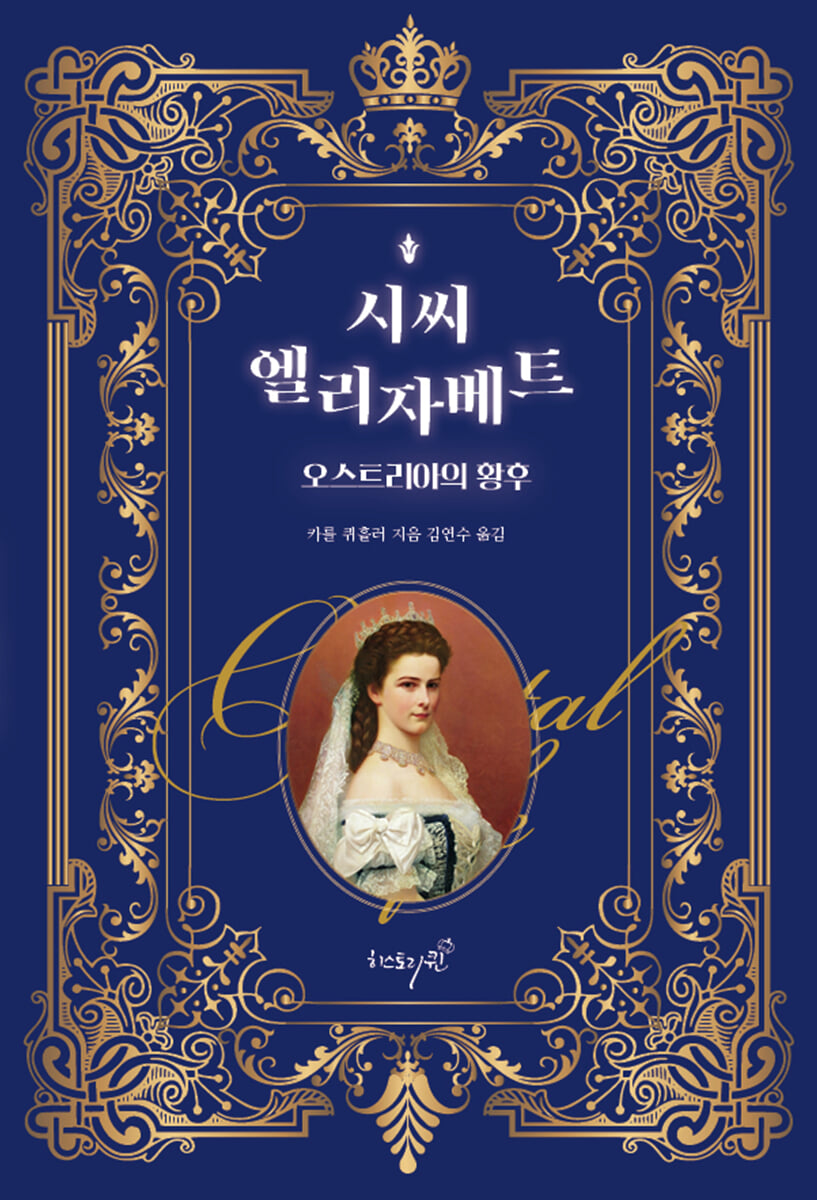 |
Description
Book Introduction
Although he spent his entire life wandering around the royal family, unloved,
The life of an empress who became loved by everyone after her death
The Habsburgs, the royal family that ruled Europe for 600 years,
The fall of the emperor was both splendid and tragic.
Empress Elisabeth, who symbolized the last power of the Habsburgs,
Depicting her pitiful and pitiful life
Elisabeth of the House of Wittelsbach, nicknamed 'Sissi', married the Austrian Emperor Franz Joseph I of the House of Habsburg on 24 April 1854.
Elizabeth, who received the emperor's love and married him instead of her older sister.
From this point on, the tragedy began.
In the 19th century, a century marked by revolution and war, the Empress was praised as an 'angel of mercy' for treating wounded soldiers and caring for the poor.
The people praised Elizabeth for her beauty and kind nature, but the royal family was jealous of the empress.
To make matters worse, as a child, Elisabeth, who spent her days riding horses and socializing with peasants on the Bavarian meadows, had difficulty adapting to the rigid etiquette of the Austrian imperial court.
Her mother-in-law, Sophie, took the children born to the Empress away from her under the pretext of education, and her husband was indifferent to the tragedy his wife was facing.
In the midst of this splendid status, the empress's heart begins to wear out.
The life of an empress who became loved by everyone after her death
The Habsburgs, the royal family that ruled Europe for 600 years,
The fall of the emperor was both splendid and tragic.
Empress Elisabeth, who symbolized the last power of the Habsburgs,
Depicting her pitiful and pitiful life
Elisabeth of the House of Wittelsbach, nicknamed 'Sissi', married the Austrian Emperor Franz Joseph I of the House of Habsburg on 24 April 1854.
Elizabeth, who received the emperor's love and married him instead of her older sister.
From this point on, the tragedy began.
In the 19th century, a century marked by revolution and war, the Empress was praised as an 'angel of mercy' for treating wounded soldiers and caring for the poor.
The people praised Elizabeth for her beauty and kind nature, but the royal family was jealous of the empress.
To make matters worse, as a child, Elisabeth, who spent her days riding horses and socializing with peasants on the Bavarian meadows, had difficulty adapting to the rigid etiquette of the Austrian imperial court.
Her mother-in-law, Sophie, took the children born to the Empress away from her under the pretext of education, and her husband was indifferent to the tragedy his wife was facing.
In the midst of this splendid status, the empress's heart begins to wear out.
- You can preview some of the book's contents.
Preview
index
1.
60th Wedding Anniversary 013
2.
The Birth and Childhood of Elisabeth of Bavaria 021
3.
Princess Elizabeth's Engagement 027
4.
Wedding 035
5.
First Problems 044
6.
Travel and Sorrow 050
7.
The Birth of Crown Prince Rudolf 058
8.
Elizabeth's illness and her stay in Madeira 064
9.
The Empress Who Fleeed from Vienna 069
10.
Coronation in Hungary 074
11.
Grand Duchess Marie Valerie 079
12.
Puppet Castle 084
13.
Empress of Vienna 090
14.
The Wedding of Crown Prince Rudolf 096
15.
King Ludwig II of Bavaria 105
16.
The Empress's Journey 110
17.
The Empress's Literary Tastes 120
18.
The Empress's Daily Life 124
19.
Death of Crown Prince Rudolf 130
20.
Death of the Empress 140
Appendix 153
Family Tree 154
60th Wedding Anniversary 013
2.
The Birth and Childhood of Elisabeth of Bavaria 021
3.
Princess Elizabeth's Engagement 027
4.
Wedding 035
5.
First Problems 044
6.
Travel and Sorrow 050
7.
The Birth of Crown Prince Rudolf 058
8.
Elizabeth's illness and her stay in Madeira 064
9.
The Empress Who Fleeed from Vienna 069
10.
Coronation in Hungary 074
11.
Grand Duchess Marie Valerie 079
12.
Puppet Castle 084
13.
Empress of Vienna 090
14.
The Wedding of Crown Prince Rudolf 096
15.
King Ludwig II of Bavaria 105
16.
The Empress's Journey 110
17.
The Empress's Literary Tastes 120
18.
The Empress's Daily Life 124
19.
Death of Crown Prince Rudolf 130
20.
Death of the Empress 140
Appendix 153
Family Tree 154
Detailed image

Into the book
The child born that day was Elisabeth, who would later become Empress of Austria and Queen of Hungary.
In many countries, being born on Christmas Eve was considered an ill omen, but the young princess's happy childhood did not foreshadow the experiences she would later have.
--- p.24
In the Bavarian Alps, it is still said that "Lise of Possenhofen" returned from a difficult mountain pass with her arms full of edelweiss flowers.
--- p.27
An hour later, as the Emperor sat with his mother, a young girl burst into the room without warning, holding a bouquet of wild roses in her hand.
She was wearing a short white dress, and her silky, voluminous chestnut hair flowed softly along her slender figure.
--- p.31
The official entry into Vienna took place the next day.
Every house was decorated with loving care, and the streets the bride walked through were filled with flowers, forming a sea.
The Elisabeth Bridge, which connects Vienna to the outskirts of Witten, or “an der Wien”, was opened that day and was named after the Empress.
--- p.41
After a short prayer, Franz Joseph and Elisabeth went to the high altar, exchanged bows, exchanged rings, and held hands.
At the end of the ceremony, when the archbishop pronounced the blessing of the church, the cannon roared, declaring that there was an empress in Austria and a queen in Hungary.
--- p.45
This nature could not help but rebel against the regulations and monotony of court life.
The pomp and ceremony wore her down from the start.
Although she differed greatly from Marie Antoinette, her dislike of etiquette was even more profound than that unfortunate queen's.
--- p.48
Everyone was captivated by Elizabeth's beauty and manners, and the Emperor was very pleased and said to her:
“Your smile has conquered more people than all my armies have ever conquered!”
--- p.53
Elizabeth left Hungary in tears.
Her first great sorrow occurred during her first visit to the Magyars.
This sadness may have brought her closer to this people.
From then on, Elizabeth came to love this people very much, and she was revered as an empress and worshipped as a guardian angel.
--- p.57
The wedding took place on May 10, 1881.
During the festivities leading up to the important event, Elisabeth perfectly fulfilled her role as mother of the groom, but she could not hide the cold and distant attitude she displayed toward her future daughter-in-law and the King and Queen of Belgium.
--- p.98
As time passed, the hereditary disease of the Wittelsbach family, now known as neurasthenia, manifested itself in various forms over the generations, but it became increasingly evident in Empress Elisabeth.
Her desire for solitude, her aversion to socializing, and her yearning for constant change could certainly be considered genetic traits, but her condition was much more serious than is generally known.
--- p.124
On January 31, 1889, the Emperor and Empress were plunged into terrible anguish by the sudden death of their only son.
The main story of the Mayerling tragedy is well known, and hundreds of other stories related to it have been handed down.
--- p.130
“I’m not afraid.
My friend.
We will soon face our destiny.
Whatever is meant to happen will happen.
No amount of effort we can make can change our destiny.
“You know I’m a fatalist,” Elizabeth replied.
In many countries, being born on Christmas Eve was considered an ill omen, but the young princess's happy childhood did not foreshadow the experiences she would later have.
--- p.24
In the Bavarian Alps, it is still said that "Lise of Possenhofen" returned from a difficult mountain pass with her arms full of edelweiss flowers.
--- p.27
An hour later, as the Emperor sat with his mother, a young girl burst into the room without warning, holding a bouquet of wild roses in her hand.
She was wearing a short white dress, and her silky, voluminous chestnut hair flowed softly along her slender figure.
--- p.31
The official entry into Vienna took place the next day.
Every house was decorated with loving care, and the streets the bride walked through were filled with flowers, forming a sea.
The Elisabeth Bridge, which connects Vienna to the outskirts of Witten, or “an der Wien”, was opened that day and was named after the Empress.
--- p.41
After a short prayer, Franz Joseph and Elisabeth went to the high altar, exchanged bows, exchanged rings, and held hands.
At the end of the ceremony, when the archbishop pronounced the blessing of the church, the cannon roared, declaring that there was an empress in Austria and a queen in Hungary.
--- p.45
This nature could not help but rebel against the regulations and monotony of court life.
The pomp and ceremony wore her down from the start.
Although she differed greatly from Marie Antoinette, her dislike of etiquette was even more profound than that unfortunate queen's.
--- p.48
Everyone was captivated by Elizabeth's beauty and manners, and the Emperor was very pleased and said to her:
“Your smile has conquered more people than all my armies have ever conquered!”
--- p.53
Elizabeth left Hungary in tears.
Her first great sorrow occurred during her first visit to the Magyars.
This sadness may have brought her closer to this people.
From then on, Elizabeth came to love this people very much, and she was revered as an empress and worshipped as a guardian angel.
--- p.57
The wedding took place on May 10, 1881.
During the festivities leading up to the important event, Elisabeth perfectly fulfilled her role as mother of the groom, but she could not hide the cold and distant attitude she displayed toward her future daughter-in-law and the King and Queen of Belgium.
--- p.98
As time passed, the hereditary disease of the Wittelsbach family, now known as neurasthenia, manifested itself in various forms over the generations, but it became increasingly evident in Empress Elisabeth.
Her desire for solitude, her aversion to socializing, and her yearning for constant change could certainly be considered genetic traits, but her condition was much more serious than is generally known.
--- p.124
On January 31, 1889, the Emperor and Empress were plunged into terrible anguish by the sudden death of their only son.
The main story of the Mayerling tragedy is well known, and hundreds of other stories related to it have been handed down.
--- p.130
“I’m not afraid.
My friend.
We will soon face our destiny.
Whatever is meant to happen will happen.
No amount of effort we can make can change our destiny.
“You know I’m a fatalist,” Elizabeth replied.
--- p.144
Publisher's Review
The Habsburgs, the royal family that ruled Europe for 600 years,
Empress Elisabeth, who symbolized the last power of the Habsburgs
As 19th century Europe was swept by waves of revolution, the power of the monarchs began to crack.
The Habsburg family, which ruled Europe for 600 years, was no exception.
After his uncle Ferdinand I abdicated in the aftermath of the revolution in 1848, Franz Joseph I ascended to the throne and studied the science of monarchy, maintaining an absolutist monarchy.
So, Franz Joseph was almost assassinated by a Hungarian independence activist who opposed this despotism, but he narrowly escaped with his life.
Shocked by this, his mother, Archduchess Sophie, quickly begins looking for a bride for her son to produce a successor.
The subject was Helene, the eldest daughter of a duke in Bavaria.
However, Franz Joseph fell in love with the second daughter of the Duke of Bavaria, who was holding a bouquet of wild roses, and proposed to her, and she was Elisabeth, nicknamed 'Sissi'.
Sissi's sadness hidden in a gorgeous dress
Standing in the middle of the tragic family history of the Habsburg family
Elizabeth had a magnificent wedding ceremony that attracted the attention of the crowd and became empress.
The people showed much love for the beautiful empress, but from this time on, Elizabeth's tragedy began.
Elisabeth, who mainly rode horses and hiked through the Bavarian meadows and socialized with peasants, had difficulty adapting to the strict etiquette of the Austrian imperial court.
To make matters worse, the court looked down on her for not being of royal descent, and her mother-in-law, Sophie, took the children born to the empress away from her in the name of education.
The husband just stood by and watched his wife's tragedy unfold.
In the midst of her splendid status, the empress's heart gradually wore out, and she was unable to give her children proper love.
So, she personally raised the youngest, Marie Valerie, and gave her all her affection.
However, while she was neglecting her other children, her son Rudolf came into conflict with his father and committed suicide with his lover. She regretted not being able to give her son affection and wore mourning clothes for the rest of her life.
Although he spent his entire life wandering around the royal family, unloved,
Became a symbol of Austria after death
The public admired the beautiful empress, but Sissi, who disliked the public eye, rarely stayed in Austria during her lifetime.
Unable to adapt to court life, Sisi sought to escape the pressures of officialdom by traveling abroad.
While traveling through Switzerland, Egypt, and Hungary under an assumed name, she became Queen of Hungary in 1867 when the Austro-Hungarian Empire was established.
Sisi felt compassion for the Hungarian people who had been subjugated, and she especially loved Hungary.
The Hungarian people also loved the kind and beautiful Sissi.
And during the height of the war, when wounded soldiers could not receive proper treatment, Sissi took care of them herself, and the Austrian people also came to love her.
When Sissi was tragically assassinated, the emperor and many people mourned her death, and after her death, Sissi became a symbol of Austria, a sight you couldn't miss if you visited Austria.
Advantages unique to this book
1.
A work that can be easily read anytime, anywhere
The book is short, around 150 pages in a 128*188mm format, and the content is not difficult, so even readers without knowledge of 19th century European history can read it easily and enjoyably anytime, anywhere.
By doing so, we can easily understand the pitiful and sorrowful life of Empress Sisi by getting to the core of it.
2.
A work that adheres to historical accuracy and is faithful to historical facts
The author, who earned a degree in literature in Germany and worked as an editor, was inspired by the life of Empress Sissi and wrote this book, so it is faithful to historical research.
Furthermore, we are striving to publish a high-quality history book this time as well, as it is reviewed by History Queen, who has long focused on translating and writing European history books, and a proofreader with a doctorate from Chongshin University.
With the publication of this book in Korean, the life of Empress Sisi, who has inspired many creators, will be revealed for the first time.
Empress Elisabeth, who symbolized the last power of the Habsburgs
As 19th century Europe was swept by waves of revolution, the power of the monarchs began to crack.
The Habsburg family, which ruled Europe for 600 years, was no exception.
After his uncle Ferdinand I abdicated in the aftermath of the revolution in 1848, Franz Joseph I ascended to the throne and studied the science of monarchy, maintaining an absolutist monarchy.
So, Franz Joseph was almost assassinated by a Hungarian independence activist who opposed this despotism, but he narrowly escaped with his life.
Shocked by this, his mother, Archduchess Sophie, quickly begins looking for a bride for her son to produce a successor.
The subject was Helene, the eldest daughter of a duke in Bavaria.
However, Franz Joseph fell in love with the second daughter of the Duke of Bavaria, who was holding a bouquet of wild roses, and proposed to her, and she was Elisabeth, nicknamed 'Sissi'.
Sissi's sadness hidden in a gorgeous dress
Standing in the middle of the tragic family history of the Habsburg family
Elizabeth had a magnificent wedding ceremony that attracted the attention of the crowd and became empress.
The people showed much love for the beautiful empress, but from this time on, Elizabeth's tragedy began.
Elisabeth, who mainly rode horses and hiked through the Bavarian meadows and socialized with peasants, had difficulty adapting to the strict etiquette of the Austrian imperial court.
To make matters worse, the court looked down on her for not being of royal descent, and her mother-in-law, Sophie, took the children born to the empress away from her in the name of education.
The husband just stood by and watched his wife's tragedy unfold.
In the midst of her splendid status, the empress's heart gradually wore out, and she was unable to give her children proper love.
So, she personally raised the youngest, Marie Valerie, and gave her all her affection.
However, while she was neglecting her other children, her son Rudolf came into conflict with his father and committed suicide with his lover. She regretted not being able to give her son affection and wore mourning clothes for the rest of her life.
Although he spent his entire life wandering around the royal family, unloved,
Became a symbol of Austria after death
The public admired the beautiful empress, but Sissi, who disliked the public eye, rarely stayed in Austria during her lifetime.
Unable to adapt to court life, Sisi sought to escape the pressures of officialdom by traveling abroad.
While traveling through Switzerland, Egypt, and Hungary under an assumed name, she became Queen of Hungary in 1867 when the Austro-Hungarian Empire was established.
Sisi felt compassion for the Hungarian people who had been subjugated, and she especially loved Hungary.
The Hungarian people also loved the kind and beautiful Sissi.
And during the height of the war, when wounded soldiers could not receive proper treatment, Sissi took care of them herself, and the Austrian people also came to love her.
When Sissi was tragically assassinated, the emperor and many people mourned her death, and after her death, Sissi became a symbol of Austria, a sight you couldn't miss if you visited Austria.
Advantages unique to this book
1.
A work that can be easily read anytime, anywhere
The book is short, around 150 pages in a 128*188mm format, and the content is not difficult, so even readers without knowledge of 19th century European history can read it easily and enjoyably anytime, anywhere.
By doing so, we can easily understand the pitiful and sorrowful life of Empress Sisi by getting to the core of it.
2.
A work that adheres to historical accuracy and is faithful to historical facts
The author, who earned a degree in literature in Germany and worked as an editor, was inspired by the life of Empress Sissi and wrote this book, so it is faithful to historical research.
Furthermore, we are striving to publish a high-quality history book this time as well, as it is reviewed by History Queen, who has long focused on translating and writing European history books, and a proofreader with a doctorate from Chongshin University.
With the publication of this book in Korean, the life of Empress Sisi, who has inspired many creators, will be revealed for the first time.
GOODS SPECIFICS
- Date of issue: March 1, 2025
- Page count, weight, size: 158 pages | 176g | 128*188*9mm
- ISBN13: 9791197958717
- ISBN10: 1197958711
You may also like
카테고리
korean


korean

![GQ KOREA Mark (Monthly): December [2025]](http://librairie.coreenne.fr/cdn/shop/files/8ef265dbbfbf186523ed75ba7319009d.jpg?v=1765340328&width=3840)


