

Climate and Weather in Joseon's Economic History
 |
Description
Book Introduction
How have climate and weather influenced our history?
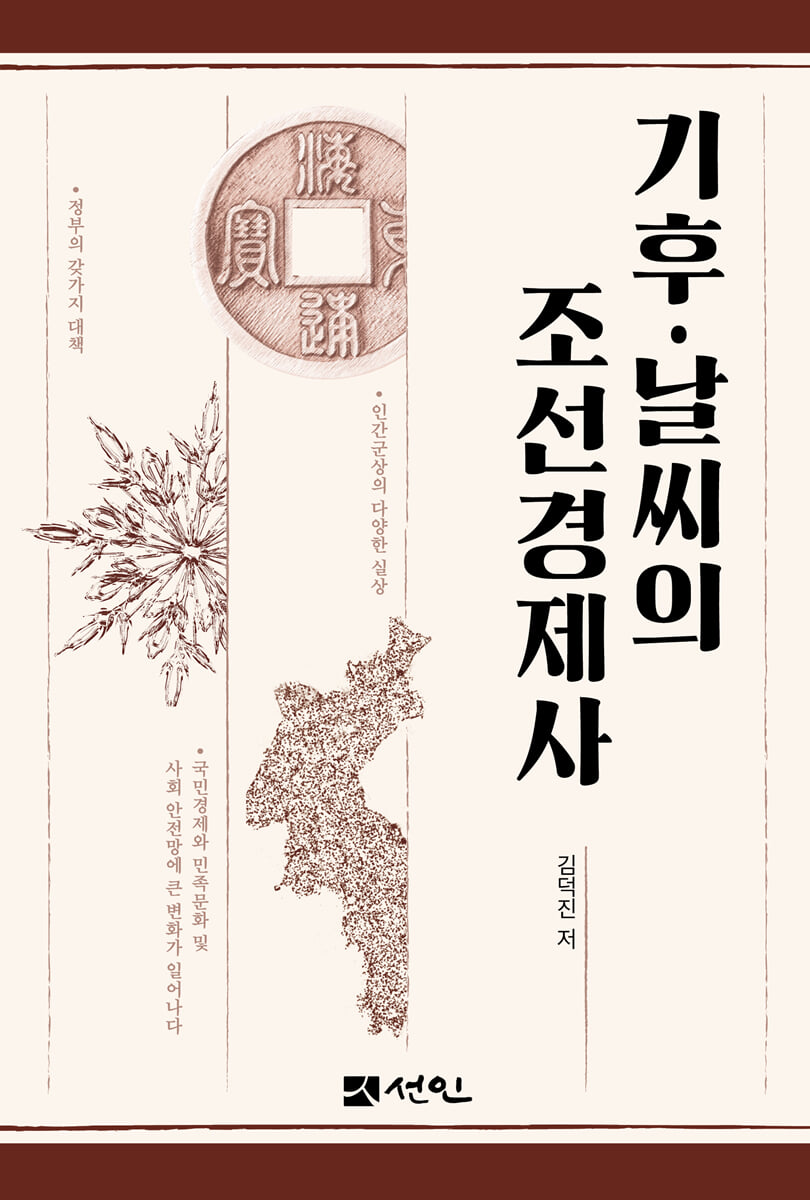
This book studies the influence of climate and weather on our history, focusing on the Joseon Dynasty.
The phenomenon of abnormally low temperatures appeared as a result of climate change in the 17th century.
To prove this, short, cool summers and long, harsh winters were confirmed through hail, frost, cold rain, cold wind, snow, and cold weather in the literature.
As a result, great changes occurred in the national economy and national culture.
Disputes over tribute from the forestry and fisheries sectors led to reforms in the tribute system, and the Han River and the East Sea froze over several times, making transportation and transport difficult and intensifying political conflict.
Additionally, famines occurred frequently due to drought, floods, typhoons, cold damage, and insect damage.
Each time, various realities of human nature were revealed, various government measures were introduced, and major changes occurred in the national economy, national culture, and social safety net.
Through this study, we learned about the frequency of famine, the dire livelihood conditions caused by it, the government's prescriptions, the multifaceted representations of the privileged class, and the struggles of the people to survive.
This book studies the influence of climate and weather on our history, focusing on the Joseon Dynasty.
The phenomenon of abnormally low temperatures appeared as a result of climate change in the 17th century.
To prove this, short, cool summers and long, harsh winters were confirmed through hail, frost, cold rain, cold wind, snow, and cold weather in the literature.
As a result, great changes occurred in the national economy and national culture.
Disputes over tribute from the forestry and fisheries sectors led to reforms in the tribute system, and the Han River and the East Sea froze over several times, making transportation and transport difficult and intensifying political conflict.
Additionally, famines occurred frequently due to drought, floods, typhoons, cold damage, and insect damage.
Each time, various realities of human nature were revealed, various government measures were introduced, and major changes occurred in the national economy, national culture, and social safety net.
Through this study, we learned about the frequency of famine, the dire livelihood conditions caused by it, the government's prescriptions, the multifaceted representations of the privileged class, and the struggles of the people to survive.
- You can preview some of the book's contents.
Preview
index
introduction
| Part 1 | An Economic History of 17th-Century Climate Change
Chapter 1: 17th-century abnormal low temperatures and their phenomena
1.
short, cool summer
2.
long and bitter winter
3.
The consequences of abnormally low temperatures
Chapter 2: 17th Century Abnormal Low Temperatures and Forest Tributes: Focusing on Bamboo
1.
bamboo offerings
2.
Bamboo forest cold damage and bamboo disputes
3.
Public Bamboo Policy and Jukjeon Director
Chapter 3: Low Sea Temperature and Fisheries Tribute in the 17th Century
1.
Fisheries products and seawater low temperature
2.
Fishing industry recession and economic impact
3.
Aspects of and Countermeasures for Public Language Disputes
Chapter 4: The Long-Term Freezing of the Han River in the 17th Century and Its Impact
1.
Han River freezing and temperature
2.
Long-term freezing of the Han River
3.
The long-term impact of freezing on the Han River
Chapter 5: Frequent freezing of the East Sea in the 17th century and its effects
1.
East Sea freezing and temperature
2.
Cases of freezing in the East Sea
3.
The impact of freezing in the East Sea
| Part 2 | The Economic History of Weather and Famine
Chapter 6: Disasters, Famine, and People's Lives
1.
Types of natural disasters
2.
The reality of the famine and relief
3.
Multiple lives and responses
Chapter 7: The Appointment of Pastor Lee Min-seo to Naju and the Relief of the Auxiliary Books
1.
1668 (9th year of King Hyeonjong's reign) nationwide famine
2.
Im Min-seo's appointment as pastor of Naju
3.
Book relief seen through Najun's "Travels to Ipdo"
Chapter 8: The "New Critical Strike" as Seen Through the Korean Lyrics of "Critical Strike"
1.
What is a "critical bomb"?
2.
The Great Famine
3.
The Reality of the 'New Immigrant Famine'
4.
The Great Famine: Establishment of Bangyak and Ichang (312)
Chapter 9: Dasan's exile to Gangjin and the famine
1.
The Great Famine of 1809 and 1814
2.
Insolvent relief and asset accumulation
3.
Kia's disguised drift and arson
Chapter 10: Soldiers' Famine and the Community
1.
Famine of 1876 and 1877
2.
The aftermath of the famine
Chapter 11: Famine and Rice Imports during the Korean Empire
1.
Famine and grain ban
2.
Annam rice imports
References
index
| Part 1 | An Economic History of 17th-Century Climate Change
Chapter 1: 17th-century abnormal low temperatures and their phenomena
1.
short, cool summer
2.
long and bitter winter
3.
The consequences of abnormally low temperatures
Chapter 2: 17th Century Abnormal Low Temperatures and Forest Tributes: Focusing on Bamboo
1.
bamboo offerings
2.
Bamboo forest cold damage and bamboo disputes
3.
Public Bamboo Policy and Jukjeon Director
Chapter 3: Low Sea Temperature and Fisheries Tribute in the 17th Century
1.
Fisheries products and seawater low temperature
2.
Fishing industry recession and economic impact
3.
Aspects of and Countermeasures for Public Language Disputes
Chapter 4: The Long-Term Freezing of the Han River in the 17th Century and Its Impact
1.
Han River freezing and temperature
2.
Long-term freezing of the Han River
3.
The long-term impact of freezing on the Han River
Chapter 5: Frequent freezing of the East Sea in the 17th century and its effects
1.
East Sea freezing and temperature
2.
Cases of freezing in the East Sea
3.
The impact of freezing in the East Sea
| Part 2 | The Economic History of Weather and Famine
Chapter 6: Disasters, Famine, and People's Lives
1.
Types of natural disasters
2.
The reality of the famine and relief
3.
Multiple lives and responses
Chapter 7: The Appointment of Pastor Lee Min-seo to Naju and the Relief of the Auxiliary Books
1.
1668 (9th year of King Hyeonjong's reign) nationwide famine
2.
Im Min-seo's appointment as pastor of Naju
3.
Book relief seen through Najun's "Travels to Ipdo"
Chapter 8: The "New Critical Strike" as Seen Through the Korean Lyrics of "Critical Strike"
1.
What is a "critical bomb"?
2.
The Great Famine
3.
The Reality of the 'New Immigrant Famine'
4.
The Great Famine: Establishment of Bangyak and Ichang (312)
Chapter 9: Dasan's exile to Gangjin and the famine
1.
The Great Famine of 1809 and 1814
2.
Insolvent relief and asset accumulation
3.
Kia's disguised drift and arson
Chapter 10: Soldiers' Famine and the Community
1.
Famine of 1876 and 1877
2.
The aftermath of the famine
Chapter 11: Famine and Rice Imports during the Korean Empire
1.
Famine and grain ban
2.
Annam rice imports
References
index
GOODS SPECIFICS
- Date of issue: October 31, 2024
- Page count, weight, size: 410 pages | 152*225*30mm
- ISBN13: 9791160689174
- ISBN10: 1160689172
You may also like
카테고리
korean


korean

![GQ KOREA Mark (Monthly): December [2025]](http://librairie.coreenne.fr/cdn/shop/files/8ef265dbbfbf186523ed75ba7319009d.jpg?v=1765340328&width=3840)


