

Japanese hot spring ryokan tour
 |
Description
Book Introduction
quiet trip
A relaxing trip
A journey to look back on myself
31 Onsen Ryokan Travel Recipes for City Life!
The more complicated and cold your heart is, the more you should go on a hot spring trip.
Empty your anxious mind and put down your busy daily life.
Soaking your body in a hot spring
You will find the leisure you had forgotten.
A relaxing trip
A journey to look back on myself
31 Onsen Ryokan Travel Recipes for City Life!
The more complicated and cold your heart is, the more you should go on a hot spring trip.
Empty your anxious mind and put down your busy daily life.
Soaking your body in a hot spring
You will find the leisure you had forgotten.
- You can preview some of the book's contents.
Preview
index
White snow hot springs in winter
Aoni Onsen, Aomori Prefecture
Nyuto Onsen, Akita Prefecture
Sukayu Onsen in Aomori Prefecture
The oldest and most famous hot spring
Dogo Onsen, Ehime Prefecture
Kusatsu Onsen, Gunma Prefecture
Gero Onsen, Gifu Prefecture
Arima Onsen, Hyogo Prefecture
Shirahama Onsen, Wakayama Prefecture
Wearing a yukata and geta on a hot spring
Kinosaki Onsen, Hyogo Prefecture
Misasa Onsen, Tottori Prefecture
Kurokawa Onsen, Kumamoto Prefecture
Nozawa Onsen, Nagano Prefecture
Hot springs that delight all five senses
Yufuin Onsen, Oita Prefecture
Nagayu Onsen, Oita Prefecture
Ibusuki Onsen, Kagoshima Prefecture
Shibu Onsen, Nagano Prefecture
Atami Onsen, Shizuoka Prefecture
Literature and Hot Springs
Echigo-Yuzawa Onsen, Niigata Prefecture
Osawa Onsen, Iwate Prefecture
Ginzan Onsen, Yamagata Prefecture
Shuzenji Onsen, Shizuoka Prefecture
10 must-visit hot springs
Noboribetsu Onsen, Hokkaido
Towada Onsen, Aomori Prefecture
Beppu Hot Springs, Oita Prefecture
Furusato Onsen, Sakurajima, Kagoshima Prefecture
Asama Onsen, Nagano Prefecture
Oirase Stream Hot Springs, Aomori Prefecture
Yonago Onsen, Tottori Prefecture
Yunohama Onsen, Yamagata Prefecture
Hoshino Onsen, Karuizawa, Nagano Prefecture
Hakone Onsen, Kanagawa Prefecture
Hot Springs and Ryokan Q&A
What are hot springs? / Why are hot springs good for your body?
What is the difference between Japanese and European hot springs?
Why is the open-air bath considered the best?
Hot spring bill Nyu Dekata (湯手型)? / Why is the color of the hot spring water different?
Types of hot springs and their benefits? / How does hot spring water affect the body?
What is the order of bathing in a hot spring? / What is a ryokan? / Ryokan reservations and usage fees?
What should I be careful of when using a ryokan? / What about yukata and geta worn in hot spring towns?
Aoni Onsen, Aomori Prefecture
Nyuto Onsen, Akita Prefecture
Sukayu Onsen in Aomori Prefecture
The oldest and most famous hot spring
Dogo Onsen, Ehime Prefecture
Kusatsu Onsen, Gunma Prefecture
Gero Onsen, Gifu Prefecture
Arima Onsen, Hyogo Prefecture
Shirahama Onsen, Wakayama Prefecture
Wearing a yukata and geta on a hot spring
Kinosaki Onsen, Hyogo Prefecture
Misasa Onsen, Tottori Prefecture
Kurokawa Onsen, Kumamoto Prefecture
Nozawa Onsen, Nagano Prefecture
Hot springs that delight all five senses
Yufuin Onsen, Oita Prefecture
Nagayu Onsen, Oita Prefecture
Ibusuki Onsen, Kagoshima Prefecture
Shibu Onsen, Nagano Prefecture
Atami Onsen, Shizuoka Prefecture
Literature and Hot Springs
Echigo-Yuzawa Onsen, Niigata Prefecture
Osawa Onsen, Iwate Prefecture
Ginzan Onsen, Yamagata Prefecture
Shuzenji Onsen, Shizuoka Prefecture
10 must-visit hot springs
Noboribetsu Onsen, Hokkaido
Towada Onsen, Aomori Prefecture
Beppu Hot Springs, Oita Prefecture
Furusato Onsen, Sakurajima, Kagoshima Prefecture
Asama Onsen, Nagano Prefecture
Oirase Stream Hot Springs, Aomori Prefecture
Yonago Onsen, Tottori Prefecture
Yunohama Onsen, Yamagata Prefecture
Hoshino Onsen, Karuizawa, Nagano Prefecture
Hakone Onsen, Kanagawa Prefecture
Hot Springs and Ryokan Q&A
What are hot springs? / Why are hot springs good for your body?
What is the difference between Japanese and European hot springs?
Why is the open-air bath considered the best?
Hot spring bill Nyu Dekata (湯手型)? / Why is the color of the hot spring water different?
Types of hot springs and their benefits? / How does hot spring water affect the body?
What is the order of bathing in a hot spring? / What is a ryokan? / Ryokan reservations and usage fees?
What should I be careful of when using a ryokan? / What about yukata and geta worn in hot spring towns?
Detailed image

Publisher's Review
01_The trend now is 'quiet travel' where you can relax and enjoy yourself.
The weakening yen has made travel more affordable and increased flights to smaller cities has led to a significant increase in the number of travelers visiting Japan.
A whopping 25.14 million Koreans visited Japan in 2024.
With a figure that has increased by more than 30% compared to the previous year, it is still considered one of the most popular travel destinations this year.
As interest expands from major cities to smaller towns, more diverse Japanese travel content is in demand.
Travel writer Lee Hyeong-jun presents a revised and expanded edition of “Japanese Hot Springs Ryokan Travel,” 12 years after “Japan Weekend Trip,” with new information added.
The most popular travel trend these days is 'quiet travel'.
There are continued predictions that quiet travel, which has been gaining attention for several years, will become a trend.
Healing trips, a break from the hustle and bustle of the city and the over-connectivity of online life, are gaining popularity among city dwellers.
It is in this context that hot spring trips are gaining popularity as healing travel destinations where one can soothe one's mind and body in nature.
《Japanese Hot Springs and Ryokan Travel》 is the story of Lee Hyeong-jun's travels to Japanese hot springs and ryokans over the past 30 years.
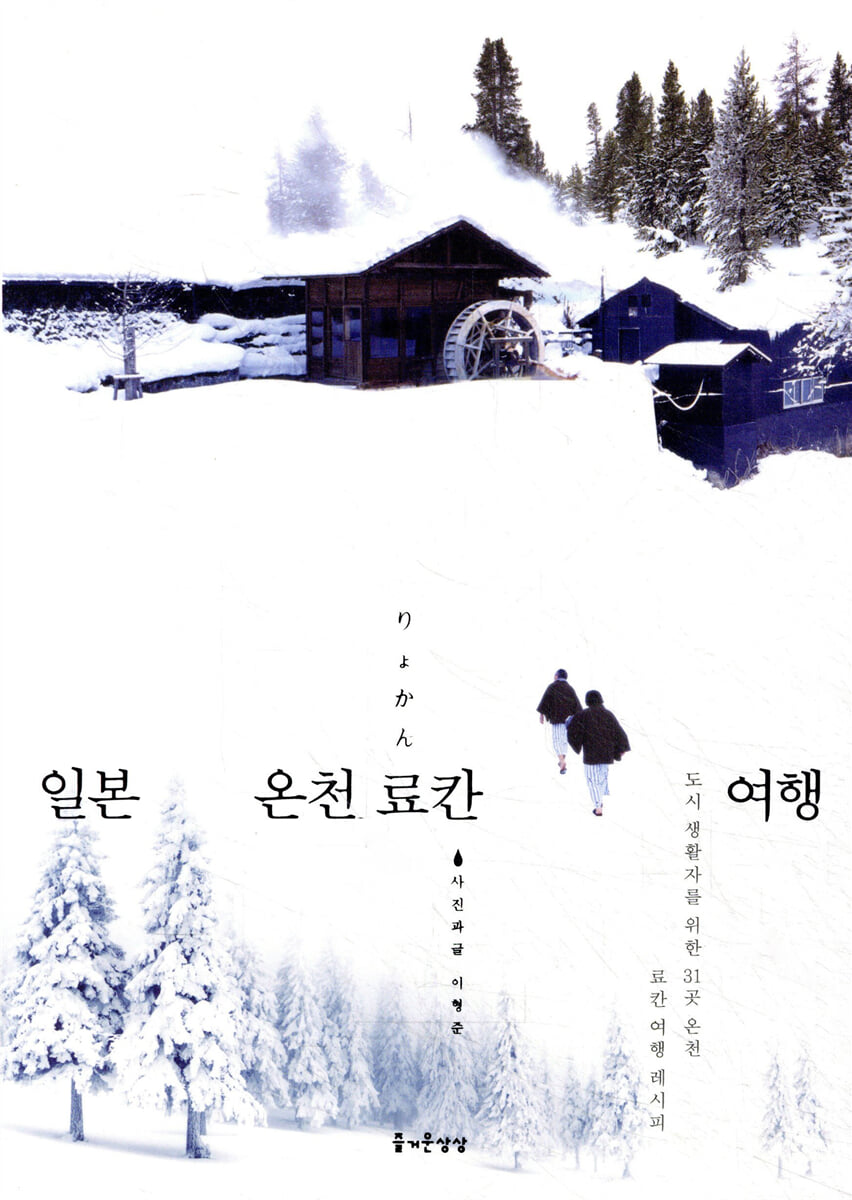
We've divided it into five themes and introduced it in detail with wonderful photos: a winter open-air hot spring buried in white snow, a famous hot spring boasting a thousand years of history and tradition, a hot spring town where you can make a pilgrimage while strolling through a town lined with ryokans and shops, a hot spring town with unique sights and experiences, and a hot spring and ryokan beloved by writers and a cradle of literature.
Soaking in a hot spring will bring back a sense of leisure that you'd forgotten in your busy daily life. Walking leisurely through the shops selling charming traditional souvenirs and snacking on eggs and manju (sweet buns) while strolling down the street will heal your mind and body without you even realizing it.
Moreover, the unforgettable hospitality of traditional ryokans, where courtesy and consideration are combined, makes hot spring travel all the more appealing.
This book is a hot spring ryokan travel recipe for city dwellers.
02_Hot Springs…Ryokan, a Healing Journey in Japan
Japan is a world-renowned hot spring kingdom.
As it is a volcanic island, there are thousands of hot springs and hot spring villages throughout the country.
It also has a long history, and is home to many famous hot springs, including Dogo Onsen, which is recorded in the ancient history book Nihon Shoki, as well as Arima Onsen, Gero Onsen, and Kusatsu Onsen, which boast a history of over a thousand years.
Hot spring towns have become a long-standing tradition and a source of pride in Japanese culture.
And it is becoming increasingly popular as a healing travel destination that soothes the tired minds and bodies of busy city dwellers.
Hot springs and ryokans have stories that have lasted over a thousand years, and on top of that, people's stories have piled up to create traditions.
So, hot springs are a travel destination in themselves, and a living space for people who live while preserving their traditions.
The expressions on the faces of the yukata-clad hot spring visitors you meet on the streets full of the charm of a rural village are all joyful.
A hot spring trip that makes you feel like you've escaped from everyday life, just by taking a leisurely stroll through the hot spring town or soaking in a hot spring bath.
However, choosing a hot spring in Japan, which has the largest number of hot springs in the world and a variety of hot spring benefits and facilities, is not easy.
《Japan Hot Springs and Ryokan Travel》 contains a list of 31 of the most popular and famous hot springs and ryokans.
The book meticulously introduces hot springs deep in the mountains where you can fully enjoy the hot springs without any disturbance, hot springs by the sea with beautiful sunsets, vacation hot springs you can enjoy with your family, famous hot springs where you can enjoy a hot spring pilgrimage, and hot springs loved by writers, all with the author's long-standing hot spring travel know-how, so you will have everything you need to prepare for a hot spring trip.
03_An open-air bath that stimulates the romance of hot springs
When it comes to hot springs, isn't the pleasure of an open-air bath the most appealing? Most Japanese hot springs are located in mountains, along the coast, or in valleys, so the surrounding environment is a crucial factor in enhancing the appeal of a hot spring trip.
The pleasure of soaking in an open-air bath while gazing at the ever-changing scenery—cherry blossoms in spring, fresh green leaves in summer, autumn leaves in fall, and snow in winter—and the happiness of facing the sunrise, sunset, and star-filled night sky will become unforgettable memories.
You can see famous hot spring towns with beautiful nature, such as Aoni Onsen, where the darkness is lit only by kerosene lamps without even electricity, Nyuto Onsen village in a deep mountain valley, Gero Onsen with open-air baths along the river under the Milky Way sky, and Shirahama Onsen with open-air baths facing the vast ocean, along with wonderful photos.
By the way, hot springs are not just places to go during the cold season.
The season when Japanese people visit hot springs the most is none other than the summer vacation season.
Let's enjoy a hot spring trip that has a different charm in each of the four seasons.
04_The romance of a pilgrimage to a hot spring town wearing a yukata and geta sandals
Japan has many famous hot spring towns, each with its own unique villages centered around the hot spring source, accommodations such as ryokans, and public baths, along with restaurants, souvenir shops, and tourist facilities.
Representative examples include Kusatsu Onsen in Gunma Prefecture, Kinosaki Onsen in Hyogo Prefecture, Gero Onsen in Gifu Prefecture, and Hakone Onsen in Kanagawa Prefecture, which are introduced in “Japanese Onsen Ryokan Travel.”
Wearing a yukata (a simple kimono) and geta (traditional Japanese wooden sandals), strolling through the hot spring town, visiting hot spring baths, and eating eggs or manju boiled in hot spring water are pleasures that can only be found in hot spring towns.
Let's experience the pleasure of taking a leisurely stroll and visiting hot springs.
05_Hot Springs and Literature
The hot springs were loved by many writers.
Hot springs and ryokans appear in many literary works, and many works were written while staying at ryokans for long periods of time.
Yasunari Kawabata, the first Japanese winner of the Nobel Prize in Literature, wrote "Snow Country" in Echigo-Yuzawa Hot Springs, while staying at the Takahan Ryokan.
It introduces Ginzan Onsen, the setting of the Japanese national drama and novel "Oshin," and Osawa Onsen, a favorite haunt of Kenji Miyazawa, the author of "Galaxy Express 999."
Also included are Dogo Onsen, the setting for "Botchan" by Natsume Soseki, the father of modern Japanese literature; Shuzenji Onsen, the setting for Yasunari Kawabata's novel; and Kinosaki Onsen and Mikiya Ryokan, the setting for "From Kinosaki" by Naoya Shiga, who was called the god of novels.
06 Traditional Ryokan, a Unique Japanese Lodging
The greatest pleasure of a hot spring trip is staying at a traditional ryokan.
A ryokan is a type of accommodation based on traditional Japanese tatami rooms and a Japanese garden, where you can experience Japan's unique culture, unique beauty, and hospitality.
Ryokans are popular not just as places to stay, but as a place to experience traditional Japanese culture, with the kind hospitality of the landlady, Okami-san, and the room attendant, Nakai-san, the traditional course meals served, kaiseki cuisine, and the use of traditional-style futons (futons) spread on tatami floors.
Even Japanese people consider staying at a ryokan and enjoying hot springs to be the best kind of travel, making it one of the romantic aspects of a hot spring trip.
However, unlike hotels that focus on guest rooms, ryokans are not easy to choose because their prices vary depending on various factors such as gardens, hot springs, guest rooms, meals, and services.
Moreover, hot spring towns have hundreds, if not dozens, of ryokans.
《Japanese Hot Spring Ryokan Travel》 provides detailed information on the ryokans the author personally stayed at while traveling.
Based on the author's own experience of staying at a hot spring, it provides information on the website, accommodation rates, hot springs, and directions, making it a great guide for hot spring travel.
The weakening yen has made travel more affordable and increased flights to smaller cities has led to a significant increase in the number of travelers visiting Japan.
A whopping 25.14 million Koreans visited Japan in 2024.
With a figure that has increased by more than 30% compared to the previous year, it is still considered one of the most popular travel destinations this year.
As interest expands from major cities to smaller towns, more diverse Japanese travel content is in demand.
Travel writer Lee Hyeong-jun presents a revised and expanded edition of “Japanese Hot Springs Ryokan Travel,” 12 years after “Japan Weekend Trip,” with new information added.
The most popular travel trend these days is 'quiet travel'.
There are continued predictions that quiet travel, which has been gaining attention for several years, will become a trend.
Healing trips, a break from the hustle and bustle of the city and the over-connectivity of online life, are gaining popularity among city dwellers.
It is in this context that hot spring trips are gaining popularity as healing travel destinations where one can soothe one's mind and body in nature.
《Japanese Hot Springs and Ryokan Travel》 is the story of Lee Hyeong-jun's travels to Japanese hot springs and ryokans over the past 30 years.
We've divided it into five themes and introduced it in detail with wonderful photos: a winter open-air hot spring buried in white snow, a famous hot spring boasting a thousand years of history and tradition, a hot spring town where you can make a pilgrimage while strolling through a town lined with ryokans and shops, a hot spring town with unique sights and experiences, and a hot spring and ryokan beloved by writers and a cradle of literature.
Soaking in a hot spring will bring back a sense of leisure that you'd forgotten in your busy daily life. Walking leisurely through the shops selling charming traditional souvenirs and snacking on eggs and manju (sweet buns) while strolling down the street will heal your mind and body without you even realizing it.
Moreover, the unforgettable hospitality of traditional ryokans, where courtesy and consideration are combined, makes hot spring travel all the more appealing.
This book is a hot spring ryokan travel recipe for city dwellers.
02_Hot Springs…Ryokan, a Healing Journey in Japan
Japan is a world-renowned hot spring kingdom.
As it is a volcanic island, there are thousands of hot springs and hot spring villages throughout the country.
It also has a long history, and is home to many famous hot springs, including Dogo Onsen, which is recorded in the ancient history book Nihon Shoki, as well as Arima Onsen, Gero Onsen, and Kusatsu Onsen, which boast a history of over a thousand years.
Hot spring towns have become a long-standing tradition and a source of pride in Japanese culture.
And it is becoming increasingly popular as a healing travel destination that soothes the tired minds and bodies of busy city dwellers.
Hot springs and ryokans have stories that have lasted over a thousand years, and on top of that, people's stories have piled up to create traditions.
So, hot springs are a travel destination in themselves, and a living space for people who live while preserving their traditions.
The expressions on the faces of the yukata-clad hot spring visitors you meet on the streets full of the charm of a rural village are all joyful.
A hot spring trip that makes you feel like you've escaped from everyday life, just by taking a leisurely stroll through the hot spring town or soaking in a hot spring bath.
However, choosing a hot spring in Japan, which has the largest number of hot springs in the world and a variety of hot spring benefits and facilities, is not easy.
《Japan Hot Springs and Ryokan Travel》 contains a list of 31 of the most popular and famous hot springs and ryokans.
The book meticulously introduces hot springs deep in the mountains where you can fully enjoy the hot springs without any disturbance, hot springs by the sea with beautiful sunsets, vacation hot springs you can enjoy with your family, famous hot springs where you can enjoy a hot spring pilgrimage, and hot springs loved by writers, all with the author's long-standing hot spring travel know-how, so you will have everything you need to prepare for a hot spring trip.
03_An open-air bath that stimulates the romance of hot springs
When it comes to hot springs, isn't the pleasure of an open-air bath the most appealing? Most Japanese hot springs are located in mountains, along the coast, or in valleys, so the surrounding environment is a crucial factor in enhancing the appeal of a hot spring trip.
The pleasure of soaking in an open-air bath while gazing at the ever-changing scenery—cherry blossoms in spring, fresh green leaves in summer, autumn leaves in fall, and snow in winter—and the happiness of facing the sunrise, sunset, and star-filled night sky will become unforgettable memories.
You can see famous hot spring towns with beautiful nature, such as Aoni Onsen, where the darkness is lit only by kerosene lamps without even electricity, Nyuto Onsen village in a deep mountain valley, Gero Onsen with open-air baths along the river under the Milky Way sky, and Shirahama Onsen with open-air baths facing the vast ocean, along with wonderful photos.
By the way, hot springs are not just places to go during the cold season.
The season when Japanese people visit hot springs the most is none other than the summer vacation season.
Let's enjoy a hot spring trip that has a different charm in each of the four seasons.
04_The romance of a pilgrimage to a hot spring town wearing a yukata and geta sandals
Japan has many famous hot spring towns, each with its own unique villages centered around the hot spring source, accommodations such as ryokans, and public baths, along with restaurants, souvenir shops, and tourist facilities.
Representative examples include Kusatsu Onsen in Gunma Prefecture, Kinosaki Onsen in Hyogo Prefecture, Gero Onsen in Gifu Prefecture, and Hakone Onsen in Kanagawa Prefecture, which are introduced in “Japanese Onsen Ryokan Travel.”
Wearing a yukata (a simple kimono) and geta (traditional Japanese wooden sandals), strolling through the hot spring town, visiting hot spring baths, and eating eggs or manju boiled in hot spring water are pleasures that can only be found in hot spring towns.
Let's experience the pleasure of taking a leisurely stroll and visiting hot springs.
05_Hot Springs and Literature
The hot springs were loved by many writers.
Hot springs and ryokans appear in many literary works, and many works were written while staying at ryokans for long periods of time.
Yasunari Kawabata, the first Japanese winner of the Nobel Prize in Literature, wrote "Snow Country" in Echigo-Yuzawa Hot Springs, while staying at the Takahan Ryokan.
It introduces Ginzan Onsen, the setting of the Japanese national drama and novel "Oshin," and Osawa Onsen, a favorite haunt of Kenji Miyazawa, the author of "Galaxy Express 999."
Also included are Dogo Onsen, the setting for "Botchan" by Natsume Soseki, the father of modern Japanese literature; Shuzenji Onsen, the setting for Yasunari Kawabata's novel; and Kinosaki Onsen and Mikiya Ryokan, the setting for "From Kinosaki" by Naoya Shiga, who was called the god of novels.
06 Traditional Ryokan, a Unique Japanese Lodging
The greatest pleasure of a hot spring trip is staying at a traditional ryokan.
A ryokan is a type of accommodation based on traditional Japanese tatami rooms and a Japanese garden, where you can experience Japan's unique culture, unique beauty, and hospitality.
Ryokans are popular not just as places to stay, but as a place to experience traditional Japanese culture, with the kind hospitality of the landlady, Okami-san, and the room attendant, Nakai-san, the traditional course meals served, kaiseki cuisine, and the use of traditional-style futons (futons) spread on tatami floors.
Even Japanese people consider staying at a ryokan and enjoying hot springs to be the best kind of travel, making it one of the romantic aspects of a hot spring trip.
However, unlike hotels that focus on guest rooms, ryokans are not easy to choose because their prices vary depending on various factors such as gardens, hot springs, guest rooms, meals, and services.
Moreover, hot spring towns have hundreds, if not dozens, of ryokans.
《Japanese Hot Spring Ryokan Travel》 provides detailed information on the ryokans the author personally stayed at while traveling.
Based on the author's own experience of staying at a hot spring, it provides information on the website, accommodation rates, hot springs, and directions, making it a great guide for hot spring travel.
GOODS SPECIFICS
- Date of issue: February 20, 2025
- Page count, weight, size: 320 pages | 510g | 153*224*16mm
- ISBN13: 9791155362303
- ISBN10: 1155362306
You may also like
카테고리
korean


korean

![GQ KOREA Mark (Monthly): December [2025]](http://librairie.coreenne.fr/cdn/shop/files/8ef265dbbfbf186523ed75ba7319009d.jpg?v=1765340328&width=3840)


