

Japanese food tour
 |
Description
Book Introduction
“There is always a good view in the taste.”
Capture the scenery of long-loved Japanese restaurants!
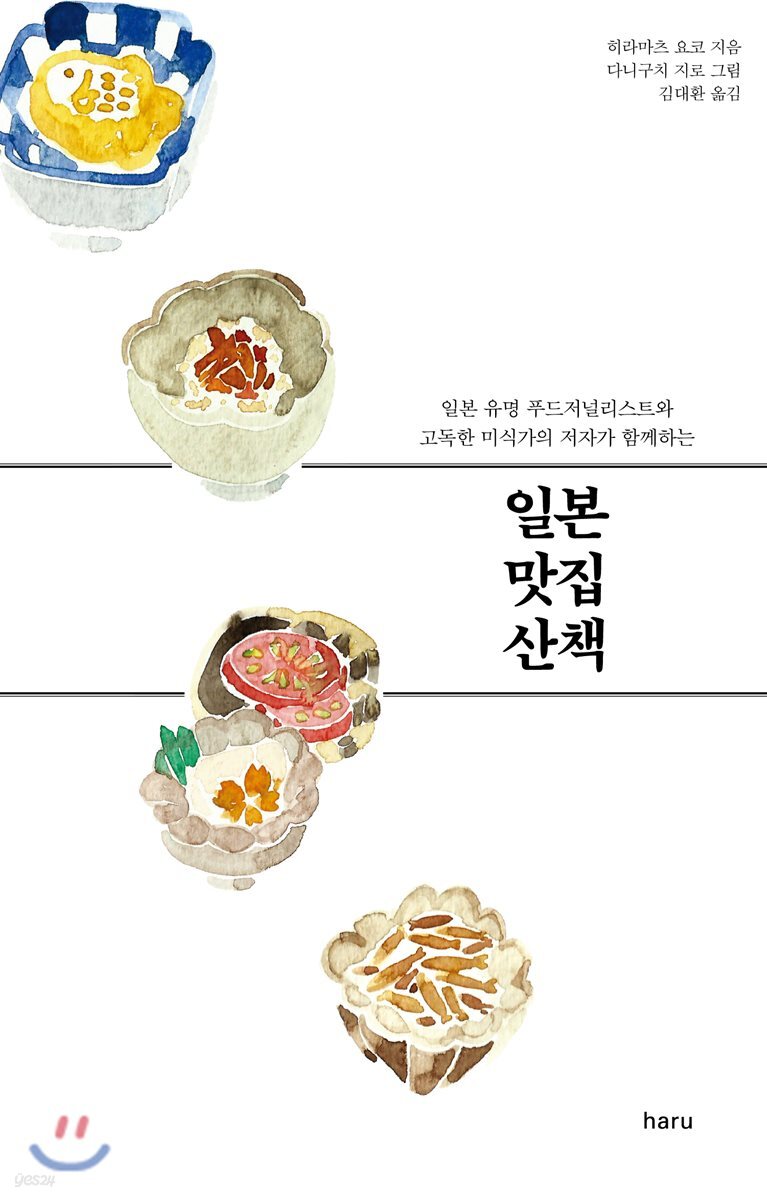
This is a collection of essays from the first to the twelfth installment of [The Taste of Now], serialized in 'Olyomimono' by Yoko Hiramitsu, a famous Japanese food journalist and author who has won numerous literary awards.
Author and publisher Y travel together to famous restaurants throughout Japan and candidly tell stories about the scenery, people, and food there.
The inclusion of Jiro Taniguchi's manga, which depicts 'The Solitary Gourmet', adds to the enjoyment of reading.
Spring vegetables, shojin cuisine, eel sashimi, carp sashimi, omelet rice, Taemeiken in Nihonbashi, Meiji Camp in Osaka, okonomiyaki at Kashike, soba noodles, horse meat nabe, sandwiches in Ginza, pufferfish jiri in Dotonbori, loach nabe in Asakusa, bear meat at Hara Sanso in Shiga Prefecture, Jiyukan, a famous curry rice restaurant in Osaka, Takoumae, a delicious fish cake restaurant founded in 1844, a luncheon in Tokyo, Matsuya, a specialty eel noodle restaurant, Takemura, a famous sweet red bean soup restaurant, etc. You can meet her unique food stories that connect taste and people while traveling to every corner of Japan.
This book goes beyond simply introducing restaurants, and introduces the reasons why they are loved and the unique scenery of each restaurant, all in the calm style of Yoko Hiramatsu.
In the age of gourmet restaurants and mukbangs, if you simply visited a restaurant and took pictures for social media, try following the eating methods the author teaches in this book and slowly look around the restaurant to experience the true flavor of Japanese restaurants.
Capture the scenery of long-loved Japanese restaurants!
This is a collection of essays from the first to the twelfth installment of [The Taste of Now], serialized in 'Olyomimono' by Yoko Hiramitsu, a famous Japanese food journalist and author who has won numerous literary awards.
Author and publisher Y travel together to famous restaurants throughout Japan and candidly tell stories about the scenery, people, and food there.
The inclusion of Jiro Taniguchi's manga, which depicts 'The Solitary Gourmet', adds to the enjoyment of reading.
Spring vegetables, shojin cuisine, eel sashimi, carp sashimi, omelet rice, Taemeiken in Nihonbashi, Meiji Camp in Osaka, okonomiyaki at Kashike, soba noodles, horse meat nabe, sandwiches in Ginza, pufferfish jiri in Dotonbori, loach nabe in Asakusa, bear meat at Hara Sanso in Shiga Prefecture, Jiyukan, a famous curry rice restaurant in Osaka, Takoumae, a delicious fish cake restaurant founded in 1844, a luncheon in Tokyo, Matsuya, a specialty eel noodle restaurant, Takemura, a famous sweet red bean soup restaurant, etc. You can meet her unique food stories that connect taste and people while traveling to every corner of Japan.
This book goes beyond simply introducing restaurants, and introduces the reasons why they are loved and the unique scenery of each restaurant, all in the calm style of Yoko Hiramatsu.
In the age of gourmet restaurants and mukbangs, if you simply visited a restaurant and took pictures for social media, try following the eating methods the author teaches in this book and slowly look around the restaurant to experience the true flavor of Japanese restaurants.
- You can preview some of the book's contents.
Preview
index
In search of the taste that announces spring
Okay, let's go! Let's drink some delicious beer today too.
Let's eat eel in midsummer
Traveling through Northeast China from Ikebukuro
I had a great meal at the staff cafeteria.
Omelette rice is always in my heart
Comfortable in a Japanese restaurant
Sandwiches in Ginza
I'm eating nabe alone, regretting the winter
Go eat bear meat
Hello, Jurakudai, the nostalgic restaurant
Whether it's 100 years or 200 years
Finally, become a part of the landscape
Reviews
Restaurant location and contact information listed in the text
Okay, let's go! Let's drink some delicious beer today too.
Let's eat eel in midsummer
Traveling through Northeast China from Ikebukuro
I had a great meal at the staff cafeteria.
Omelette rice is always in my heart
Comfortable in a Japanese restaurant
Sandwiches in Ginza
I'm eating nabe alone, regretting the winter
Go eat bear meat
Hello, Jurakudai, the nostalgic restaurant
Whether it's 100 years or 200 years
Finally, become a part of the landscape
Reviews
Restaurant location and contact information listed in the text
Detailed image

Into the book
Omelette rice is always in my heart
At 1:20 p.m., Taimeiken was packed with people.
I finally sat down and looked around absentmindedly. The two men on the right were having omelet rice, the couple on the left were having hayashi rice for the woman and omelet rice for the man.
The man who came alone on the other side also had an omelet rice, and on the other side of that… … .
At lunchtime, Taimeiken was a festival of omelets.
Of course, since it is a shinise (a company with a long tradition, a store - translator's note) 'Taimeiken' founded in 1931, the taste of menchikatsu, beef croquettes, pork sauté, etc. are all trustworthy.
Omelette rice is a traditional dish made by wrapping ketchup rice with ham and onions in an egg and forming a beautiful spindle shape. You can then add as much ketchup as you like on top.
Meanwhile, dandelion omelet rice has a strong event-like feel.
Plain omelettes (omelets without fillings - translator's note) are lightly placed on top of ketchup rice with chicken, onions, mushrooms, and peas.
When you pop the dandelion omelet rice that is swaying bouncy with the tip of a spoon, a sticky, half-boiled egg flows out, which you then spread out by mercilessly pressing it up and down.
At 1:20 p.m., Taimeiken was packed with people.
I finally sat down and looked around absentmindedly. The two men on the right were having omelet rice, the couple on the left were having hayashi rice for the woman and omelet rice for the man.
The man who came alone on the other side also had an omelet rice, and on the other side of that… … .
At lunchtime, Taimeiken was a festival of omelets.
Of course, since it is a shinise (a company with a long tradition, a store - translator's note) 'Taimeiken' founded in 1931, the taste of menchikatsu, beef croquettes, pork sauté, etc. are all trustworthy.
Omelette rice is a traditional dish made by wrapping ketchup rice with ham and onions in an egg and forming a beautiful spindle shape. You can then add as much ketchup as you like on top.
Meanwhile, dandelion omelet rice has a strong event-like feel.
Plain omelettes (omelets without fillings - translator's note) are lightly placed on top of ketchup rice with chicken, onions, mushrooms, and peas.
When you pop the dandelion omelet rice that is swaying bouncy with the tip of a spoon, a sticky, half-boiled egg flows out, which you then spread out by mercilessly pressing it up and down.
--- From the text
Publisher's Review
“Going to a popular restaurant is not just about eating, it’s about becoming part of the scene.”
This book features some of the best restaurants from all over Japan, organized by theme.
It is described in detail, from the price to the appearance of the restaurant owner, the history of the place, and even how to eat it.
If you go there knowing why it has been a famous Japanese restaurant and has been popular with people for a long time, you will be able to experience a more authentic taste.
Taste of Spring and Beer
We are introducing some of the spring vegetables and dishes eaten in spring in Japan by visiting representative restaurants.
Among them, it also introduces shojin cuisine, which is similar to our country's temple cuisine.
And we introduce a variety of beers, from pubs perfect for a quick drink on the way home from work to craft beers enjoyed in atmospheric bars.
You can learn about the scenery, snacks, and craft beer of Japanese beer houses.
Let's eat eel in midsummer
In Narita, famous for its eel cuisine, we introduce the eel and carp sashimi of Kawatoyo, which opened in 1910, and the shaved ice at the nearby Goto Dangoya (established in 1845).
And we will tell you about the various eel skewers from 'Kawasei', a restaurant famous for its eel skewers in Tokyo.
Omelette rice is always in my heart
We will tell you in detail about the omelet rice eaten at 'Taimeiken' in Nihonbashi and 'Meijiken' in Osaka, which are famous in our country.
It also provides an interesting explanation of how to eat it deliciously and the origins of how to make the unique omelet rice.
You can find out what makes these two omelet rice restaurants so appealing, as they have been open for nearly 100 years.
Comfortable in a Japanese restaurant
Jashiki refers to a tatami room, so this could be a good opportunity for readers who are curious about the true look of a Japanese restaurant.
It introduces okonomiyaki, soba noodles, and horse meat nabe eaten at zashiki, and also provides a detailed explanation of Japanese tatami restaurants such as irekomi zashiki and goagari.
Sandwiches in Ginza
We're taking a closer look at sandwich shops located in Ginza.
We introduce the Sakura Anpan (cherry blossom sweet red bean bun) and various sandwiches sold on the second floor of the Kimuraya main branch located at the Ginza 4-chome intersection.
In addition, it also introduces the unique sandwiches of six famous sandwich shops located in Ginza.
I'm eating nabe alone, regretting the winter
In the book, the author says that Dotonbori in the middle of winter is a paradise for pufferfish, and that as you walk down the alleys, temptations approach you from both sides.
Among them, 'Yotaro', which opened in 1959, teaches you how to enjoy a delicious blowfish nabe.
Also, we are introducing the loach nabe at 'Iidaya', a loach specialty restaurant located in Asakusa, Tokyo, which was founded in 1902.
In addition, we will introduce in detail the various nabe and restaurant scenes of Dainichikara Shujo and Nishitamizu, famous nabe restaurants in Tokyo and Osaka.
Go eat bear meat
Bear meat is so unfamiliar...
We introduce bear meat, which can only be tasted in midwinter at 'Hirasansou' in Shiga Prefecture.
Hira Sanso is famous not only for its bear meat but also for its silver carp stew. It would be a good idea to indirectly experience what bear meat tastes like through the author's writing.
Whether it's 100 years or 200 years
There's something special about restaurants that people visit over time that draws them in.
We introduce restaurants with long traditions, such as 'Jiyuken' (a curry rice restaurant founded in 1910), 'Takoume' (a fish cake restaurant founded in 1844), and 'Meotozenzai' (a sweet red bean soup restaurant) in Osaka, and 'Luncheon' (a menchikatsu and tonkatsu sandwich restaurant founded in 1909), 'Matsuya' (a soba noodle restaurant), and 'Takemura' (a sweet red bean soup restaurant) in Tokyo.
We introduce a taste that has been passed down from family to family for 100 or 200 years.
In addition to these, we also introduce delicious in-house restaurants and precious restaurants that have now disappeared.
Through this book, the author does not simply introduce a restaurant, but also tells why it is loved by people and tells about the unique scenery of that restaurant.
Famous restaurants have their own unique scenery, so we should cherish them as well.
For readers who want to experience the true flavors of Japan while traveling in Japan, the addresses and contact information of the restaurants introduced in the text are provided in the appendix.
This book features some of the best restaurants from all over Japan, organized by theme.
It is described in detail, from the price to the appearance of the restaurant owner, the history of the place, and even how to eat it.
If you go there knowing why it has been a famous Japanese restaurant and has been popular with people for a long time, you will be able to experience a more authentic taste.
Taste of Spring and Beer
We are introducing some of the spring vegetables and dishes eaten in spring in Japan by visiting representative restaurants.
Among them, it also introduces shojin cuisine, which is similar to our country's temple cuisine.
And we introduce a variety of beers, from pubs perfect for a quick drink on the way home from work to craft beers enjoyed in atmospheric bars.
You can learn about the scenery, snacks, and craft beer of Japanese beer houses.
Let's eat eel in midsummer
In Narita, famous for its eel cuisine, we introduce the eel and carp sashimi of Kawatoyo, which opened in 1910, and the shaved ice at the nearby Goto Dangoya (established in 1845).
And we will tell you about the various eel skewers from 'Kawasei', a restaurant famous for its eel skewers in Tokyo.
Omelette rice is always in my heart
We will tell you in detail about the omelet rice eaten at 'Taimeiken' in Nihonbashi and 'Meijiken' in Osaka, which are famous in our country.
It also provides an interesting explanation of how to eat it deliciously and the origins of how to make the unique omelet rice.
You can find out what makes these two omelet rice restaurants so appealing, as they have been open for nearly 100 years.
Comfortable in a Japanese restaurant
Jashiki refers to a tatami room, so this could be a good opportunity for readers who are curious about the true look of a Japanese restaurant.
It introduces okonomiyaki, soba noodles, and horse meat nabe eaten at zashiki, and also provides a detailed explanation of Japanese tatami restaurants such as irekomi zashiki and goagari.
Sandwiches in Ginza
We're taking a closer look at sandwich shops located in Ginza.
We introduce the Sakura Anpan (cherry blossom sweet red bean bun) and various sandwiches sold on the second floor of the Kimuraya main branch located at the Ginza 4-chome intersection.
In addition, it also introduces the unique sandwiches of six famous sandwich shops located in Ginza.
I'm eating nabe alone, regretting the winter
In the book, the author says that Dotonbori in the middle of winter is a paradise for pufferfish, and that as you walk down the alleys, temptations approach you from both sides.
Among them, 'Yotaro', which opened in 1959, teaches you how to enjoy a delicious blowfish nabe.
Also, we are introducing the loach nabe at 'Iidaya', a loach specialty restaurant located in Asakusa, Tokyo, which was founded in 1902.
In addition, we will introduce in detail the various nabe and restaurant scenes of Dainichikara Shujo and Nishitamizu, famous nabe restaurants in Tokyo and Osaka.
Go eat bear meat
Bear meat is so unfamiliar...
We introduce bear meat, which can only be tasted in midwinter at 'Hirasansou' in Shiga Prefecture.
Hira Sanso is famous not only for its bear meat but also for its silver carp stew. It would be a good idea to indirectly experience what bear meat tastes like through the author's writing.
Whether it's 100 years or 200 years
There's something special about restaurants that people visit over time that draws them in.
We introduce restaurants with long traditions, such as 'Jiyuken' (a curry rice restaurant founded in 1910), 'Takoume' (a fish cake restaurant founded in 1844), and 'Meotozenzai' (a sweet red bean soup restaurant) in Osaka, and 'Luncheon' (a menchikatsu and tonkatsu sandwich restaurant founded in 1909), 'Matsuya' (a soba noodle restaurant), and 'Takemura' (a sweet red bean soup restaurant) in Tokyo.
We introduce a taste that has been passed down from family to family for 100 or 200 years.
In addition to these, we also introduce delicious in-house restaurants and precious restaurants that have now disappeared.
Through this book, the author does not simply introduce a restaurant, but also tells why it is loved by people and tells about the unique scenery of that restaurant.
Famous restaurants have their own unique scenery, so we should cherish them as well.
For readers who want to experience the true flavors of Japan while traveling in Japan, the addresses and contact information of the restaurants introduced in the text are provided in the appendix.
GOODS SPECIFICS
- Date of publication: February 14, 2018
- Page count, weight, size: 280 pages | 324g | 128*200*16mm
- ISBN13: 9791161340159
- ISBN10: 1161340157
You may also like
카테고리
korean


korean

![GQ KOREA Mark (Monthly): December [2025]](http://librairie.coreenne.fr/cdn/shop/files/8ef265dbbfbf186523ed75ba7319009d.jpg?v=1765340328&width=3840)


