

Van Gogh, Painting a Dream
 |
Description
Book Introduction
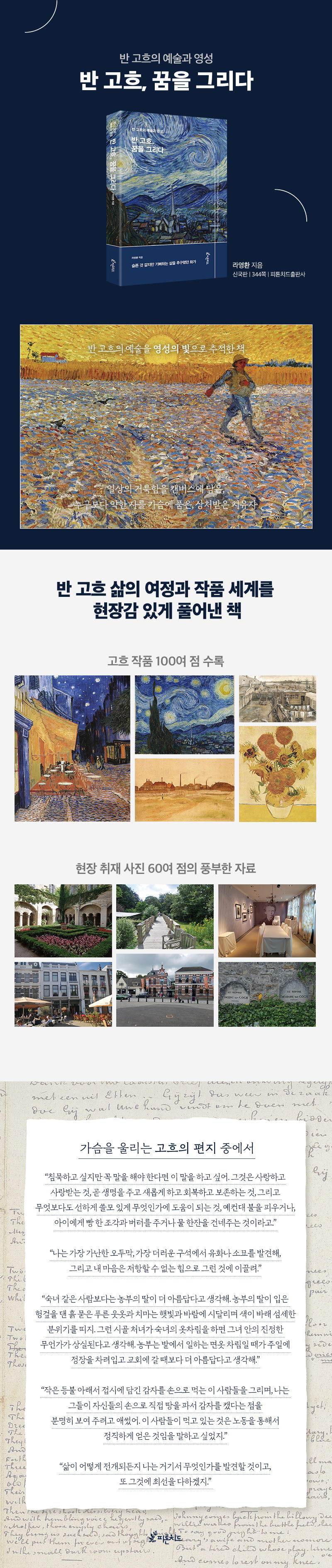
Rich data including over 100 works by Van Gogh and 60 field photos taken by the author
Breaking the Myth of Van Gogh as an Ill-Fated Genius
Van Gogh, a painter who lived according to his heavenly calling, not a mad artist.
A book that traces Van Gogh's art through the light of spirituality.
Capturing the holiness of everyday life on canvas,
A wounded healer who embraces the weakest of all
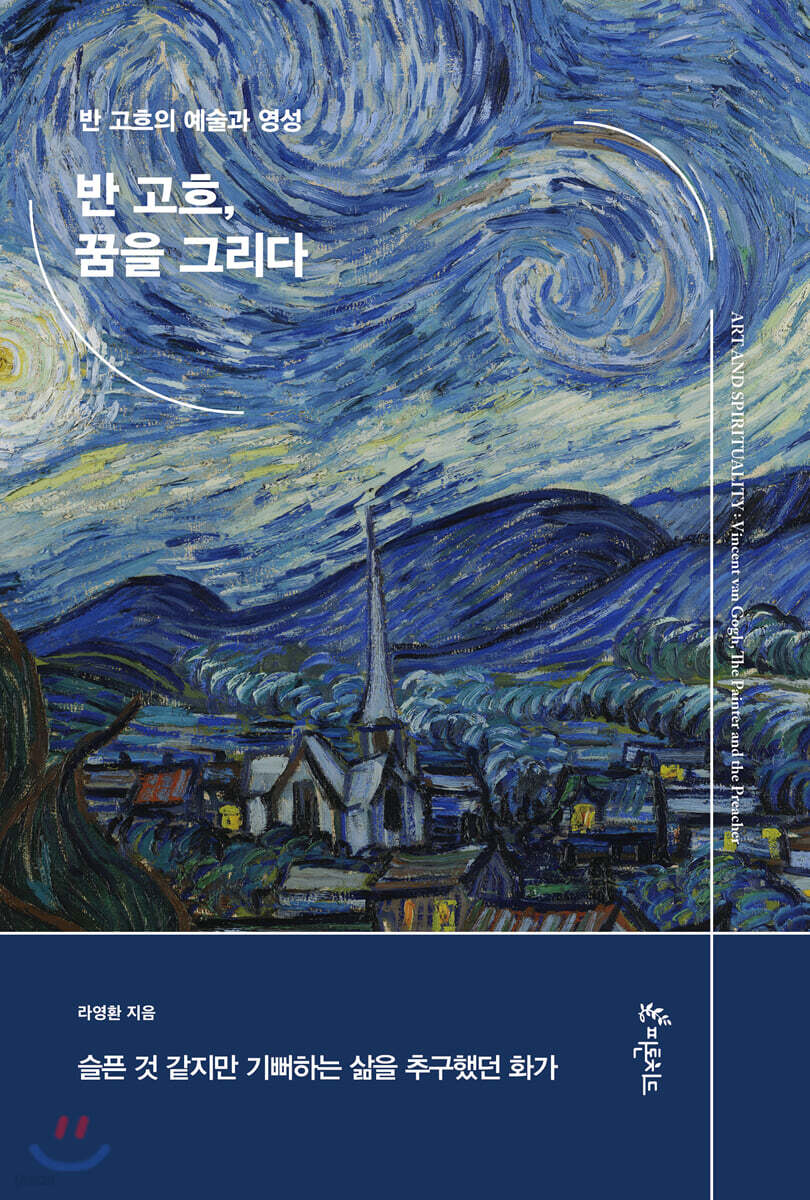
Even people who are not interested in art have probably seen Vincent van Gogh's paintings, such as "Night Terrace," "Sunflowers," "Starry Night," and "Self-Portrait."
As a well-known painter, many articles and books about Van Gogh have multiplied over time, gradually developing into a hagiography.
And this created the Van Gogh syndrome.
It is true that such myths hindered the ability to show what Van Gogh was pursuing through his paintings.
Although many books have been published about Van Gogh, few have dealt with his life and art from the perspective of his calling.
The author of this book, Ra Young-hwan, has spent the past few years reading Van Gogh's letters and following in his footsteps by traveling to the Netherlands, England, Belgium, and France, trying to look at him from the van Gogh perspective.
And it introduces readers to Van Gogh, the painter who lived according to his calling, rather than Van Gogh, who was shrouded in myth.
The greatest virtue of this book is its debunking of the myth of Van Gogh as the 'unlucky genius artist.'
The author meticulously examines the issues surrounding Van Gogh's death and his relationships with his father and Gauguin, which are considered unsuccessful, while persistently unraveling the prejudices and misunderstandings about him.
By doing so, we erase the prejudice that he was a 'tragic genius artist' and focus on Van Gogh's warm and considerate humanity.
For Van Gogh, who once aspired to become a priest, painting was a calling he found in failure after failing to become one.
He wanted to paint pictures that would bring comfort to the marginalized.
With a heart of compassion, he approached the socially disadvantaged and sought to heal them through art.
Van Gogh also did not confine his faith to the church building.
Van Gogh found in the clothes of peasants working in the fields something "more beautiful than when they dress up and go to church on Sunday."
In that sense, Van Gogh's work tells us about the meaning and purpose of life, and how to achieve it.
He tells us that a life lived according to our calling is a happy life, that a life lived with all our might is not a failure, and that what we do every day is precious.
Breaking the Myth of Van Gogh as an Ill-Fated Genius
Van Gogh, a painter who lived according to his heavenly calling, not a mad artist.
A book that traces Van Gogh's art through the light of spirituality.
Capturing the holiness of everyday life on canvas,
A wounded healer who embraces the weakest of all
Even people who are not interested in art have probably seen Vincent van Gogh's paintings, such as "Night Terrace," "Sunflowers," "Starry Night," and "Self-Portrait."
As a well-known painter, many articles and books about Van Gogh have multiplied over time, gradually developing into a hagiography.
And this created the Van Gogh syndrome.
It is true that such myths hindered the ability to show what Van Gogh was pursuing through his paintings.
Although many books have been published about Van Gogh, few have dealt with his life and art from the perspective of his calling.
The author of this book, Ra Young-hwan, has spent the past few years reading Van Gogh's letters and following in his footsteps by traveling to the Netherlands, England, Belgium, and France, trying to look at him from the van Gogh perspective.
And it introduces readers to Van Gogh, the painter who lived according to his calling, rather than Van Gogh, who was shrouded in myth.
The greatest virtue of this book is its debunking of the myth of Van Gogh as the 'unlucky genius artist.'
The author meticulously examines the issues surrounding Van Gogh's death and his relationships with his father and Gauguin, which are considered unsuccessful, while persistently unraveling the prejudices and misunderstandings about him.
By doing so, we erase the prejudice that he was a 'tragic genius artist' and focus on Van Gogh's warm and considerate humanity.
For Van Gogh, who once aspired to become a priest, painting was a calling he found in failure after failing to become one.
He wanted to paint pictures that would bring comfort to the marginalized.
With a heart of compassion, he approached the socially disadvantaged and sought to heal them through art.
Van Gogh also did not confine his faith to the church building.
Van Gogh found in the clothes of peasants working in the fields something "more beautiful than when they dress up and go to church on Sunday."
In that sense, Van Gogh's work tells us about the meaning and purpose of life, and how to achieve it.
He tells us that a life lived according to our calling is a happy life, that a life lived with all our might is not a failure, and that what we do every day is precious.
- You can preview some of the book's contents.
Preview
index
Prologue: Becoming Van Gogh and Looking at Van Gogh
Part 1: Difficulties in Interpreting Van Gogh
1.
Did Van Gogh cut off his own ear?
2.
Was Van Gogh mentally ill?
3.
Did Van Gogh foreshadow his own death in his paintings?
4.
Did Van Gogh leave Christianity?
Part 2: Become Van Gogh and See Van Gogh
5.
Van Gogh and his family
6.
Growing up: Zundert-Tilburg (1853–1868)
7.
Van Gogh, art dealer: The Hague (1869–1872)
8.
Swaying Flowers: London-Paris (1873-1875)
9.
In Search of a Calling: London (1876)
10.
Evangelist in the Coal Mining Village: Dordrecht-Borignage (1877–1879)
11.
Opportunity Found in Failure: Brussels-Etten-The Hague (1880-1883)
12.
Losing Love and Finding Love: Nuenen (1883–1885)
13.
Achieving intense color: Paris (1886–1888)
14.
A Wrong Encounter: Arles (1888–1889)
15.
Death: Auvers (1890)
Part 3: Van Gogh's Art and Spirituality
16.
Spirituality in Everyday Life
17.
The sower
18.
landscape
19.
potato eaters
20.
sunflower
21.
shoes
22.
Starry Night
23.
Gate of Eternity
24.
Bible illustrations
25.
Living life to the fullest
26.
Bible and Reading
Epilogue: Van Gogh Paints His Calling
Part 1: Difficulties in Interpreting Van Gogh
1.
Did Van Gogh cut off his own ear?
2.
Was Van Gogh mentally ill?
3.
Did Van Gogh foreshadow his own death in his paintings?
4.
Did Van Gogh leave Christianity?
Part 2: Become Van Gogh and See Van Gogh
5.
Van Gogh and his family
6.
Growing up: Zundert-Tilburg (1853–1868)
7.
Van Gogh, art dealer: The Hague (1869–1872)
8.
Swaying Flowers: London-Paris (1873-1875)
9.
In Search of a Calling: London (1876)
10.
Evangelist in the Coal Mining Village: Dordrecht-Borignage (1877–1879)
11.
Opportunity Found in Failure: Brussels-Etten-The Hague (1880-1883)
12.
Losing Love and Finding Love: Nuenen (1883–1885)
13.
Achieving intense color: Paris (1886–1888)
14.
A Wrong Encounter: Arles (1888–1889)
15.
Death: Auvers (1890)
Part 3: Van Gogh's Art and Spirituality
16.
Spirituality in Everyday Life
17.
The sower
18.
landscape
19.
potato eaters
20.
sunflower
21.
shoes
22.
Starry Night
23.
Gate of Eternity
24.
Bible illustrations
25.
Living life to the fullest
26.
Bible and Reading
Epilogue: Van Gogh Paints His Calling
Detailed image
Into the book
“I want to be silent, but if I have to say something, I want to say this.
It is to love and to be loved, that is, to give life, to renew, to restore, to preserve, and above all, to be of service to something good and useful, such as lighting a fire, or giving a child a piece of bread and butter, or a glass of water.”
“I find paintings and drawings in the poorest huts and the dirtiest corners, and my heart is drawn to them with an irresistible force.”
“I think a farmer’s daughter is more beautiful than a lady’s.
The farmer's daughter's blue, dirt-stained top and skirt, lined with rags, have faded from the sun and wind, giving them a delicate atmosphere.
I think that when a country girl dresses like a lady, something true within her is lost.
“I think a farmer is more beautiful in his cotton clothes when he works in the fields than when he dresses up and goes to church on Sunday.”
“In drawing these people eating potatoes from a plate with their hands under a small lamp, I tried to make it clear that they dug the potatoes with their own hands.
I wanted to say that what these people are eating is something they have honestly earned through their labor.”
“No matter how life unfolds, I will discover something there, and I will do my best to make it happen.”
Van Gogh's life was like that of a pilgrim.
He had no place to set foot in this world.
But he did not lose heart and silently walked down the path he had to take.
The reason he later included images of poor people in his paintings was to remind the world of its duty to them through his paintings.
Van Gogh said, “When you paint peasants, you must paint them as if you were one of them, feeling and thinking like them.” This shows that he considered the peasants not simply objects of depiction, but as comrades with whom he should cry and laugh.
In this way, he wanted to look at the weak from the weak's perspective.
They were not lowly people as the world saw them, but honest people who deserved to be treated well.
In this respect, Van Gogh's "The Potato Eaters" has considerable significance in art history.
Although peasant painters like Millet painted the lives of farmers, they were unable to portray the real lives of farmers like Van Gogh.
At that time, coal mines were extremely dangerous places, with frequent gas explosions and landslides.
When accidents occurred, Van Gogh risked his life to rescue victims, and he even saved the lives of seriously ill patients whom doctors had given up on by caring for them wholeheartedly.
Moreover, when he encountered the misfortune or sorrow of others, he was tormented by the reality that he could not be in the same situation as that person, and he tried to help them even at the cost of sacrificing himself.
People were moved by this image of Van Gogh and began to listen to his sermons.
Van Gogh rejected the cold realism of the Hague School and sought to paint paintings that would allow him to become one with his subjects.
This understanding of aesthetics later played a decisive role in Van Gogh's development of his own unique painting style.
Rather than simply looking at the subject objectively, he sought to truthfully portray the emotions within the subject.
For him, the content of the painting was more important than its form.
In addition to weavers, Van Gogh began to paint the daily lives of farmers.
He was fascinated by the sight of farmers sowing seeds, planting, tilling the soil, harvesting, chopping trees, and pulling carts.
In a letter to Theo, he said, “I have no other aspirations than to live in a remote country village and to paint rural life.”
Van Gogh liked to be called a peasant painter.
He walked alone.
I didn't intend to walk alone from the beginning.
He always wanted to walk with someone, but the world just didn't understand him.
Picasso said that Van Gogh's path was one of utter loneliness.
Even his family and colleagues did not understand him.
He was always lonely.
But he did not isolate himself and go into seclusion.
A single white iris was placed among the blue irises fluttering in the wind as if dancing in the slow breeze.
Perhaps Van Gogh painted this picture because he felt like a white iris standing alone among blue irises.
But the white iris is among the blue iris.
This resembles the image of Van Gogh, who constantly sought connection.
He reached out to people through his paintings.
And through his paintings, he wanted to comfort the world he saw while walking and the people living difficult lives.
It is to love and to be loved, that is, to give life, to renew, to restore, to preserve, and above all, to be of service to something good and useful, such as lighting a fire, or giving a child a piece of bread and butter, or a glass of water.”
“I find paintings and drawings in the poorest huts and the dirtiest corners, and my heart is drawn to them with an irresistible force.”
“I think a farmer’s daughter is more beautiful than a lady’s.
The farmer's daughter's blue, dirt-stained top and skirt, lined with rags, have faded from the sun and wind, giving them a delicate atmosphere.
I think that when a country girl dresses like a lady, something true within her is lost.
“I think a farmer is more beautiful in his cotton clothes when he works in the fields than when he dresses up and goes to church on Sunday.”
“In drawing these people eating potatoes from a plate with their hands under a small lamp, I tried to make it clear that they dug the potatoes with their own hands.
I wanted to say that what these people are eating is something they have honestly earned through their labor.”
“No matter how life unfolds, I will discover something there, and I will do my best to make it happen.”
Van Gogh's life was like that of a pilgrim.
He had no place to set foot in this world.
But he did not lose heart and silently walked down the path he had to take.
The reason he later included images of poor people in his paintings was to remind the world of its duty to them through his paintings.
Van Gogh said, “When you paint peasants, you must paint them as if you were one of them, feeling and thinking like them.” This shows that he considered the peasants not simply objects of depiction, but as comrades with whom he should cry and laugh.
In this way, he wanted to look at the weak from the weak's perspective.
They were not lowly people as the world saw them, but honest people who deserved to be treated well.
In this respect, Van Gogh's "The Potato Eaters" has considerable significance in art history.
Although peasant painters like Millet painted the lives of farmers, they were unable to portray the real lives of farmers like Van Gogh.
At that time, coal mines were extremely dangerous places, with frequent gas explosions and landslides.
When accidents occurred, Van Gogh risked his life to rescue victims, and he even saved the lives of seriously ill patients whom doctors had given up on by caring for them wholeheartedly.
Moreover, when he encountered the misfortune or sorrow of others, he was tormented by the reality that he could not be in the same situation as that person, and he tried to help them even at the cost of sacrificing himself.
People were moved by this image of Van Gogh and began to listen to his sermons.
Van Gogh rejected the cold realism of the Hague School and sought to paint paintings that would allow him to become one with his subjects.
This understanding of aesthetics later played a decisive role in Van Gogh's development of his own unique painting style.
Rather than simply looking at the subject objectively, he sought to truthfully portray the emotions within the subject.
For him, the content of the painting was more important than its form.
In addition to weavers, Van Gogh began to paint the daily lives of farmers.
He was fascinated by the sight of farmers sowing seeds, planting, tilling the soil, harvesting, chopping trees, and pulling carts.
In a letter to Theo, he said, “I have no other aspirations than to live in a remote country village and to paint rural life.”
Van Gogh liked to be called a peasant painter.
He walked alone.
I didn't intend to walk alone from the beginning.
He always wanted to walk with someone, but the world just didn't understand him.
Picasso said that Van Gogh's path was one of utter loneliness.
Even his family and colleagues did not understand him.
He was always lonely.
But he did not isolate himself and go into seclusion.
A single white iris was placed among the blue irises fluttering in the wind as if dancing in the slow breeze.
Perhaps Van Gogh painted this picture because he felt like a white iris standing alone among blue irises.
But the white iris is among the blue iris.
This resembles the image of Van Gogh, who constantly sought connection.
He reached out to people through his paintings.
And through his paintings, he wanted to comfort the world he saw while walking and the people living difficult lives.
--- From the text
Publisher's Review
Van Gogh's religious calling and spirituality, which sought to capture the sacred in everyday life.
A book that vividly portrays Van Gogh's life and world of art.
Even for many who admire Van Gogh's paintings, he remains remembered as an unfortunate artist who committed suicide by cutting off his own ear.
Reversing these stereotypes and shedding new light on Van Gogh, who lived according to his calling across time, is as important and difficult as saving a life.
The author wrote this book with the hope that readers would discover Van Gogh, a painter who lived according to his divine calling, rather than a mad artist.
By following in Van Gogh's footsteps for several years, visiting local sites, comparing countless letters and paintings from Van Gogh, and presenting art history materials related to the times, the author resolves the 'difficulties of interpretation' that the world has misunderstood.
The author analyzes Van Gogh's life and art from various angles, sometimes like an art historian or psychologist, and sometimes like a detective, and breaks down the myths we know about Van Gogh.
This book, which vividly depicts Van Gogh's life and world of art through an appropriate combination of field trips and academic research, is an easy-to-understand and friendly guide to Van Gogh's artistic world.
It also introduces Vincent, who pursued and lived a life that was 'sad but joyful', and makes us think about how we should live to be happy.
The book begins with a sharp rebuttal to conventional wisdom about Van Gogh, and soon, focusing on healing the marginalized and working people as its main subjects, guides us through Van Gogh's religious calling and spirituality, as well as the passion and zeal that accompanied his efforts to capture holiness in everyday life.
He was an artist who lived with 'the Bible in one hand and a brush in the other', and who constantly researched and worked hard to find his own color with a Christian worldview.
Goodness spreads throughout the world through small acts of service that are not grand.
For Van Gogh, a small act of service was painting.
Van Gogh lived a poor and sad life, but he tried not to lose his loving heart and beautiful thoughts. This is why his paintings move us.
A book that vividly portrays Van Gogh's life and world of art.
Even for many who admire Van Gogh's paintings, he remains remembered as an unfortunate artist who committed suicide by cutting off his own ear.
Reversing these stereotypes and shedding new light on Van Gogh, who lived according to his calling across time, is as important and difficult as saving a life.
The author wrote this book with the hope that readers would discover Van Gogh, a painter who lived according to his divine calling, rather than a mad artist.
By following in Van Gogh's footsteps for several years, visiting local sites, comparing countless letters and paintings from Van Gogh, and presenting art history materials related to the times, the author resolves the 'difficulties of interpretation' that the world has misunderstood.
The author analyzes Van Gogh's life and art from various angles, sometimes like an art historian or psychologist, and sometimes like a detective, and breaks down the myths we know about Van Gogh.
This book, which vividly depicts Van Gogh's life and world of art through an appropriate combination of field trips and academic research, is an easy-to-understand and friendly guide to Van Gogh's artistic world.
It also introduces Vincent, who pursued and lived a life that was 'sad but joyful', and makes us think about how we should live to be happy.
The book begins with a sharp rebuttal to conventional wisdom about Van Gogh, and soon, focusing on healing the marginalized and working people as its main subjects, guides us through Van Gogh's religious calling and spirituality, as well as the passion and zeal that accompanied his efforts to capture holiness in everyday life.
He was an artist who lived with 'the Bible in one hand and a brush in the other', and who constantly researched and worked hard to find his own color with a Christian worldview.
Goodness spreads throughout the world through small acts of service that are not grand.
For Van Gogh, a small act of service was painting.
Van Gogh lived a poor and sad life, but he tried not to lose his loving heart and beautiful thoughts. This is why his paintings move us.
GOODS SPECIFICS
- Date of issue: April 21, 2020
- Page count, weight, size: 344 pages | 622g | 152*225*30mm
- ISBN13: 9791186692462
- ISBN10: 1186692464
You may also like
카테고리
korean


korean

![GQ KOREA Mark (Monthly): December [2025]](http://librairie.coreenne.fr/cdn/shop/files/8ef265dbbfbf186523ed75ba7319009d.jpg?v=1765340328&width=3840)


