

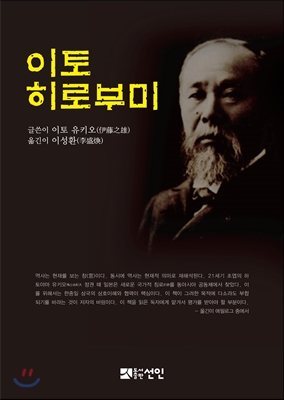
Ito Hirobumi
 |
Description
index
Part 1 Emergency
Chapter 1: Kido Takayoshi's Eyes: From Tsukari and Hagi to Kyoto, Edo, and England
Chapter 2: "Diplomatic" Negotiations and the Struggle to Overthrow the Shogunate - Supporting Kido Takayoshi
Chapter 3: The Iwakura Mission's Extraordinary and Plenipotentiary Envoys: The Abolition of Han Factions and the Seikanron Coup
Chapter 4: The Power of Ito, the Minister of State and Minister of War - The Southwest War
Part 2: Maturity
Chapter 5: The Beginning of the Ito Regime - Okubo Toshimichi's Successor
Chapter 6: Anger Against Okuma Shigenobu - The Meiji 14th Coup
Chapter 7: Desire for Constitutional Research - Japanese Tradition and Westernization
Chapter 8: Domestic Politics and Sino-Japanese Cooperation: The First Prime Minister
Chapter 9: Shaping Japan: The Constitution of the Empire of Japan and Emperor Meiji
Chapter 10: Misaligned Perspectives and Hesitation: The Okuma Treaty Revision Issue and the First National Assembly
Chapter 11: Protecting the Meiji Constitution - The Second General Election
Chapter 12: Alliance with the Democratic Party and Treaty Revision - The Second Ito Cabinet
Chapter 13: The Golden Age of the Ito Regime - The Civilian Prime Minister's First Sino-Japanese War
Part 3: Aging
Chapter 14: Strong Pride as a Senior Citizen: The Third Ito Cabinet: Convalescence and Rejuvenation
Chapter 15: Ill Health and the Ideal of "Constitutional" Politics: The Founding of the Constitutional Seiyukai and the Fourth Ito Cabinet
Chapter 16: Failure to Maintain Peace in the Far East: The Anglo-Japanese Alliance and the Russo-Japanese War
Chapter 17: Ambition to Rule Korea - Ito, Resident-General of Korea
Chapter 18: Assassination
Chapter 1: Kido Takayoshi's Eyes: From Tsukari and Hagi to Kyoto, Edo, and England
Chapter 2: "Diplomatic" Negotiations and the Struggle to Overthrow the Shogunate - Supporting Kido Takayoshi
Chapter 3: The Iwakura Mission's Extraordinary and Plenipotentiary Envoys: The Abolition of Han Factions and the Seikanron Coup
Chapter 4: The Power of Ito, the Minister of State and Minister of War - The Southwest War
Part 2: Maturity
Chapter 5: The Beginning of the Ito Regime - Okubo Toshimichi's Successor
Chapter 6: Anger Against Okuma Shigenobu - The Meiji 14th Coup
Chapter 7: Desire for Constitutional Research - Japanese Tradition and Westernization
Chapter 8: Domestic Politics and Sino-Japanese Cooperation: The First Prime Minister
Chapter 9: Shaping Japan: The Constitution of the Empire of Japan and Emperor Meiji
Chapter 10: Misaligned Perspectives and Hesitation: The Okuma Treaty Revision Issue and the First National Assembly
Chapter 11: Protecting the Meiji Constitution - The Second General Election
Chapter 12: Alliance with the Democratic Party and Treaty Revision - The Second Ito Cabinet
Chapter 13: The Golden Age of the Ito Regime - The Civilian Prime Minister's First Sino-Japanese War
Part 3: Aging
Chapter 14: Strong Pride as a Senior Citizen: The Third Ito Cabinet: Convalescence and Rejuvenation
Chapter 15: Ill Health and the Ideal of "Constitutional" Politics: The Founding of the Constitutional Seiyukai and the Fourth Ito Cabinet
Chapter 16: Failure to Maintain Peace in the Far East: The Anglo-Japanese Alliance and the Russo-Japanese War
Chapter 17: Ambition to Rule Korea - Ito, Resident-General of Korea
Chapter 18: Assassination
Publisher's Review
There is no modern Japanese politician who has as different an image in Korea and Japan as Ito Hirobumi.
Even among Korean and Japanese researchers of Japanese colonial history and political and diplomatic history, opinions surrounding Ito are largely divided into two.
The reason is that Korean researchers on Japan and Japanese colonial studies have rarely looked at historical materials about Ito from the period when he was not involved in Korea (Joseon).
There is a lack of an attitude to understand Ito as a person and to evaluate Ito during the period of the Resident-General of Korea based on this.
As a result, Koreans' image of Ito is not sufficiently balanced.
The same goes for the evaluation of Ito in the Korean Government-General.
Korean researchers on Japan and Japanese colonial studies rarely consult unpublished primary sources related to influential politicians such as Ito, Marshal Yamagata Aritomo, General Katsura Taro, and General Terauchi Masatake when deciding on the broad framework of annexation.
That is why we do not fully understand the differences in policies and interpersonal relationships between Ito, Yamagata, Katsura, and Terauchi in domestic and foreign affairs, including their rule over Korea.
This book focuses on primary sources such as letters, diaries, and documents from Ito himself, politicians directly related to Ito, and his family, and also examines their memoirs and newspaper and magazine reports from the time, aiming to explore the real situation of Ito, including the period of his rule over Korea.
(Entering)
Even among Korean and Japanese researchers of Japanese colonial history and political and diplomatic history, opinions surrounding Ito are largely divided into two.
The reason is that Korean researchers on Japan and Japanese colonial studies have rarely looked at historical materials about Ito from the period when he was not involved in Korea (Joseon).
There is a lack of an attitude to understand Ito as a person and to evaluate Ito during the period of the Resident-General of Korea based on this.
As a result, Koreans' image of Ito is not sufficiently balanced.
The same goes for the evaluation of Ito in the Korean Government-General.
Korean researchers on Japan and Japanese colonial studies rarely consult unpublished primary sources related to influential politicians such as Ito, Marshal Yamagata Aritomo, General Katsura Taro, and General Terauchi Masatake when deciding on the broad framework of annexation.
That is why we do not fully understand the differences in policies and interpersonal relationships between Ito, Yamagata, Katsura, and Terauchi in domestic and foreign affairs, including their rule over Korea.
This book focuses on primary sources such as letters, diaries, and documents from Ito himself, politicians directly related to Ito, and his family, and also examines their memoirs and newspaper and magazine reports from the time, aiming to explore the real situation of Ito, including the period of his rule over Korea.
(Entering)
GOODS SPECIFICS
- Publication date: December 15, 2014
- Format: Hardcover book binding method guide
- Page count, weight, size: 427 pages | 153*224*30mm
- ISBN13: 9788959337781
- ISBN10: 8959337781
You may also like
카테고리
korean


korean

![GQ KOREA Mark (Monthly): December [2025]](http://librairie.coreenne.fr/cdn/shop/files/8ef265dbbfbf186523ed75ba7319009d.jpg?v=1765340328&width=3840)


