

Food Story
 |
Description
Book Introduction
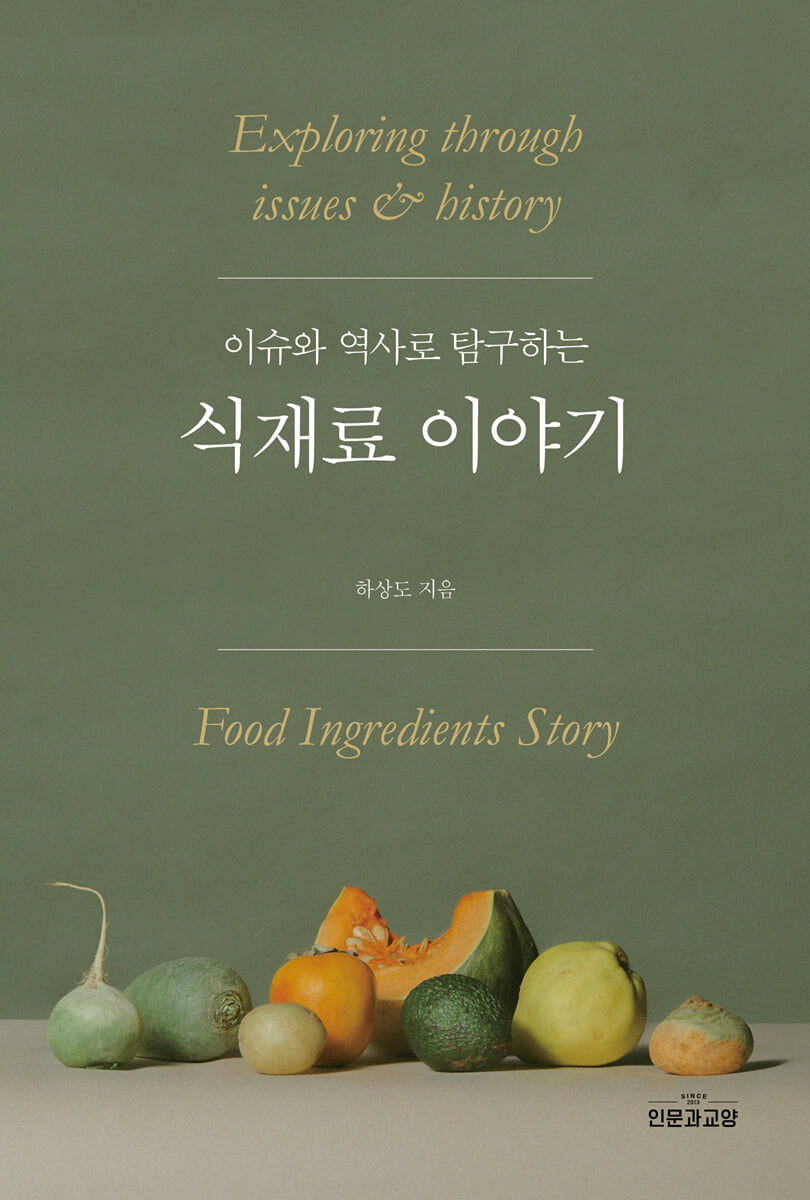
This book introduces the history, origins, and pros and cons of major processed food raw materials, and analyzes and organizes the causes of safety issues at the center of each food ingredient.
With the publication of this book, I hope to help food science experts, food industry officials, journalists, food industry professionals, and even general consumers realize the importance and value of food.
With the publication of this book, I hope to help food science experts, food industry officials, journalists, food industry professionals, and even general consumers realize the importance and value of food.
index
preface
Part 1 Food Raw Materials
Chapter 1 Agricultural Products
1.
agricultural products
2.
rice
3.
flour
4.
barley
5.
barley sprouts
6.
sweet potato
7.
corner
8.
onion
9.
garlic
10.
sesame
11.
water parsley
12.
Superfood Flaxseed
Chapter 2 Livestock Products
1.
livestock products
2.
pork
3.
horseflesh
4.
egg
5.
Honeycomb liquid paraffin
Chapter 3 Other Raw Materials
1.
water
2.
salt
3.
sugar
4.
brown sugar
5.
carbon dioxide
6.
nitrogen
7.
nitrous oxide
8.
local food
9.
organic food
Part 2 Processed Foods
Chapter 1: Processed Agricultural Products
1.
ramen
2.
coffee
3.
chocolate
4.
Meju
5.
soy sauce
6.
soybean paste
7.
chili pepper paste
8.
Cheonggukjang
9.
cereals
10.
gluten-free foods
11. ABC Juice
12.
vinegar
13.
Tomato ketchup
14.
popcorn
15.
Tanghulu
Chapter 2 Processed Meat Products
1.
meat substitutes
2.
Samgyetang
3.
mayonnaise
Chapter 3: Dairy Products
1.
milk
2.
milk substitutes
3.
fermented milk
4.
ice cream
5.
butter
Chapter 4: Processed Aquatic Products
1.
salted seafood
2.
krill oil
Chapter 5 Mainstream
1.
Makgeolli
2.
beer
3.
soju
4.
wine
5.
Non-alcoholic beverages
Chapter 6 Other Foods
1.
fast food
2.
hamburger
3.
King Castella
4.
Home meal replacement
5.
hydrogen water products
6.
K-Food
7.
cola
8.
carbonated energy drink
9.
High-caffeine drinks
10.
fermented foods
11.
Probiotics and lactic acid bacteria products
12.
retort food
13.
acidic foods
14.
Nanofoods
15.
refined foods
16.
protein foods
17.
Detox juice
18.
frozen foods
19.
refrigerated foods
20.
vegan food
21.
Medifood
22.
Gene editing technology and GMOs
23.
Unapproved GMO zucchini
24.
Sugar substitute sweetener
25.
Sweetener sodium saccharin
26.
Sweetener erythritol
27.
sweetener sucralose
28.
Sweetener aspartame
29.
vitamin
Part 1 Food Raw Materials
Chapter 1 Agricultural Products
1.
agricultural products
2.
rice
3.
flour
4.
barley
5.
barley sprouts
6.
sweet potato
7.
corner
8.
onion
9.
garlic
10.
sesame
11.
water parsley
12.
Superfood Flaxseed
Chapter 2 Livestock Products
1.
livestock products
2.
pork
3.
horseflesh
4.
egg
5.
Honeycomb liquid paraffin
Chapter 3 Other Raw Materials
1.
water
2.
salt
3.
sugar
4.
brown sugar
5.
carbon dioxide
6.
nitrogen
7.
nitrous oxide
8.
local food
9.
organic food
Part 2 Processed Foods
Chapter 1: Processed Agricultural Products
1.
ramen
2.
coffee
3.
chocolate
4.
Meju
5.
soy sauce
6.
soybean paste
7.
chili pepper paste
8.
Cheonggukjang
9.
cereals
10.
gluten-free foods
11. ABC Juice
12.
vinegar
13.
Tomato ketchup
14.
popcorn
15.
Tanghulu
Chapter 2 Processed Meat Products
1.
meat substitutes
2.
Samgyetang
3.
mayonnaise
Chapter 3: Dairy Products
1.
milk
2.
milk substitutes
3.
fermented milk
4.
ice cream
5.
butter
Chapter 4: Processed Aquatic Products
1.
salted seafood
2.
krill oil
Chapter 5 Mainstream
1.
Makgeolli
2.
beer
3.
soju
4.
wine
5.
Non-alcoholic beverages
Chapter 6 Other Foods
1.
fast food
2.
hamburger
3.
King Castella
4.
Home meal replacement
5.
hydrogen water products
6.
K-Food
7.
cola
8.
carbonated energy drink
9.
High-caffeine drinks
10.
fermented foods
11.
Probiotics and lactic acid bacteria products
12.
retort food
13.
acidic foods
14.
Nanofoods
15.
refined foods
16.
protein foods
17.
Detox juice
18.
frozen foods
19.
refrigerated foods
20.
vegan food
21.
Medifood
22.
Gene editing technology and GMOs
23.
Unapproved GMO zucchini
24.
Sugar substitute sweetener
25.
Sweetener sodium saccharin
26.
Sweetener erythritol
27.
sweetener sucralose
28.
Sweetener aspartame
29.
vitamin
Publisher's Review
Food processing is a divinely given scientific discovery that allowed us to store harvested and gathered raw materials for a long time and to eat fruits, vegetables, and meat all year round in the past when food was always scarce.
After the Industrial Revolution, when humans were able to survive to a certain extent, food evolved beyond its primary function of simply providing nutrition to satisfy the desire to eat more deliciously, more safely, and more healthily.
The industrialization of food achieved record-breaking progress during World Wars I and II.
This was because during the war, there was a need to supply large quantities of military food that could be stored for a long time and eaten easily without cooking.
War rations generally had to be easy to carry and consume, store easily, and have high nutritional value. They had to be packaged so that they could be easily thrown away after consumption, which led to the rapid development of instant foods.
Processed foods, despite being created by human greed and cravings, were until recently considered very bad foods that should not be eaten.
As food becomes abundant, people become overly satisfied and view 'processed foods' as a thorn in their side.
Even though humanity has barely survived until now thanks to processed foods.
Fortunately or unfortunately, thanks to the COVID-19 pandemic, the food industry has entered a golden age of processed foods.
This is because the preference for processed foods such as long-term preservation foods, retort foods, sterilized foods such as canned foods, frozen foods, and dried foods, which were previously considered unsuitable, has increased rapidly as they are being used as reserve foods.
In addition, the home meal replacement (HMR) market for eating at home has rapidly expanded due to restrictions on gatherings and working from home, and exports have surged as the global market has rapidly become closer due to the activation of online shopping.
In addition to instant food and fresh food, a new type of food called ‘easy cooking set’ has been created.
Moreover, with the advent of the Fourth Industrial Revolution, a large market for new foods has opened up, such as foods using 3D printing and alternative protein foods that replace meat with various materials.
In particular, with ESG management becoming a hot topic recently, food products that replace proteins obtained from livestock, which have the worst impact on the environment, are being highlighted.
The future processed food industry will be reorganized around "convenience, safety, and functionality," and demand for dining out, convenience foods, functional foods, and various packaging materials is expected to continue.
In particular, the development of outdoor foods and special-purpose foods for the elderly, patients, and athletes is expected to gain momentum.
In the future, it is expected that issues such as superfoods, organic farming, allergies, food additives, genetically modified organisms (GMOs), nutritional labeling, radioactively contaminated foods, benzopyrene, environmental hormones, irradiation, nanofoods, animal cloning, the restaurant industry, food trucks, smart packaging integrating information and communication technology (ICT), climate change, and fine dust will continue to be issues.
Processed foods have been with us throughout human history and will continue to do so in the future.
Because natural foods alone cannot solve humanity's hunger.
This book introduces the history, origins, and pros and cons of major processed food raw materials, and analyzes and organizes the causes of safety issues at the center of each food ingredient.
With the publication of this book, I hope to help food science experts, food industry officials, journalists, food industry professionals, and even general consumers realize the importance and value of food.
After the Industrial Revolution, when humans were able to survive to a certain extent, food evolved beyond its primary function of simply providing nutrition to satisfy the desire to eat more deliciously, more safely, and more healthily.
The industrialization of food achieved record-breaking progress during World Wars I and II.
This was because during the war, there was a need to supply large quantities of military food that could be stored for a long time and eaten easily without cooking.
War rations generally had to be easy to carry and consume, store easily, and have high nutritional value. They had to be packaged so that they could be easily thrown away after consumption, which led to the rapid development of instant foods.
Processed foods, despite being created by human greed and cravings, were until recently considered very bad foods that should not be eaten.
As food becomes abundant, people become overly satisfied and view 'processed foods' as a thorn in their side.
Even though humanity has barely survived until now thanks to processed foods.
Fortunately or unfortunately, thanks to the COVID-19 pandemic, the food industry has entered a golden age of processed foods.
This is because the preference for processed foods such as long-term preservation foods, retort foods, sterilized foods such as canned foods, frozen foods, and dried foods, which were previously considered unsuitable, has increased rapidly as they are being used as reserve foods.
In addition, the home meal replacement (HMR) market for eating at home has rapidly expanded due to restrictions on gatherings and working from home, and exports have surged as the global market has rapidly become closer due to the activation of online shopping.
In addition to instant food and fresh food, a new type of food called ‘easy cooking set’ has been created.
Moreover, with the advent of the Fourth Industrial Revolution, a large market for new foods has opened up, such as foods using 3D printing and alternative protein foods that replace meat with various materials.
In particular, with ESG management becoming a hot topic recently, food products that replace proteins obtained from livestock, which have the worst impact on the environment, are being highlighted.
The future processed food industry will be reorganized around "convenience, safety, and functionality," and demand for dining out, convenience foods, functional foods, and various packaging materials is expected to continue.
In particular, the development of outdoor foods and special-purpose foods for the elderly, patients, and athletes is expected to gain momentum.
In the future, it is expected that issues such as superfoods, organic farming, allergies, food additives, genetically modified organisms (GMOs), nutritional labeling, radioactively contaminated foods, benzopyrene, environmental hormones, irradiation, nanofoods, animal cloning, the restaurant industry, food trucks, smart packaging integrating information and communication technology (ICT), climate change, and fine dust will continue to be issues.
Processed foods have been with us throughout human history and will continue to do so in the future.
Because natural foods alone cannot solve humanity's hunger.
This book introduces the history, origins, and pros and cons of major processed food raw materials, and analyzes and organizes the causes of safety issues at the center of each food ingredient.
With the publication of this book, I hope to help food science experts, food industry officials, journalists, food industry professionals, and even general consumers realize the importance and value of food.
GOODS SPECIFICS
- Date of issue: September 27, 2024
- Page count, weight, size: 328 pages | 602g | 152*225*30mm
- ISBN13: 9791193225097
- ISBN10: 1193225094
You may also like
카테고리
korean


korean

![ELLE 엘르 스페셜 에디션 A형 : 12월 [2025]](http://librairie.coreenne.fr/cdn/shop/files/b8e27a3de6c9538896439686c6b0e8fb.jpg?v=1766436872&width=3840)


