

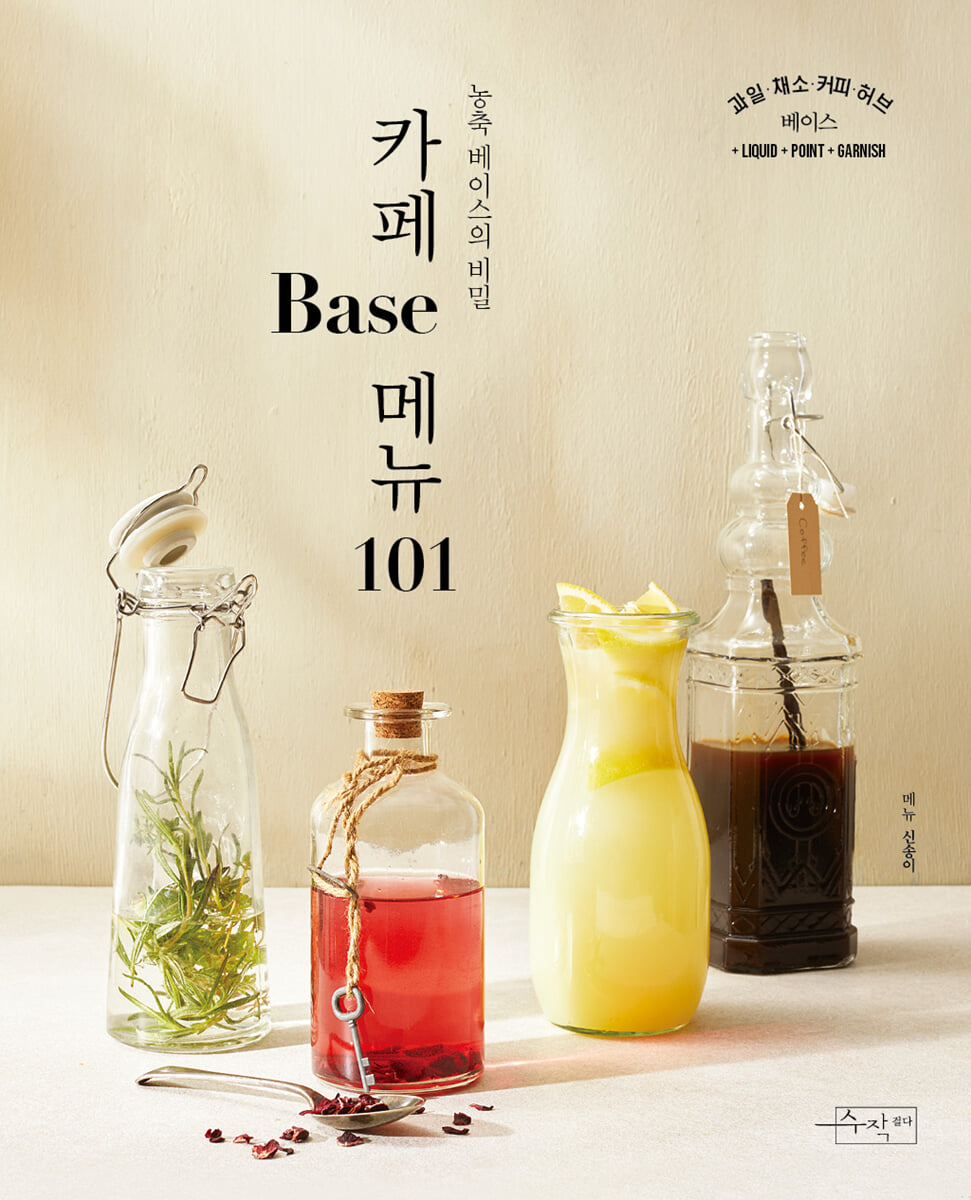
Cafe Base Menu 101
 |
Description
Book Introduction
A world built on a concentrated foundation over 10 years! Revealed in one book.
“If I reveal all this base, what will I eat and live on?”
This is what the author said when he first proposed 『Cafe Base Menu 101』 four years ago.
Around that time, the author started selling 3-4 different concentrated bases per season at the cafe he was running.
A typical cafe drink costs 6,000 to 7,000 won, so I couldn't help but want this concentrated base because I could make 4 to 5 drinks with just one bottle.
It's not just drinks.
The concentrated base was also very effective in the cafe desserts that were made and sold directly.
Of all the author's classes, the one with the most students was definitely the base class.
So, after signing a contract after two years of pressure, I prepared for another two years and finally published the book.
『Cafe Base Menu 101』 is the sixth book in Sujakgeolda's 『Cafe Menu 101』 series.
While previous books have examined cafe menus by topic, this book reinterprets them with the keyword of 'concentrated base.'
The plan, which was initially centered around fruit and coffee bases, expanded to include vegetable bases and herb and tea bases, reaching a whopping 23 varieties.
Pay special attention to the vegetable base.
Thanks to the author's love, carrots/tomatoes/ginger/beets were created as a concentrated base.
Please also focus on the composition that leads to one base and multi-menu.
We also introduced three types of drinks for each base, as well as a variety of dessert uses.
From simple baked goods like financiers, scones, and tiramisu, to more advanced recipes using concentrated bases like jellies, jams, puddings, raw chocolate, caramels, yokan, granola, dressings, and spreads, there are plenty of recipes.
Don't miss the author's unique killing points for each concentrated base that he has built up over the past 10 years, such as the grapefruit base with hibiscus tea added color, the green grape base with reduced sugar by grinding green grape-flavored candy, the tomato base with salt accents, and the hazelnut espresso base with added flavor from bitter roasted cassia seeds.
This book has it all.
“If I reveal all this base, what will I eat and live on?”
This is what the author said when he first proposed 『Cafe Base Menu 101』 four years ago.
Around that time, the author started selling 3-4 different concentrated bases per season at the cafe he was running.
A typical cafe drink costs 6,000 to 7,000 won, so I couldn't help but want this concentrated base because I could make 4 to 5 drinks with just one bottle.
It's not just drinks.
The concentrated base was also very effective in the cafe desserts that were made and sold directly.
Of all the author's classes, the one with the most students was definitely the base class.
So, after signing a contract after two years of pressure, I prepared for another two years and finally published the book.
『Cafe Base Menu 101』 is the sixth book in Sujakgeolda's 『Cafe Menu 101』 series.
While previous books have examined cafe menus by topic, this book reinterprets them with the keyword of 'concentrated base.'
The plan, which was initially centered around fruit and coffee bases, expanded to include vegetable bases and herb and tea bases, reaching a whopping 23 varieties.
Pay special attention to the vegetable base.
Thanks to the author's love, carrots/tomatoes/ginger/beets were created as a concentrated base.
Please also focus on the composition that leads to one base and multi-menu.
We also introduced three types of drinks for each base, as well as a variety of dessert uses.
From simple baked goods like financiers, scones, and tiramisu, to more advanced recipes using concentrated bases like jellies, jams, puddings, raw chocolate, caramels, yokan, granola, dressings, and spreads, there are plenty of recipes.
Don't miss the author's unique killing points for each concentrated base that he has built up over the past 10 years, such as the grapefruit base with hibiscus tea added color, the green grape base with reduced sugar by grinding green grape-flavored candy, the tomato base with salt accents, and the hazelnut espresso base with added flavor from bitter roasted cassia seeds.
This book has it all.
- You can preview some of the book's contents.
Preview
index
Prolog ; What is the Cafe BASE menu?
How to make the BASE menu?
Base Cafe Beverage Flavors' Backbone
Determine the texture of the liquid beverage
Point Beverage Flavor Cheat Key! Second Base
Elements that describe the Garnish menu
& Tools Core Essential Tools
Section 1〉〉 Fruit Base
Cherry Base
** Making the Cherry Base
Cherry Shake Cool
Amarena Cherryade Cool
Cherry Tea Hot
Cherry Financier Dessert
Lemon Base
**Making the Lemon Base
Shiso Lemonade Cool
Fennel Lemon Tea Hot
Lemon Coke Cool
Lemon Madeleine Dessert
Grapefruit Base
**Making the grapefruit base
Honey Dream Tea Hot
Jahubble Cool
Omongade Cool
Grapefruit Dressing Dessert
Strawberry Base
**Making the strawberry base
Strawberry Smoothie Cool
Strawberry Milk Cool
Strawberry Matcha Bubble Tea Cool
Strawberry Cream Cheese Dessert
Kiwi Base
**Making a Kiwi Base
Kiwi Vita Power Cool
Kiwi Black Tea Iced Tea Cool
Kiwi Arugula Juice Cool
Kiwi Roll Jelly Dessert
Green Grape Base
**Making the green grape base
Green Grape Cheese Foam Cool
Green Grape Kale Juice Cool
Basil Green Grape Ade Cool
Green Grape Konjac Jelly Dessert
Watermelon Base
**Making the watermelon base
Watermelon Lemon Cellar Cool
Watermelon Granata Cool
Cool
Watermelon hwachae Dessert
Apple Base
**Making the apple base
Rose Apple Iced Tea Cool
Apple Milkshake Cool
Apple Cinnamon Cool & Hot
Apple Butter Jam Dessert
Blueberry Base
**Making the Blueberry Base
Blueberry Cream Cheese Smoothie Cool
Blueberry Milk Tea Cool
Blueberry Energy Water Cool & Hot
Blueberry Cheese Bar Dessert
Section 2〉〉 Vegetable Base
Carrot Base
**Making the carrot base
Beta-carotene Cool
Carrot Vanilla Milk Cool
Carrot Apple Juice Cool
Green Tea Carrot Yanggaeng Dessert
Tomato Base
**Making the tomato base
Tomato Red Power Juice Cool
Tomato Greek Yogurt Cool
Tomato Basil Ade Cool
Sriracha Tomato Ketchup Dessert
Ginger Base
** Making the ginger base
Ginger Cream Milk Cool
Ginger Berry Cool
Ginger Honey Chamomile Cool
Ginger Caramel Dessert
Beet Base
** Creating a beat base
Beet Raspberry Ade Cool
ABC Juice Cool
Vitremonti Hot
Beet Cranberry Scone Dessert
Section 3〉〉 Coffee Base
Cold Brew Base
** Making a cold brew base
Dutch Cube Latte Cool
Dutch Cream Spener Cool
Dutch Clean Diet Water Cool
Cold Brew Tiramisu Dessert
Instant Coffee Base
**Making instant coffee base
Homage to 333 Cool & Hot
Dalgona Coffee Cool
Coffee Fizz Cool
Coffee Canelé Dessert
Cinnamon Espresso Base
**Making the Cinnamon Espresso Base
Cinnamon Orange Latte Cool
Cappuccino Frappuccino Cool
Cinnamon Mandarin Duck Milk Tea Cool & Hot
Cinnamon Bread Pudding Dessert
Vanilla Espresso Base
**Making a Vanilla Espresso Base
Real Vanilla Bean Latte Cool & Hot
Vanilla Bubble Tea Latte Cool
Vanilla Coffee Hunt Cool
Vanilla Latte Cupcake Dessert
Hazelnut Espresso Base
**Making the Hazelnut Espresso Base
Hazelnut Cream Coffee Cool & Hot
Hazelnut Latte Cool
Cool, a double-flavored summer coffee
Coffee Flavored Granola Dessert
Mocha Espresso Base
**Making a Mocha Espresso Base
Kahlua Milk Cool & Hot
Strawberry Mocha Latte Cool
Malt Shake Cool
Mocha Pound Cake Dessert
Section 4〉〉Herb & Tea Base
Hibiscus Base
**Making the Hibiscus Base
Hibseekers Ginger Tea Cool & Hot
Dragon and Hibiscus Ice Cool
Jeju Dam Hibiscus Cool
Hibiscus Pickle Dessert
Black Tea Base
**Making the black tea base
Earl Grey Frappé Cool
Ashatsu Cool
Milk Tea Cool & Hot
Earl Grey Pavé Chocolate Dessert
Masala-Tea Base
**Making the Masalathi Base
Masala Stout Cool
Masala Grape Juice Cool
Masala Chai Hot
Masala Bacon Onion Jam Dessert
Mint Base
**Making a mint base
Mint Americano Cool
Oatly Mint Choco Cool & Hot
Cucumber Mint Cool
Mint Lemon Mayo Dessert
Bonus
Base × Base
ⓐ Grapefruit base × Black tea base ⇒ Black tea grapefruit ade
ⓑ Mint base × black tea base ⇒ mint black tea latte
ⓒ Lemon Base × Cold Brew Base ⇒ Lemon Cold Brew
ⓓ Instant coffee base × apple base ⇒ Apple Macchiato
ⓔ Carrot base × Apple base ⇒ Vegetable milk floss
ⓕ Strawberry base × Beet base ⇒ Strawberry shake
G Blueberry Base × Ginger Base ⇒ Purple Smoothie
ⓗ Green Grape Base × Mint Base ⇒ Cool Jelly Green Grape
How to make the BASE menu?
Base Cafe Beverage Flavors' Backbone
Determine the texture of the liquid beverage
Point Beverage Flavor Cheat Key! Second Base
Elements that describe the Garnish menu
& Tools Core Essential Tools
Section 1〉〉 Fruit Base
Cherry Base
** Making the Cherry Base
Cherry Shake Cool
Amarena Cherryade Cool
Cherry Tea Hot
Cherry Financier Dessert
Lemon Base
**Making the Lemon Base
Shiso Lemonade Cool
Fennel Lemon Tea Hot
Lemon Coke Cool
Lemon Madeleine Dessert
Grapefruit Base
**Making the grapefruit base
Honey Dream Tea Hot
Jahubble Cool
Omongade Cool
Grapefruit Dressing Dessert
Strawberry Base
**Making the strawberry base
Strawberry Smoothie Cool
Strawberry Milk Cool
Strawberry Matcha Bubble Tea Cool
Strawberry Cream Cheese Dessert
Kiwi Base
**Making a Kiwi Base
Kiwi Vita Power Cool
Kiwi Black Tea Iced Tea Cool
Kiwi Arugula Juice Cool
Kiwi Roll Jelly Dessert
Green Grape Base
**Making the green grape base
Green Grape Cheese Foam Cool
Green Grape Kale Juice Cool
Basil Green Grape Ade Cool
Green Grape Konjac Jelly Dessert
Watermelon Base
**Making the watermelon base
Watermelon Lemon Cellar Cool
Watermelon Granata Cool
Cool
Watermelon hwachae Dessert
Apple Base
**Making the apple base
Rose Apple Iced Tea Cool
Apple Milkshake Cool
Apple Cinnamon Cool & Hot
Apple Butter Jam Dessert
Blueberry Base
**Making the Blueberry Base
Blueberry Cream Cheese Smoothie Cool
Blueberry Milk Tea Cool
Blueberry Energy Water Cool & Hot
Blueberry Cheese Bar Dessert
Section 2〉〉 Vegetable Base
Carrot Base
**Making the carrot base
Beta-carotene Cool
Carrot Vanilla Milk Cool
Carrot Apple Juice Cool
Green Tea Carrot Yanggaeng Dessert
Tomato Base
**Making the tomato base
Tomato Red Power Juice Cool
Tomato Greek Yogurt Cool
Tomato Basil Ade Cool
Sriracha Tomato Ketchup Dessert
Ginger Base
** Making the ginger base
Ginger Cream Milk Cool
Ginger Berry Cool
Ginger Honey Chamomile Cool
Ginger Caramel Dessert
Beet Base
** Creating a beat base
Beet Raspberry Ade Cool
ABC Juice Cool
Vitremonti Hot
Beet Cranberry Scone Dessert
Section 3〉〉 Coffee Base
Cold Brew Base
** Making a cold brew base
Dutch Cube Latte Cool
Dutch Cream Spener Cool
Dutch Clean Diet Water Cool
Cold Brew Tiramisu Dessert
Instant Coffee Base
**Making instant coffee base
Homage to 333 Cool & Hot
Dalgona Coffee Cool
Coffee Fizz Cool
Coffee Canelé Dessert
Cinnamon Espresso Base
**Making the Cinnamon Espresso Base
Cinnamon Orange Latte Cool
Cappuccino Frappuccino Cool
Cinnamon Mandarin Duck Milk Tea Cool & Hot
Cinnamon Bread Pudding Dessert
Vanilla Espresso Base
**Making a Vanilla Espresso Base
Real Vanilla Bean Latte Cool & Hot
Vanilla Bubble Tea Latte Cool
Vanilla Coffee Hunt Cool
Vanilla Latte Cupcake Dessert
Hazelnut Espresso Base
**Making the Hazelnut Espresso Base
Hazelnut Cream Coffee Cool & Hot
Hazelnut Latte Cool
Cool, a double-flavored summer coffee
Coffee Flavored Granola Dessert
Mocha Espresso Base
**Making a Mocha Espresso Base
Kahlua Milk Cool & Hot
Strawberry Mocha Latte Cool
Malt Shake Cool
Mocha Pound Cake Dessert
Section 4〉〉Herb & Tea Base
Hibiscus Base
**Making the Hibiscus Base
Hibseekers Ginger Tea Cool & Hot
Dragon and Hibiscus Ice Cool
Jeju Dam Hibiscus Cool
Hibiscus Pickle Dessert
Black Tea Base
**Making the black tea base
Earl Grey Frappé Cool
Ashatsu Cool
Milk Tea Cool & Hot
Earl Grey Pavé Chocolate Dessert
Masala-Tea Base
**Making the Masalathi Base
Masala Stout Cool
Masala Grape Juice Cool
Masala Chai Hot
Masala Bacon Onion Jam Dessert
Mint Base
**Making a mint base
Mint Americano Cool
Oatly Mint Choco Cool & Hot
Cucumber Mint Cool
Mint Lemon Mayo Dessert
Bonus
Base × Base
ⓐ Grapefruit base × Black tea base ⇒ Black tea grapefruit ade
ⓑ Mint base × black tea base ⇒ mint black tea latte
ⓒ Lemon Base × Cold Brew Base ⇒ Lemon Cold Brew
ⓓ Instant coffee base × apple base ⇒ Apple Macchiato
ⓔ Carrot base × Apple base ⇒ Vegetable milk floss
ⓕ Strawberry base × Beet base ⇒ Strawberry shake
G Blueberry Base × Ginger Base ⇒ Purple Smoothie
ⓗ Green Grape Base × Mint Base ⇒ Cool Jelly Green Grape
Detailed image

Publisher's Review
Close-up in the book
Q&A with the Author: What is a Concentrated Base?
Q How is it different from a concentrate base, syrup or syrup?
Typically, cheong is fruit slices or chunks pickled with sugar.
Syrup is made by preserving fruit using sugar and water, and then using only the liquid.
The concentrated base introduced in the book captures the essence of flavor through methods such as juicing, heating, and infusing.
It is thicker than fruit syrup and enhances the flavor and individuality of the menu.
Q What are the key points in creating a concentrated base?
Usually, fruits and vegetables are juiced or ground, and coffee, herbs, and teas are infused to create a base. In this process, attention is paid to the original taste, aroma, and color of the ingredients.
These three must be distinct so that when mixed with liquid to make a drink, the final result will retain its original character.
If I had to pick one out of the three, it would definitely be fragrance.
A good base is one where the flavor is masked by the sweetness but the aroma is still alive.
Q Are there any points to be careful about when using it?
If the base itself has high acidity, it is easy to separate when mixed with dairy products.
Also, since all concentrate bases have a sweetness, you should estimate the final sweetness level when making the menu in advance and mix it so that the sweetness is not emphasized.
The completed concentrate base must be refrigerated before use to maintain its original flavor.
Q What did you pay most attention to when creating the book?
I put a lot of effort into the vegetable base part.
Since there are not many menus using vegetables in domestic cafes, I wanted to create a more diverse menu.
And for those of you who run a cafe, we've invested time into creating a variety of bases based on espresso.
Q Who would you recommend this book to?
A cafe run by a single person has the advantage of extending the shelf life of ingredients, and a cafe with a large staff can produce consistent flavors no matter who makes the food.
At home, you can make your own drinks using the base and take them out in a tumbler.
You can make a lot of it and prepare it as a special gift.
Q&A with the Author: What is a Concentrated Base?
Q How is it different from a concentrate base, syrup or syrup?
Typically, cheong is fruit slices or chunks pickled with sugar.
Syrup is made by preserving fruit using sugar and water, and then using only the liquid.
The concentrated base introduced in the book captures the essence of flavor through methods such as juicing, heating, and infusing.
It is thicker than fruit syrup and enhances the flavor and individuality of the menu.
Q What are the key points in creating a concentrated base?
Usually, fruits and vegetables are juiced or ground, and coffee, herbs, and teas are infused to create a base. In this process, attention is paid to the original taste, aroma, and color of the ingredients.
These three must be distinct so that when mixed with liquid to make a drink, the final result will retain its original character.
If I had to pick one out of the three, it would definitely be fragrance.
A good base is one where the flavor is masked by the sweetness but the aroma is still alive.
Q Are there any points to be careful about when using it?
If the base itself has high acidity, it is easy to separate when mixed with dairy products.
Also, since all concentrate bases have a sweetness, you should estimate the final sweetness level when making the menu in advance and mix it so that the sweetness is not emphasized.
The completed concentrate base must be refrigerated before use to maintain its original flavor.
Q What did you pay most attention to when creating the book?
I put a lot of effort into the vegetable base part.
Since there are not many menus using vegetables in domestic cafes, I wanted to create a more diverse menu.
And for those of you who run a cafe, we've invested time into creating a variety of bases based on espresso.
Q Who would you recommend this book to?
A cafe run by a single person has the advantage of extending the shelf life of ingredients, and a cafe with a large staff can produce consistent flavors no matter who makes the food.
At home, you can make your own drinks using the base and take them out in a tumbler.
You can make a lot of it and prepare it as a special gift.
GOODS SPECIFICS
- Date of issue: July 17, 2023
- Page count, weight, size: 320 pages | 656g | 175*215*17mm
- ISBN13: 9788969930446
- ISBN10: 8969930442
You may also like
카테고리
korean


korean

![GQ KOREA Mark (Monthly): December [2025]](http://librairie.coreenne.fr/cdn/shop/files/8ef265dbbfbf186523ed75ba7319009d.jpg?v=1765340328&width=3840)


