

University and the Middle Ages
 |
Description
Book Introduction
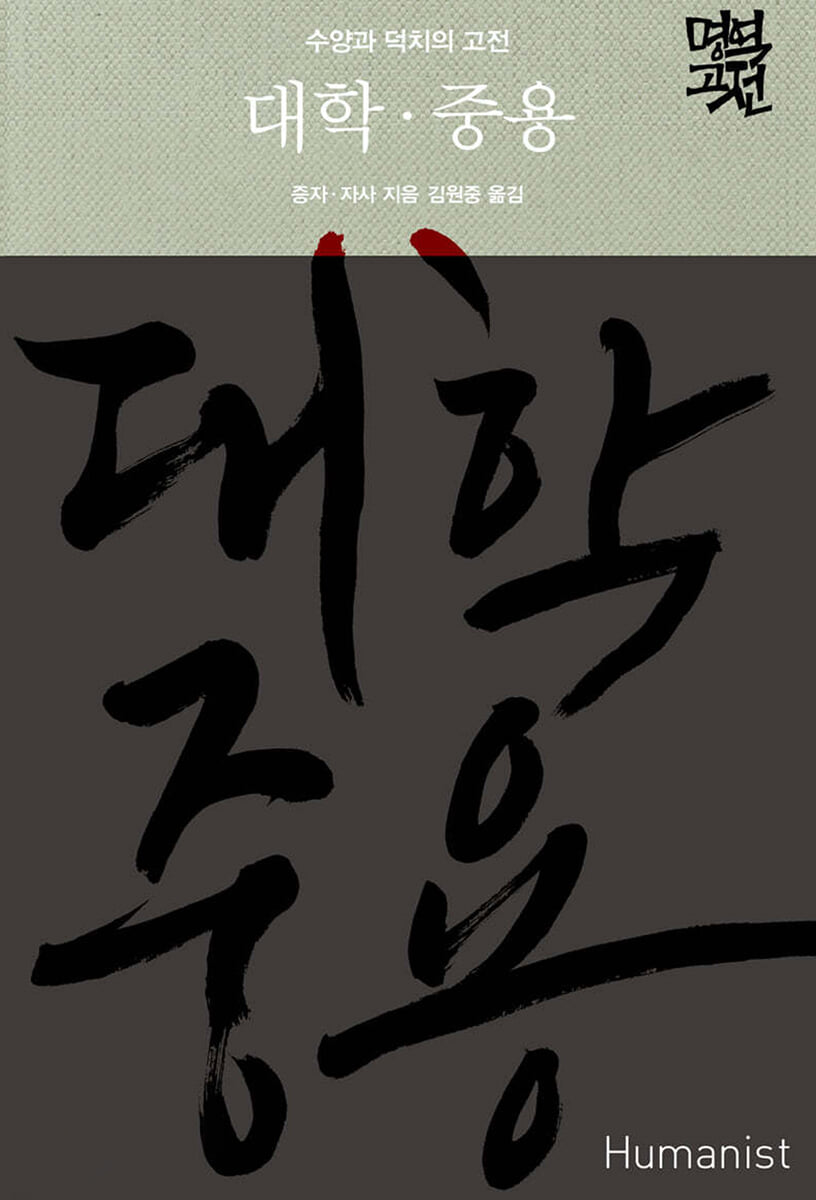
The power to explore the world without bias! Reading the Four Books: Starting in college and ending with the Doctrine of the Mean Zhu Xi, who created the ideological system that dominated East Asia, selected 『The Great Learning』 and 『The Doctrine of the Mean』 as the books that should be read first and last among the Four Books. Accordingly, 『The Great Learning』 established the direction of great study and became a book containing guidelines for governing the world, and 『The Doctrine of the Mean』 established itself as a book containing methods for achieving the Way through self-cultivation and a balanced mind, forming the foundation of Eastern thought. Professor Kim Won-joong, a master of Eastern classics, guides readers into the world of the Great Learning and the Doctrine of the Mean with translations that accurately convey the original text's meaning and rich commentary that opens up diverse avenues for interpretation. |
index
introduction
『University』
clear
Chapter 1: Zengzi's Explanation of Confucius's Words
Chapter 1: Mingmingdeok (明明德) - Illuminating Bright Virtue
Chapter 2: Renewing the People
Chapter 3: Stopping at the Ultimate Good
Chapter 4: The Root and the End
Chapter 5: Investigating Things and Gaining Knowledge - Delving into Things to Know Them
Chapter 6: Sincerity - Do your best
Chapter 7: Correcting the Mind and Cultivating the Body - Correcting the Mind and Cultivating the Body
Chapter 8: Cultivating one's self and arranging one's home - Cultivating one's self and arranging one's home
Chapter 9: Governing the Family and the State - Establishing order in the family and governing the state
Chapter 10: Governing the Country and Bringing Peace to the World
The Doctrine of the Mean
clear
Chapter 1: Zisi's Description of the Essentials Transmitted by Confucius
Chapter 2: The gentleman practices moderation, the mean man practices anti-moderation.
Chapter 3: It's Not Easy to Maintain the Doctrine of the Mean
Chapter 4: Reasons why the Tao is not practiced
Chapter 5: Confucius's Lament
Chapter 6: Why is net wages wise?
Chapter 7: Confucius's Humble Self-Evaluation
Chapter 8: The Doctrine of the Mean
Chapter 9: The Doctrine of the Mean is Very Difficult
Chapter 10: What is True Strength?
Chapter 11: Three Ways to Enter the Way
Chapter 12 The Way of the Gentleman
Chapter 13: Loyalty Does Not Deviate from the Way
Chapter 14: The Way a Gentleman Lives
Chapter 15: How to Practice the Tao
Chapter 16: The Vastness and Subtlety of the Tao
Chapter 17: The Realization of the Doctrine of the Mean: The Ideal Politics of the Pure King
Chapter 18: The Path Leading to King Wen and King Wu
Chapter 19: The Way of King Wu and the Duke of Zhou
Chapter 20: On Sincerity
Chapter 21: The Way of Heaven and the Way of Man
Chapter 22: Only by being utmost sincerity can one attain true nature.
Chapter 23: Virtue Accumulated in the Heart
Chapter 24: The Ultimate Sincerity Acts Like God
Chapter 25: On Sincerity
Chapter 26: On the Way of Heaven
Chapter 27: On the Status and Virtue of Adults
Chapter 28: If you are foolish and lack virtue, do not covet a position.
Chapter 29: Three Important Things for Being a King in the World
Chapter 30: The Way of Confucius is inherited from the sages and resembles the virtues of Heaven and Earth.
Chapter 31: Only the Virtue of Intelligence Can Align with the Way of Heaven
Chapter 32: The Ultimate Path to Heaven through Great Virtue and Donhwa
Chapter 33: The Essence of the Doctrine of the Mean
References
Search
『University』
clear
Chapter 1: Zengzi's Explanation of Confucius's Words
Chapter 1: Mingmingdeok (明明德) - Illuminating Bright Virtue
Chapter 2: Renewing the People
Chapter 3: Stopping at the Ultimate Good
Chapter 4: The Root and the End
Chapter 5: Investigating Things and Gaining Knowledge - Delving into Things to Know Them
Chapter 6: Sincerity - Do your best
Chapter 7: Correcting the Mind and Cultivating the Body - Correcting the Mind and Cultivating the Body
Chapter 8: Cultivating one's self and arranging one's home - Cultivating one's self and arranging one's home
Chapter 9: Governing the Family and the State - Establishing order in the family and governing the state
Chapter 10: Governing the Country and Bringing Peace to the World
The Doctrine of the Mean
clear
Chapter 1: Zisi's Description of the Essentials Transmitted by Confucius
Chapter 2: The gentleman practices moderation, the mean man practices anti-moderation.
Chapter 3: It's Not Easy to Maintain the Doctrine of the Mean
Chapter 4: Reasons why the Tao is not practiced
Chapter 5: Confucius's Lament
Chapter 6: Why is net wages wise?
Chapter 7: Confucius's Humble Self-Evaluation
Chapter 8: The Doctrine of the Mean
Chapter 9: The Doctrine of the Mean is Very Difficult
Chapter 10: What is True Strength?
Chapter 11: Three Ways to Enter the Way
Chapter 12 The Way of the Gentleman
Chapter 13: Loyalty Does Not Deviate from the Way
Chapter 14: The Way a Gentleman Lives
Chapter 15: How to Practice the Tao
Chapter 16: The Vastness and Subtlety of the Tao
Chapter 17: The Realization of the Doctrine of the Mean: The Ideal Politics of the Pure King
Chapter 18: The Path Leading to King Wen and King Wu
Chapter 19: The Way of King Wu and the Duke of Zhou
Chapter 20: On Sincerity
Chapter 21: The Way of Heaven and the Way of Man
Chapter 22: Only by being utmost sincerity can one attain true nature.
Chapter 23: Virtue Accumulated in the Heart
Chapter 24: The Ultimate Sincerity Acts Like God
Chapter 25: On Sincerity
Chapter 26: On the Way of Heaven
Chapter 27: On the Status and Virtue of Adults
Chapter 28: If you are foolish and lack virtue, do not covet a position.
Chapter 29: Three Important Things for Being a King in the World
Chapter 30: The Way of Confucius is inherited from the sages and resembles the virtues of Heaven and Earth.
Chapter 31: Only the Virtue of Intelligence Can Align with the Way of Heaven
Chapter 32: The Ultimate Path to Heaven through Great Virtue and Donhwa
Chapter 33: The Essence of the Doctrine of the Mean
References
Search
Detailed image

Publisher's Review
1.
The Great Learning and the Doctrine of the Mean become the dominant ideologies of Joseon.
- Why the Great Learning and the Doctrine of the Mean are the core texts of Confucianism
Everyone has heard of the expression 'Four Books and Three Classics', as the Four Books (Analects of Confucius, Mencius, Great Learning, Doctrine of the Mean) and the Three Classics (Book of Songs, Book of Documents, Book of Changes) are the classics that form the foundation of Confucian thought.
Among these, 『The Great Learning』 and 『The Doctrine of the Mean』 were originally only parts of 『Book of Rites』, but they were elevated to the status of books by Zhu Xi, who compiled Neo-Confucianism, and came to have a great status comparable to 『The Analects of Confucius』 and 『Mencius』.
Judging that the Great Learning and the Doctrine of the Mean contained the true essence of Confucian thought, Zhu Xi reclassified the existing texts and incorporated his own ideas into the two books.
He regarded the Great Learning as an introductory book for beginners and the Doctrine of the Mean as the essence of Confucianism's mind-methodology, and said that the two books should be read first and last among the Four Books.
Afterwards, 『The Great Learning』 and 『The Doctrine of the Mean』 were established as core scriptures that formed the ideological system of Joseon and, furthermore, East Asia by the new literati who accepted Zhu Xi's Neo-Confucianism as their dominant ideology.
Zhu Xi's reading method of reading the Four Books in the order of 『Great Learning』, 『Analects of Confucius』, 『Mencius』, and 『The Doctrine of the Mean』 was also accepted by Joseon scholars.
Yulgok Yi I also mentioned this in his reading guide for 『Gyeokmongyogyeol』.
This is precisely why we must examine the Great Learning and the Doctrine of the Mean in order to understand Joseon and East Asian thought.
2.
Finding civic consciousness in the Great Learning and mental balance in the Doctrine of the Mean
- The Great Learning's Guide to Great Study, The Doctrine of the Mean's Guide to a Balanced Mindset
Zhu Xi believed that the key to understanding the principle of the unity of heaven and man lies in the Great Learning and the Doctrine of the Mean.
Among these, 『The Great Learning』 is a book that provides guidelines for the reasons, purpose, attitude, and direction of studying, and suggests a path to governing society and the nation.
He explains the 'Three Gangnyeong' including Myeongmyeongdeok, Chinmin, and Jijiejiseon as the great ideology of study, and the 'Eight Articles' including Gyeogmul, Chiji, Sincerity, Jeongsim, Suseon, Jega, Gwiguk, and Pyeongcheonha in concrete ways, and unfolds the method of reaching an ideal community based on virtuous governance.
The commonly said 'cultivating one's self, arranging one's household, governing the country, and bringing peace to the world', that is, the way of a scholar who cultivates one's self, tidies up one's household, governs the country, and brings peace to the world, comes from the eight articles of the Great Learning.
The teachings of the Great Learning, which explain the method of learning to the learner, have served as an excellent guide for those beginning Confucianism throughout history.
Even today, it holds valuable significance as a classic for citizens who want to take an interest in social issues, starting with guidelines for life.
The Doctrine of the Mean is a book that permeates the ethical philosophy of Confucianism.
I urge you to maintain a mind that is not biased to either side and to always maintain the middle ground.
Compared to 『The Great Learning』, it can be said that it focuses more on personal cultivation.
To this end, we will examine how the ultimate truth, Heaven, and human nature are related, and how we can follow the virtues of nature.
Although the terms 'Doctrine of the Mean' and 'the Middle Way' are still used in everyday life and are familiar to modern people, the content of the Doctrine of the Mean is actually quite speculative and difficult to understand.
Confucius also tried to reach the realm of the Doctrine of the Mean, and Zhu Xi also said that it was difficult. The sages of the past were dedicated to understanding the profound meaning of the Doctrine of the Mean.
This book, which embodies the virtues of moderation and sincerity, offers profound insights to scholars hundreds of years ago and to us today.
The Doctrine of the Mean is a precious classic that teaches us the wisdom to cultivate inner strength and live in a balanced way.
It is meaningful to read 『The Great Learning』 as an introductory book to studying abroad.
How should we read the Great Learning? Above all, it reminds us that self-cultivation and household management are crucial to practical politics.
It shows a depth that cannot be neglected in any single sentence, such as warning against the bias of filial love, warning against distorted material desires, and warning that those in power must use their wealth in the right places.
Isn't it therefore the case that many intellectuals of the Joseon Dynasty, including Yulgok Yi I, Kim Jang-saeng, and Yun Hyu, left commentaries or interpretations that expanded the meaning of this book?
- From the 'Preface' (page 6)
The term 'Doctrine of the Mean', which perfects human virtue by today's standards, can easily be interpreted as a biased viewpoint that is neither here nor there, but in the middle.
But that comes from not understanding the full meaning and scope of ‘the Doctrine of the Mean.’
Those who know the method and effect of 'the Doctrine of the Mean' must be free from the restraint of emotions, that is, from 'what they want to do' and 'what they do'.
It may sound paradoxical, but in these days when we struggle to express ourselves and control our emotions, the meaning of the word 'moderate' is very refreshing.
Rather, even if it may seem a bit frustrating, quietly reflecting on your inner self and building your own strength may be the way to live while savoring the long breath of life.
- From the 'Explanation of the Doctrine of the Mean' (page 117)
3.
Reading the Great Learning and the Doctrine of the Mean through fluent Korean and over 350 notes
- The profound taste of 『The Great Learning』 and 『The Doctrine of the Mean』 presented by Professor Kim Won-joong, a master of Eastern classics
Beginning with the publication of 『Han Feizi』 in 2016, the [Professor Kim Won-joong's Classics of Our Time Translations] series, which continued with 『The Art of War』, 『The Mirror of Mind』, 『The Analects of Confucius』, and 『The Tao Te Ching』, has now established itself as a representative series of Oriental classics that readers trust and purchase in bookstores.
The eighth book in the Myeongyak Classics series, 『The Great Learning and the Doctrine of the Mean』, is particularly rich in short and concise passages, making the translation by Professor Kim Won-joong, a master of Oriental classics, shine even brighter, conveying the precise meaning in concise Korean without distorting the original text's meaning.
In addition to the neat translation, the commentary and annotation that outline the entire contents of the 『Great Learning』 and 『The Doctrine of the Mean』 and provide a direction for reading, and the various views of ancient and modern commentators such as Zhu Xi, Jeong Ho and Jeong I, Gong Yeong-dal, and Jeong Yak-yong are introduced, opening up a rich path for interpretation, helping readers easily understand the potentially difficult 『Great Learning』 and 『The Doctrine of the Mean』.
The Great Learning and the Doctrine of the Mean become the dominant ideologies of Joseon.
- Why the Great Learning and the Doctrine of the Mean are the core texts of Confucianism
Everyone has heard of the expression 'Four Books and Three Classics', as the Four Books (Analects of Confucius, Mencius, Great Learning, Doctrine of the Mean) and the Three Classics (Book of Songs, Book of Documents, Book of Changes) are the classics that form the foundation of Confucian thought.
Among these, 『The Great Learning』 and 『The Doctrine of the Mean』 were originally only parts of 『Book of Rites』, but they were elevated to the status of books by Zhu Xi, who compiled Neo-Confucianism, and came to have a great status comparable to 『The Analects of Confucius』 and 『Mencius』.
Judging that the Great Learning and the Doctrine of the Mean contained the true essence of Confucian thought, Zhu Xi reclassified the existing texts and incorporated his own ideas into the two books.
He regarded the Great Learning as an introductory book for beginners and the Doctrine of the Mean as the essence of Confucianism's mind-methodology, and said that the two books should be read first and last among the Four Books.
Afterwards, 『The Great Learning』 and 『The Doctrine of the Mean』 were established as core scriptures that formed the ideological system of Joseon and, furthermore, East Asia by the new literati who accepted Zhu Xi's Neo-Confucianism as their dominant ideology.
Zhu Xi's reading method of reading the Four Books in the order of 『Great Learning』, 『Analects of Confucius』, 『Mencius』, and 『The Doctrine of the Mean』 was also accepted by Joseon scholars.
Yulgok Yi I also mentioned this in his reading guide for 『Gyeokmongyogyeol』.
This is precisely why we must examine the Great Learning and the Doctrine of the Mean in order to understand Joseon and East Asian thought.
2.
Finding civic consciousness in the Great Learning and mental balance in the Doctrine of the Mean
- The Great Learning's Guide to Great Study, The Doctrine of the Mean's Guide to a Balanced Mindset
Zhu Xi believed that the key to understanding the principle of the unity of heaven and man lies in the Great Learning and the Doctrine of the Mean.
Among these, 『The Great Learning』 is a book that provides guidelines for the reasons, purpose, attitude, and direction of studying, and suggests a path to governing society and the nation.
He explains the 'Three Gangnyeong' including Myeongmyeongdeok, Chinmin, and Jijiejiseon as the great ideology of study, and the 'Eight Articles' including Gyeogmul, Chiji, Sincerity, Jeongsim, Suseon, Jega, Gwiguk, and Pyeongcheonha in concrete ways, and unfolds the method of reaching an ideal community based on virtuous governance.
The commonly said 'cultivating one's self, arranging one's household, governing the country, and bringing peace to the world', that is, the way of a scholar who cultivates one's self, tidies up one's household, governs the country, and brings peace to the world, comes from the eight articles of the Great Learning.
The teachings of the Great Learning, which explain the method of learning to the learner, have served as an excellent guide for those beginning Confucianism throughout history.
Even today, it holds valuable significance as a classic for citizens who want to take an interest in social issues, starting with guidelines for life.
The Doctrine of the Mean is a book that permeates the ethical philosophy of Confucianism.
I urge you to maintain a mind that is not biased to either side and to always maintain the middle ground.
Compared to 『The Great Learning』, it can be said that it focuses more on personal cultivation.
To this end, we will examine how the ultimate truth, Heaven, and human nature are related, and how we can follow the virtues of nature.
Although the terms 'Doctrine of the Mean' and 'the Middle Way' are still used in everyday life and are familiar to modern people, the content of the Doctrine of the Mean is actually quite speculative and difficult to understand.
Confucius also tried to reach the realm of the Doctrine of the Mean, and Zhu Xi also said that it was difficult. The sages of the past were dedicated to understanding the profound meaning of the Doctrine of the Mean.
This book, which embodies the virtues of moderation and sincerity, offers profound insights to scholars hundreds of years ago and to us today.
The Doctrine of the Mean is a precious classic that teaches us the wisdom to cultivate inner strength and live in a balanced way.
It is meaningful to read 『The Great Learning』 as an introductory book to studying abroad.
How should we read the Great Learning? Above all, it reminds us that self-cultivation and household management are crucial to practical politics.
It shows a depth that cannot be neglected in any single sentence, such as warning against the bias of filial love, warning against distorted material desires, and warning that those in power must use their wealth in the right places.
Isn't it therefore the case that many intellectuals of the Joseon Dynasty, including Yulgok Yi I, Kim Jang-saeng, and Yun Hyu, left commentaries or interpretations that expanded the meaning of this book?
- From the 'Preface' (page 6)
The term 'Doctrine of the Mean', which perfects human virtue by today's standards, can easily be interpreted as a biased viewpoint that is neither here nor there, but in the middle.
But that comes from not understanding the full meaning and scope of ‘the Doctrine of the Mean.’
Those who know the method and effect of 'the Doctrine of the Mean' must be free from the restraint of emotions, that is, from 'what they want to do' and 'what they do'.
It may sound paradoxical, but in these days when we struggle to express ourselves and control our emotions, the meaning of the word 'moderate' is very refreshing.
Rather, even if it may seem a bit frustrating, quietly reflecting on your inner self and building your own strength may be the way to live while savoring the long breath of life.
- From the 'Explanation of the Doctrine of the Mean' (page 117)
3.
Reading the Great Learning and the Doctrine of the Mean through fluent Korean and over 350 notes
- The profound taste of 『The Great Learning』 and 『The Doctrine of the Mean』 presented by Professor Kim Won-joong, a master of Eastern classics
Beginning with the publication of 『Han Feizi』 in 2016, the [Professor Kim Won-joong's Classics of Our Time Translations] series, which continued with 『The Art of War』, 『The Mirror of Mind』, 『The Analects of Confucius』, and 『The Tao Te Ching』, has now established itself as a representative series of Oriental classics that readers trust and purchase in bookstores.
The eighth book in the Myeongyak Classics series, 『The Great Learning and the Doctrine of the Mean』, is particularly rich in short and concise passages, making the translation by Professor Kim Won-joong, a master of Oriental classics, shine even brighter, conveying the precise meaning in concise Korean without distorting the original text's meaning.
In addition to the neat translation, the commentary and annotation that outline the entire contents of the 『Great Learning』 and 『The Doctrine of the Mean』 and provide a direction for reading, and the various views of ancient and modern commentators such as Zhu Xi, Jeong Ho and Jeong I, Gong Yeong-dal, and Jeong Yak-yong are introduced, opening up a rich path for interpretation, helping readers easily understand the potentially difficult 『Great Learning』 and 『The Doctrine of the Mean』.
GOODS SPECIFICS
- Publication date: April 13, 2020
- Format: Hardcover book binding method guide
- Page count, weight, size: 284 pages | 460g | 140*210*20mm
- ISBN13: 9791160803815
- ISBN10: 1160803811
You may also like
카테고리
korean


korean

![GQ KOREA Mark (Monthly): December [2025]](http://librairie.coreenne.fr/cdn/shop/files/8ef265dbbfbf186523ed75ba7319009d.jpg?v=1765340328&width=3840)


