

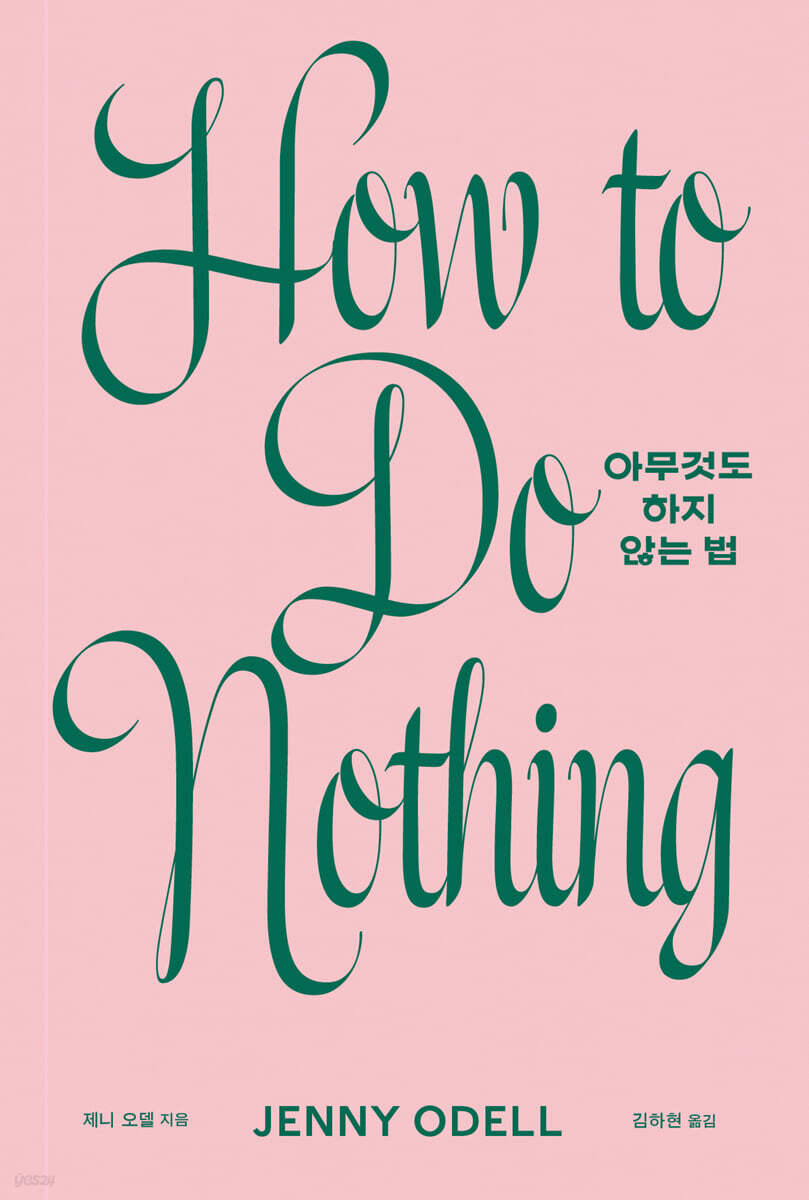
How to do nothing
 |
Description
Book Introduction
“Doing nothing is putting down your phone and staying still.” Jenny Odell, author of “How to Do Nothing,” suggests that we reclaim our attention from the attention economy, including social media, and expand it in other directions.
What we should be focusing on is not small, square devices, but the space-time of the real world.
The author, who considers birdwatching an antidote and spends much of his time in the park, vividly unfolds a world that expands when we pay attention, weaving together various examples from his own experiences, art, philosophy, and history in a poetic style.
Jenny Odell's captivating debut, with her warm and clear voice, was recommended by Barack Obama and became a New York Times bestseller, reaching a wide readership.
What we should be focusing on is not small, square devices, but the space-time of the real world.
The author, who considers birdwatching an antidote and spends much of his time in the park, vividly unfolds a world that expands when we pay attention, weaving together various examples from his own experiences, art, philosophy, and history in a poetic style.
Jenny Odell's captivating debut, with her warm and clear voice, was recommended by Barack Obama and became a New York Times bestseller, reaching a wide readership.
- You can preview some of the book's contents.
Preview
index
Seomun Kim Bo-ra, director of the film "Hummingbird"
On the Usefulness of Uselessness
Chapter 1: The Defense of Doing Nothing
Chapter 2: Ghosts of a Simple World
Chapter 3: The Art of Refusal
Chapter 4: Paying Attention Practice
Chapter 5: The Ecosystem of Strangers
Chapter 6: Restoring the Foundation of Thought
Coming out and clear dissolution
Acknowledgements
Haeje Choi Tae-yoon, artist
main
Search
On the Usefulness of Uselessness
Chapter 1: The Defense of Doing Nothing
Chapter 2: Ghosts of a Simple World
Chapter 3: The Art of Refusal
Chapter 4: Paying Attention Practice
Chapter 5: The Ecosystem of Strangers
Chapter 6: Restoring the Foundation of Thought
Coming out and clear dissolution
Acknowledgements
Haeje Choi Tae-yoon, artist
main
Search
Detailed image
Into the book
Ironically, the book, titled "How to Do Nothing," is a kind of action plan.
I suggest reimagining #FOMO (fear of missing out) as #NOMO (the need to miss out), or if that makes you feel even more uncomfortable, #NOSMO (the need to miss out sometimes).
Doing nothing is just staying still to be aware of what is actually there.
Parks offer us space to 'do nothing' and time to dwell on various scales of interest.
I've always thought it was a funny contradiction to say that I watch birds.
Because more than half of bird watching is listening to the birds' sounds.
Bird watching is the opposite of looking something up online.
I distinctly remember the day I felt comforted by the presence of these strange birds.
I looked up from the whirlwind of debates on Twitter that day and saw two seagulls with huge beaks and laser-red eyes still there.
Through the act of paying attention, we hear someone, see someone, and decide who has agency in our world.
Interest forms the basis not only of love but also of ethics.
Hockney and countless other artists offer us a kind of prosthetic limb of attention.
The idea behind this is that familiar surroundings nearby deserve as much attention as the sacred works we see in art galleries.
I argue for a perspective on self and identity that is the polar opposite of personal branding.
This self is an unstable self that changes shape depending on interactions with other people or places.
I believe that shifting our focus away from technology and toward a deeper engagement with the places we inhabit can lead to a greater awareness of ourselves as part of history and a community of humans and non-humans.
The healthy social network I imagine is a space of phenomena.
This is a space where face-to-face encounters and encounters through media, such as long-term walks with friends, phone calls, conversations in secret chat rooms, and neighborhood gatherings, are combined.
I propose that we protect our space and time for non-instrumental and non-commercial activities and thoughts, for maintenance and preservation, for care, and for the joy of being together.
I propose a fierce defense of our human animality against all technologies that actively ignore and despise our bodies, the bodies of other beings, and the bodies of the landscapes in which we live.
Your eyes, your hands, your breath as you read this, this moment, the place where you are reading this book.
These are real.
I'm real too.
I am not an avatar, a combination of tastes, or a smooth cognitive process.
I am bumpy and porous.
I am an animal.
In a world where other living beings see, hear, and smell me, I also see, hear, and smell.
It takes time to remember this fact.
A time to do nothing, a time to simply listen, a time to remember with our deepest senses what we are now.
I suggest reimagining #FOMO (fear of missing out) as #NOMO (the need to miss out), or if that makes you feel even more uncomfortable, #NOSMO (the need to miss out sometimes).
Doing nothing is just staying still to be aware of what is actually there.
Parks offer us space to 'do nothing' and time to dwell on various scales of interest.
I've always thought it was a funny contradiction to say that I watch birds.
Because more than half of bird watching is listening to the birds' sounds.
Bird watching is the opposite of looking something up online.
I distinctly remember the day I felt comforted by the presence of these strange birds.
I looked up from the whirlwind of debates on Twitter that day and saw two seagulls with huge beaks and laser-red eyes still there.
Through the act of paying attention, we hear someone, see someone, and decide who has agency in our world.
Interest forms the basis not only of love but also of ethics.
Hockney and countless other artists offer us a kind of prosthetic limb of attention.
The idea behind this is that familiar surroundings nearby deserve as much attention as the sacred works we see in art galleries.
I argue for a perspective on self and identity that is the polar opposite of personal branding.
This self is an unstable self that changes shape depending on interactions with other people or places.
I believe that shifting our focus away from technology and toward a deeper engagement with the places we inhabit can lead to a greater awareness of ourselves as part of history and a community of humans and non-humans.
The healthy social network I imagine is a space of phenomena.
This is a space where face-to-face encounters and encounters through media, such as long-term walks with friends, phone calls, conversations in secret chat rooms, and neighborhood gatherings, are combined.
I propose that we protect our space and time for non-instrumental and non-commercial activities and thoughts, for maintenance and preservation, for care, and for the joy of being together.
I propose a fierce defense of our human animality against all technologies that actively ignore and despise our bodies, the bodies of other beings, and the bodies of the landscapes in which we live.
Your eyes, your hands, your breath as you read this, this moment, the place where you are reading this book.
These are real.
I'm real too.
I am not an avatar, a combination of tastes, or a smooth cognitive process.
I am bumpy and porous.
I am an animal.
In a world where other living beings see, hear, and smell me, I also see, hear, and smell.
It takes time to remember this fact.
A time to do nothing, a time to simply listen, a time to remember with our deepest senses what we are now.
--- From the text
Publisher's Review
Take your eyes back from your phone
To rediscover the vitality of the world I live in
The defense of doing nothing
American artist and educator Jenny Odell spends a lot of time in her rose garden near her home, away from the online world of politically manipulated information that has flooded her since Donald Trump's election.
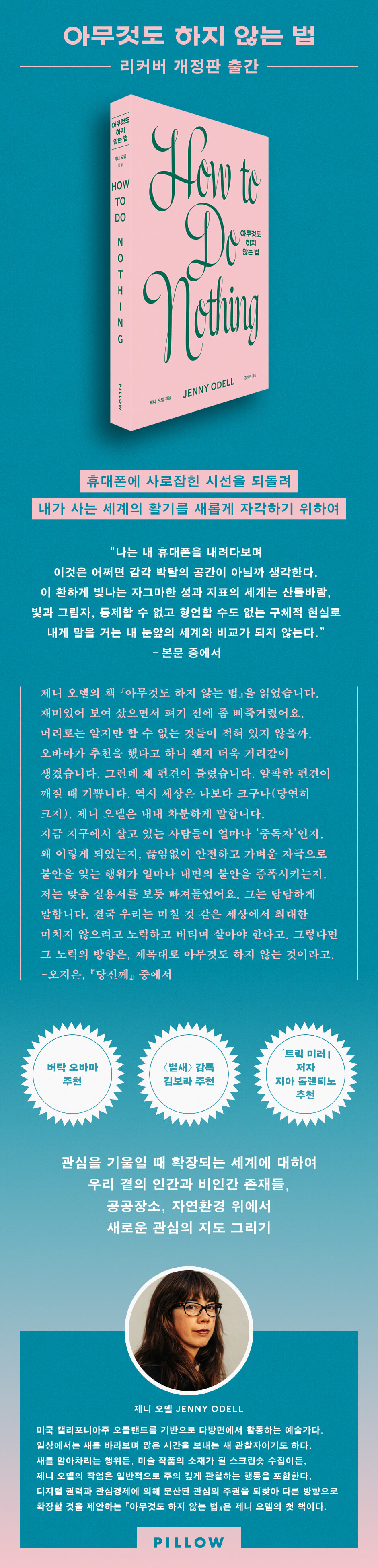
Also, time spent observing birds (or, as the author puts it, 'noticing' birds) is considered an antidote.
Through these moments, Jenny Odell comes to understand what was bothering her about her social media experience and realizes that she needs real ground to keep her feet on the ground.
“If I looked up from the whirlwind of debates on Twitter that day, there were two herons with huge beaks and laser-red eyes still there.” Jenny Odell also revisits the meaning of personal brand, self-concept, and commercialized self-care that put pressure on us to do something 24/7, and suggests that we create a restorative space of ‘doing nothing’ to think, reflect, and heal, both individually and collectively.
The "doing nothing" the author speaks of is not a listless escape, but rather an active action, closer to laying the groundwork for doing something important.
To change the path of interest
‘Attention’ is the main keyword of this book.
The 'attention economy' represented by social media uses human attention as a tool to make profits.
Social media use is never free, and the currency that drives the attention economy is none other than our attention.
We spend a lot of time looking at context-free information or fragments of other people's lives floating around the internet.
Social media forces us to do nothing by presenting provocative content that provokes anger and anxiety in order to hold our attention longer.
Jenny Odell says it's urgent to reclaim the sovereignty of our attention, which we've been captivated by without even realizing it, and transplant it elsewhere.
“I'm more interested in mass shifting of attention than mass quitting Facebook or Twitter.
What would happen if people took back control of their attention and collectively began to direct it elsewhere? Jenny Odell goes on to imagine an ideal form of social networking that neither threatens humanity nor devalues context.
How to rediscover the vitality of the world I live in
So where should our attention be directed? Jenny Odell suggests we turn away from our phones and map new attention on the human and nonhuman beings around us, public spaces, and the natural environment.
It takes strong will and discipline to recognize the things that are close by but never visible unless you pay attention: the birds that visit my apartment balcony, the river that flows near my house, my neighbors who need my help, the history of resistance in my local park or library.
And the world we finally encounter through this training is vibrant.
“The strange animalistic perspective that looked at me and the world we shared not only provided me with a refuge from the anxieties of the present age, but also reminded me of my own animality and the vitality of the world I inhabit.
“The flight of birds literally gave wings to my imagination.”
Jenny Odell's 'placefulness' means recognizing and caring for the place where you live, just as you care for your mind through 'mindfulness'.
When we have ecological sensitivity and responsibility for the places we live in, we can live in a wonderfully vibrant and loving world.
“I look down at my phone and think, maybe this is a space of sensory deprivation.
“This world of tiny, brightly shining performance indicators is nothing compared to the world before my eyes, which speaks to me with its breezes, its light and shadows, its uncontrollable, ineffable concrete realities.”
To rediscover the vitality of the world I live in
The defense of doing nothing
American artist and educator Jenny Odell spends a lot of time in her rose garden near her home, away from the online world of politically manipulated information that has flooded her since Donald Trump's election.
Also, time spent observing birds (or, as the author puts it, 'noticing' birds) is considered an antidote.
Through these moments, Jenny Odell comes to understand what was bothering her about her social media experience and realizes that she needs real ground to keep her feet on the ground.
“If I looked up from the whirlwind of debates on Twitter that day, there were two herons with huge beaks and laser-red eyes still there.” Jenny Odell also revisits the meaning of personal brand, self-concept, and commercialized self-care that put pressure on us to do something 24/7, and suggests that we create a restorative space of ‘doing nothing’ to think, reflect, and heal, both individually and collectively.
The "doing nothing" the author speaks of is not a listless escape, but rather an active action, closer to laying the groundwork for doing something important.
To change the path of interest
‘Attention’ is the main keyword of this book.
The 'attention economy' represented by social media uses human attention as a tool to make profits.
Social media use is never free, and the currency that drives the attention economy is none other than our attention.
We spend a lot of time looking at context-free information or fragments of other people's lives floating around the internet.
Social media forces us to do nothing by presenting provocative content that provokes anger and anxiety in order to hold our attention longer.
Jenny Odell says it's urgent to reclaim the sovereignty of our attention, which we've been captivated by without even realizing it, and transplant it elsewhere.
“I'm more interested in mass shifting of attention than mass quitting Facebook or Twitter.
What would happen if people took back control of their attention and collectively began to direct it elsewhere? Jenny Odell goes on to imagine an ideal form of social networking that neither threatens humanity nor devalues context.
How to rediscover the vitality of the world I live in
So where should our attention be directed? Jenny Odell suggests we turn away from our phones and map new attention on the human and nonhuman beings around us, public spaces, and the natural environment.
It takes strong will and discipline to recognize the things that are close by but never visible unless you pay attention: the birds that visit my apartment balcony, the river that flows near my house, my neighbors who need my help, the history of resistance in my local park or library.
And the world we finally encounter through this training is vibrant.
“The strange animalistic perspective that looked at me and the world we shared not only provided me with a refuge from the anxieties of the present age, but also reminded me of my own animality and the vitality of the world I inhabit.
“The flight of birds literally gave wings to my imagination.”
Jenny Odell's 'placefulness' means recognizing and caring for the place where you live, just as you care for your mind through 'mindfulness'.
When we have ecological sensitivity and responsibility for the places we live in, we can live in a wonderfully vibrant and loving world.
“I look down at my phone and think, maybe this is a space of sensory deprivation.
“This world of tiny, brightly shining performance indicators is nothing compared to the world before my eyes, which speaks to me with its breezes, its light and shadows, its uncontrollable, ineffable concrete realities.”
GOODS SPECIFICS
- Date of issue: June 26, 2023
- Page count, weight, size: 380 pages | 450g | 135*200*25mm
- ISBN13: 9791197559655
- ISBN10: 1197559655
You may also like
카테고리
korean


korean

![GQ KOREA Mark (Monthly): December [2025]](http://librairie.coreenne.fr/cdn/shop/files/8ef265dbbfbf186523ed75ba7319009d.jpg?v=1765340328&width=3840)


