

Genealogy of the Gods
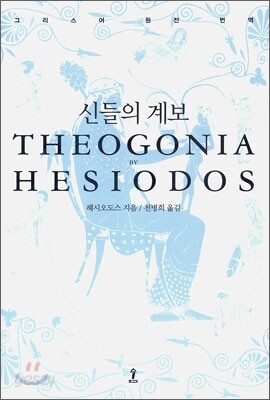 |
Description
Book Introduction
Hesiod's representative works, "Theogony," "Works and Days," "List of Women," and "The Shield of Heracles" are included.
"The Genealogy of the Gods" systematically describes how all things in the universe came into being, and how human nature and the characteristics of complex societies arose.
With unique depth and primal power, it sings about the creation of the universe, the origin of life, and especially where humans came from.
As he explains the principles of creation of the universe through various metaphors and imagination, everything around him becomes a system that is understandable rather than unfamiliar to humanity.
In "Works and Days," the perspective of "implementation of justice," which is the main theme of "Theogony," is connected to the "sacredness of labor," and in "The List of Women," which is another report on Greek culture and is mentioned countless times in various literature, it talks about women who were loved by the gods and became mothers of heroes.
The "Shield of Hercules," which shows off the powerful appearance of a hero who overcame hardship, is also included.
"The Genealogy of the Gods" systematically describes how all things in the universe came into being, and how human nature and the characteristics of complex societies arose.
With unique depth and primal power, it sings about the creation of the universe, the origin of life, and especially where humans came from.
As he explains the principles of creation of the universe through various metaphors and imagination, everything around him becomes a system that is understandable rather than unfamiliar to humanity.
In "Works and Days," the perspective of "implementation of justice," which is the main theme of "Theogony," is connected to the "sacredness of labor," and in "The List of Women," which is another report on Greek culture and is mentioned countless times in various literature, it talks about women who were loved by the gods and became mothers of heroes.
The "Shield of Hercules," which shows off the powerful appearance of a hero who overcame hardship, is also included.
- You can preview some of the book's contents.
Preview
index
Translator's Preface / The most authoritative text on the birth of the universe and the gods
Genealogy of the Gods
Work and day
Shield of Hercules
List of women
Major gods of Greek mythology
Family tree of major gods and heroes
Understanding Hesiod's Works
References
Search
Genealogy of the Gods
Work and day
Shield of Hercules
List of women
Major gods of Greek mythology
Family tree of major gods and heroes
Understanding Hesiod's Works
References
Search
Publisher's Review
"Theogony," which provided the Greeks with a genealogy of the gods, is now published in its original translation.
It wasn't long ago that interest in Greek and Roman mythology began to spread widely in our country.
Perhaps because of this, few people know which book contains such a story, and few readers have read it as a primary source.
If you're truly curious about how the ancient Greeks compiled such a vast collection of stories about their gods, you might want to read Hesiod's "Theogony."
The historian Herodotus claims that it was Homer and Hesiod who created gods for the Greeks.
These two poets wrote epics about the gods around the same time (8th century BC), but while Homer focused on the stories of heroes rather than gods, providing role models for humans, Hesiod devoted himself to organizing a clear genealogy of gods and heroes.
However, compared to Homer's massive epics, "Iliad" or "Odyssey," Hesiod's "Theogony" and "Works and Days" are short and even feel unrefined.
So why did the Greeks admire Hesiod as a unique poet on par with Homer?
The most striking feature of Greek mythology is its detailed and extensive genealogy from gods to heroes.
The reason simple folk tales and legends could be developed into a narrative system like a powerfully flowing river, unlike the myths of other peoples, is because Hesiod systematically organized the complex stories of the gods that had been passed down orally in fragments into the "Theogony".
It may seem like nothing special, but in the days before the "Genealogy of the Gods," individual tales that were separate and scattered were able to develop into a unified entity with organic relationships.
This is the unique achievement of the poet Hesiod.
Within this unified genealogy, the characters of Greek mythology gained their own names and their own time and space of activity, coming to life and moving as if they were real people. They were divided into various kinship groups according to elaborate genealogies, and formed relationships with each other to form a large society.
Thus, the social organization of Greek mythology, consisting of gods and heroes, has been passed down to this day and serves as a source of artistic inspiration for mankind.
This book contains Hesiod's representative works, "Theogony," "Works and Days," "List of Women," and "The Shield of Heracles."
"The Genealogy of the Gods" systematically describes how all things in the universe came into being, and how human nature and the characteristics of complex societies arose.
With unique depth and primal power, it sings about the creation of the universe, the origin of life, and especially where humans came from.
By using various metaphors and imagination to explain the principles of creation of the universe, everything around him became a system that was understandable to humanity rather than something unfamiliar.
The original form of the myth that cannot be found in the Iliad is contained intact in Hesiod's Theogony.
The "Genealogy of the Gods" is also the oldest document regarding the myths of Pandora, the so-called first woman, and her box; Zeus killing Cronus; Aphrodite born from Cronus's semen; Eros (later to become Aphrodite's son) who became one of the origins of the creation of the world; and Prometheus who stole fire for mankind.
Hesiod describes the genealogy of the gods from a specific perspective: the realization of justice.
According to him, the reason Zeus stands tall as the supreme god as the king of gods and men is because he was a truly just god.
Therefore, in "Theogony," Zeus's war with the Titans is depicted not as a result of his own ambition, but as a just war against injustice.
Hesiod's intention in drawing the genealogy of the gods was to explain the process of establishing a just world order through the creation of all things and Zeus's conquest of power.
I wanted to describe the ‘ethical attitude of humans’ in the world that was created in that way.
This perspective continues in his next work, "Work and Day."
In "Work and Day," the perspective of "implementation of justice," which is the main theme of "The Genealogy of the Gods," is connected to the "sacredness of labor."
After discussing the creation of the universe and the order of the gods, Hesiod now felt the need to turn his attention to human life.
The background that led Hesiod to write this work was a dispute over inheritance in which his younger brother Perses squandered his father's property, which he had inherited and shared with his older brother Hesiod, and then colluded with the judges to unfairly seize his own property.
That is why this work is written in the form of admonishing and admonishing his lazy and dishonest younger brother, Perses, to live diligently and justly.
Although it was unique for its time in that the poet's 'personal history' appeared in the work, it contained universal content preaching the importance of justice and labor in human life.
He advises us to live righteously, and at the same time to earn our own money rather than covet other people's property.
In addition, they teach farming methods and social life methods.
Another report on Greek culture, and mentioned countless times in various texts, the "List of Women" tells of women who were loved by the gods and became mothers of heroes.
The "Shield of Hercules," which shows off the powerful appearance of a hero who overcame hardship, is also included.
It wasn't long ago that interest in Greek and Roman mythology began to spread widely in our country.
Perhaps because of this, few people know which book contains such a story, and few readers have read it as a primary source.
If you're truly curious about how the ancient Greeks compiled such a vast collection of stories about their gods, you might want to read Hesiod's "Theogony."
The historian Herodotus claims that it was Homer and Hesiod who created gods for the Greeks.
These two poets wrote epics about the gods around the same time (8th century BC), but while Homer focused on the stories of heroes rather than gods, providing role models for humans, Hesiod devoted himself to organizing a clear genealogy of gods and heroes.
However, compared to Homer's massive epics, "Iliad" or "Odyssey," Hesiod's "Theogony" and "Works and Days" are short and even feel unrefined.
So why did the Greeks admire Hesiod as a unique poet on par with Homer?
The most striking feature of Greek mythology is its detailed and extensive genealogy from gods to heroes.
The reason simple folk tales and legends could be developed into a narrative system like a powerfully flowing river, unlike the myths of other peoples, is because Hesiod systematically organized the complex stories of the gods that had been passed down orally in fragments into the "Theogony".
It may seem like nothing special, but in the days before the "Genealogy of the Gods," individual tales that were separate and scattered were able to develop into a unified entity with organic relationships.
This is the unique achievement of the poet Hesiod.
Within this unified genealogy, the characters of Greek mythology gained their own names and their own time and space of activity, coming to life and moving as if they were real people. They were divided into various kinship groups according to elaborate genealogies, and formed relationships with each other to form a large society.
Thus, the social organization of Greek mythology, consisting of gods and heroes, has been passed down to this day and serves as a source of artistic inspiration for mankind.
This book contains Hesiod's representative works, "Theogony," "Works and Days," "List of Women," and "The Shield of Heracles."
"The Genealogy of the Gods" systematically describes how all things in the universe came into being, and how human nature and the characteristics of complex societies arose.
With unique depth and primal power, it sings about the creation of the universe, the origin of life, and especially where humans came from.
By using various metaphors and imagination to explain the principles of creation of the universe, everything around him became a system that was understandable to humanity rather than something unfamiliar.
The original form of the myth that cannot be found in the Iliad is contained intact in Hesiod's Theogony.
The "Genealogy of the Gods" is also the oldest document regarding the myths of Pandora, the so-called first woman, and her box; Zeus killing Cronus; Aphrodite born from Cronus's semen; Eros (later to become Aphrodite's son) who became one of the origins of the creation of the world; and Prometheus who stole fire for mankind.
Hesiod describes the genealogy of the gods from a specific perspective: the realization of justice.
According to him, the reason Zeus stands tall as the supreme god as the king of gods and men is because he was a truly just god.
Therefore, in "Theogony," Zeus's war with the Titans is depicted not as a result of his own ambition, but as a just war against injustice.
Hesiod's intention in drawing the genealogy of the gods was to explain the process of establishing a just world order through the creation of all things and Zeus's conquest of power.
I wanted to describe the ‘ethical attitude of humans’ in the world that was created in that way.
This perspective continues in his next work, "Work and Day."
In "Work and Day," the perspective of "implementation of justice," which is the main theme of "The Genealogy of the Gods," is connected to the "sacredness of labor."
After discussing the creation of the universe and the order of the gods, Hesiod now felt the need to turn his attention to human life.
The background that led Hesiod to write this work was a dispute over inheritance in which his younger brother Perses squandered his father's property, which he had inherited and shared with his older brother Hesiod, and then colluded with the judges to unfairly seize his own property.
That is why this work is written in the form of admonishing and admonishing his lazy and dishonest younger brother, Perses, to live diligently and justly.
Although it was unique for its time in that the poet's 'personal history' appeared in the work, it contained universal content preaching the importance of justice and labor in human life.
He advises us to live righteously, and at the same time to earn our own money rather than covet other people's property.
In addition, they teach farming methods and social life methods.
Another report on Greek culture, and mentioned countless times in various texts, the "List of Women" tells of women who were loved by the gods and became mothers of heroes.
The "Shield of Hercules," which shows off the powerful appearance of a hero who overcame hardship, is also included.
GOODS SPECIFICS
- Date of issue: September 15, 2009
- Page count, weight, size: 328 pages | 693g | 153*224*30mm
- ISBN13: 9788991290297
- ISBN10: 8991290299
You may also like
카테고리
korean


korean

![GQ KOREA Mark (Monthly): December [2025]](http://librairie.coreenne.fr/cdn/shop/files/8ef265dbbfbf186523ed75ba7319009d.jpg?v=1765340328&width=3840)


