

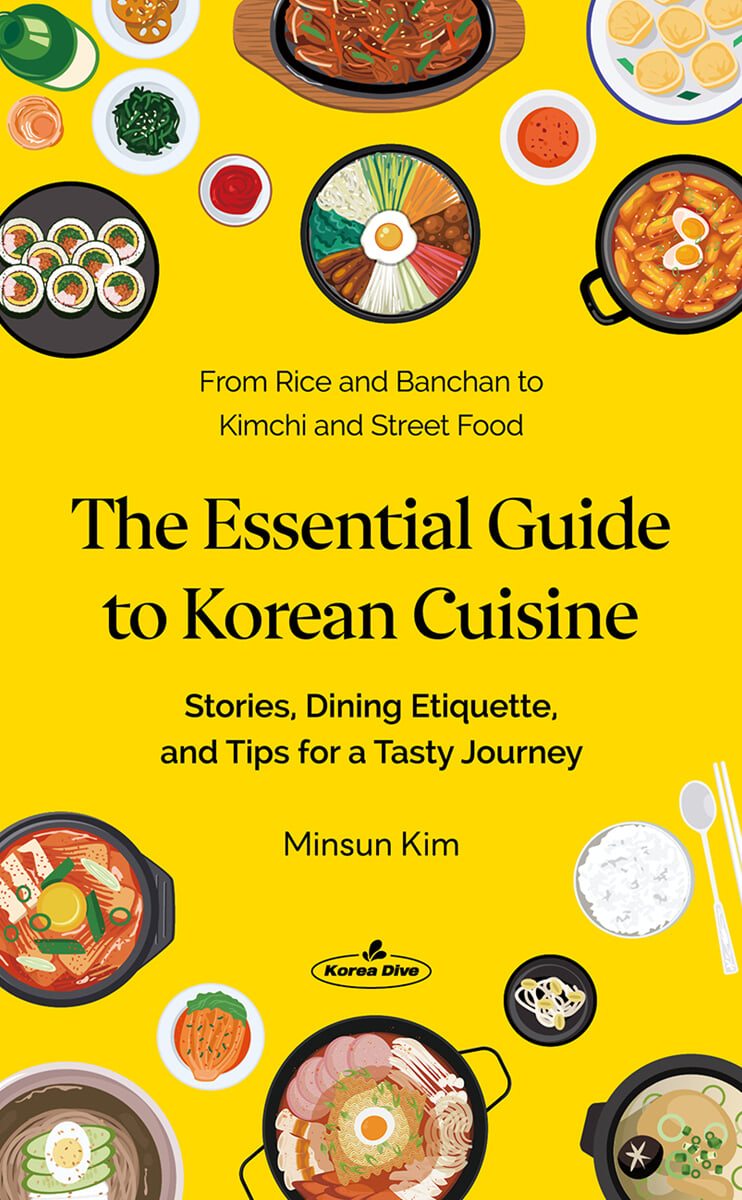
The Essential Guide to Korean Cuisine
 |
Description
Book Introduction
Kimchi, samgyeopsal, chimaek, tteokbokki, kimbap, bulgogi… Korean food is gaining popularity around the world—but what do Koreans actually enjoy eating in their daily lives? And what's the real story behind all those tempting photos and viral videos on social media? This book offers a fun, behind-the-scenes look at Korean food and the unique culture that comes with it.
Kimchi, samgyeopsal, chicken and beer, tteokbokki, kimbap, bulgogi… Korean food is popular all over the world.
But what are the foods that Koreans actually enjoy eating on a daily basis? And what real stories lie behind the glamorous K-food photos and videos we see on social media? This book humorously unravels the allure of Korean food and the unique culture surrounding it, taking you on a fascinating journey that delves into its hidden side.
Kimchi, samgyeopsal, chicken and beer, tteokbokki, kimbap, bulgogi… Korean food is popular all over the world.
But what are the foods that Koreans actually enjoy eating on a daily basis? And what real stories lie behind the glamorous K-food photos and videos we see on social media? This book humorously unravels the allure of Korean food and the unique culture surrounding it, taking you on a fascinating journey that delves into its hidden side.
- You can preview some of the book's contents.
Preview
index
01 Rice 9
Gonggibap, Is It Air Rice?
Keywords: Bap│Bapsang│Japgokbap│Nurungji│Bokkeumbap│Jeongi Bapsot│Bibimbap│Sotbap│Honbap
Dining Tip: “Oh, it’s okay to eat alone”
02 Side Dishes 17
The Korean “Rice Thief”
Keywords: Banchan│Bokkeum│Gui│Buchim│Namul│Jangjorim│Ganjang Gejang │Imo
Dining Tip: “I am not your imo, but you can call me imo”
03 Noodles 26
Though the Land Is Divided, the Taste Remains As One
Keywords: Naengmyeon│Janchi Guksu (banquet noodle soup)│Kalguksu (knife-cut noodle soup)│Kongguksu (cold soybean noodle soup)│Ramyeon (Korean instant noodles)│Japchae (stir-fried glass noodles)│Matjip (place with delicious food)
Dining Tip: “I am going to a ‘taste selling house’”
04 Alcohol 35
Let's drink Beer in the Parks
Keywords: Geonbae│Makgeolli│Somaek│Anju│Chimaek│Daeri Unjeon│Haejangguk
Dining Tip: “Korea, the land of chimaek”
05 Water 42
Enjoy Fresh, Complimentary Water Wherever You Are
Keywords: Keopi Mikseu│Gongmulcha│Misutgaru│Sikhye│Sujeonggwa│Yulmucha │“Aniyo, gwaenchanayo”
Dining Tip: “Didn’t mean to refuse your compliment”
06 Korean Fermented Pastes & Sauces 49
The Trio That Define the Flavors of Korean Cuisine
Keywords: Ganjang│Gochujang│Doenjang│Meju│Jangdok│Chamgireum│Aekjeot
Dining Tip: “This is the taste!”
07 Fruits 57
The Hidden Meanings Behind Korean Fruits
Keywords: Charyesang│Gotgam│Daechu (jujubes)│Ttalgi│Gwail Hwachae│Suip Gwail│Tteokguk│Songpyeon
Dining Tip: “We prepare the special table for the ancestors”
08 Meat 65
Friendships Built on Wrapping Meat for Each Other
Keywords: Samgyeopsal│Galbi│Chadolbagi│Boknal│Bulgogi│Yukhoe│Dakgalbi
Dining Tip: “How far have you used scissors?”
09 Street Food 73
The True Soul Food of Koreans
Keywords: Tteokbokki│Yeopgi Tteokbokki│Tteok-kkochi│Rabokki│Twigim│Sundae│Eomuk
Dining Tip: “Don’t forget to remove your aprons before leaving”
10 Bread 81
Koreans Seek the Holy Bread, Not the Holy Grail
Keywords: Ppangjisullye│Danpatppang│Soboroppang│Kkwabaegi│Sulppang│Hodugwaja│Bungeoppang
Dining Tip: “Please bring your used dishes to the counter”
11 Ice Cream 89
Hard and Jju-jju Ba: Beloved Korean Ice Creams
Keywords: Hard│Jju-Jju Ba│Sopeuteu Aiseukeurim│Teoki Aiseukeurim│Yogeoteu Aiseukeurim│Bingsu│Jyoseu Ba│Ssang-ssang Ba
Dining Tip: “Dine-in or take-out?”
12 Seafood 95
Seafood Table Service Fees and Sukidashi
Keywords: Hoe│Mugeunji│Sangcharimbi│Albap│Maeuntang│Miyeok│Gim│ Myeolchi│Ojingeo
Dining Tip: “Be cautious of overpricing in tourist areas!”
13 Kimchi 102
Korea, the Land of Countless Kimchi Delights
Keywords: Mulkimchi│Dongchimi│Kkakdugi│Yeolmu Kimchi│Gat Kimchi│Geotjeori│Bigeon Kimchi
Dining Tip: “The days of burying kimchi underground are gone”
14 Tofu 112
Now, Tofu Is Dubu
Keywords: Maetdol│Yeondubu│Sondubu│Modubu│Kongbiji│Sundubu│Dubu Kimchi│Kongmul
Dining Tip: “Why eat tofu after prison?”
Endnotes 119
References 122
About the Author 123
Gonggibap, Is It Air Rice?
Keywords: Bap│Bapsang│Japgokbap│Nurungji│Bokkeumbap│Jeongi Bapsot│Bibimbap│Sotbap│Honbap
Dining Tip: “Oh, it’s okay to eat alone”
02 Side Dishes 17
The Korean “Rice Thief”
Keywords: Banchan│Bokkeum│Gui│Buchim│Namul│Jangjorim│Ganjang Gejang │Imo
Dining Tip: “I am not your imo, but you can call me imo”
03 Noodles 26
Though the Land Is Divided, the Taste Remains As One
Keywords: Naengmyeon│Janchi Guksu (banquet noodle soup)│Kalguksu (knife-cut noodle soup)│Kongguksu (cold soybean noodle soup)│Ramyeon (Korean instant noodles)│Japchae (stir-fried glass noodles)│Matjip (place with delicious food)
Dining Tip: “I am going to a ‘taste selling house’”
04 Alcohol 35
Let's drink Beer in the Parks
Keywords: Geonbae│Makgeolli│Somaek│Anju│Chimaek│Daeri Unjeon│Haejangguk
Dining Tip: “Korea, the land of chimaek”
05 Water 42
Enjoy Fresh, Complimentary Water Wherever You Are
Keywords: Keopi Mikseu│Gongmulcha│Misutgaru│Sikhye│Sujeonggwa│Yulmucha │“Aniyo, gwaenchanayo”
Dining Tip: “Didn’t mean to refuse your compliment”
06 Korean Fermented Pastes & Sauces 49
The Trio That Define the Flavors of Korean Cuisine
Keywords: Ganjang│Gochujang│Doenjang│Meju│Jangdok│Chamgireum│Aekjeot
Dining Tip: “This is the taste!”
07 Fruits 57
The Hidden Meanings Behind Korean Fruits
Keywords: Charyesang│Gotgam│Daechu (jujubes)│Ttalgi│Gwail Hwachae│Suip Gwail│Tteokguk│Songpyeon
Dining Tip: “We prepare the special table for the ancestors”
08 Meat 65
Friendships Built on Wrapping Meat for Each Other
Keywords: Samgyeopsal│Galbi│Chadolbagi│Boknal│Bulgogi│Yukhoe│Dakgalbi
Dining Tip: “How far have you used scissors?”
09 Street Food 73
The True Soul Food of Koreans
Keywords: Tteokbokki│Yeopgi Tteokbokki│Tteok-kkochi│Rabokki│Twigim│Sundae│Eomuk
Dining Tip: “Don’t forget to remove your aprons before leaving”
10 Bread 81
Koreans Seek the Holy Bread, Not the Holy Grail
Keywords: Ppangjisullye│Danpatppang│Soboroppang│Kkwabaegi│Sulppang│Hodugwaja│Bungeoppang
Dining Tip: “Please bring your used dishes to the counter”
11 Ice Cream 89
Hard and Jju-jju Ba: Beloved Korean Ice Creams
Keywords: Hard│Jju-Jju Ba│Sopeuteu Aiseukeurim│Teoki Aiseukeurim│Yogeoteu Aiseukeurim│Bingsu│Jyoseu Ba│Ssang-ssang Ba
Dining Tip: “Dine-in or take-out?”
12 Seafood 95
Seafood Table Service Fees and Sukidashi
Keywords: Hoe│Mugeunji│Sangcharimbi│Albap│Maeuntang│Miyeok│Gim│ Myeolchi│Ojingeo
Dining Tip: “Be cautious of overpricing in tourist areas!”
13 Kimchi 102
Korea, the Land of Countless Kimchi Delights
Keywords: Mulkimchi│Dongchimi│Kkakdugi│Yeolmu Kimchi│Gat Kimchi│Geotjeori│Bigeon Kimchi
Dining Tip: “The days of burying kimchi underground are gone”
14 Tofu 112
Now, Tofu Is Dubu
Keywords: Maetdol│Yeondubu│Sondubu│Modubu│Kongbiji│Sundubu│Dubu Kimchi│Kongmul
Dining Tip: “Why eat tofu after prison?”
Endnotes 119
References 122
About the Author 123
Into the book
Naengmyeon is said to have originated as a winter dish enjoyed in the northern regions of the Korean Peninsula.
Each region has its own preparation style, so naengmyeon is often prefixed with the name of its place of origin, like Hamheung or Pyongyang, which are regions in North Korea.
As over half a century has passed since the division, the hamheung and pyongyang naengmyeon eaten in South Korea today differ slightly from those in North Korea.
Now in South Korea, the noodles of pyongyang naengmyeon are mainly made from buckwheat flour, giving them a soft texture and a distinctive buckwheat aroma.
--- From 「Noodles (noodles): Though the Land Is Divided, the Taste Remains As One」
This cultural nuance gave rise to a viral restaurant slogan: “Beware of people who treat you to beef─there's no such thing as free beef.”
Pure intentions go as far as pork.” However, don't assume that someone offering pork instead of beef thinks less of you.
Pork is still a perfectly good way to express genuine kindness and goodwill.
--- From "Meat (고기): Friendships Built on Wrapping Meat for Each Other"
Sundae (pronounced “soon--- 「dae”) is a dish made by stuffing pork intestines with a mixture of pork blood and glass noodles.
It is not recommended for those who dislike the smell of pork or cannot eat it for religious reasons.
Sundae is commonly paired with tteokbokki but is also the main ingredient in dishes like sundaeguk (sundae soup) or sundae bokkeum (stir--- 「fried sundae).
When ordering sundae, you may be asked whether you'd like just sundae or additional pork offal such as liver, lungs, stomach, heart, and even pig ears.
If you want the full experience, ask for all of them.
--- From "Street Food: The True Soul Food of Koreans"
Most restaurants in Korea offer aprons for customers.
Because they are so lightweight, it's not uncommon for people to forget to take them off after finishing their meal and end up walking around town still wearing them.
Some restaurant aprons feature large advertisements or pictures of soju or beer, and if you forget to remove such an apron and walk around town, it could be even more embarrassing.
When dining at a Korean restaurant, double--- 「check with your dining companions to make sure everyone has removed their aprons before leaving!
Each region has its own preparation style, so naengmyeon is often prefixed with the name of its place of origin, like Hamheung or Pyongyang, which are regions in North Korea.
As over half a century has passed since the division, the hamheung and pyongyang naengmyeon eaten in South Korea today differ slightly from those in North Korea.
Now in South Korea, the noodles of pyongyang naengmyeon are mainly made from buckwheat flour, giving them a soft texture and a distinctive buckwheat aroma.
--- From 「Noodles (noodles): Though the Land Is Divided, the Taste Remains As One」
This cultural nuance gave rise to a viral restaurant slogan: “Beware of people who treat you to beef─there's no such thing as free beef.”
Pure intentions go as far as pork.” However, don't assume that someone offering pork instead of beef thinks less of you.
Pork is still a perfectly good way to express genuine kindness and goodwill.
--- From "Meat (고기): Friendships Built on Wrapping Meat for Each Other"
Sundae (pronounced “soon--- 「dae”) is a dish made by stuffing pork intestines with a mixture of pork blood and glass noodles.
It is not recommended for those who dislike the smell of pork or cannot eat it for religious reasons.
Sundae is commonly paired with tteokbokki but is also the main ingredient in dishes like sundaeguk (sundae soup) or sundae bokkeum (stir--- 「fried sundae).
When ordering sundae, you may be asked whether you'd like just sundae or additional pork offal such as liver, lungs, stomach, heart, and even pig ears.
If you want the full experience, ask for all of them.
--- From "Street Food: The True Soul Food of Koreans"
Most restaurants in Korea offer aprons for customers.
Because they are so lightweight, it's not uncommon for people to forget to take them off after finishing their meal and end up walking around town still wearing them.
Some restaurant aprons feature large advertisements or pictures of soju or beer, and if you forget to remove such an apron and walk around town, it could be even more embarrassing.
When dining at a Korean restaurant, double--- 「check with your dining companions to make sure everyone has removed their aprons before leaving!
--- From 「Dining Tip: “Don't forget to remove your aprons before leaving”」
Publisher's Review
An Invitation to Explore Fascinating Stories and Insights About Korean Food and Culture
ㆍWhy is “Have you eaten rice?” a common greeting in Korea instead of just saying “Hi”?
ㆍ How can you ask Koreans about the best places to eat?
ㆍ Which Korean side dishes are so delicious they've earned the nickname “rice thieves”?
ㆍDo Koreans commonly use scissors to cut their food?
ㆍ Why do Koreans jokingly say, “Beware of someone who treats you to beef”?
If you want to learn more about Korean food and enjoy it deliciously, we invite you to a story about Korean food and culture.
ㆍWhy is “Have you eaten?” a greeting in Korea?
ㆍ How should I ask Koreans if I want to go to a truly delicious restaurant in Korea?
ㆍ What is the side dish that is so delicious that it is nicknamed the ‘rice thief’ at the Korean table?
ㆍ Do Koreans really cut food with scissors?
ㆍWhy is there a joke in Korea that says, “Beware of the person who buys you beef”?
ㆍWhy is “Have you eaten rice?” a common greeting in Korea instead of just saying “Hi”?
ㆍ How can you ask Koreans about the best places to eat?
ㆍ Which Korean side dishes are so delicious they've earned the nickname “rice thieves”?
ㆍDo Koreans commonly use scissors to cut their food?
ㆍ Why do Koreans jokingly say, “Beware of someone who treats you to beef”?
If you want to learn more about Korean food and enjoy it deliciously, we invite you to a story about Korean food and culture.
ㆍWhy is “Have you eaten?” a greeting in Korea?
ㆍ How should I ask Koreans if I want to go to a truly delicious restaurant in Korea?
ㆍ What is the side dish that is so delicious that it is nicknamed the ‘rice thief’ at the Korean table?
ㆍ Do Koreans really cut food with scissors?
ㆍWhy is there a joke in Korea that says, “Beware of the person who buys you beef”?
GOODS SPECIFICS
- Date of issue: April 18, 2025
- Page count, weight, size: 123 pages | 114*184*20mm
- ISBN13: 9791197570681
- ISBN10: 1197570683
You may also like
카테고리
korean


korean

![ELLE 엘르 스페셜 에디션 A형 : 12월 [2025]](http://librairie.coreenne.fr/cdn/shop/files/b8e27a3de6c9538896439686c6b0e8fb.jpg?v=1766436872&width=3840)


