

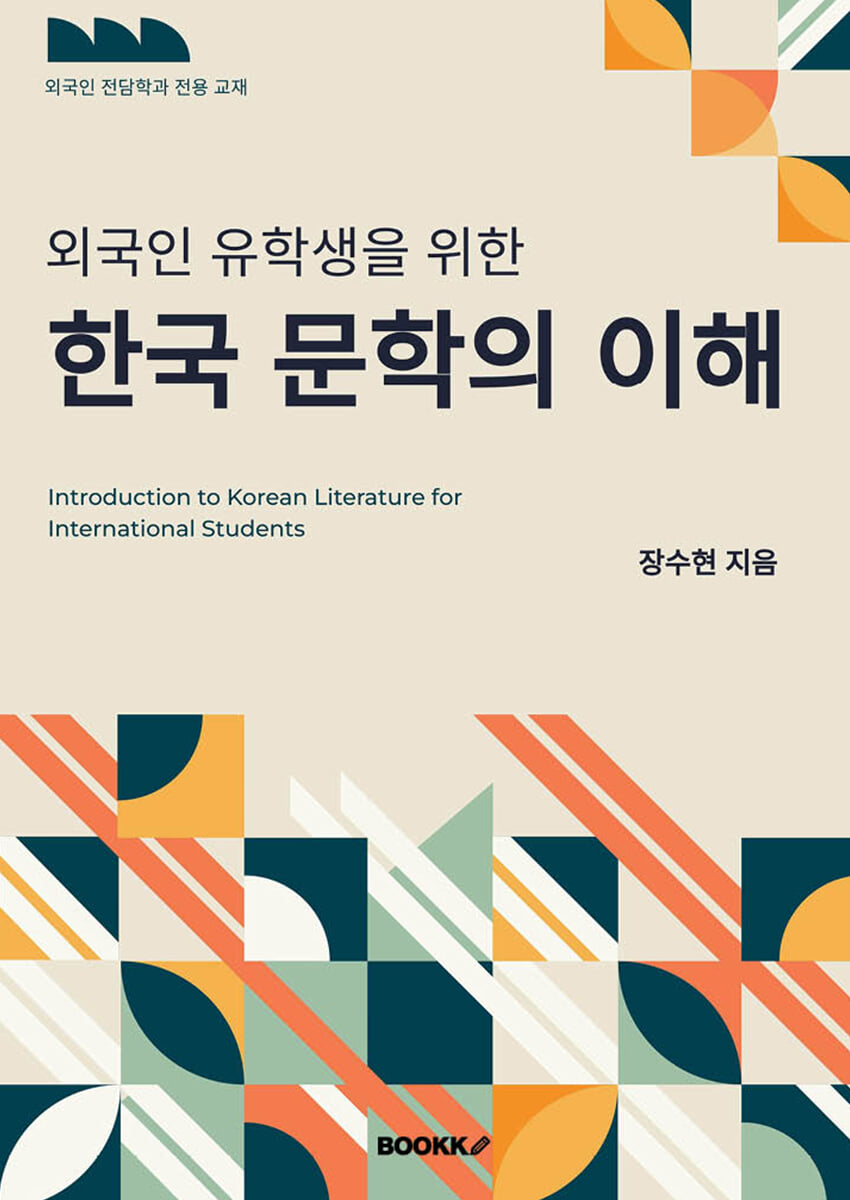
Understanding Korean Literature for International Students
 |
Description
Book Introduction
Korean literature is a valuable asset that deeply reflects the lives, emotions, history, and culture of Koreans.
Therefore, the process of reading and understanding Korean literary works goes beyond learning the Korean language and becomes a way to learn about the living, breathing culture and identity of the Korean language.
"Understanding Korean Literature for International Students" balances expertise and educational approaches to the history of Korean literature, from ancient literature to contemporary literature of the 2000s, tailored to the perspectives of international students learning Korean.
In particular, for international students who are new to Korean literature, the flow of Korean literature history and major works representing each period were introduced at the intermediate and advanced levels of the Korean Language Proficiency Test.
And, by presenting ‘understanding content, expressing thoughts, and assignment activities,’ teaching and learning were made possible.
? Understanding the Content: Understanding the details of Korean literature history by period in each chapter
?Expressing Thoughts: Appreciating major works and expressing learners' thoughts related to the works.
?Assignment activities: Comparison, introduction, and discussion of literary works from Korea and the learner's home country, etc.
I hope that through this textbook, international students will experience the beauty and depth of Korean literature and broaden their understanding of the Korean language and culture.
Literature is a bridge that connects people across time.
I hope that by crossing this bridge, international students' journeys in learning Korean will become richer and more meaningful.
Therefore, the process of reading and understanding Korean literary works goes beyond learning the Korean language and becomes a way to learn about the living, breathing culture and identity of the Korean language.
"Understanding Korean Literature for International Students" balances expertise and educational approaches to the history of Korean literature, from ancient literature to contemporary literature of the 2000s, tailored to the perspectives of international students learning Korean.
In particular, for international students who are new to Korean literature, the flow of Korean literature history and major works representing each period were introduced at the intermediate and advanced levels of the Korean Language Proficiency Test.
And, by presenting ‘understanding content, expressing thoughts, and assignment activities,’ teaching and learning were made possible.
? Understanding the Content: Understanding the details of Korean literature history by period in each chapter
?Expressing Thoughts: Appreciating major works and expressing learners' thoughts related to the works.
?Assignment activities: Comparison, introduction, and discussion of literary works from Korea and the learner's home country, etc.
I hope that through this textbook, international students will experience the beauty and depth of Korean literature and broaden their understanding of the Korean language and culture.
Literature is a bridge that connects people across time.
I hope that by crossing this bridge, international students' journeys in learning Korean will become richer and more meaningful.
index
Note 3
Chapter 1: Overview of Korean Literature 5
Chapter 2: Ancient Literature - Hyangga "Seodongyo 15"
Chapter 3: Literature of the Goryeo Dynasty - Goryeo Song "Gasiri" 25
Chapter 4: Early Joseon Literature - Jeong Mong-ju's Sijo "Dansimga" 35
Chapter 5: Literature of the Late Joseon Dynasty - Heo Gyun's Novel "The Story of Hong Gildong" 45
Chapter 6: Literature of the Enlightenment Period - Lee Gwang-su's Novel "Heartlessness" 55
Chapter 7: Literature of the Japanese Colonial Period - Yun Dong-ju's Poem "Preface" 65
Chapter 8: Literature after Liberation - Ha Geun-chan's Novel "Sunanidae" 73
Chapter 9: Literature of the 1960s and 1980s - Hwang Sok-yong's Novel "The Road to Sampo" (83)
Chapter 10: Literature of the 1990s - Gong Ji-young's Novel "Go Alone Like a Rhinoceros Horn" (93)
Chapter 11: Literature of the 2000s - Han Kang's Novel "The Vegetarian" 103
Chapter 12: The Future of Korean Literature - English Translation of Kim Sowol's Poem "Azaleas" 113
Appendix (Model Answer) 123
Chapter 1: Overview of Korean Literature 5
Chapter 2: Ancient Literature - Hyangga "Seodongyo 15"
Chapter 3: Literature of the Goryeo Dynasty - Goryeo Song "Gasiri" 25
Chapter 4: Early Joseon Literature - Jeong Mong-ju's Sijo "Dansimga" 35
Chapter 5: Literature of the Late Joseon Dynasty - Heo Gyun's Novel "The Story of Hong Gildong" 45
Chapter 6: Literature of the Enlightenment Period - Lee Gwang-su's Novel "Heartlessness" 55
Chapter 7: Literature of the Japanese Colonial Period - Yun Dong-ju's Poem "Preface" 65
Chapter 8: Literature after Liberation - Ha Geun-chan's Novel "Sunanidae" 73
Chapter 9: Literature of the 1960s and 1980s - Hwang Sok-yong's Novel "The Road to Sampo" (83)
Chapter 10: Literature of the 1990s - Gong Ji-young's Novel "Go Alone Like a Rhinoceros Horn" (93)
Chapter 11: Literature of the 2000s - Han Kang's Novel "The Vegetarian" 103
Chapter 12: The Future of Korean Literature - English Translation of Kim Sowol's Poem "Azaleas" 113
Appendix (Model Answer) 123
GOODS SPECIFICS
- Date of issue: August 25, 2025
- Page count, weight, size: 140 pages | 182*257mm
- ISBN13: 9791112047267
You may also like
카테고리
korean


korean

![ELLE 엘르 A형 (여성월간) : 1월 [2026]](http://librairie.coreenne.fr/cdn/shop/files/3b70e1cf77cf67d6da56e0eb041901e8.jpg?v=1767265322&width=3840)


