

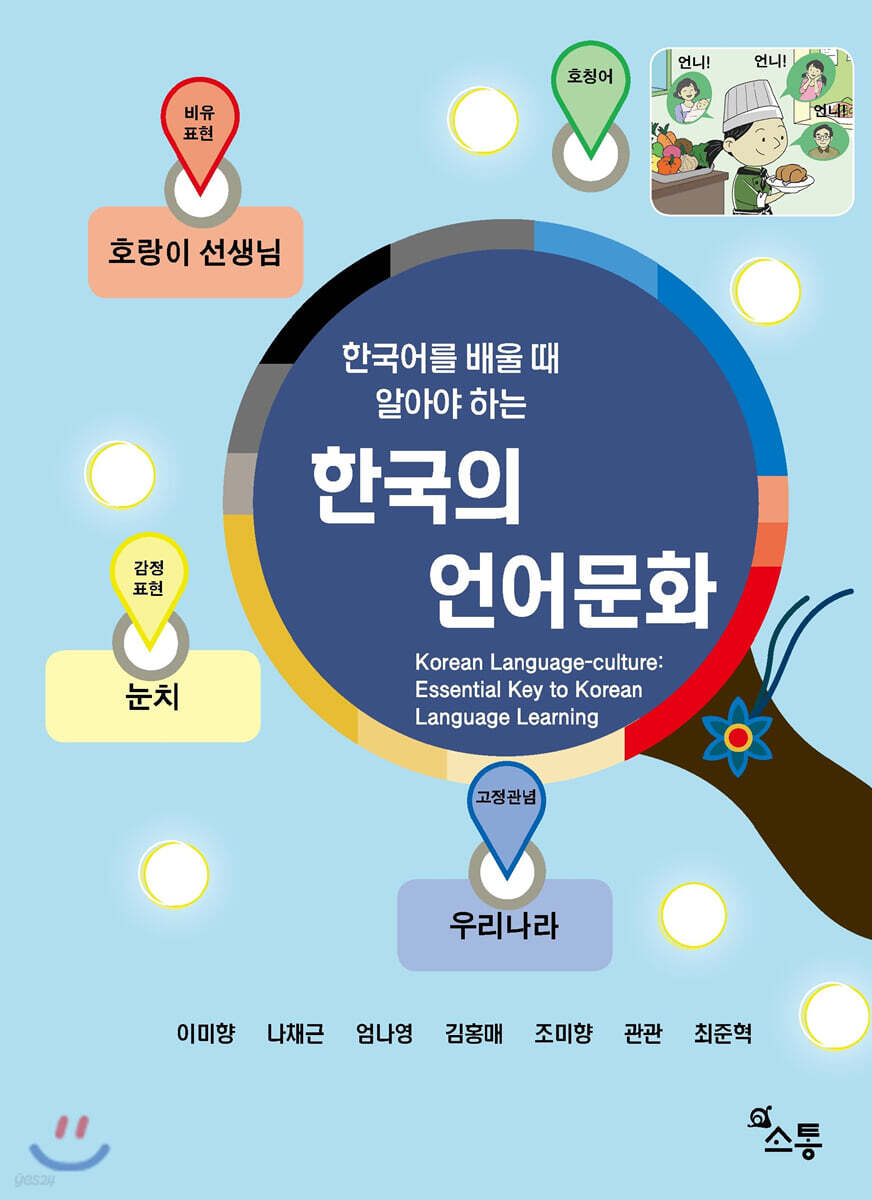
Korean language and culture you need to know when learning Korean
 |
Description
Book Introduction
Language is a vessel that contains culture, a garment that wears culture, and a mirror that reflects culture.
Is soybean paste stew savory? To Koreans, it is.
But what does doenjang jjigae taste like to foreigners? They say it's just salty and has an unfamiliar smell.
If you are a foreigner who has never tried soybean paste stew, you probably don't even have basic information about its taste.
Yet, many Korean language textbooks use pictures of soybean paste stew to describe its savory taste.
In this way, when teaching Korean as a foreign language and Korean culture, there are many cases where the basic characteristics of the learners are not taken into consideration.
There are many books that contain culture.
However, if cultural education content is selected in a teaching position, learners from other cultures will become lost right before your eyes.
Through these experiences, I've been thinking that it would be nice to have a book that first considers what Korean language learners in front of them are most curious about, whether they have missed any knowledge in their learning history, and what they couldn't learn in the local educational environment.
Above all, I've always wondered what English words learners don't use even though they know a lot about Korean.
What we need is a cultural education book that encourages students to challenge themselves to use language with confidence.
Five years ago, seven people gathered in a lab and decided to solve this problem by integrating language and culture.
Language is born within culture, and the language thus created embodies the culture of that society.
There is no doubt that culture and language are inseparable.
So, any word can be shared only if we learn it while understanding the lives and thoughts of the people who use it.
How do Koreans refer to each other? Why do they use specific animals or plants as metaphors? What do proverbs reveal about Korean lifestyles and perspectives? Why did certain words become proverbs? Can we discern Korean stereotypes from unique Korean expressions, and discern inner truths from emotional expressions? Can we express states perceived through sight, taste, and touch in a more savory way, like Koreans? This book aims to help learners empathize with the thoughts and lifestyles of Koreans by exploring Korean expressions that interest them.
Is soybean paste stew savory? To Koreans, it is.
But what does doenjang jjigae taste like to foreigners? They say it's just salty and has an unfamiliar smell.
If you are a foreigner who has never tried soybean paste stew, you probably don't even have basic information about its taste.
Yet, many Korean language textbooks use pictures of soybean paste stew to describe its savory taste.
In this way, when teaching Korean as a foreign language and Korean culture, there are many cases where the basic characteristics of the learners are not taken into consideration.
There are many books that contain culture.
However, if cultural education content is selected in a teaching position, learners from other cultures will become lost right before your eyes.
Through these experiences, I've been thinking that it would be nice to have a book that first considers what Korean language learners in front of them are most curious about, whether they have missed any knowledge in their learning history, and what they couldn't learn in the local educational environment.
Above all, I've always wondered what English words learners don't use even though they know a lot about Korean.
What we need is a cultural education book that encourages students to challenge themselves to use language with confidence.
Five years ago, seven people gathered in a lab and decided to solve this problem by integrating language and culture.
Language is born within culture, and the language thus created embodies the culture of that society.
There is no doubt that culture and language are inseparable.
So, any word can be shared only if we learn it while understanding the lives and thoughts of the people who use it.
How do Koreans refer to each other? Why do they use specific animals or plants as metaphors? What do proverbs reveal about Korean lifestyles and perspectives? Why did certain words become proverbs? Can we discern Korean stereotypes from unique Korean expressions, and discern inner truths from emotional expressions? Can we express states perceived through sight, taste, and touch in a more savory way, like Koreans? This book aims to help learners empathize with the thoughts and lifestyles of Koreans by exploring Korean expressions that interest them.
index
Chapter 1: Language and Culture Are One
1.
Language and culture, and language culture
1) Language and culture
2) What is language culture?
2.
Contents of Korean language and culture
1) Words that show language life
2) Words that express values
Chapter 2: Terms of Address and Reference: What do you call that person?
1.
Characteristics of Korean terms of address and address
1) The meaning and importance of titles and designations
2) Human relationships contained in Korean terms of address and address
2.
Types of Korean terms of address
1) Calling relatives by their names
2) Calling by title
3) Calling by name
4) Calling with a pronoun
3.
Unusual meaning of family terminology: My uncle called me 'sister'!
1) Expansion of family terms
2) Using family terms correctly
4.
Titles used at work
1) People with titles
2) People without titles
5.
finish
Chapter 3: Korean Culture in Metaphor and Symbol: A Child Like a Rabbit and a Wife Like a Fox
1.
The concept of metaphor and symbol
1) What are metaphors and symbols?
2) Why do we need to know metaphors and symbols?
2.
Metaphors and symbols across cultures
1) Commonalities by Culture
2) Cultural differences
3.
Commonly used metaphors and symbols in Korean
1) Animal-related expressions
2) Plant-related expressions
3) Expressions related to objects
4.
finish
Chapter 4: Proverbs: A Language Code Embedding Korean Culture
1.
Proverbs and Language
1) What is a proverb?
2) Characteristics of proverbs
3) Proverbs and language culture
2.
Proverbs that show life - food, clothing, and shelter
1) Diet
2) Main living
3) Clothing life
3.
Proverbs that show human relationships
1) Between a couple
2) Between parents and children
3) Relationships outside the family
4.
finish
Chapter 5: Stereotypes, the Foundation of the Korean Language
1.
About stereotypes
1) What is a stereotype?
2) The relationship between stereotypes and language
2.
Korean stereotypes seen through color words
1) What is a color word?
2) Cultural meaning of color words
3.
finish
Chapter 6: Emotional Language: Korean Expressions of Thought
1.
What are emotions?
1) Senses, perceptions, and emotions
2) The relationship between emotions and language culture
2.
Types of emotional language
1) Words expressing anger
2) Words expressing joy
3) Words expressing tension
4) Words expressing sadness
5) Words expressing fear
3.
Expressing Emotions in Korean Culture
4.
finish
Chapter 7: Sound Imagery: Images Shown Through Sound
1.
What is sound phase?
1) Definition and characteristics of sound
2) The relationship between sound and language culture
2.
The function of phonemes in Korean
1) Sound function and cultural background
2) Sounds that change the taste of words
3.
Sound image in sensory words
1) Sensory words through color - color words
2) Sensory words that are examined through taste - gustatory words
4.
finish
References
1.
Language and culture, and language culture
1) Language and culture
2) What is language culture?
2.
Contents of Korean language and culture
1) Words that show language life
2) Words that express values
Chapter 2: Terms of Address and Reference: What do you call that person?
1.
Characteristics of Korean terms of address and address
1) The meaning and importance of titles and designations
2) Human relationships contained in Korean terms of address and address
2.
Types of Korean terms of address
1) Calling relatives by their names
2) Calling by title
3) Calling by name
4) Calling with a pronoun
3.
Unusual meaning of family terminology: My uncle called me 'sister'!
1) Expansion of family terms
2) Using family terms correctly
4.
Titles used at work
1) People with titles
2) People without titles
5.
finish
Chapter 3: Korean Culture in Metaphor and Symbol: A Child Like a Rabbit and a Wife Like a Fox
1.
The concept of metaphor and symbol
1) What are metaphors and symbols?
2) Why do we need to know metaphors and symbols?
2.
Metaphors and symbols across cultures
1) Commonalities by Culture
2) Cultural differences
3.
Commonly used metaphors and symbols in Korean
1) Animal-related expressions
2) Plant-related expressions
3) Expressions related to objects
4.
finish
Chapter 4: Proverbs: A Language Code Embedding Korean Culture
1.
Proverbs and Language
1) What is a proverb?
2) Characteristics of proverbs
3) Proverbs and language culture
2.
Proverbs that show life - food, clothing, and shelter
1) Diet
2) Main living
3) Clothing life
3.
Proverbs that show human relationships
1) Between a couple
2) Between parents and children
3) Relationships outside the family
4.
finish
Chapter 5: Stereotypes, the Foundation of the Korean Language
1.
About stereotypes
1) What is a stereotype?
2) The relationship between stereotypes and language
2.
Korean stereotypes seen through color words
1) What is a color word?
2) Cultural meaning of color words
3.
finish
Chapter 6: Emotional Language: Korean Expressions of Thought
1.
What are emotions?
1) Senses, perceptions, and emotions
2) The relationship between emotions and language culture
2.
Types of emotional language
1) Words expressing anger
2) Words expressing joy
3) Words expressing tension
4) Words expressing sadness
5) Words expressing fear
3.
Expressing Emotions in Korean Culture
4.
finish
Chapter 7: Sound Imagery: Images Shown Through Sound
1.
What is sound phase?
1) Definition and characteristics of sound
2) The relationship between sound and language culture
2.
The function of phonemes in Korean
1) Sound function and cultural background
2) Sounds that change the taste of words
3.
Sound image in sensory words
1) Sensory words through color - color words
2) Sensory words that are examined through taste - gustatory words
4.
finish
References
Detailed image

GOODS SPECIFICS
- Date of issue: March 13, 2020
- Page count, weight, size: 185 pages | 386g | 172*225*20mm
- ISBN13: 9791186453865
- ISBN10: 1186453869
You may also like
카테고리
korean


korean

![ELLE 엘르 스페셜 에디션 A형 : 12월 [2025]](http://librairie.coreenne.fr/cdn/shop/files/b8e27a3de6c9538896439686c6b0e8fb.jpg?v=1766436872&width=3840)


