

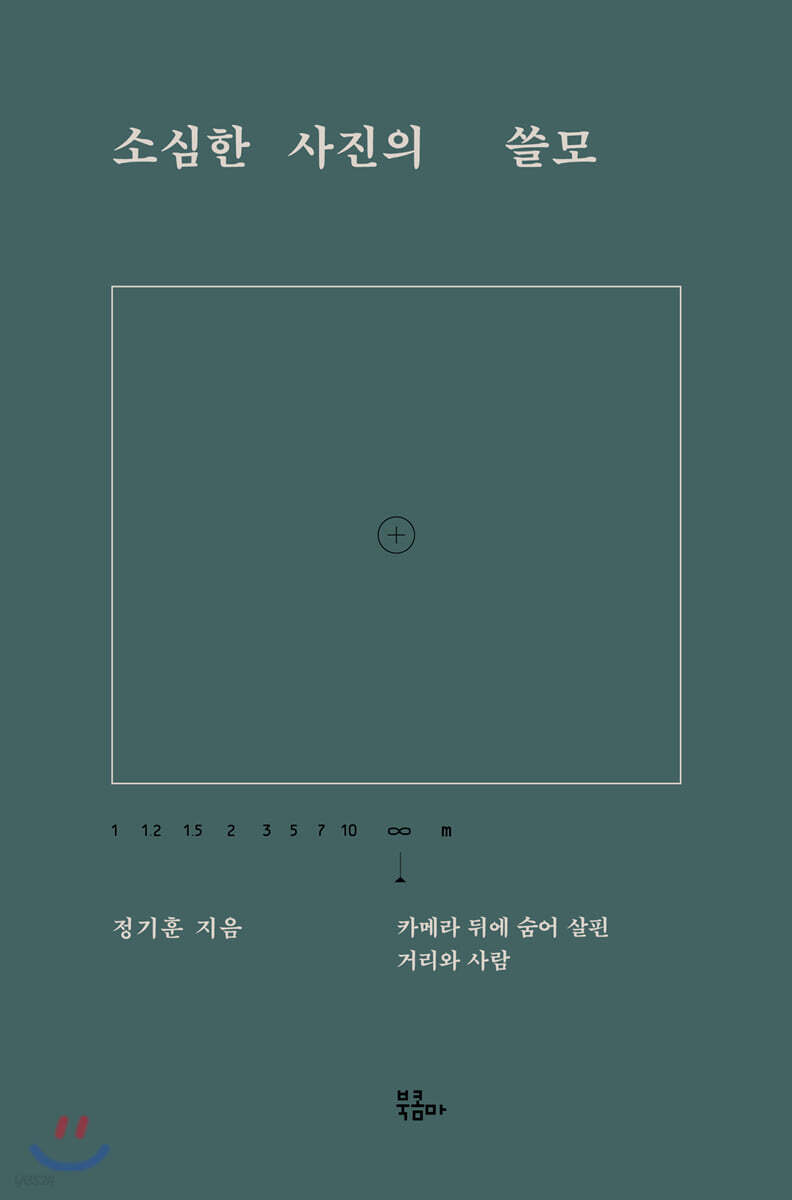
The Usefulness of a Timid Photo
 |
Description
Book Introduction
“Photography, especially media photography, is often rude.
Taking pictures often involves standing in front of people, but I'm shy so I hesitated to approach them.
I also felt that just holding the camera close was violent.
Still, I preferred to take photos by getting up close with a wide-angle lens.
“I always thought about how close I could get to the subject and whether getting close was the right thing to do.”
In addition to taking press photos, the author stayed behind after events and incidents to take photos and write for himself and for other purposes.
I've always wondered what a beautiful distance would be between people I meet on the street.
It explains in detail, one by one, how the subject endures time in a barren and desperate scene, and how time flows and passes for the subject.
Taking pictures often involves standing in front of people, but I'm shy so I hesitated to approach them.
I also felt that just holding the camera close was violent.
Still, I preferred to take photos by getting up close with a wide-angle lens.
“I always thought about how close I could get to the subject and whether getting close was the right thing to do.”
In addition to taking press photos, the author stayed behind after events and incidents to take photos and write for himself and for other purposes.
I've always wondered what a beautiful distance would be between people I meet on the street.
It explains in detail, one by one, how the subject endures time in a barren and desperate scene, and how time flows and passes for the subject.
- You can preview some of the book's contents.
Preview
index
About usefulness
owe
1 meter: It's a big deal, but it's not a big deal
2~3 meters: Exciting spring sunshine, sad spring
5~7 meters: Places hold memories.
10 Meters Down: This is not a movie
owe
1 meter: It's a big deal, but it's not a big deal
2~3 meters: Exciting spring sunshine, sad spring
5~7 meters: Places hold memories.
10 Meters Down: This is not a movie
Detailed image

Into the book
Do important things with your left hand.
This is especially true when the task requires delicate hand movements.
For example, something like buttoning a shirt.
Fixing broken children's toys and replacing toilet drains are other things.
--- p.11
I wasn't used to shooting big, flashy scenes.
It was mainly because I was slow and often lazy.
I simply took a step back and observed, or sometimes summoned the courage to ask, write down, and photograph the little things that went unnoticed.
--- p.13
It was an interview.
Not long ago, I was asked again about the death of a person who had put his child first.
Fortunately, it wasn't my job to ask questions.
I thought to myself there that I was lucky to be able to hide behind the camera.
I picked up the camera a little late.
I brought some lighting equipment with me, but I gave up on taking it out.
I just watched and listened for a long time.
It was a process of raising or lowering emotions, should we call it synchronization.
I thought that it would be okay if my emotions were neither too much nor too little.
It was also considered a matter of courtesy.
I felt that immediately pointing a camera at someone and setting up lights and blasting them out was a violent act.
--- p.59
It was a bit embarrassing to stick a camera in front of people living in tents.
Even people who are about to fight are concerned about their messy hair and clothes.
There is always someone who hides in a corner or turns their face away.
Take a picture or ask for consent.
I had to learn how to make lame jokes.
I also had to learn the skills of making eye contact, asking questions, and listening to others.
Above all, I had to sit there and kill time.
--- p.93
Operations to suppress sit-ins were usually carried out at dawn.
It is also a good time for the protesters to lose focus and avoid the cameras following them.
The name of the operation that suppressed the residents who were protesting at the Daechu branch school against the expansion of the US military base in Pyeongtaek was also ‘Stork at Dawn.’
Only those who waited all night could capture the scene in photographs.
It is the fate of a person with a camera to be there at that time.
I was often lazy.
I live with a lot of debt in my heart.
--- p.123
It was a bit embarrassing to put it in front of the people working and turn on the lights.
I still haven't gotten used to being shameless, so it's always difficult.
Taking pictures of sweat is something that even the person holding the camera will sweat.
Sweating together in the heat created a strange sense of solidarity.
--- p.38
The same difficult-to-watch scenes were repeated every day.
I couldn't imagine hell, but I also had trouble finding other words.
I thought this place was hell.
I often stood there in a daze, not knowing what more photos to take or what to say.
I held onto my senses and followed the subject according to the familiar, predictable photography formula.
While being swayed back and forth between police officers, out-of-focus photos captured someone's hand, the back of his head, and his legs.
Among them was a student ID card that was shaking violently.
It was a ruined photo and unusable, but I couldn't erase it, so I just left it.
The mother, surrounded by police and unable to move, cried and spoke.
As I tilted my head back and cried, the Taegeukgi flag behind me caught my eye.
At that time, many people were asking the question, “What is a nation?”
There were also many parents there who raised their voices and waved the Taegeukgi, saying that the communist agitators should be sent to hell.
If I ever have to draw a picture of hell, I think I'll remember those scenes.
--- p.45
Everyone there is laughing and having fun, but at that moment, the expressions of the people holding the cameras are completely distorted.
My mind is busy trying to take a good picture of something.
This is especially true when you are concentrating and have one eye tightly closed.
It's the observer's fate.
If there is a decisive moment, I always greet it with a camera in hand and a frown.
This is especially true when the task requires delicate hand movements.
For example, something like buttoning a shirt.
Fixing broken children's toys and replacing toilet drains are other things.
--- p.11
I wasn't used to shooting big, flashy scenes.
It was mainly because I was slow and often lazy.
I simply took a step back and observed, or sometimes summoned the courage to ask, write down, and photograph the little things that went unnoticed.
--- p.13
It was an interview.
Not long ago, I was asked again about the death of a person who had put his child first.
Fortunately, it wasn't my job to ask questions.
I thought to myself there that I was lucky to be able to hide behind the camera.
I picked up the camera a little late.
I brought some lighting equipment with me, but I gave up on taking it out.
I just watched and listened for a long time.
It was a process of raising or lowering emotions, should we call it synchronization.
I thought that it would be okay if my emotions were neither too much nor too little.
It was also considered a matter of courtesy.
I felt that immediately pointing a camera at someone and setting up lights and blasting them out was a violent act.
--- p.59
It was a bit embarrassing to stick a camera in front of people living in tents.
Even people who are about to fight are concerned about their messy hair and clothes.
There is always someone who hides in a corner or turns their face away.
Take a picture or ask for consent.
I had to learn how to make lame jokes.
I also had to learn the skills of making eye contact, asking questions, and listening to others.
Above all, I had to sit there and kill time.
--- p.93
Operations to suppress sit-ins were usually carried out at dawn.
It is also a good time for the protesters to lose focus and avoid the cameras following them.
The name of the operation that suppressed the residents who were protesting at the Daechu branch school against the expansion of the US military base in Pyeongtaek was also ‘Stork at Dawn.’
Only those who waited all night could capture the scene in photographs.
It is the fate of a person with a camera to be there at that time.
I was often lazy.
I live with a lot of debt in my heart.
--- p.123
It was a bit embarrassing to put it in front of the people working and turn on the lights.
I still haven't gotten used to being shameless, so it's always difficult.
Taking pictures of sweat is something that even the person holding the camera will sweat.
Sweating together in the heat created a strange sense of solidarity.
--- p.38
The same difficult-to-watch scenes were repeated every day.
I couldn't imagine hell, but I also had trouble finding other words.
I thought this place was hell.
I often stood there in a daze, not knowing what more photos to take or what to say.
I held onto my senses and followed the subject according to the familiar, predictable photography formula.
While being swayed back and forth between police officers, out-of-focus photos captured someone's hand, the back of his head, and his legs.
Among them was a student ID card that was shaking violently.
It was a ruined photo and unusable, but I couldn't erase it, so I just left it.
The mother, surrounded by police and unable to move, cried and spoke.
As I tilted my head back and cried, the Taegeukgi flag behind me caught my eye.
At that time, many people were asking the question, “What is a nation?”
There were also many parents there who raised their voices and waved the Taegeukgi, saying that the communist agitators should be sent to hell.
If I ever have to draw a picture of hell, I think I'll remember those scenes.
--- p.45
Everyone there is laughing and having fun, but at that moment, the expressions of the people holding the cameras are completely distorted.
My mind is busy trying to take a good picture of something.
This is especially true when you are concentrating and have one eye tightly closed.
It's the observer's fate.
If there is a decisive moment, I always greet it with a camera in hand and a frown.
--- p.230
Publisher's Review
◎ Photos and writings by the observer
The photos were divided into four parts based on the distance from the subject.
Here, we have revealed the 'focal length' for each photo to help you estimate the distance to the subject more accurately.
The author has written about the distance from the subject.
The author always wonders what a beautiful distance is between people he meets on the street.
“Photography, especially media photography, is often rude.
Taking pictures often involves standing in front of people, but I'm shy so I hesitated to approach them.
I also felt that just holding the camera close was violent.
Still, I preferred to take photos by getting up close with a wide-angle lens.
I always thought about how close I could get to the subject and whether getting close was the right thing to do.
The distance from the subject was often proportional to the relationship.
Looking back, there were many more things I failed at because I didn't make an effort to get closer than things I failed at because I couldn't step back.
Even if there was nothing special going on, I visited the protest site every time I went there.
I was wondering if there was anything.
Well, there was something there, it was a place where people lived, so I listened to their stories.
When others are sad and crying, that's when the person holding the camera gets busy.
He forgot his regret and kept firing the flash.
“I became numb.”
◎ How does time pass in microhistory or on-site?
As writer Im Jong-jin points out, the places where Jeong Gi-hun stayed are “barren and desperate soils,” such as “the hunger strike sites of laid-off workers at Colt, KTX, and Ssangyong Motors, the Sewol Ferry tent in Gwanghwamun, and the Japanese Embassy.”
In such a scene, it explains in detail, one by one, how the subject endures time and how time flows and passes for the subject.
Of course, time will also pass for the author standing around the subject, but he depicts both at the same time.
Professor Ha Jong-gang described the author's work as "our precious microhistory."
“If it weren’t for this book, I would never have seen or heard the heartbreaking conversations between them or the facts that were almost buried in the numbers in the statistics until I died,” he explained his reason.
He was at every scene.
Readers will quickly realize the moment they open the book that the phrase "every scene in Korea" is no exaggeration.
KTX female flight attendants, Cortek dismissed workers, Pyeongtaek Ssangyong Motor factory, Kiryung Electronics workers, Sewol ferry victims' families, Samsung Electronics Service workers, the late Kim Yong-gyun, Raytech Korea workers, Myeongdong redevelopment area, Yongsan disaster, tollgate toll collectors, Yooseong Enterprise labor union, Japan-Korea agreement on Japanese military 'comfort women', Hydis layoffs, Dongyang Cement subcontractor workers, national university hospital service workers, Hanjin Heavy Industries Yeongdo Shipyard layoffs, civil disobedience movement, public service union, irregular workers in educational public service, E-Land unfair dismissal, Seoul National University Hospital branch strike, Korean Teachers and Education Workers Union, Samsung leukemia, janitor strike, Gangjeong naval base, Baek Nam-gi farmer, Han Sang-gyun, Korean Confederation of Trade Unions chairman, presidential dismissal, Jeon Tae-il memorial day, Gwangju Mangwol-dong cemetery, Ssangyong Motors Daehanmun memorial altar, Guui Station screen door accident, presidential election vote counting, Kim Jin-sook, Korean Confederation of Trade Unions steering committee member, SeAH Steel dismissed workers, part-time workers, building Rope workers cleaning exterior walls, teachers who sacrificed themselves at Danwon High School, building cleaners, security guards, people's uprising, irregular workers at cable broadcasting companies such as C&M, etc.
There was nothing unusual, the fight had already been going on.
People who did the Sambo Ilbae crawled like maggots from Gwanghwamun to Seoul Station.
When standing, he clasped his hands together, and when lying down, he stretched them forward, often raising them towards the sky.
Another person's hand was close behind my feet.
The camera was high up among the people lying down.
The camera was not used to looking down, so it would lower itself to follow them.
Near the floor, a very distorted expression was visible.
Among the many repetitive movements, I kept capturing the standing up.
In August 2009, I was standing on the roof of a five-story building in Chilgoe-dong, Pyeongtaek, Gyeonggi Province, gazing out at the Ssangyong Motors factory in flames across the street, my heart burning with anger and shame. Then, my mother told me, “The house in Suwon has been sold.”
Late one night, my father came home with a clattering extension bag.
The smell of alcohol was strong, and the smell of fermented skate mixed in there.
I was worried that my drunken father would stumble and step on my new white basketball shoes.
Two people starved in a shabby vinyl house built on the roof of the factory's main entrance information office.
He leaned his gaunt body against the back of the chair and licked his dry lips.
They demanded a solution to the problem of illegally dispatched irregular workers.
“In the past, when someone committed suicide, the whole country would be turned upside down and in an uproar, shouting, ‘Solve this,’ but now, even if one or two people die, people quickly forget about it, saying, ‘Look who died.’”
It is said that slogans and words of war are often exaggerated, but these words were as dry as flesh clinging to the bones, and there was nothing to take away.
At 3:00 PM, Yumin's father, who had been holding out, left the tent.
Headed towards the Blue House.
Police radios blared loudly everywhere.
The ambulance followed along at a slow pace.
I finally took a short break in front of the splendid phoenix fountain.
He leaned on his cane and looked into the distance.
I took a deep breath and walked towards the civil affairs office.
The police who were following me were quick.
There was a loud fight.
The police there were fast and strong, wearing short-sleeved shirts.
Yumin's father, who had been out of the kitchen for a long time but was still breathing hard, could not endure the physical fight and turned back to the protest site.
On the first anniversary of the Sewol ferry disaster, many people cried.
Asking whether it was because of the person blocking the movement or the reporters who had gathered to take pictures was meaningless in front of the Ansan Hwarang Amusement Park.
It was the same with distinguishing whether the streams running down my face were tears or rainwater.
Young-seok's mother cried with her whole body.
Yonggyun's mother can often be seen at the front row of discussions and rallies aimed at preventing further deaths.
Still crying.
I crouch down in front of him and struggle to hold back those tears.
◎ Author's Note
Photos, especially media photos, are often rude.
Taking pictures often involves standing in front of people, but I'm shy so I hesitated to approach them.
I also felt that just holding the camera close was violent.
Still, I preferred to take photos by getting up close with a wide-angle lens.
I always thought about how close I could get to the subject and whether getting close was the right thing to do.
The distance from the subject was often proportional to the relationship.
Looking back, there were many more things I failed at because I didn't make an effort to get closer than things I failed at because I couldn't step back.
Even if there was nothing special going on, I visited the protest site every time I went there.
I was wondering if there was anything.
Well, there was something there, it was a place where people lived, so I listened to their stories.
When others are sad and crying, that's when the person holding the camera gets busy.
He forgot his regret and kept firing the flash.
I became numb.
The photos were divided into four parts based on the distance from the subject.
Here, we have revealed the 'focal length' for each photo to help you estimate the distance to the subject more accurately.
The author has written about the distance from the subject.
The author always wonders what a beautiful distance is between people he meets on the street.
“Photography, especially media photography, is often rude.
Taking pictures often involves standing in front of people, but I'm shy so I hesitated to approach them.
I also felt that just holding the camera close was violent.
Still, I preferred to take photos by getting up close with a wide-angle lens.
I always thought about how close I could get to the subject and whether getting close was the right thing to do.
The distance from the subject was often proportional to the relationship.
Looking back, there were many more things I failed at because I didn't make an effort to get closer than things I failed at because I couldn't step back.
Even if there was nothing special going on, I visited the protest site every time I went there.
I was wondering if there was anything.
Well, there was something there, it was a place where people lived, so I listened to their stories.
When others are sad and crying, that's when the person holding the camera gets busy.
He forgot his regret and kept firing the flash.
“I became numb.”
◎ How does time pass in microhistory or on-site?
As writer Im Jong-jin points out, the places where Jeong Gi-hun stayed are “barren and desperate soils,” such as “the hunger strike sites of laid-off workers at Colt, KTX, and Ssangyong Motors, the Sewol Ferry tent in Gwanghwamun, and the Japanese Embassy.”
In such a scene, it explains in detail, one by one, how the subject endures time and how time flows and passes for the subject.
Of course, time will also pass for the author standing around the subject, but he depicts both at the same time.
Professor Ha Jong-gang described the author's work as "our precious microhistory."
“If it weren’t for this book, I would never have seen or heard the heartbreaking conversations between them or the facts that were almost buried in the numbers in the statistics until I died,” he explained his reason.
He was at every scene.
Readers will quickly realize the moment they open the book that the phrase "every scene in Korea" is no exaggeration.
KTX female flight attendants, Cortek dismissed workers, Pyeongtaek Ssangyong Motor factory, Kiryung Electronics workers, Sewol ferry victims' families, Samsung Electronics Service workers, the late Kim Yong-gyun, Raytech Korea workers, Myeongdong redevelopment area, Yongsan disaster, tollgate toll collectors, Yooseong Enterprise labor union, Japan-Korea agreement on Japanese military 'comfort women', Hydis layoffs, Dongyang Cement subcontractor workers, national university hospital service workers, Hanjin Heavy Industries Yeongdo Shipyard layoffs, civil disobedience movement, public service union, irregular workers in educational public service, E-Land unfair dismissal, Seoul National University Hospital branch strike, Korean Teachers and Education Workers Union, Samsung leukemia, janitor strike, Gangjeong naval base, Baek Nam-gi farmer, Han Sang-gyun, Korean Confederation of Trade Unions chairman, presidential dismissal, Jeon Tae-il memorial day, Gwangju Mangwol-dong cemetery, Ssangyong Motors Daehanmun memorial altar, Guui Station screen door accident, presidential election vote counting, Kim Jin-sook, Korean Confederation of Trade Unions steering committee member, SeAH Steel dismissed workers, part-time workers, building Rope workers cleaning exterior walls, teachers who sacrificed themselves at Danwon High School, building cleaners, security guards, people's uprising, irregular workers at cable broadcasting companies such as C&M, etc.
There was nothing unusual, the fight had already been going on.
People who did the Sambo Ilbae crawled like maggots from Gwanghwamun to Seoul Station.
When standing, he clasped his hands together, and when lying down, he stretched them forward, often raising them towards the sky.
Another person's hand was close behind my feet.
The camera was high up among the people lying down.
The camera was not used to looking down, so it would lower itself to follow them.
Near the floor, a very distorted expression was visible.
Among the many repetitive movements, I kept capturing the standing up.
In August 2009, I was standing on the roof of a five-story building in Chilgoe-dong, Pyeongtaek, Gyeonggi Province, gazing out at the Ssangyong Motors factory in flames across the street, my heart burning with anger and shame. Then, my mother told me, “The house in Suwon has been sold.”
Late one night, my father came home with a clattering extension bag.
The smell of alcohol was strong, and the smell of fermented skate mixed in there.
I was worried that my drunken father would stumble and step on my new white basketball shoes.
Two people starved in a shabby vinyl house built on the roof of the factory's main entrance information office.
He leaned his gaunt body against the back of the chair and licked his dry lips.
They demanded a solution to the problem of illegally dispatched irregular workers.
“In the past, when someone committed suicide, the whole country would be turned upside down and in an uproar, shouting, ‘Solve this,’ but now, even if one or two people die, people quickly forget about it, saying, ‘Look who died.’”
It is said that slogans and words of war are often exaggerated, but these words were as dry as flesh clinging to the bones, and there was nothing to take away.
At 3:00 PM, Yumin's father, who had been holding out, left the tent.
Headed towards the Blue House.
Police radios blared loudly everywhere.
The ambulance followed along at a slow pace.
I finally took a short break in front of the splendid phoenix fountain.
He leaned on his cane and looked into the distance.
I took a deep breath and walked towards the civil affairs office.
The police who were following me were quick.
There was a loud fight.
The police there were fast and strong, wearing short-sleeved shirts.
Yumin's father, who had been out of the kitchen for a long time but was still breathing hard, could not endure the physical fight and turned back to the protest site.
On the first anniversary of the Sewol ferry disaster, many people cried.
Asking whether it was because of the person blocking the movement or the reporters who had gathered to take pictures was meaningless in front of the Ansan Hwarang Amusement Park.
It was the same with distinguishing whether the streams running down my face were tears or rainwater.
Young-seok's mother cried with her whole body.
Yonggyun's mother can often be seen at the front row of discussions and rallies aimed at preventing further deaths.
Still crying.
I crouch down in front of him and struggle to hold back those tears.
◎ Author's Note
Photos, especially media photos, are often rude.
Taking pictures often involves standing in front of people, but I'm shy so I hesitated to approach them.
I also felt that just holding the camera close was violent.
Still, I preferred to take photos by getting up close with a wide-angle lens.
I always thought about how close I could get to the subject and whether getting close was the right thing to do.
The distance from the subject was often proportional to the relationship.
Looking back, there were many more things I failed at because I didn't make an effort to get closer than things I failed at because I couldn't step back.
Even if there was nothing special going on, I visited the protest site every time I went there.
I was wondering if there was anything.
Well, there was something there, it was a place where people lived, so I listened to their stories.
When others are sad and crying, that's when the person holding the camera gets busy.
He forgot his regret and kept firing the flash.
I became numb.
GOODS SPECIFICS
- Publication date: November 20, 2019
- Page count, weight, size: 300 pages | 454g | 140*210*20mm
- ISBN13: 9791187572190
- ISBN10: 1187572195
You may also like
카테고리
korean


korean

![GQ KOREA Mark (Monthly): December [2025]](http://librairie.coreenne.fr/cdn/shop/files/8ef265dbbfbf186523ed75ba7319009d.jpg?v=1765340328&width=3840)


