

Korean History by Subject
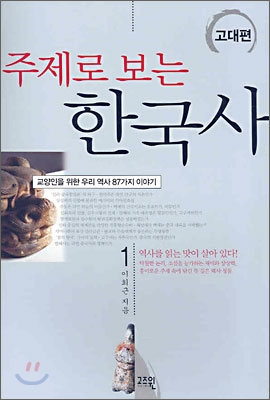 |
Description
Book Introduction
Until now, most introductory books or general books on Korean history have been encyclopedias that only list facts.
Because of this, Korean history was often considered a boring subject that had to be memorized by heart.
This book, with this critical awareness, encompasses the entirety of Korean history and provides a proper understanding of its context through 87 differentiated topics that allow readers to properly approach its true nature.
Additionally, the topics in this book are centered around facts that the general public is vaguely aware of or misunderstands, allowing for a closer look at the truth of history.
It stands out for its structure that allows people of all ages, from youth to adults, to understand Korean history based on cultural diversity and a correct view of history.
In Volume 1, the ancient section, the main issues of ancient history that are controversial even among scholars are revealed, such as the myth of a single people led by Dangun (page 26), the truth behind the theory of the succession of the Park, Seok, and Kim kings of Silla (page 58), and the illusion of the centralized system of ancient states (page 106).
Regarding modern historical wars such as China's Northeast Project (page 274) and Japan's Imna Nihonfu Theory (page 316), it refutes the claims of China and Japan based on objective and factual evidence centered on historical materials, excluding nationalist positions.
Because of this, Korean history was often considered a boring subject that had to be memorized by heart.
This book, with this critical awareness, encompasses the entirety of Korean history and provides a proper understanding of its context through 87 differentiated topics that allow readers to properly approach its true nature.
Additionally, the topics in this book are centered around facts that the general public is vaguely aware of or misunderstands, allowing for a closer look at the truth of history.
It stands out for its structure that allows people of all ages, from youth to adults, to understand Korean history based on cultural diversity and a correct view of history.
In Volume 1, the ancient section, the main issues of ancient history that are controversial even among scholars are revealed, such as the myth of a single people led by Dangun (page 26), the truth behind the theory of the succession of the Park, Seok, and Kim kings of Silla (page 58), and the illusion of the centralized system of ancient states (page 106).
Regarding modern historical wars such as China's Northeast Project (page 274) and Japan's Imna Nihonfu Theory (page 316), it refutes the claims of China and Japan based on objective and factual evidence centered on historical materials, excluding nationalist positions.
- You can preview some of the book's contents.
Preview
index
1 Beyond the myths of Gojoseon
1_ Are the Korean people truly descendants of Dangun?
2 _ The non-existent Gojoseon statue
3_ Was the center of Gojoseon Liaodong or Pyongyang?
2 The Truth or Falsehood of the National Foundation Myth
4 _ The truth behind the three Silla founder legends and the theory of the three-family throne transfer
5_ Is Jumong truly the son of heaven?
6_ Was Baekje's founding father Onjo or Biryu?
7 _ The true identity of King Suro, a mythical figure
8 _ Was Dae Jo-yeong, the founder of Balhae, a Malgal or Goguryeo person?
3. National Reform Project: Royal Power vs. Divine Power
9_ Were the policies of King Gwanggaeto and King Jangsu to strengthen royal authority successful?
10 _ King Seong's Baekje revival policy frustrated by the conflict between royal and divine power
11 _ Jinheung Wangsunsu Stele, reflecting Silla-centered worldview
4 Unified Silla period or North-South States period?
12 _ The fiction of the 'Silla Unification of the Three Kingdoms'
13 _ Balhae, the Emperor's Kingdom
14 _ King Gyeongdeok's Chinese Painting Project
5 Ancient Korea in the World
15 _ We are the masters of the world
16_ Did the maritime empire Baekje rule over the Chinese mainland?
17 _ Egami's theory of a horse-riding people is nothing more than a product of imagination
18 _ The fiction of the Korean version of the equestrian people theory
19 _ A thousand years ago, the population of Gyeongju was five times what it is now?
6 Representations of each country
20 _ The pinnacle of tomb murals, Goguryeo
21 _ Silla gold crown, a symbol of shamanism
22 _ King Muryeong's Tomb, where Buddhism and Shamanism coexist
23 _ The Reality of Gaya, the 'Iron Kingdom'
7 Historical Wars of the Three Kingdoms of East Asia
24 _ Was Goguryeo an independent state or a local government of China?
25 _ Is Balhae history truly part of Chinese history?
26 _ The truth about the manipulated reporter Chosun
27 _ Is the Japanese character in the Gwanggaeto Stele a fabrication or a historical fact?
28 _ Was the Imna Japanese government an ancient Japanese ruling body?
1_ Are the Korean people truly descendants of Dangun?
2 _ The non-existent Gojoseon statue
3_ Was the center of Gojoseon Liaodong or Pyongyang?
2 The Truth or Falsehood of the National Foundation Myth
4 _ The truth behind the three Silla founder legends and the theory of the three-family throne transfer
5_ Is Jumong truly the son of heaven?
6_ Was Baekje's founding father Onjo or Biryu?
7 _ The true identity of King Suro, a mythical figure
8 _ Was Dae Jo-yeong, the founder of Balhae, a Malgal or Goguryeo person?
3. National Reform Project: Royal Power vs. Divine Power
9_ Were the policies of King Gwanggaeto and King Jangsu to strengthen royal authority successful?
10 _ King Seong's Baekje revival policy frustrated by the conflict between royal and divine power
11 _ Jinheung Wangsunsu Stele, reflecting Silla-centered worldview
4 Unified Silla period or North-South States period?
12 _ The fiction of the 'Silla Unification of the Three Kingdoms'
13 _ Balhae, the Emperor's Kingdom
14 _ King Gyeongdeok's Chinese Painting Project
5 Ancient Korea in the World
15 _ We are the masters of the world
16_ Did the maritime empire Baekje rule over the Chinese mainland?
17 _ Egami's theory of a horse-riding people is nothing more than a product of imagination
18 _ The fiction of the Korean version of the equestrian people theory
19 _ A thousand years ago, the population of Gyeongju was five times what it is now?
6 Representations of each country
20 _ The pinnacle of tomb murals, Goguryeo
21 _ Silla gold crown, a symbol of shamanism
22 _ King Muryeong's Tomb, where Buddhism and Shamanism coexist
23 _ The Reality of Gaya, the 'Iron Kingdom'
7 Historical Wars of the Three Kingdoms of East Asia
24 _ Was Goguryeo an independent state or a local government of China?
25 _ Is Balhae history truly part of Chinese history?
26 _ The truth about the manipulated reporter Chosun
27 _ Is the Japanese character in the Gwanggaeto Stele a fabrication or a historical fact?
28 _ Was the Imna Japanese government an ancient Japanese ruling body?
GOODS SPECIFICS
- Date of issue: December 15, 2005
- Page count, weight, size: 339 pages | 635g | 153*224*30mm
- ISBN13: 9788991319516
- ISBN10: 8991319513
You may also like
카테고리
korean


korean

![GQ KOREA Mark (Monthly): December [2025]](http://librairie.coreenne.fr/cdn/shop/files/8ef265dbbfbf186523ed75ba7319009d.jpg?v=1765340328&width=3840)


