

wait
 |
Description
Book Introduction
70 years of waiting
70 years have passed since the outbreak of the Korean War.
The generation that experienced the war is dying and the new generation has forgotten the past war.
But there are still people who live with the scars of war deeply engraved in their bones.
Those who lost the hand of a nursing child, a sick mother, or a loving sibling on the evacuation route amidst a hail of bombs... They lived for 70 years in endless pain, waiting endlessly for an indefinite reunion, not even knowing whether their loved ones were alive or dead. One by one, they are collapsing under the weight of time.
There is no clearer reason for peace than their suffering.
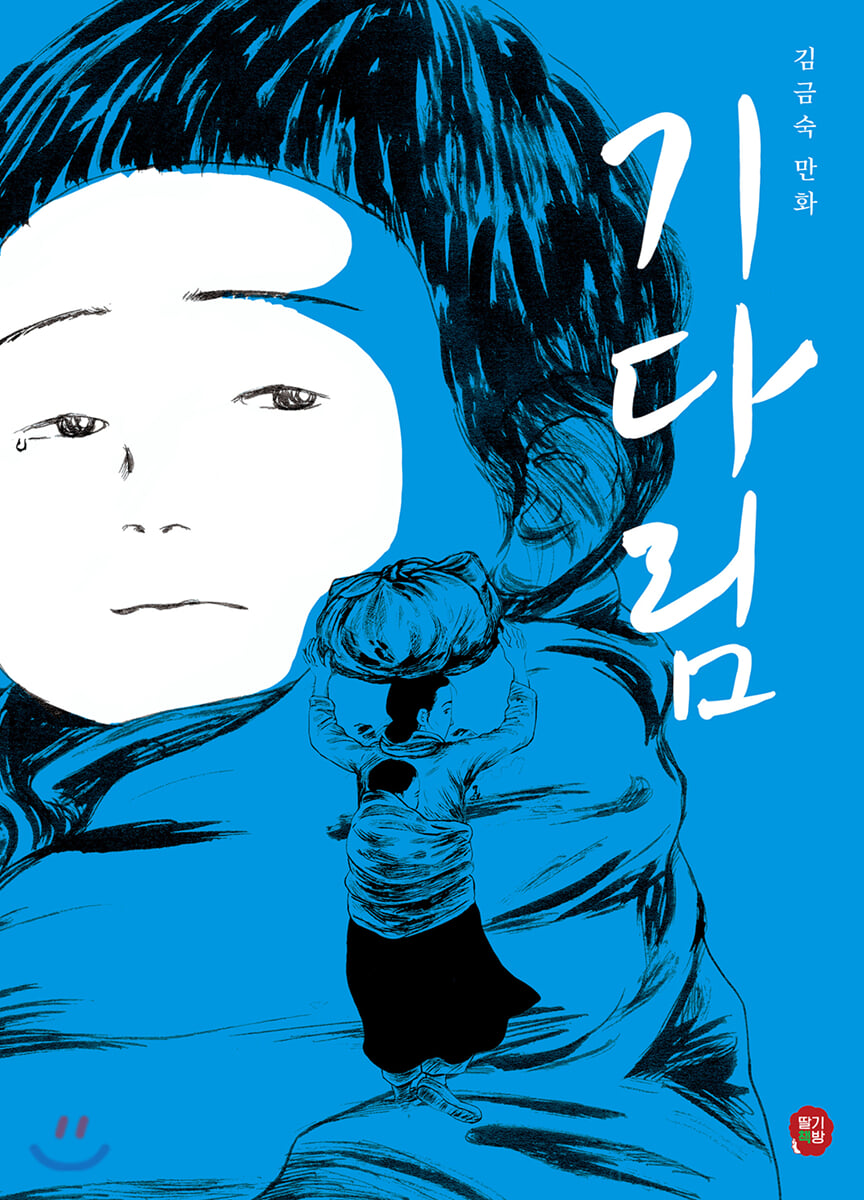
"Waiting" is a comic about separated families written by Kim Geum-suk, the author of "Grass," which has been translated into 12 languages and received rave reviews in many countries.
The author devoted a long time to collecting data, research, writing, and illustrating this book, hoping that a new generation could share the painful memories of separated families before it was too late.
70 years have passed since the outbreak of the Korean War.
The generation that experienced the war is dying and the new generation has forgotten the past war.
But there are still people who live with the scars of war deeply engraved in their bones.
Those who lost the hand of a nursing child, a sick mother, or a loving sibling on the evacuation route amidst a hail of bombs... They lived for 70 years in endless pain, waiting endlessly for an indefinite reunion, not even knowing whether their loved ones were alive or dead. One by one, they are collapsing under the weight of time.
There is no clearer reason for peace than their suffering.
"Waiting" is a comic about separated families written by Kim Geum-suk, the author of "Grass," which has been translated into 12 languages and received rave reviews in many countries.
The author devoted a long time to collecting data, research, writing, and illustrating this book, hoping that a new generation could share the painful memories of separated families before it was too late.
- You can preview some of the book's contents.
Preview
index
Chapter 1: Leaving the City
Chapter 2 Two friendly armies
Chapter 3: My Homeland, the North
Chapter 4: The Age of Chaos
Chapter 5: Still Happy Times
Chapter 6: The War of 1950
Chapter 7 South
Chapter 8: Thank You for Being Alive
Chapter 9: Going to the Sea
Chapter 10: Mom's Video Letter
Chapter 2 Two friendly armies
Chapter 3: My Homeland, the North
Chapter 4: The Age of Chaos
Chapter 5: Still Happy Times
Chapter 6: The War of 1950
Chapter 7 South
Chapter 8: Thank You for Being Alive
Chapter 9: Going to the Sea
Chapter 10: Mom's Video Letter
Publisher's Review
Jinah's story of the nobleman
"Waiting" is the life story of Jin-a's mother, Gwi-ja, told by novelist Jin-a.
It is a story of families separated by the Korean War, and it is also a story of countless separations that still occur around the world, with families separated for life.
The story continues through the voice of the narrator, Jin-ah, or through the voice of the narrator, like a framed novel.
Novelist Jin-a is the youngest daughter of a nobleman.
Jin-ah, who had been taking care of her mother until recently, ends up living apart from her mother when she moves to the countryside.
My heart always feels heavy when I think of a mother who feels abandoned by her child.
When I recall the promise I made to find the son of a mother who was lost during the Korean War, I feel even more guilty.
Because Jinah's life was busy and burdensome, I couldn't find the time to look into it diligently.
But it's not necessarily Jinah's fault.
There are too many applicants waiting for separated family reunions, and too few opportunities.
My Mother's Poor Life, The Story of a Gwija
Gwija was born as the middle daughter of three siblings in Sinheung-ri, Gapsan-gun, Hamgyeongnam-do.
Born the daughter of a miller, she never went hungry even during difficult times.
However, because she was a daughter, she was not able to receive education and had to do housework.
When she was seventeen, she heard rumors that the Japanese army was taking unmarried girls to the battlefield, so she got married in a hurry.
It was a hasty marriage to a man whose face she didn't even know, but the couple started a family and lived together.
In the meantime, Japan was defeated and the country became independent.
However, in the north, Soviet troops entered and were rampant, in the south, American troops held de facto control, and military clashes were frequent around the 38th parallel.
Even in this chaotic world, Gwija gives birth to her first child and begins to live a happy life with her husband.
Shortly after the birth of her second daughter, she set out to greet her in-laws.
At this very moment, war broke out, and upon learning of this, Gwija, her husband, the eldest daughter Sangil, and the second daughter Minhye hastily fled south.
In the midst of the endless stream of refugees, Guija had to leave her husband and son for a while to breastfeed and change diapers of her second child.
The son, Sang-il, called out to Gwija because he was anxious.
"mom."
“Mom, I’ll be back soon.
“I’m with my dad.”
Those were the last words I spoke to my son, Sang-il.
Mixed in with the crowd of refugees and pushed around, Gwija and her second child, Minhye, ended up being separated from her husband and first child, Sangil.
And 70 years have passed.
At that time, Guija, who boarded the Meredith Victory and arrived at Geoje Island, lived a life full of stories.
He made a living by washing clothes from the US military base in Geoje Island, but when the US military left and there were no jobs, he left for Busan to find work.
There she started a family with her new husband and had four children with him.
The last child born was Jinah.
Although I survived because I was alive, I have never forgotten the face of my son Sang-il, whom I lost during the evacuation, for 70 years.
Such a thing will not happen until the end of your life.
The beginning of the story, a mother's confession
20 years ago, when writer Kim Geum-suk was living in Paris.
After his father passed away, the author invited his mother, who was left alone, to Paris.
The mother and daughter spent a month alone together for the first time.
The author's mother told the author a family story she had never told before.
She lost her older sister while fleeing during the Korean War and said she desperately wanted to meet her sister, even if it meant finding out if she was alive or dead.
The author, seeing his mother's sad appearance every time she was left out of the list of separated family reunions, planned to tell the painful modern history of Korea through his mother's life in a cartoon before he passed away.
The author, who became interested in the issue of separated families, spent a long time interviewing his mother, who had lived through the Japanese colonial period and the Korean War, and searching for related materials.
It records the testimony of the Japanese colonial period, the time when she lived in Pyongyang from her mother's childhood, the war, and life afterward.
Also, did you meet your family in North Korea during the 21st separated family reunion in 2018?? (2018.
92 years old) Grandmother and Grandfather Kim?? (2018.
We conducted an interview with (82 years old) and recorded his testimony.
Through meticulous reporting and research, Kim Geum-suk recreates life in Hamgyeong Province at the time, the evacuation process during the war, the evacuation route, the appearance of the evacuation, and the evacuation life in Geoje Island and Busan with her signature delicate and powerful brushwork.
"Waiting" is the life story of Jin-a's mother, Gwi-ja, told by novelist Jin-a.
It is a story of families separated by the Korean War, and it is also a story of countless separations that still occur around the world, with families separated for life.
The story continues through the voice of the narrator, Jin-ah, or through the voice of the narrator, like a framed novel.
Novelist Jin-a is the youngest daughter of a nobleman.
Jin-ah, who had been taking care of her mother until recently, ends up living apart from her mother when she moves to the countryside.
My heart always feels heavy when I think of a mother who feels abandoned by her child.
When I recall the promise I made to find the son of a mother who was lost during the Korean War, I feel even more guilty.
Because Jinah's life was busy and burdensome, I couldn't find the time to look into it diligently.
But it's not necessarily Jinah's fault.
There are too many applicants waiting for separated family reunions, and too few opportunities.
My Mother's Poor Life, The Story of a Gwija
Gwija was born as the middle daughter of three siblings in Sinheung-ri, Gapsan-gun, Hamgyeongnam-do.
Born the daughter of a miller, she never went hungry even during difficult times.
However, because she was a daughter, she was not able to receive education and had to do housework.
When she was seventeen, she heard rumors that the Japanese army was taking unmarried girls to the battlefield, so she got married in a hurry.
It was a hasty marriage to a man whose face she didn't even know, but the couple started a family and lived together.
In the meantime, Japan was defeated and the country became independent.
However, in the north, Soviet troops entered and were rampant, in the south, American troops held de facto control, and military clashes were frequent around the 38th parallel.
Even in this chaotic world, Gwija gives birth to her first child and begins to live a happy life with her husband.
Shortly after the birth of her second daughter, she set out to greet her in-laws.
At this very moment, war broke out, and upon learning of this, Gwija, her husband, the eldest daughter Sangil, and the second daughter Minhye hastily fled south.
In the midst of the endless stream of refugees, Guija had to leave her husband and son for a while to breastfeed and change diapers of her second child.
The son, Sang-il, called out to Gwija because he was anxious.
"mom."
“Mom, I’ll be back soon.
“I’m with my dad.”
Those were the last words I spoke to my son, Sang-il.
Mixed in with the crowd of refugees and pushed around, Gwija and her second child, Minhye, ended up being separated from her husband and first child, Sangil.
And 70 years have passed.
At that time, Guija, who boarded the Meredith Victory and arrived at Geoje Island, lived a life full of stories.
He made a living by washing clothes from the US military base in Geoje Island, but when the US military left and there were no jobs, he left for Busan to find work.
There she started a family with her new husband and had four children with him.
The last child born was Jinah.
Although I survived because I was alive, I have never forgotten the face of my son Sang-il, whom I lost during the evacuation, for 70 years.
Such a thing will not happen until the end of your life.
The beginning of the story, a mother's confession
20 years ago, when writer Kim Geum-suk was living in Paris.
After his father passed away, the author invited his mother, who was left alone, to Paris.
The mother and daughter spent a month alone together for the first time.
The author's mother told the author a family story she had never told before.
She lost her older sister while fleeing during the Korean War and said she desperately wanted to meet her sister, even if it meant finding out if she was alive or dead.
The author, seeing his mother's sad appearance every time she was left out of the list of separated family reunions, planned to tell the painful modern history of Korea through his mother's life in a cartoon before he passed away.
The author, who became interested in the issue of separated families, spent a long time interviewing his mother, who had lived through the Japanese colonial period and the Korean War, and searching for related materials.
It records the testimony of the Japanese colonial period, the time when she lived in Pyongyang from her mother's childhood, the war, and life afterward.
Also, did you meet your family in North Korea during the 21st separated family reunion in 2018?? (2018.
92 years old) Grandmother and Grandfather Kim?? (2018.
We conducted an interview with (82 years old) and recorded his testimony.
Through meticulous reporting and research, Kim Geum-suk recreates life in Hamgyeong Province at the time, the evacuation process during the war, the evacuation route, the appearance of the evacuation, and the evacuation life in Geoje Island and Busan with her signature delicate and powerful brushwork.
GOODS SPECIFICS
- Date of issue: September 21, 2020
- Pages, weight, size: 244 pages | 606g | 180*250*19mm
- ISBN13: 9791191126013
- ISBN10: 1191126013
You may also like
카테고리
korean


korean

![GQ KOREA Mark (Monthly): December [2025]](http://librairie.coreenne.fr/cdn/shop/files/8ef265dbbfbf186523ed75ba7319009d.jpg?v=1765340328&width=3840)


