

Mysterious Dinosaur Dictionary
 |
Description
Book Introduction
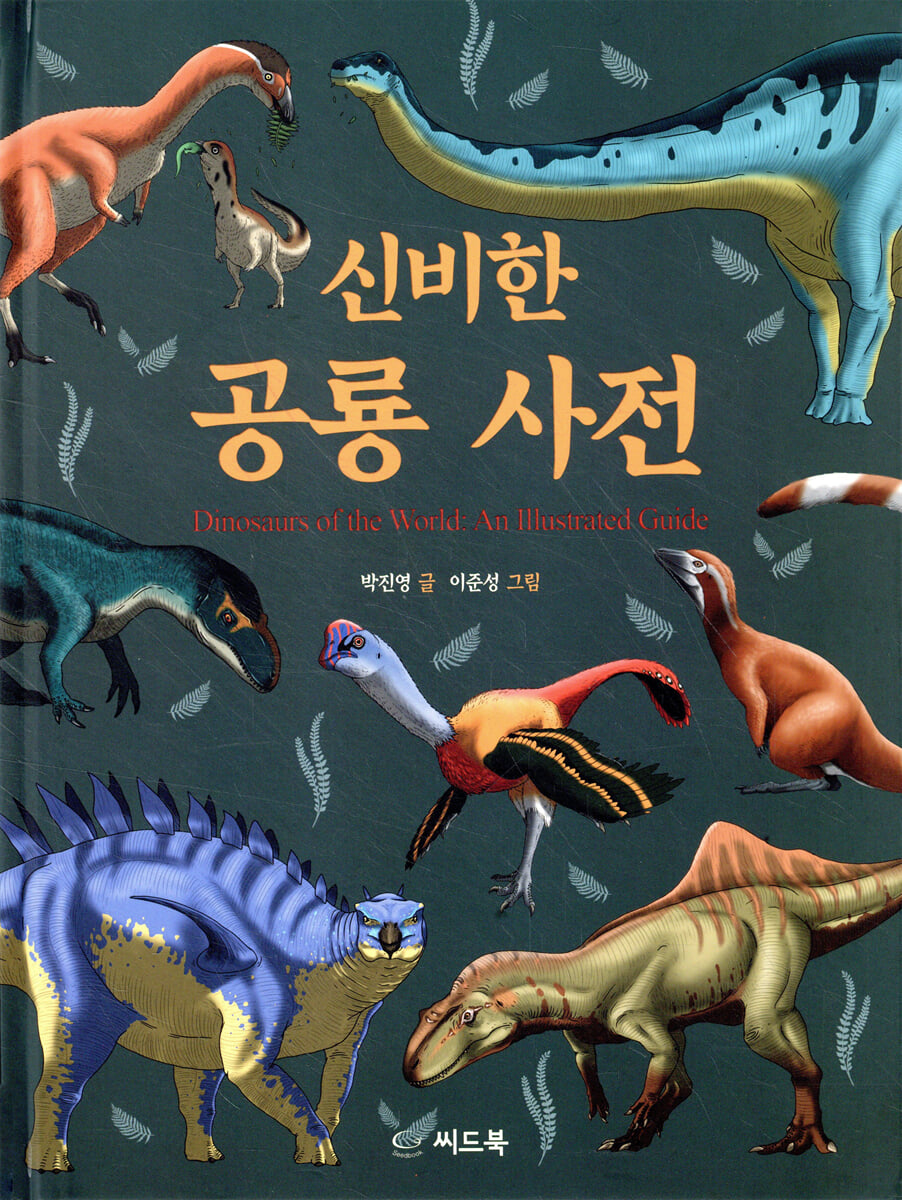
There is nothing I don't know about dinosaurs and there is nothing I can't write about. Paleontologist Jinyoung Park's "The Most Scientific Dinosaur Guide" The Mysterious Dinosaur Dictionary, a dinosaur encyclopedia by Jinyoung Park, a paleontologist and writer, and Junseong Lee, a dinosaur illustration nerd based on biological facts, contains the biological characteristics and ultra-realistic images of 100 dinosaurs. Writer Jinyoung Park and illustrator Junseong Lee worked closely together to deliver dinosaur information that is closer to the truth than any other book, based on thorough research. So this book is mysterious, but not mysterious. This book doesn't have the exaggerated dinosaurs you see in movies or books, who are always excited, angry, and destroying everything around them. The dinosaurs that appear in the Mysterious Dinosaur Dictionary are dinosaurs we didn't know about, truly 'strange' dinosaurs. So it's true, but it's a 'mysterious' fact, not some fantastic mystery. The dinosaur dictionary work of these two authors, who have a special affection for dinosaurs, is an effort to revive the original appearance of dinosaurs trapped in the illusion created by humans, and thus it is like the minimum courtesy to the creatures that lived on Earth before us. * School Library Journal <2019 Recommended Book List> |
- You can preview some of the book's contents.
Preview
index
Entering the world of dinosaurs
Who is the Dinosaur? 12
Where did dinosaurs come from? 14
Triassic 17
Jurassic 18
Cretaceous 20
Classifying Dinosaurs 22
Giant Dinosaur Family 24
Mysterious Dinosaur Dictionary from A to H
Gallimimus 28
Gorgosaurus 30
Guanlong 32
Giganotosaurus 34
Nanuqsaurus 36
Nigersaurus 38
Deinonychus 40
Deinocheirus 42
Denversaurus 44
Dryosaurus 46
Diplodocus 48
Dilophosaurus 50
Rapetosaurus 52
Limusaurus 54
Magiarosaurus 56
Mamenchisaurus 58
Masiakasaurus 60
Majungasaurus 62
Megalosaurus 64
May 66
Metriacanthosaurus 68
Monolophosaurus 70
Miragaia 72
Microraptor 74
Baryonyx 76
Velociraptor 78
Brachiosaurus 80
Brachytrachelophan 82
Brontosaurus 84
Saurolophus 86
Centrosaurus 88
Shunosaurus 90
Scansoriopteryx 92
Scelidosaurus 94
Scutellosaurus 96
Stegosaurus 98
Stenonychosaurus 100
Spinosaurus 102
Sinosauropteryx 104
Sinosaurus 106
Argentinosaurus 108
Archaeopteryx 110
Amargasaurus 112
Acrocanthosaurus 114
Apatosaurus 116
Afrovenator 118
Anchiornis 120
Ankylosaurus 122
Allosaurus 124
Alvarezsaurus 126
Albertosaurus 128
Yangchuanosaurus 130
Edmontosaurus 132
Eoraptor 134
Eotyrannus 136
Eustreptospondylus 138
Ornithomimus 140
Ornitholestes 142
Orictodromeus 144
Oviraptor 146
Unenlagia 148
Utahraptor 150
Yutyranus 152
This 154
Iguanodon 156
Inrong 158
Chintaosaurus 160
Carnotaurus 162
Carcharodontosaurus 164
Camarasaurus 166
Camptosaurus 168
Ceratosaurus 170
Kentrosaurus 172
Koreaceratops 174
Coelophysis 176
Concavenator 178
Compsognathus 180
Kunbarasaurus 182
Cryolophosaurus 184
Kitty Party 186
Tarbosaurus 188
Tenontosaurus 190
Therizinosaurus 192
Torosaurus 194
Triceratops 196
Tyrannosaurus 198
Parasaurolophus 200
Pachyrhinosaurus 202
Pachycephalosaurus 204
Pelecanimimus 206
Prenocephale 208
Protoceratops 210
Psittacosaurus 212
Plateosaurus 214
Pinacosaurus 216
Piatnitzukisaurus 218
Hadrosaurus 220
Heterodontosaurus 222
Huayangosaurus 224
Hypsilophodon 226
Where have all the dinosaurs gone?
Cretaceous extinction event 230
Are Dinosaurs Alive? 232
Even Now in the Age of the Dinosaurs 234
How to Study Dinosaur Fossils? 236
240 Korean museums where you can see dinosaur fossils
Who is the Dinosaur? 12
Where did dinosaurs come from? 14
Triassic 17
Jurassic 18
Cretaceous 20
Classifying Dinosaurs 22
Giant Dinosaur Family 24
Mysterious Dinosaur Dictionary from A to H
Gallimimus 28
Gorgosaurus 30
Guanlong 32
Giganotosaurus 34
Nanuqsaurus 36
Nigersaurus 38
Deinonychus 40
Deinocheirus 42
Denversaurus 44
Dryosaurus 46
Diplodocus 48
Dilophosaurus 50
Rapetosaurus 52
Limusaurus 54
Magiarosaurus 56
Mamenchisaurus 58
Masiakasaurus 60
Majungasaurus 62
Megalosaurus 64
May 66
Metriacanthosaurus 68
Monolophosaurus 70
Miragaia 72
Microraptor 74
Baryonyx 76
Velociraptor 78
Brachiosaurus 80
Brachytrachelophan 82
Brontosaurus 84
Saurolophus 86
Centrosaurus 88
Shunosaurus 90
Scansoriopteryx 92
Scelidosaurus 94
Scutellosaurus 96
Stegosaurus 98
Stenonychosaurus 100
Spinosaurus 102
Sinosauropteryx 104
Sinosaurus 106
Argentinosaurus 108
Archaeopteryx 110
Amargasaurus 112
Acrocanthosaurus 114
Apatosaurus 116
Afrovenator 118
Anchiornis 120
Ankylosaurus 122
Allosaurus 124
Alvarezsaurus 126
Albertosaurus 128
Yangchuanosaurus 130
Edmontosaurus 132
Eoraptor 134
Eotyrannus 136
Eustreptospondylus 138
Ornithomimus 140
Ornitholestes 142
Orictodromeus 144
Oviraptor 146
Unenlagia 148
Utahraptor 150
Yutyranus 152
This 154
Iguanodon 156
Inrong 158
Chintaosaurus 160
Carnotaurus 162
Carcharodontosaurus 164
Camarasaurus 166
Camptosaurus 168
Ceratosaurus 170
Kentrosaurus 172
Koreaceratops 174
Coelophysis 176
Concavenator 178
Compsognathus 180
Kunbarasaurus 182
Cryolophosaurus 184
Kitty Party 186
Tarbosaurus 188
Tenontosaurus 190
Therizinosaurus 192
Torosaurus 194
Triceratops 196
Tyrannosaurus 198
Parasaurolophus 200
Pachyrhinosaurus 202
Pachycephalosaurus 204
Pelecanimimus 206
Prenocephale 208
Protoceratops 210
Psittacosaurus 212
Plateosaurus 214
Pinacosaurus 216
Piatnitzukisaurus 218
Hadrosaurus 220
Heterodontosaurus 222
Huayangosaurus 224
Hypsilophodon 226
Where have all the dinosaurs gone?
Cretaceous extinction event 230
Are Dinosaurs Alive? 232
Even Now in the Age of the Dinosaurs 234
How to Study Dinosaur Fossils? 236
240 Korean museums where you can see dinosaur fossils
Detailed image
.jpg)
Into the book
Gorgosaurus fossils also show many signs of injuries sustained while the animal was alive.
The first reported skeleton showed signs of healing after two broken ribs, a fibula, and a third toe on the right foot.
It is a prime example of how difficult the life of a carnivorous dinosaur was.
--- p.30
So, all of Nigersaurus's teeth were incisors.
What's even more surprising is the thickness of the skull.
The head is only 2 millimeters thick.
In other words, the bones are as thin as nachos.
If you accidentally chew on even a pebble, your jaw could break.
So Nigersaurus may have been a cautious dinosaur.
Nigersaurus lived in floodplains filled with short plants.
So scientists believe that this dinosaur would have eaten plants by bending its head down and sweeping them like a vacuum cleaner.
--- p.38
The Sinosauropteryx fossil is the first evidence that some dinosaurs that lived in the past had feathers.
A fossil of Sinosauropteryx reported in 1996 showed traces of fluffy feathers preserved from the neck down the back to the tip of the tail.
Using powerful microscopes, scientists have also discovered organelles in these feathers that produce pigment cells.
Scientists have restored the color of feathers of the past by observing the shape of the cell organelles remaining in the feathers.
As a result, it was discovered that Sinosauropteryx had brown stripes on its eyes and tail.
Because of these stripes, the tail of Sinosauropteryx is reminiscent of a raccoon's tail.
--- p.104
But everything changed in 1969 when the fossil of the carnivorous dinosaur Deinonychus was reported to the scientific community.
The person who studied Deinonychus was the American scientist John Ostrom.
Ostrom discovered that Deinonychus' wrists were quite bird-like.
A bird's foreleg bone is crescent-shaped, and this special foreleg bone allows the bird to fold its wings sideways.
Surprisingly, Deinonychus also had a crescent-shaped forelimb, allowing its forelimbs to fold sideways.
This fact led Ostrom to wonder, 'Could it be that small carnivorous dinosaurs were really closely related to birds, as Huxley claimed?'
Since the discovery of Deinonychus, fossils of carnivorous dinosaurs with crescent-shaped forearms have been found all over the world.
So in 1986, Jacques Gautier, a scientist who was a junior colleague of John Ostrom, defined a new dinosaur group called "Maniraptorians," grouping together birds with crescent-shaped forearms, Deinonychus, and numerous other dinosaurs.
'Maniraptor' means 'hand plunderer' in Latin.
The first reported skeleton showed signs of healing after two broken ribs, a fibula, and a third toe on the right foot.
It is a prime example of how difficult the life of a carnivorous dinosaur was.
--- p.30
So, all of Nigersaurus's teeth were incisors.
What's even more surprising is the thickness of the skull.
The head is only 2 millimeters thick.
In other words, the bones are as thin as nachos.
If you accidentally chew on even a pebble, your jaw could break.
So Nigersaurus may have been a cautious dinosaur.
Nigersaurus lived in floodplains filled with short plants.
So scientists believe that this dinosaur would have eaten plants by bending its head down and sweeping them like a vacuum cleaner.
--- p.38
The Sinosauropteryx fossil is the first evidence that some dinosaurs that lived in the past had feathers.
A fossil of Sinosauropteryx reported in 1996 showed traces of fluffy feathers preserved from the neck down the back to the tip of the tail.
Using powerful microscopes, scientists have also discovered organelles in these feathers that produce pigment cells.
Scientists have restored the color of feathers of the past by observing the shape of the cell organelles remaining in the feathers.
As a result, it was discovered that Sinosauropteryx had brown stripes on its eyes and tail.
Because of these stripes, the tail of Sinosauropteryx is reminiscent of a raccoon's tail.
--- p.104
But everything changed in 1969 when the fossil of the carnivorous dinosaur Deinonychus was reported to the scientific community.
The person who studied Deinonychus was the American scientist John Ostrom.
Ostrom discovered that Deinonychus' wrists were quite bird-like.
A bird's foreleg bone is crescent-shaped, and this special foreleg bone allows the bird to fold its wings sideways.
Surprisingly, Deinonychus also had a crescent-shaped forelimb, allowing its forelimbs to fold sideways.
This fact led Ostrom to wonder, 'Could it be that small carnivorous dinosaurs were really closely related to birds, as Huxley claimed?'
Since the discovery of Deinonychus, fossils of carnivorous dinosaurs with crescent-shaped forearms have been found all over the world.
So in 1986, Jacques Gautier, a scientist who was a junior colleague of John Ostrom, defined a new dinosaur group called "Maniraptorians," grouping together birds with crescent-shaped forearms, Deinonychus, and numerous other dinosaurs.
'Maniraptor' means 'hand plunderer' in Latin.
--- pp.232~233
Publisher's Review
If one day you suddenly go to the dinosaur era
The Ultimate Dinosaur Guide: A Must-See for Everyone
What if you woke up one morning to find yourself in a dense forest of giant bracken? What if a giant long-necked dinosaur was munching on those bracken? What if you saw a swarm of ostrich dinosaurs swarming in the distance? You'd undoubtedly be transported back to the Mesozoic Era, when dinosaurs ruled the Earth.
The book you need most at such times is 『The Mysterious Dinosaur Dictionary』.
This book contains the appearance and ecology of dinosaurs that scientists have studied for a long time, from the king of dinosaurs, Tyrannosaurus, to the Psittacosaurus with a beak that looks just like a parrot.
So don't hesitate and turn the pages.
If you want to know how to befriend dinosaurs and which ones you should cower at!
There is nothing I don't know about dinosaurs and there is nothing I can't write about.
Paleontologist Jinyoung Park's "The Most Scientific Dinosaur Guide"
From dinosaur textbooks containing the latest research results to hilarious dinosaur fairy tales, dinosaur book author Jinyoung Park has returned with a dinosaur encyclopedia.
Author Jinyoung Park was the first in Korea to report fossils of giant Mesozoic lizards and birds, wrote a paper on long-necked dinosaurs, and is currently a paleontologist studying armored dinosaurs in Asia.
What this means is that he is a scientist who knows more about dinosaurs than anyone else.
The beautifully detailed illustrations, which reflect the latest restorations, and the text, which faithfully reflects scientific facts about dinosaurs, stand out from any other dinosaur guidebooks, domestic or foreign.
Moreover, since it covers as many as 100 species of dinosaurs, it features many rare dinosaurs that cannot be found in other books.
Information on dinosaur classification charts, dinosaur fossil research methods, and dinosaur museums in Korea are also included in the appendix.
Whether you are a child or an adult
The Most Beautiful Dinosaur Guide Anyone Can Immerse Them In
Recent research suggests that many dinosaurs were covered in feathers.
They are also active animals that raise their young with great care.
But we still think of dinosaurs as slow and ferocious animals.
Even in the numerous dinosaur guides in bookstores, they are still full of dinosaurs running forward with their claws raised as if ready to devour them.
However, 『The Mysterious Dinosaur Dictionary』 contains the true appearance of dinosaurs.
We have explained various facts discovered through the latest research by scientists in words and pictures.
The book features amazing and beautiful dinosaur images, including a peacefully napping Dilophosaurus, an exhausted Allosaurus caring for its young, and a Plateosaurus enjoying a sand bath.
Science is not lazy; it is constantly developing and evolving.
The appearance of the dinosaur also changes accordingly.
Enjoy the new 'world of dinosaurs' that has evolved dazzlingly over the years through this book!
The Ultimate Dinosaur Guide: A Must-See for Everyone
What if you woke up one morning to find yourself in a dense forest of giant bracken? What if a giant long-necked dinosaur was munching on those bracken? What if you saw a swarm of ostrich dinosaurs swarming in the distance? You'd undoubtedly be transported back to the Mesozoic Era, when dinosaurs ruled the Earth.
The book you need most at such times is 『The Mysterious Dinosaur Dictionary』.
This book contains the appearance and ecology of dinosaurs that scientists have studied for a long time, from the king of dinosaurs, Tyrannosaurus, to the Psittacosaurus with a beak that looks just like a parrot.
So don't hesitate and turn the pages.
If you want to know how to befriend dinosaurs and which ones you should cower at!
There is nothing I don't know about dinosaurs and there is nothing I can't write about.
Paleontologist Jinyoung Park's "The Most Scientific Dinosaur Guide"
From dinosaur textbooks containing the latest research results to hilarious dinosaur fairy tales, dinosaur book author Jinyoung Park has returned with a dinosaur encyclopedia.
Author Jinyoung Park was the first in Korea to report fossils of giant Mesozoic lizards and birds, wrote a paper on long-necked dinosaurs, and is currently a paleontologist studying armored dinosaurs in Asia.
What this means is that he is a scientist who knows more about dinosaurs than anyone else.
The beautifully detailed illustrations, which reflect the latest restorations, and the text, which faithfully reflects scientific facts about dinosaurs, stand out from any other dinosaur guidebooks, domestic or foreign.
Moreover, since it covers as many as 100 species of dinosaurs, it features many rare dinosaurs that cannot be found in other books.
Information on dinosaur classification charts, dinosaur fossil research methods, and dinosaur museums in Korea are also included in the appendix.
Whether you are a child or an adult
The Most Beautiful Dinosaur Guide Anyone Can Immerse Them In
Recent research suggests that many dinosaurs were covered in feathers.
They are also active animals that raise their young with great care.
But we still think of dinosaurs as slow and ferocious animals.
Even in the numerous dinosaur guides in bookstores, they are still full of dinosaurs running forward with their claws raised as if ready to devour them.
However, 『The Mysterious Dinosaur Dictionary』 contains the true appearance of dinosaurs.
We have explained various facts discovered through the latest research by scientists in words and pictures.
The book features amazing and beautiful dinosaur images, including a peacefully napping Dilophosaurus, an exhausted Allosaurus caring for its young, and a Plateosaurus enjoying a sand bath.
Science is not lazy; it is constantly developing and evolving.
The appearance of the dinosaur also changes accordingly.
Enjoy the new 'world of dinosaurs' that has evolved dazzlingly over the years through this book!
GOODS SPECIFICS
- Publication date: November 15, 2018
- Format: Hardcover book binding method guide
- Page count, weight, size: 256 pages | 521g | 200*265*30mm
- ISBN13: 9791160512090
- ISBN10: 1160512094
- KC Certification: Certification Type: Conformity Confirmation
You may also like
카테고리
korean


korean

![ELLE 엘르 스페셜 에디션 A형 : 12월 [2025]](http://librairie.coreenne.fr/cdn/shop/files/b8e27a3de6c9538896439686c6b0e8fb.jpg?v=1766436872&width=3840)


