

Korean Art History for Everyone
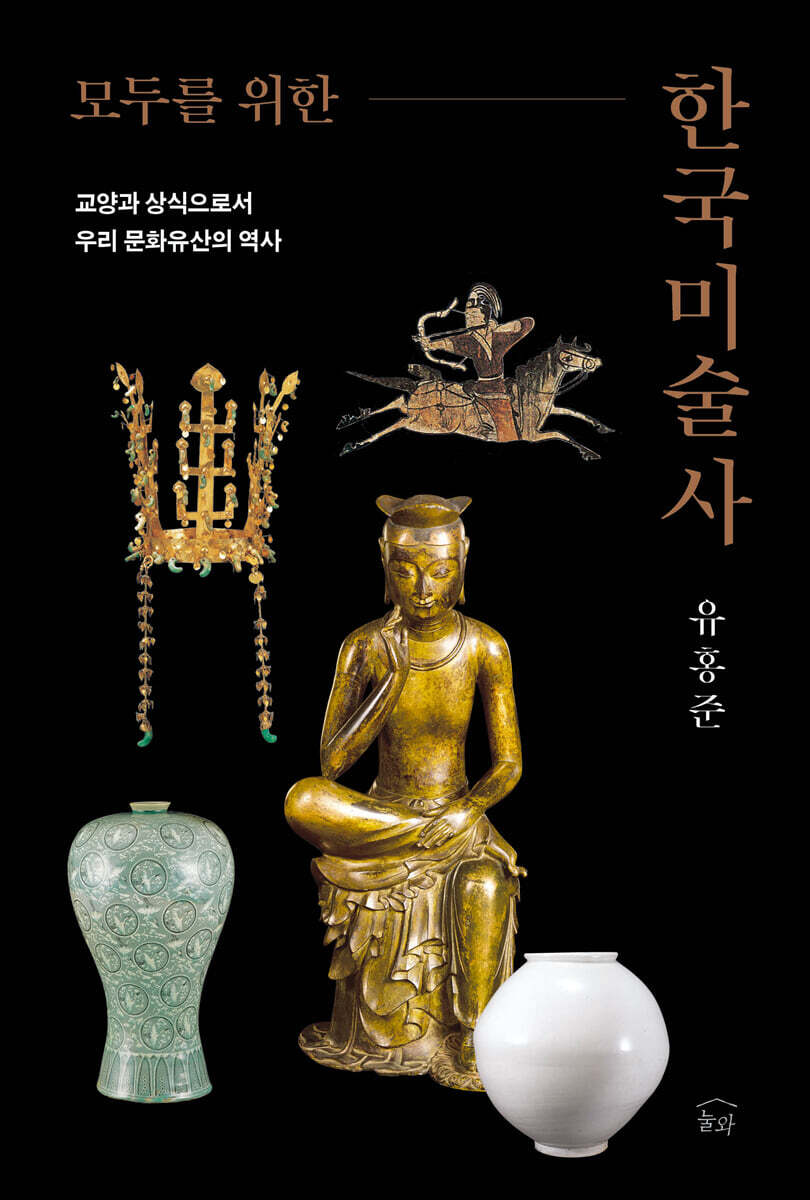 |
Description
Book Introduction
- A word from MD
-
A Comprehensive History of Korean Art in One VolumeIt contains all areas of Korean art, from paintings to crafts, from all eras from the Paleolithic Age to the modern era, in one volume.
The carefully selected cultural heritage subtly showcases the essence of Korean beauty, and the profound insight and eloquent commentary of Yoo Hong-jun, a pioneer of Korean culture and arts, vividly reveal the role of art in history.
September 26, 2025. Producer Hyunjae Ahn
Yoo Hong-jun's "A Comprehensive History of Korean Art in One Volume"
'A History of Korean Art in One Volume' by 'Korean Art Evangelist' Yoo Hong-jun.
With a total of 660 pages and over 1,000 illustrations, it clearly organizes the development of Korean art from the Paleolithic Age to the modern era, along with its historical context, while carefully selecting only the best from our vast cultural heritage, conveying its beauty and value in a graceful and faithful manner.
《Korean Art History for Everyone》, which possesses both popularity and depth, is a Korean art history that can be read comfortably from the comfort of a sofa, and will reach readers as a book that truly "is for everyone," broadening the foundation of Korean art itself.
'A History of Korean Art in One Volume' by 'Korean Art Evangelist' Yoo Hong-jun.
With a total of 660 pages and over 1,000 illustrations, it clearly organizes the development of Korean art from the Paleolithic Age to the modern era, along with its historical context, while carefully selecting only the best from our vast cultural heritage, conveying its beauty and value in a graceful and faithful manner.
《Korean Art History for Everyone》, which possesses both popularity and depth, is a Korean art history that can be read comfortably from the comfort of a sofa, and will reach readers as a book that truly "is for everyone," broadening the foundation of Korean art itself.
- You can preview some of the book's contents.
Preview
index
In publishing the book
Part 1: Prehistory and the Three Kingdoms
Chapter 1: The Stone Age
-A new dawn in Korean art history
Chapter 2: The Bronze Age
-or Gojoseon period
Chapter 3: The Three Kingdoms Period
-The road to an ancient nation
Chapter 4 Pottery of the Three Kingdoms Period
-The development of sturdy and diverse pottery
Chapter 5 Goguryeo Tomb Murals
-A symbol of strong beauty
Chapter 6: Baekje's Ancient Tombs and Metal Crafts
-The aesthetics of the sword and the fire
Chapter 7: Silla's Ancient Tombs and Metal Crafts
-The dazzling land of gold and silver
Chapter 8: Gaya Tomb Art
-The Legacy of the Unfinished Kingdom
Chapter 9: Garam Layout during the Three Kingdoms Period
-The Road to the Land of Stone Pagodas
Chapter 10: Buddhist Sculptures of the Three Kingdoms Period
-The origin of Korean Buddhist sculpture
Part 2 Unified Silla and Balhae
Chapter 11 Stone Art of Unified Silla
-Stone pagoda, stone lantern, stone pagoda
Chapter 12: Buddhist Statues and Sculptures of Unified Silla
-From ideal image to individual image
Chapter 13: Metal Crafts of Unified Silla
-Bell and sarira reliquary
Chapter 14: Art of Balhae
-The Legacy of a Lost Empire
Part 3: Consideration
Chapter 15: History and Architecture of Goryeo
-Openness and diversity
Chapter 16 Stone Art
- Spread of unique local styles
Chapter 17: Buddha Statues
-Diversity of the image of the Absolute
Chapter 18: Goryeo Celadon
-The best Goryeo jade color in the world
Chapter 19: Inlaid Celadon
-Beautiful patterns and the lyricism of the Goryeo people
Chapter 20: Discord and Death
-Goryeo Buddhist painting to the utmost of refinement
Chapter 21 Crafts
Inheriting the tradition of the craft kingdom
Part 4 Joseon
Chapter 22: Cultural History of the Joseon Dynasty as Seen Through Art History
-Royal culture, scholarly culture, folk culture
Chapter 23 Architecture
- Spatial implementation of Confucian norms and scholarly spirit
Chapter 24 Buncheong Ware
-The liberation of art brought about by the autonomy of the people
Chapter 25: White Porcelain of the Early and Middle Periods
-Completion of high-quality, high-quality white porcelain
Chapter 26: White Porcelain in the Late and Late Periods
-The glory and pride of Bunwon-ri white porcelain
Chapter 27: The Establishment of the Dohwaseo and Portraits
-The world of the Jeonjeon God beyond external facts
Chapter 28 Early Painting
-Establishment of An Gyeon's painting style and the tradition of sentimental painting
Chapter 29: Painting in the Middle Ages
-Landscape painting and the art of daily life
Chapter 30: Later Conversations
-The golden age of true landscape painting and folk painting
Chapter 31: Conversations in the Late Period
-The world of the new literati painting style and the new sensibility school
Chapter 32: Court Painting and Folk Painting
-The beauty and pleasure of decorative art
Chapter 33: Embroidery
-Practical art imbued with skill and sincerity
Chapter 34 Crafts
-The scent of life, or the smell of life
Chapter 35 Buddhist Art
-For the comfort of life and death
Chapter 36: Tomb Sculptures and Jangseung
-The power and breakthrough of the Guardian Fragment
Appendix: History of Korean Calligraphy
References
Source of the illustration
Part 1: Prehistory and the Three Kingdoms
Chapter 1: The Stone Age
-A new dawn in Korean art history
Chapter 2: The Bronze Age
-or Gojoseon period
Chapter 3: The Three Kingdoms Period
-The road to an ancient nation
Chapter 4 Pottery of the Three Kingdoms Period
-The development of sturdy and diverse pottery
Chapter 5 Goguryeo Tomb Murals
-A symbol of strong beauty
Chapter 6: Baekje's Ancient Tombs and Metal Crafts
-The aesthetics of the sword and the fire
Chapter 7: Silla's Ancient Tombs and Metal Crafts
-The dazzling land of gold and silver
Chapter 8: Gaya Tomb Art
-The Legacy of the Unfinished Kingdom
Chapter 9: Garam Layout during the Three Kingdoms Period
-The Road to the Land of Stone Pagodas
Chapter 10: Buddhist Sculptures of the Three Kingdoms Period
-The origin of Korean Buddhist sculpture
Part 2 Unified Silla and Balhae
Chapter 11 Stone Art of Unified Silla
-Stone pagoda, stone lantern, stone pagoda
Chapter 12: Buddhist Statues and Sculptures of Unified Silla
-From ideal image to individual image
Chapter 13: Metal Crafts of Unified Silla
-Bell and sarira reliquary
Chapter 14: Art of Balhae
-The Legacy of a Lost Empire
Part 3: Consideration
Chapter 15: History and Architecture of Goryeo
-Openness and diversity
Chapter 16 Stone Art
- Spread of unique local styles
Chapter 17: Buddha Statues
-Diversity of the image of the Absolute
Chapter 18: Goryeo Celadon
-The best Goryeo jade color in the world
Chapter 19: Inlaid Celadon
-Beautiful patterns and the lyricism of the Goryeo people
Chapter 20: Discord and Death
-Goryeo Buddhist painting to the utmost of refinement
Chapter 21 Crafts
Inheriting the tradition of the craft kingdom
Part 4 Joseon
Chapter 22: Cultural History of the Joseon Dynasty as Seen Through Art History
-Royal culture, scholarly culture, folk culture
Chapter 23 Architecture
- Spatial implementation of Confucian norms and scholarly spirit
Chapter 24 Buncheong Ware
-The liberation of art brought about by the autonomy of the people
Chapter 25: White Porcelain of the Early and Middle Periods
-Completion of high-quality, high-quality white porcelain
Chapter 26: White Porcelain in the Late and Late Periods
-The glory and pride of Bunwon-ri white porcelain
Chapter 27: The Establishment of the Dohwaseo and Portraits
-The world of the Jeonjeon God beyond external facts
Chapter 28 Early Painting
-Establishment of An Gyeon's painting style and the tradition of sentimental painting
Chapter 29: Painting in the Middle Ages
-Landscape painting and the art of daily life
Chapter 30: Later Conversations
-The golden age of true landscape painting and folk painting
Chapter 31: Conversations in the Late Period
-The world of the new literati painting style and the new sensibility school
Chapter 32: Court Painting and Folk Painting
-The beauty and pleasure of decorative art
Chapter 33: Embroidery
-Practical art imbued with skill and sincerity
Chapter 34 Crafts
-The scent of life, or the smell of life
Chapter 35 Buddhist Art
-For the comfort of life and death
Chapter 36: Tomb Sculptures and Jangseung
-The power and breakthrough of the Guardian Fragment
Appendix: History of Korean Calligraphy
References
Source of the illustration
Detailed image
.jpg)
Publisher's Review
Yoo Hong-jun's "A Comprehensive History of Korean Art in One Volume"
When it comes to general books that summarize the history of Western art in one volume, there are books and names that immediately come to mind.
However, most books on Korean art history are either too thick and difficult, too brief, or only cover specific topics, making it difficult to find a general book that I can confidently recommend to beginners.
《Korean Art History for Everyone》 is a book that will completely blow away the regrets of such readers.
Author Yoo Hong-jun guides readers into the world of Korean art with eloquent and friendly commentary, covering all eras from the Paleolithic Age to the modern era, and all fields from painting to crafts.
A popular and in-depth educational book
Author Yoo Hong-jun has been communicating with the public as a self-proclaimed “Korean art evangelist” since starting his public lecture series “Korean Art History for Youth” in 1985, exactly 40 years ago.
In addition, starting with the first volume published in 2010, he completed the six-volume, 2,600-page “Yoo Hong-jun’s Lectures on Korean Art History” over 13 years until 2023, setting a new standard for Korean art history.
《Korean Art History for Everyone》 was only possible thanks to the author's experience and knowledge accumulated over a long period of time in the field and on the podium.
Korean art history understood within the flow of history
The art history introduced in this book is not solely the history of art.
It tells how art was born in the long flow of history, from ancient times without records to modern times, and how that art also testifies to history.
From the prehistoric era, the Three Kingdoms period, the Goryeo Dynasty, and the Joseon Dynasty, each part briefly describes the historical background, and emphasizes the characteristics and individuality that represent the culture of that era, serving as a friendly guide to understanding the cultural heritage that we have today.
“History gives birth to relics, and relics bear witness to history.
It reveals how art appeared in the course of Korean history and how individual works of art speak of that era, presenting the reality of Korean cultural history in concrete images.
“This is the history of Korean art that Koreans should learn as a culture and common sense.”
-From 'Publishing a Book'
Korean art from a global perspective
In “Korean Art History for Everyone,” Yoo Hong-jun does not limit the history of Korean art to our own history, but also discusses the influences exchanged between the three East Asian countries of Korea, China, and Japan, allowing us to view it from a broader perspective.
Glassware and ornaments discovered in Silla tombs offer insight into the fact that a nation's cultural capabilities encompass not only its own creations but also those acquired through exchange, while Japanese pottery and Buddhist statues demonstrate the influence of ancient Korean states on Japanese culture.
Goryeo celadon and Joseon white porcelain originated from Chinese ceramic technology, but they also revealed that they added their own individuality to it and advanced into their own world.
When we look at Korean art history from this perspective, we finally realize that Korea holds a proud place in the history of Eastern art and world art.
The Essence of Korean Beauty Seen Through Carefully Selected Relics
《Korean Art History for Everyone》 consists of 660 pages of text and over 1,000 illustrations.
From our vast cultural heritage, we have extracted only the essence and arranged the photos in the best possible condition to match the text, allowing readers to immerse themselves in the world of Korean art without any obstacles.
From the splendid metalwork of the Three Kingdoms period, to the celadon that was praised by the Chinese people of the time as "Goryeo Bi-saek," to paintings by Joseon Dynasty masters such as Kim Hong-do and Shin Yun-bok, every page is filled with masterpieces and masterpieces.
When it comes to general books that summarize the history of Western art in one volume, there are books and names that immediately come to mind.
However, most books on Korean art history are either too thick and difficult, too brief, or only cover specific topics, making it difficult to find a general book that I can confidently recommend to beginners.
《Korean Art History for Everyone》 is a book that will completely blow away the regrets of such readers.
Author Yoo Hong-jun guides readers into the world of Korean art with eloquent and friendly commentary, covering all eras from the Paleolithic Age to the modern era, and all fields from painting to crafts.
A popular and in-depth educational book
Author Yoo Hong-jun has been communicating with the public as a self-proclaimed “Korean art evangelist” since starting his public lecture series “Korean Art History for Youth” in 1985, exactly 40 years ago.
In addition, starting with the first volume published in 2010, he completed the six-volume, 2,600-page “Yoo Hong-jun’s Lectures on Korean Art History” over 13 years until 2023, setting a new standard for Korean art history.
《Korean Art History for Everyone》 was only possible thanks to the author's experience and knowledge accumulated over a long period of time in the field and on the podium.
Korean art history understood within the flow of history
The art history introduced in this book is not solely the history of art.
It tells how art was born in the long flow of history, from ancient times without records to modern times, and how that art also testifies to history.
From the prehistoric era, the Three Kingdoms period, the Goryeo Dynasty, and the Joseon Dynasty, each part briefly describes the historical background, and emphasizes the characteristics and individuality that represent the culture of that era, serving as a friendly guide to understanding the cultural heritage that we have today.
“History gives birth to relics, and relics bear witness to history.
It reveals how art appeared in the course of Korean history and how individual works of art speak of that era, presenting the reality of Korean cultural history in concrete images.
“This is the history of Korean art that Koreans should learn as a culture and common sense.”
-From 'Publishing a Book'
Korean art from a global perspective
In “Korean Art History for Everyone,” Yoo Hong-jun does not limit the history of Korean art to our own history, but also discusses the influences exchanged between the three East Asian countries of Korea, China, and Japan, allowing us to view it from a broader perspective.
Glassware and ornaments discovered in Silla tombs offer insight into the fact that a nation's cultural capabilities encompass not only its own creations but also those acquired through exchange, while Japanese pottery and Buddhist statues demonstrate the influence of ancient Korean states on Japanese culture.
Goryeo celadon and Joseon white porcelain originated from Chinese ceramic technology, but they also revealed that they added their own individuality to it and advanced into their own world.
When we look at Korean art history from this perspective, we finally realize that Korea holds a proud place in the history of Eastern art and world art.
The Essence of Korean Beauty Seen Through Carefully Selected Relics
《Korean Art History for Everyone》 consists of 660 pages of text and over 1,000 illustrations.
From our vast cultural heritage, we have extracted only the essence and arranged the photos in the best possible condition to match the text, allowing readers to immerse themselves in the world of Korean art without any obstacles.
From the splendid metalwork of the Three Kingdoms period, to the celadon that was praised by the Chinese people of the time as "Goryeo Bi-saek," to paintings by Joseon Dynasty masters such as Kim Hong-do and Shin Yun-bok, every page is filled with masterpieces and masterpieces.
GOODS SPECIFICS
- Date of issue: September 22, 2025
- Page count, weight, size: 664 pages | 952g | 152*225*27mm
- ISBN13: 9791189074883
- ISBN10: 1189074885
You may also like
카테고리
korean


korean

![GQ KOREA Mark (Monthly): December [2025]](http://librairie.coreenne.fr/cdn/shop/files/8ef265dbbfbf186523ed75ba7319009d.jpg?v=1765340328&width=3840)


