

Lonely Caravaggio
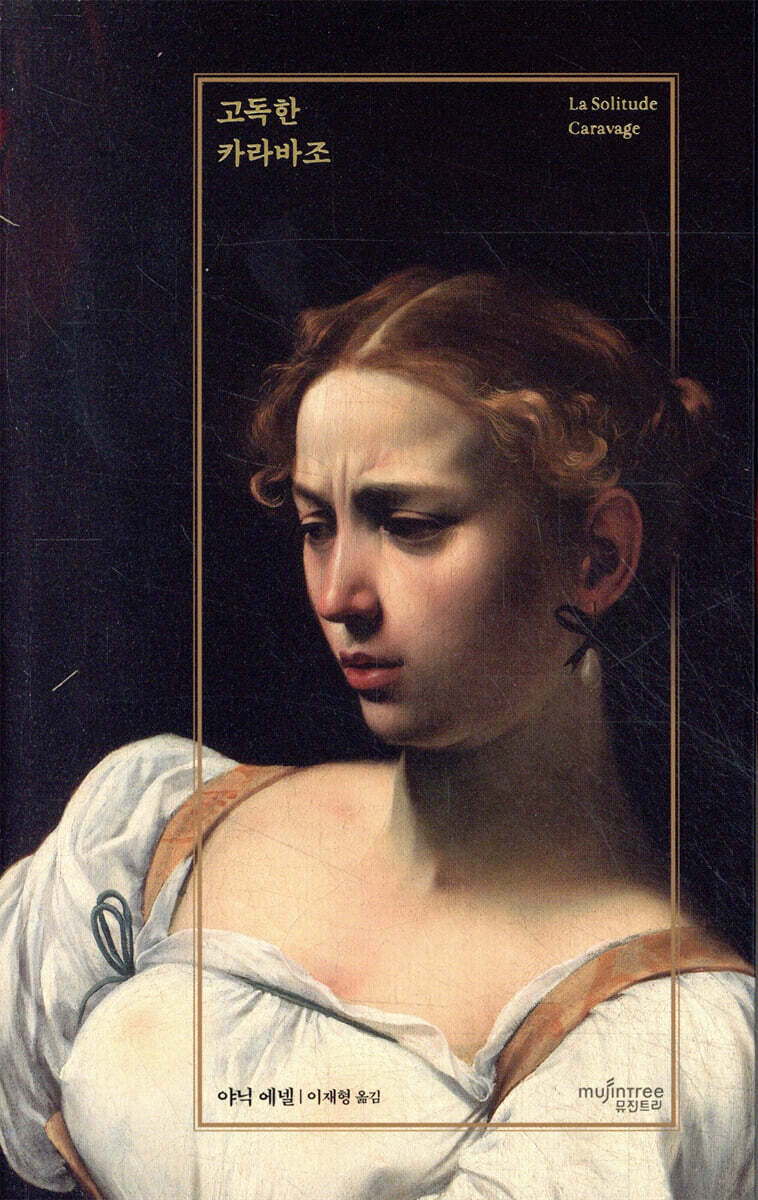 |
Description
Book Introduction
If the first person you fell in love with was a woman in a painting, where would those feelings flow?
《The Lonely Caravaggio》 is a unique prose piece that shows how the image of art can shake up a person's life and how that shaking is revived in sentences.
French writer Yannick Haenel was deeply captivated by the image of a woman in a Caravaggio painting he happened to see in a library when he was a high school student. He lived with that image for over 30 years and built a world around it.
Rather than a biography of an artist or a commentary on a painting, this book is a literary exploration of how a passionate desire born from a single image connects to writing and a way of life.
Painting and literature, the senses of the body and the impulse of writing come together, and the lonely yet powerful way in which a human being reads the world through art unfolds.
《The Lonely Caravaggio》 is a unique prose piece that shows how the image of art can shake up a person's life and how that shaking is revived in sentences.
French writer Yannick Haenel was deeply captivated by the image of a woman in a Caravaggio painting he happened to see in a library when he was a high school student. He lived with that image for over 30 years and built a world around it.
Rather than a biography of an artist or a commentary on a painting, this book is a literary exploration of how a passionate desire born from a single image connects to writing and a way of life.
Painting and literature, the senses of the body and the impulse of writing come together, and the lonely yet powerful way in which a human being reads the world through art unfolds.
index
01.
First Female 011
02.
Take Action 015
03.
Consciousness 018
04.
Secret Life 022
05.
Erotic Destiny 027
06.
Silence of Drawn Figures 031
07.
Beheading 034
08.
Judith 039
09.
Revelation 043
10.
All About Caravaggio 049
11.
Finding Pearls 053
12.
Meadow of Love 058
13.
San Luigi dei Francesi 064
14.
Arms of Christ 068
15.
Who is this calling for? 073
16.
A Fiery Leap Inward 078
17.
The Life of Caravaggio 082
18.
Point of Solitude 088
19.
Castrated Eye 094
20.
Father's Death 099
21.
Plague 104
22.
Miracle Spring 110
23.
Learn to Draw 119
24.
Arriving in Rome (1) 126
25.
Arriving in Rome (2) 134
26.
Peel the pear 144
27.
Here are some fruits 149
28.
Subversion and Disarray 157
29.
Fuck you 164
30.
Basket 170
31.
Mystery 180
32.
191 at Del Monte's House
33.
Mystery of Unhappiness 197
34.
Buttocks and Feet 208
35.
Butt and Butt 217
36.
Red Eyes 223
37.
Wisdom Will Not Come 229
38.
Caravaggio's Saint Francis 235
39.
Quarrel with Baglione 244
40.
Cézanne and Caravaggio 253
41.
Saint Catherine of Alexandria 258
42.
Judith and the Others 272
43.
Black Butterfly 278
44.
Doomsday 287
45.
After the crime 293
46.
Executioners 301
47.
Malta 310
48.
Escape 318
49.
Sicily! 323
50.
Approaching Christ 330
51.
The Last Secret 339
52.
Return 347
53.
Caravaggio's name 356
54.
363 According to the truth
First Female 011
02.
Take Action 015
03.
Consciousness 018
04.
Secret Life 022
05.
Erotic Destiny 027
06.
Silence of Drawn Figures 031
07.
Beheading 034
08.
Judith 039
09.
Revelation 043
10.
All About Caravaggio 049
11.
Finding Pearls 053
12.
Meadow of Love 058
13.
San Luigi dei Francesi 064
14.
Arms of Christ 068
15.
Who is this calling for? 073
16.
A Fiery Leap Inward 078
17.
The Life of Caravaggio 082
18.
Point of Solitude 088
19.
Castrated Eye 094
20.
Father's Death 099
21.
Plague 104
22.
Miracle Spring 110
23.
Learn to Draw 119
24.
Arriving in Rome (1) 126
25.
Arriving in Rome (2) 134
26.
Peel the pear 144
27.
Here are some fruits 149
28.
Subversion and Disarray 157
29.
Fuck you 164
30.
Basket 170
31.
Mystery 180
32.
191 at Del Monte's House
33.
Mystery of Unhappiness 197
34.
Buttocks and Feet 208
35.
Butt and Butt 217
36.
Red Eyes 223
37.
Wisdom Will Not Come 229
38.
Caravaggio's Saint Francis 235
39.
Quarrel with Baglione 244
40.
Cézanne and Caravaggio 253
41.
Saint Catherine of Alexandria 258
42.
Judith and the Others 272
43.
Black Butterfly 278
44.
Doomsday 287
45.
After the crime 293
46.
Executioners 301
47.
Malta 310
48.
Escape 318
49.
Sicily! 323
50.
Approaching Christ 330
51.
The Last Secret 339
52.
Return 347
53.
Caravaggio's name 356
54.
363 According to the truth
Detailed image
.jpg)
Into the book
I don't think the silence of the painting interrupts my speech.
Rather, the world contained in that silence became so familiar that from then on, I began to express myself internally as if I were in that world.
The figures that bring the painting to life possess a subtlety that is lost in everyday language.
The purpose of this book is to reconnect with this subtle voice.
It's about rediscovering words that match the burning puzzle that fills the picture.
--- p.32
Caravaggio was perhaps the first painter to take nihilism seriously, the first to not escape into the illusion that painting was merely a vain pursuit.
--- p.106
How can we approach our own experience without exposing ourselves to nothingness? Failure is sometimes beneficial.
Because in failure the door to acceptance opens.
Paul regains his sight when he experiences failure, that is, when he falls.
Glare suggests obstacles, imbalances, and mistakes in reality.
We stumble like Proust, we stumble like Montaigne or Rousseau.
--- p.223
Caravaggio is also a king.
And he loves nothing more than dipping his crown in a ditch.
Not because he wants to be dirty, but because his truth lies not only in the gold of his paintings, but also in the mud of the night.
The light and shade method was never the position he chose.
What he discovered through his paintings, that dangerous middle ground where darkness and light meet, is also the gap through which he slips into his own life.
--- p.225
We hope artists don't push the boundaries, but if they do, what's there to live for? Even among those who believe themselves to be artists, excess sometimes ends up in the ridiculous guise of pretense.
But Caravaggio pursues only one thing: infinite freedom.
A painting is a place where two extremes meet and fill the space between them.
In other words, like literature, painting also contains infinity.
--- p.254
I have always thought that a great painter is someone who reaches that moment in life when words and things have worn out and can express nothing but transparency, when there is an empty light, a nest of extinguished flames, a little wall without color.
Here, something that is not clearly visible replaces the gaze.
Seeing is through different eyes.
--- p.285
No one can say whether he was reconciled to the divine, or whether he loved the divine and devoted all his powers to it, or whether he turned away from it in endless debauchery.
Does sin permeate everything, or does it stop at the door of art? Caravaggio went so far into his own darkness that it may not have been the same person who discovered the pure realm through his art.
But there must be grace.
Otherwise, what on earth would a painting be?
--- p.343
The background of Caravaggio's painting suddenly takes on an unexpected meaning.
In his paintings we mainly see violence that blocks out reality, but what ultimately surprises us is the fact that black is the color of God.
--- p.345
I hope this book never ends.
I want to continue living with Caravaggio.
As I have done for a year, I want to spend all day carrying around a professional book, looking at the paintings over and over again, and thinking deeply about the details of the paintings.
I want to open my heart to those figures who seem to have been entrusted to me, as if Judith had taken off her earring and placed it carefully in the palm of my hand.
Rather, the world contained in that silence became so familiar that from then on, I began to express myself internally as if I were in that world.
The figures that bring the painting to life possess a subtlety that is lost in everyday language.
The purpose of this book is to reconnect with this subtle voice.
It's about rediscovering words that match the burning puzzle that fills the picture.
--- p.32
Caravaggio was perhaps the first painter to take nihilism seriously, the first to not escape into the illusion that painting was merely a vain pursuit.
--- p.106
How can we approach our own experience without exposing ourselves to nothingness? Failure is sometimes beneficial.
Because in failure the door to acceptance opens.
Paul regains his sight when he experiences failure, that is, when he falls.
Glare suggests obstacles, imbalances, and mistakes in reality.
We stumble like Proust, we stumble like Montaigne or Rousseau.
--- p.223
Caravaggio is also a king.
And he loves nothing more than dipping his crown in a ditch.
Not because he wants to be dirty, but because his truth lies not only in the gold of his paintings, but also in the mud of the night.
The light and shade method was never the position he chose.
What he discovered through his paintings, that dangerous middle ground where darkness and light meet, is also the gap through which he slips into his own life.
--- p.225
We hope artists don't push the boundaries, but if they do, what's there to live for? Even among those who believe themselves to be artists, excess sometimes ends up in the ridiculous guise of pretense.
But Caravaggio pursues only one thing: infinite freedom.
A painting is a place where two extremes meet and fill the space between them.
In other words, like literature, painting also contains infinity.
--- p.254
I have always thought that a great painter is someone who reaches that moment in life when words and things have worn out and can express nothing but transparency, when there is an empty light, a nest of extinguished flames, a little wall without color.
Here, something that is not clearly visible replaces the gaze.
Seeing is through different eyes.
--- p.285
No one can say whether he was reconciled to the divine, or whether he loved the divine and devoted all his powers to it, or whether he turned away from it in endless debauchery.
Does sin permeate everything, or does it stop at the door of art? Caravaggio went so far into his own darkness that it may not have been the same person who discovered the pure realm through his art.
But there must be grace.
Otherwise, what on earth would a painting be?
--- p.343
The background of Caravaggio's painting suddenly takes on an unexpected meaning.
In his paintings we mainly see violence that blocks out reality, but what ultimately surprises us is the fact that black is the color of God.
--- p.345
I hope this book never ends.
I want to continue living with Caravaggio.
As I have done for a year, I want to spend all day carrying around a professional book, looking at the paintings over and over again, and thinking deeply about the details of the paintings.
I want to open my heart to those figures who seem to have been entrusted to me, as if Judith had taken off her earring and placed it carefully in the palm of my hand.
--- p.363
Publisher's Review
“Art is not something to be looked at, but something to be lived.”
A literary exploration combining autobiographical reflection and art criticism.
To talk about the painter Caravaggio is to encounter the unknown.
These artists and their works were largely forgotten for many years until they were rediscovered by art historian Roberto Longhi in the mid-20th century.
Caravaggio, who suddenly appeared from a tomb in history, was a figure surrounded by legend.
Although already considered an eccentric in his own time in the 16th century, and his fiery temperament and rebellious nature ultimately led him to commit murder and an unhappy end in persecution, Caravaggio was a passionate painter.
The 60 or so pieces of his work that remain today attest to this fact.
Yannick Haenel, a novelist and author of Blue Bacon, tells the story of Caravaggio's work and life in his own way in this book, The Lonely Caravaggio.
Enel looks at [Judith Beheading Holofernes], [The Calling of Saint Matthew], [The Sick Bacchus], and [The Beheading of John the Baptist], which shook his life, with an incomparable gaze, and explores the meaning of inner human desire, pain, beauty, and salvation through his paintings.
The image that captivated life, the beginning of that desire
In the closed and disciplined space of a military high school, a teenage boy accidentally encounters a painting in the library.
A close-up image of a woman standing against a black velvet curtain.
From that moment on, the woman's face, the pearls and butterfly ribbon hanging from her ears, the line of her shoulders and her eyes are no longer just a painting.
The image acts like a life-splitting blade, completely capturing the boy's eyes, hands, mind, and desires.
The obsession with the women in the painting is not simply eroticism.
It functions as a rite of passage that marks the change in the way humans perceive the world, before and after.
By emphasizing the senses that precede language and the images that precede concepts, this book revives the power of the 'first image' that we had forgotten.
Enel slowly draws the reader into that moment when life suddenly becomes clear, that very moment when we begin to love something.
What the author focuses on is not the aesthetics of the painting, but how the painting leaves a trace on the human mind.
The black butterfly and pearls on Judith's earrings are not just decorations, but also symbols of desire and the secrets of life, demanding intense immersion from the reader.
A confession that painting rewrote my life
《The Solitary Caravaggio》 is not a biography or commentary on Caravaggio.
What this book focuses on is the narrative of how a single image, a single painting, can transform a person's senses, and how that sense can rewrite an entire life.
The journey culminates 15 years later, when he is finally reunited with the painting in a museum in Rome.
Enel, confronted with the shocking truth of the work [Judith Beheading Holofernes], experiences a true revelation.
The figure I once believed to be love was 'Judith' in that work, and only then did the entire composition become apparent, and in the painting, she was decapitating a man.
In front of that scene where intense beauty is mixed with violence, Enel realizes for the first time what the object of his love was.
How cruel and contradictory that desire was, how blindly it was a long-term projection.
But this discovery does not end in despair or betrayal, and from that moment on, Enel begins to put this intense awareness into words.
The artist increasingly immerses himself in the details of the image, reflecting and reconstructing his entire being in this painting, not just at the level of art appreciation.
And finally he says:
The sentence, "The painting is not what I saw, but what saw me." is not a smooth reproduction of this experience, but a fierce attempt to restore the violence and silence, the light and loneliness of the painting in language.
"The Solitary Caravaggio" is a rare record of how one artist brought art to life.
What happens at the intersection of literature and art
What makes this book special is its persistent exploration of how art and literature mediate and replace each other.
Yannick Haenel revisits the origins of literature through Caravaggio's paintings.
He says.
'To think of a woman is to write.' It's not just about singing about the object of love, but it depicts how images evoke language, and how that language, in turn, changes the contours of reality.
At this point, literature becomes not a means of describing reality, but a form of sensation that constitutes reality.
Caravaggio's light, the trembling of flesh in his paintings, the leaping movements of hands in silence? All these are translated into language and constitute a new reality.
And in this process, we come to realize that art is not simply a legacy of the past, but a transformation of the senses that evokes life here and now.
《The Lonely Caravaggio》 is an internalized record of that artistic experience.
This book is made up of sentences that were created while following the emotions that could not be expressed in those moments when I was alone and overwhelmed by something.
This book, which crosses the boundaries between 'art' and 'literature,' asks what we truly love and why we write through the character of Caravaggio.
If you ever felt like a face in a painting was staring at you for a long time, this book will bring back that memory.
In that sense, “The Lonely Caravaggio” is a confession dedicated to all readers who want to transform art into the language of life.
A literary exploration combining autobiographical reflection and art criticism.
To talk about the painter Caravaggio is to encounter the unknown.
These artists and their works were largely forgotten for many years until they were rediscovered by art historian Roberto Longhi in the mid-20th century.
Caravaggio, who suddenly appeared from a tomb in history, was a figure surrounded by legend.
Although already considered an eccentric in his own time in the 16th century, and his fiery temperament and rebellious nature ultimately led him to commit murder and an unhappy end in persecution, Caravaggio was a passionate painter.
The 60 or so pieces of his work that remain today attest to this fact.
Yannick Haenel, a novelist and author of Blue Bacon, tells the story of Caravaggio's work and life in his own way in this book, The Lonely Caravaggio.
Enel looks at [Judith Beheading Holofernes], [The Calling of Saint Matthew], [The Sick Bacchus], and [The Beheading of John the Baptist], which shook his life, with an incomparable gaze, and explores the meaning of inner human desire, pain, beauty, and salvation through his paintings.
The image that captivated life, the beginning of that desire
In the closed and disciplined space of a military high school, a teenage boy accidentally encounters a painting in the library.
A close-up image of a woman standing against a black velvet curtain.
From that moment on, the woman's face, the pearls and butterfly ribbon hanging from her ears, the line of her shoulders and her eyes are no longer just a painting.
The image acts like a life-splitting blade, completely capturing the boy's eyes, hands, mind, and desires.
The obsession with the women in the painting is not simply eroticism.
It functions as a rite of passage that marks the change in the way humans perceive the world, before and after.
By emphasizing the senses that precede language and the images that precede concepts, this book revives the power of the 'first image' that we had forgotten.
Enel slowly draws the reader into that moment when life suddenly becomes clear, that very moment when we begin to love something.
What the author focuses on is not the aesthetics of the painting, but how the painting leaves a trace on the human mind.
The black butterfly and pearls on Judith's earrings are not just decorations, but also symbols of desire and the secrets of life, demanding intense immersion from the reader.
A confession that painting rewrote my life
《The Solitary Caravaggio》 is not a biography or commentary on Caravaggio.
What this book focuses on is the narrative of how a single image, a single painting, can transform a person's senses, and how that sense can rewrite an entire life.
The journey culminates 15 years later, when he is finally reunited with the painting in a museum in Rome.
Enel, confronted with the shocking truth of the work [Judith Beheading Holofernes], experiences a true revelation.
The figure I once believed to be love was 'Judith' in that work, and only then did the entire composition become apparent, and in the painting, she was decapitating a man.
In front of that scene where intense beauty is mixed with violence, Enel realizes for the first time what the object of his love was.
How cruel and contradictory that desire was, how blindly it was a long-term projection.
But this discovery does not end in despair or betrayal, and from that moment on, Enel begins to put this intense awareness into words.
The artist increasingly immerses himself in the details of the image, reflecting and reconstructing his entire being in this painting, not just at the level of art appreciation.
And finally he says:
The sentence, "The painting is not what I saw, but what saw me." is not a smooth reproduction of this experience, but a fierce attempt to restore the violence and silence, the light and loneliness of the painting in language.
"The Solitary Caravaggio" is a rare record of how one artist brought art to life.
What happens at the intersection of literature and art
What makes this book special is its persistent exploration of how art and literature mediate and replace each other.
Yannick Haenel revisits the origins of literature through Caravaggio's paintings.
He says.
'To think of a woman is to write.' It's not just about singing about the object of love, but it depicts how images evoke language, and how that language, in turn, changes the contours of reality.
At this point, literature becomes not a means of describing reality, but a form of sensation that constitutes reality.
Caravaggio's light, the trembling of flesh in his paintings, the leaping movements of hands in silence? All these are translated into language and constitute a new reality.
And in this process, we come to realize that art is not simply a legacy of the past, but a transformation of the senses that evokes life here and now.
《The Lonely Caravaggio》 is an internalized record of that artistic experience.
This book is made up of sentences that were created while following the emotions that could not be expressed in those moments when I was alone and overwhelmed by something.
This book, which crosses the boundaries between 'art' and 'literature,' asks what we truly love and why we write through the character of Caravaggio.
If you ever felt like a face in a painting was staring at you for a long time, this book will bring back that memory.
In that sense, “The Lonely Caravaggio” is a confession dedicated to all readers who want to transform art into the language of life.
GOODS SPECIFICS
- Date of issue: May 23, 2025
- Page count, weight, size: 368 pages | 354g | 119*188*19mm
- ISBN13: 9791161111483
- ISBN10: 1161111484
You may also like
카테고리
korean


korean

![GQ KOREA Mark (Monthly): December [2025]](http://librairie.coreenne.fr/cdn/shop/files/8ef265dbbfbf186523ed75ba7319009d.jpg?v=1765340328&width=3840)


