

wooden book
 |
Description
Book Introduction
Over the course of 380 million years
A 'tree' that has grown taller and taller and has flourished,
The secret hidden in the appearance of various trees is revealed.
The 'Encyclopedia of Trees', which contains everything about tree ecology.
★ 2024 Best Book in Korea (BBK) Award Winner ★
Another unique plant guide following the Flower Book
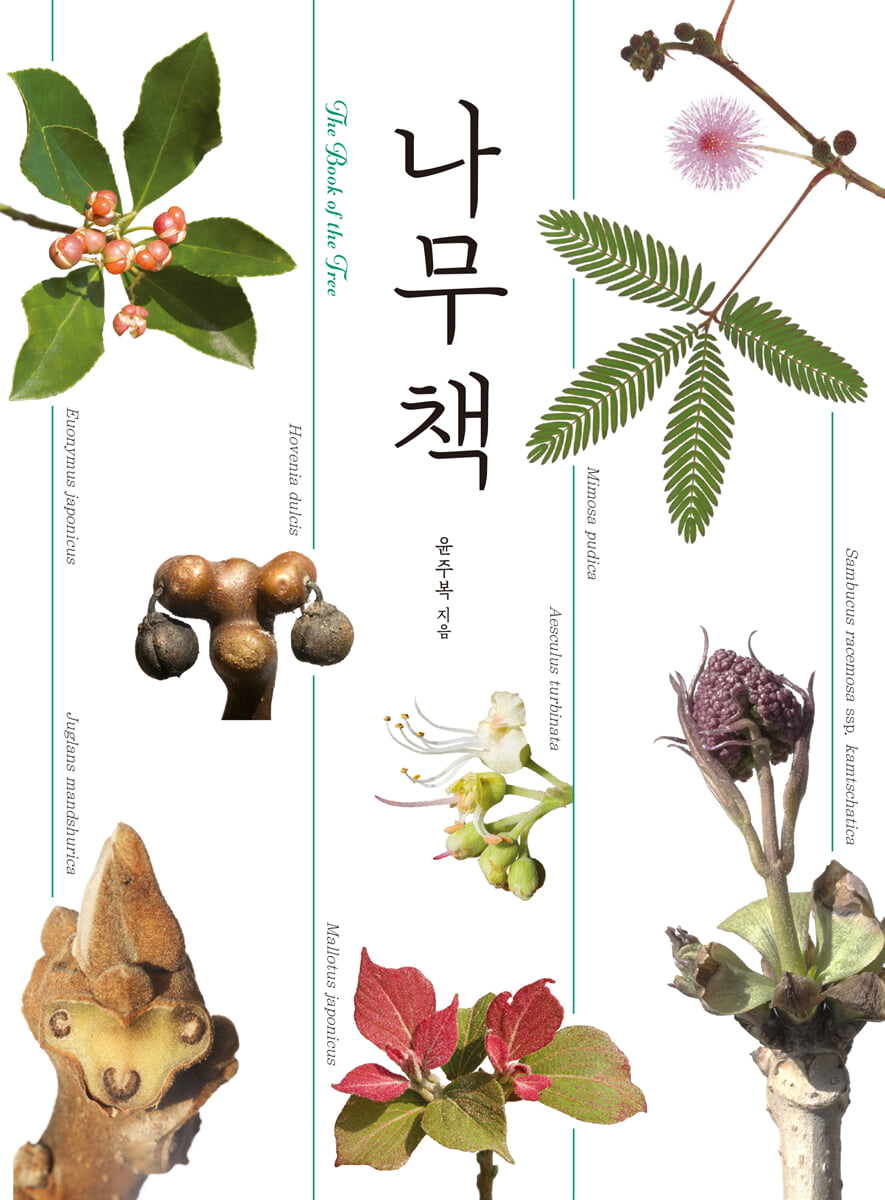
"The Book of Trees" is the best botanical guide and encyclopedia of trees, examining the appearance and life of trees through 341 terms.
Yoon Joo-bok, a plant ecologist and photographer who has been observing and photographing trees for nearly 40 years, has published another masterpiece following his award-winning work, “Flower Book,” which won the 2024 Best Book in Korea (BBK). It contains everything that can be observed in trees.
From what a tree is to the types of trees, the functions and characteristics of each organ that makes up a tree, and the uses of trees, you can learn about them through over 1,800 detailed photos and plant terminology, accurately understanding the ecology of trees that have supported the Earth for a long time and further enhancing your knowledge of plants.
It uses easy-to-understand Korean terms, and Chinese characters and English terms are written separately for reference. It also includes a 'Terminology Explanation' and a 'Plant Name Lookup', making it an excellent guide for plant researchers and enthusiasts, as well as those just beginning to take an interest in trees.
A 'tree' that has grown taller and taller and has flourished,
The secret hidden in the appearance of various trees is revealed.
The 'Encyclopedia of Trees', which contains everything about tree ecology.
★ 2024 Best Book in Korea (BBK) Award Winner ★
Another unique plant guide following the Flower Book
"The Book of Trees" is the best botanical guide and encyclopedia of trees, examining the appearance and life of trees through 341 terms.
Yoon Joo-bok, a plant ecologist and photographer who has been observing and photographing trees for nearly 40 years, has published another masterpiece following his award-winning work, “Flower Book,” which won the 2024 Best Book in Korea (BBK). It contains everything that can be observed in trees.
From what a tree is to the types of trees, the functions and characteristics of each organ that makes up a tree, and the uses of trees, you can learn about them through over 1,800 detailed photos and plant terminology, accurately understanding the ecology of trees that have supported the Earth for a long time and further enhancing your knowledge of plants.
It uses easy-to-understand Korean terms, and Chinese characters and English terms are written separately for reference. It also includes a 'Terminology Explanation' and a 'Plant Name Lookup', making it an excellent guide for plant researchers and enthusiasts, as well as those just beginning to take an interest in trees.
- You can preview some of the book's contents.
Preview
index
At the beginning of the book
I Classification of trees
What are trees? | Conifers | Broadleaf trees | Palm trees | Cycads | Cottonwoods | Bananas | Evergreens and deciduous trees | Semi-evergreens | Shrubs, tall trees, and vines | How tall can trees grow?
II Root
Roots | Banyan | Pandanus root | Kapok root | Apia pi respiratory root | Viviparous seeds | Mangrove | Creeper root
III Stem and Branches
Tree bark | Birch bark | Cork oak | Differentiating different types of tree bark | Cross-section of a tree trunk and annual rings | How vines climb | Trunk of a kudzu | Tree resin | Rubber tree | Tree sap | Trees that store water in their trunks | Epiphytes | Parasitic plants | Branches | Age of dogwood branches | Long and short branches | Terminal buds and lateral buds | Bud scales | Bare buds | Hairy bud scales | Flower buds and leaf buds | Azalea and cornelian cherry flower buds | Alder flower buds | Ginger leaf buds | Elderberry mixed buds | White magnolia winter buds | Winter buds and summer buds | Leaf marks | Japanese maple | Various leaf marks | Monkey tree | Clover tree | Stipule marks | False terminal buds | Buried buds | Primary buds and accessory buds | Petiole buds | Dormant buds | Cross-section of winter buds | Stem thorns | Leaf thorns | Bark thorns | Bark buds | Cross-section of a tree branch | The process of growing leaves from winter buds | New shoots that have encountered the cold of spring
IV leaf
Leaf shape | Leaf structure | How leaves are arranged on a branch | Various leaf orderings | Other ways of growing leaves | Simple leaf | Compound leaf | Palmate compound leaf | Pinate compound leaf | Leaf tip and base | Leaf margin | Leaf vein | Lime tree leaves | Trees with leaves of various shapes | Petioles | Sleeping alder tree | Nectar glands on petioles | Stipules | Needles | Pines | Golden pine | Hinoki cypress scale leaves | Distinguishing scale leaves | Deciduous oak trees | Evergreen oak trees | Principles of changing leaves | Maple maple leaves | Maple leaves that turn red | Maple leaves that turn yellow | Maple leaves of coniferous trees | Maple leaves of evergreen trees | The order in which leaves turn on a branch | Colors of new leaves | Patterned leaves | Croton | Common cypress that attracts insects with its leaves | Broadleaf trees with glossy leaves | Chinese parasol leaves | Trees that spend the winter with their fallen leaves hanging | Leaves eaten by insects | Leaves eaten as greens
V flower
Flower structure | Radially symmetrical flowers and bilaterally symmetrical flowers | Flower geometry | Inflorescence | Monoecious tree | Common ash tree | Dioecious tree | Pussy willow | Polygamous tree | Korean ash tree | Ovary | Hedge ovary | Sex change in pine trees | Primitive flower - sedge | Primitive flower - magnolia | Symbiosis of the sedge tree and the sedge wasp | False petals made by bracts | Tree with a strong flower fragrance | Paramita
VI Fruits and Seeds
From flower to fruit | Young fruit | Traces of fruit branches | Protecting chestnut fruit | Carpels of Chinese parasol tree | Seeds of cypress tree | Dorsal seeds | Seeds of papaya | Geometry of fruit | Flesh and dry fruits | Gathered and compound fruits | Pinecone fruit | Cracking pine cone fruit | Thuja pine cone fruit | Yew fruit | Fruit of angiosperms resembling pine cones | Callose fruit of Nelumbo nucifera | Honggoebul tree fruit | Arid husks | Fruits with edible arils | Nutmeg | Perennial calyx | Classification of fruits | Cauliflower | Semi-cauliflower | Drupe fruit | Berries | Nuts | Nutty nuts | Coconut | Capsule fruit | Tropical fruits | Durian | Tamarind fruit | Dried persimmon | Cacao for making chocolate | Black gold, pepper | The devil's temptation, coffee | Poisonous fruit | Birch seeds | How to spread fruits and seeds | Seeds that sprout in forest fires | Tree sprouts | The life cycle of boxwood
VII Trees and Life
Forest structure | Forest succession and climax forests | Korea's forest belt | Sunflowers that grow well in the sun | Shade trees that grow well in the shade | Benefits of forests | Supia, the child of the forest | Living creatures in trees | Trunk wounds | Healing of trunk wounds | Air pollution and trees | Tree death | Trees used for lumber | Household items made of wood | Gardens | Stone and charcoal trees | Street trees | Landscape trees with beautiful flowers | Landscape trees with beautiful fruit | Landscape trees with beautiful autumn foliage | Pavilion trees that provide good shade | Trees that make hedges | Bonsai and topiary | Medicinal trees | Endemic trees that grow only in Korea | The four seasons of the King Cherry tree
Glossary of Terms
Look up plant names
I Classification of trees
What are trees? | Conifers | Broadleaf trees | Palm trees | Cycads | Cottonwoods | Bananas | Evergreens and deciduous trees | Semi-evergreens | Shrubs, tall trees, and vines | How tall can trees grow?
II Root
Roots | Banyan | Pandanus root | Kapok root | Apia pi respiratory root | Viviparous seeds | Mangrove | Creeper root
III Stem and Branches
Tree bark | Birch bark | Cork oak | Differentiating different types of tree bark | Cross-section of a tree trunk and annual rings | How vines climb | Trunk of a kudzu | Tree resin | Rubber tree | Tree sap | Trees that store water in their trunks | Epiphytes | Parasitic plants | Branches | Age of dogwood branches | Long and short branches | Terminal buds and lateral buds | Bud scales | Bare buds | Hairy bud scales | Flower buds and leaf buds | Azalea and cornelian cherry flower buds | Alder flower buds | Ginger leaf buds | Elderberry mixed buds | White magnolia winter buds | Winter buds and summer buds | Leaf marks | Japanese maple | Various leaf marks | Monkey tree | Clover tree | Stipule marks | False terminal buds | Buried buds | Primary buds and accessory buds | Petiole buds | Dormant buds | Cross-section of winter buds | Stem thorns | Leaf thorns | Bark thorns | Bark buds | Cross-section of a tree branch | The process of growing leaves from winter buds | New shoots that have encountered the cold of spring
IV leaf
Leaf shape | Leaf structure | How leaves are arranged on a branch | Various leaf orderings | Other ways of growing leaves | Simple leaf | Compound leaf | Palmate compound leaf | Pinate compound leaf | Leaf tip and base | Leaf margin | Leaf vein | Lime tree leaves | Trees with leaves of various shapes | Petioles | Sleeping alder tree | Nectar glands on petioles | Stipules | Needles | Pines | Golden pine | Hinoki cypress scale leaves | Distinguishing scale leaves | Deciduous oak trees | Evergreen oak trees | Principles of changing leaves | Maple maple leaves | Maple leaves that turn red | Maple leaves that turn yellow | Maple leaves of coniferous trees | Maple leaves of evergreen trees | The order in which leaves turn on a branch | Colors of new leaves | Patterned leaves | Croton | Common cypress that attracts insects with its leaves | Broadleaf trees with glossy leaves | Chinese parasol leaves | Trees that spend the winter with their fallen leaves hanging | Leaves eaten by insects | Leaves eaten as greens
V flower
Flower structure | Radially symmetrical flowers and bilaterally symmetrical flowers | Flower geometry | Inflorescence | Monoecious tree | Common ash tree | Dioecious tree | Pussy willow | Polygamous tree | Korean ash tree | Ovary | Hedge ovary | Sex change in pine trees | Primitive flower - sedge | Primitive flower - magnolia | Symbiosis of the sedge tree and the sedge wasp | False petals made by bracts | Tree with a strong flower fragrance | Paramita
VI Fruits and Seeds
From flower to fruit | Young fruit | Traces of fruit branches | Protecting chestnut fruit | Carpels of Chinese parasol tree | Seeds of cypress tree | Dorsal seeds | Seeds of papaya | Geometry of fruit | Flesh and dry fruits | Gathered and compound fruits | Pinecone fruit | Cracking pine cone fruit | Thuja pine cone fruit | Yew fruit | Fruit of angiosperms resembling pine cones | Callose fruit of Nelumbo nucifera | Honggoebul tree fruit | Arid husks | Fruits with edible arils | Nutmeg | Perennial calyx | Classification of fruits | Cauliflower | Semi-cauliflower | Drupe fruit | Berries | Nuts | Nutty nuts | Coconut | Capsule fruit | Tropical fruits | Durian | Tamarind fruit | Dried persimmon | Cacao for making chocolate | Black gold, pepper | The devil's temptation, coffee | Poisonous fruit | Birch seeds | How to spread fruits and seeds | Seeds that sprout in forest fires | Tree sprouts | The life cycle of boxwood
VII Trees and Life
Forest structure | Forest succession and climax forests | Korea's forest belt | Sunflowers that grow well in the sun | Shade trees that grow well in the shade | Benefits of forests | Supia, the child of the forest | Living creatures in trees | Trunk wounds | Healing of trunk wounds | Air pollution and trees | Tree death | Trees used for lumber | Household items made of wood | Gardens | Stone and charcoal trees | Street trees | Landscape trees with beautiful flowers | Landscape trees with beautiful fruit | Landscape trees with beautiful autumn foliage | Pavilion trees that provide good shade | Trees that make hedges | Bonsai and topiary | Medicinal trees | Endemic trees that grow only in Korea | The four seasons of the King Cherry tree
Glossary of Terms
Look up plant names
Detailed image

Publisher's Review
The Ultimate Encyclopedia of Trees
Plants use sunlight to make nutrients and compete with each other to see who can grow taller to receive more sunlight.
As plants grew taller, they had to make their stems stronger to hold more weight, and perennial plants with increasingly strong and thick stems appeared, which are now called 'trees'.
Since the first trees appeared approximately 380 million years ago, trees have evolved to adapt to various climates and environments, and they have continued to thrive as the core of the Earth's ecosystem by constantly interacting with other living things through their roots, stems, leaves, and fruits.
"The Tree Book" is a unique plant guide and encyclopedia about trees that explores the appearance and life of trees through 341 terms.
From what a tree is to the types of trees, the functions and characteristics of each organ that makes up a tree, and the uses of trees, you can learn about the ecology of trees accurately and further develop your knowledge of plants by looking at detailed photos and plant terms.
Easy-to-understand Korean terms are used, and Chinese characters and English terms are written separately for reference. In addition, a 'Terminology Explanation' and a 'Plant Name Lookup' are included to provide a friendly guide not only for plant researchers and enthusiasts, but also for those just beginning to take an interest in trees.
From roots to fruits and seeds,
Uncover the secrets of a tree that has thrived for a long time!
This book, the ultimate encyclopedia of trees, will help you gain a deeper and more accurate understanding of the ecology and role of trees that have supported the Earth for a long time.
The text is divided into seven chapters: [Tree Classification], [Roots], [Trunks and Branches], [Leaves], [Flowers], [Fruits and Seeds], and [Trees and Life], and is organized into 196 topics in total, containing everything that can be observed in trees.
In particular, while 『Flower Book』, which is the winner of the 2024 Best Book in Korea (BBK) and its predecessor, specialized in the reproductive organs of plants through the appearance of flowers and fruits of flowering plants, this 『Tree Book』 allows for a focused look at the nutritional organs of plants through the appearance of roots, stems, and leaves of trees.
In the [Tree Classification] chapter, we learn about what a tree is, the types of trees, and how tall trees can grow. In the [Roots] chapter, we learn about the structure of roots and the types of roots such as buttress roots, plate roots, and respiratory roots. In the [Trunks and Branches] chapter, we learn about the classification of various types of tree bark, the structure of trunks and branches, and the various buds and thorns of trees such as terminal buds, bare buds, leaf buds, and stem thorns.
In the [Leaves] chapter, we will look at the shape and structure of leaves, how leaves are arranged on branches, various leaf inflorescences, various types of leaves, autumn leaves and fallen leaves, etc. In the [Flowers] chapter, we will look at the structure of flowers, inflorescences, ovaries, etc. In the [Fruits and Seeds] chapter, we will start by observing the process from flowers to fruits at a glance, and then look at the classification and differentiation of fruits, and the appearance of seeds of various trees.
Finally, in the chapter [Trees and Life], we learn about the structure and role of forests, the various ways in which trees adapt to their surroundings and survive, and the uses of trees in human life, from lumber and household items to street trees, landscape trees, bonsai, topiary, and medicinal herbs.
Explore the ecology of trees through over 1,800 vivid photographs.
『Tree Book』 allows you to observe the colorful lives of trees through over 1,800 vivid photos taken by Yoon Joo-bok, a plant ecologist and photographer who has written over 20 plant guides, starting with 『Finding Trees Easily』 in 2004, over the past 40 years.
Each section of the photograph shows every organ that makes up a tree, including cross-sections that cannot be easily seen with the naked eye, in detail, and all information related to each topic is organized into a single screen on both sides of the spread, allowing the content to be understood at a glance.
Trees are not simply tall plants; they form a complex and sophisticated ecosystem, and at the center of the Earth's ecosystem, they hold the secret to 380 million years of prosperity.
With this 'Special Plant Guide', a must-have for plant lovers, you will be able to unravel the secrets hidden within the appearance of various trees one by one.
Plants use sunlight to make nutrients and compete with each other to see who can grow taller to receive more sunlight.
As plants grew taller, they had to make their stems stronger to hold more weight, and perennial plants with increasingly strong and thick stems appeared, which are now called 'trees'.
Since the first trees appeared approximately 380 million years ago, trees have evolved to adapt to various climates and environments, and they have continued to thrive as the core of the Earth's ecosystem by constantly interacting with other living things through their roots, stems, leaves, and fruits.
"The Tree Book" is a unique plant guide and encyclopedia about trees that explores the appearance and life of trees through 341 terms.
From what a tree is to the types of trees, the functions and characteristics of each organ that makes up a tree, and the uses of trees, you can learn about the ecology of trees accurately and further develop your knowledge of plants by looking at detailed photos and plant terms.
Easy-to-understand Korean terms are used, and Chinese characters and English terms are written separately for reference. In addition, a 'Terminology Explanation' and a 'Plant Name Lookup' are included to provide a friendly guide not only for plant researchers and enthusiasts, but also for those just beginning to take an interest in trees.
From roots to fruits and seeds,
Uncover the secrets of a tree that has thrived for a long time!
This book, the ultimate encyclopedia of trees, will help you gain a deeper and more accurate understanding of the ecology and role of trees that have supported the Earth for a long time.
The text is divided into seven chapters: [Tree Classification], [Roots], [Trunks and Branches], [Leaves], [Flowers], [Fruits and Seeds], and [Trees and Life], and is organized into 196 topics in total, containing everything that can be observed in trees.
In particular, while 『Flower Book』, which is the winner of the 2024 Best Book in Korea (BBK) and its predecessor, specialized in the reproductive organs of plants through the appearance of flowers and fruits of flowering plants, this 『Tree Book』 allows for a focused look at the nutritional organs of plants through the appearance of roots, stems, and leaves of trees.
In the [Tree Classification] chapter, we learn about what a tree is, the types of trees, and how tall trees can grow. In the [Roots] chapter, we learn about the structure of roots and the types of roots such as buttress roots, plate roots, and respiratory roots. In the [Trunks and Branches] chapter, we learn about the classification of various types of tree bark, the structure of trunks and branches, and the various buds and thorns of trees such as terminal buds, bare buds, leaf buds, and stem thorns.
In the [Leaves] chapter, we will look at the shape and structure of leaves, how leaves are arranged on branches, various leaf inflorescences, various types of leaves, autumn leaves and fallen leaves, etc. In the [Flowers] chapter, we will look at the structure of flowers, inflorescences, ovaries, etc. In the [Fruits and Seeds] chapter, we will start by observing the process from flowers to fruits at a glance, and then look at the classification and differentiation of fruits, and the appearance of seeds of various trees.
Finally, in the chapter [Trees and Life], we learn about the structure and role of forests, the various ways in which trees adapt to their surroundings and survive, and the uses of trees in human life, from lumber and household items to street trees, landscape trees, bonsai, topiary, and medicinal herbs.
Explore the ecology of trees through over 1,800 vivid photographs.
『Tree Book』 allows you to observe the colorful lives of trees through over 1,800 vivid photos taken by Yoon Joo-bok, a plant ecologist and photographer who has written over 20 plant guides, starting with 『Finding Trees Easily』 in 2004, over the past 40 years.
Each section of the photograph shows every organ that makes up a tree, including cross-sections that cannot be easily seen with the naked eye, in detail, and all information related to each topic is organized into a single screen on both sides of the spread, allowing the content to be understood at a glance.
Trees are not simply tall plants; they form a complex and sophisticated ecosystem, and at the center of the Earth's ecosystem, they hold the secret to 380 million years of prosperity.
With this 'Special Plant Guide', a must-have for plant lovers, you will be able to unravel the secrets hidden within the appearance of various trees one by one.
GOODS SPECIFICS
- Date of issue: April 15, 2025
- Page count, weight, size: 464 pages | 190*260*31mm
- ISBN13: 9791193003701
- ISBN10: 1193003709
You may also like
카테고리
korean


korean

![GQ KOREA Mark (Monthly): December [2025]](http://librairie.coreenne.fr/cdn/shop/files/8ef265dbbfbf186523ed75ba7319009d.jpg?v=1765340328&width=3840)


