

Portrait of Korea
 |
Description
Book Introduction
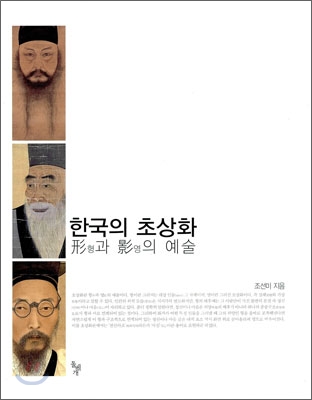
Professor Cho Sun-mi, an authority on portrait studies, guides you through the artistic world of Korean portraiture through 74 carefully selected portrait masterpieces, and organizes them so that you can read about the person and era in each portrait.
Korean portraiture has been a field that has been difficult for the general public to understand or access, as it has been covered relatively briefly or in somewhat specialized terms through exhibitions, catalogs, and papers.
However, this book provides an opportunity for general readers to become familiar with Korean portraits through the book's composition, which reproduces vivid portraits of historical figures in Korean portraits, and explanations for each plate.
It also helps us to have a three-dimensional view of the history and culture of the times in which they lived.
This book consists of eight chapters and is largely divided into two parts.
Chapter 1 provides an overview of the overall flow of Korean portraiture to aid in overall understanding and describes the characteristics of Korean portraiture.
Chapters 2 through 8 divide the portraits into six categories based on the social status of the subjects: kings, noblemen, meritorious subjects, noblewomen, women, and monks. Then, a total of 70 representative masterpieces are selected for each category, and each piece is examined in turn, providing readers with an opportunity to experience Korean portraits firsthand.
Korean portraiture has been a field that has been difficult for the general public to understand or access, as it has been covered relatively briefly or in somewhat specialized terms through exhibitions, catalogs, and papers.
However, this book provides an opportunity for general readers to become familiar with Korean portraits through the book's composition, which reproduces vivid portraits of historical figures in Korean portraits, and explanations for each plate.
It also helps us to have a three-dimensional view of the history and culture of the times in which they lived.
This book consists of eight chapters and is largely divided into two parts.
Chapter 1 provides an overview of the overall flow of Korean portraiture to aid in overall understanding and describes the characteristics of Korean portraiture.
Chapters 2 through 8 divide the portraits into six categories based on the social status of the subjects: kings, noblemen, meritorious subjects, noblewomen, women, and monks. Then, a total of 70 representative masterpieces are selected for each category, and each piece is examined in turn, providing readers with an opportunity to experience Korean portraits firsthand.
- You can preview some of the book's contents.
Preview
index
The World of Korean Portraiture
The development of Korean portraiture
Types of Korean Portraits
The nature of Korean portraits
Portrait of the King
Portrait of King Taejo | Portrait of Prince Yeoning | Portrait of King Yeongjo | Portrait of King Cheoljong | Portrait of King Gojong
Portrait of a nobleman 1
Portrait of Choi Chi-won | Portrait of Ahn Hyang | Portrait of Lee Jo-nyeon | Portrait of Yeom Je-sin | Portrait of Lee Saek | Portrait of Lee Sung-in | Portrait of Choi Deok-ji | Portrait of Jeong Sik and his wife | Portrait of Kim Si-seup | Portrait of Lee Hyeon-bo | Portrait of Kim Jin | Portrait of Yu Geun at age 71 | Portrait of Heo Mok | Portrait of Song Si-yeol | Portrait of Nam Gu-man | Portrait of Yun Jeung | Portrait of Shin Im | Portrait of Yun Du-seok | Portrait of Jo Yeong-bok | Portrait of Sim Deuk-gyeong | Portrait of Yi Sam | Portrait of Yu Su | Portrait of Jeon Il-sang | Portrait of Yi Gwang-sa | Portrait of Ju Do-bok | Portrait of Im Mae
Portrait of a Nobleman 2
Portrait of Kang Se-hwang | Portrait of Lee Chang-un | Portrait of Chae Je-gong | Portrait of Sim Hwan-ji | Portrait of Oh Jae-sun | Portrait of Yoo Eon-ho | Portrait of Seo Jik-su | Portrait of Lee Chae | Portrait of Shin Eung-ju | Portrait of the Three Jo Brothers | Portrait of Kim Jeong-hui | Portrait of Heo Jeon | Portrait of Shin Heon | Portrait of Lee Yu-won | Portrait of Lee Ha-eung | Portrait of Choi Ik-hyeon | Portrait of Jeon Woo | Portrait of Hwang Hyeon
Meritorious subject award
Portrait of Lee Cheon-woo | Portrait of Shin Suk-ju | Portrait of Oh Ja-chi | Portrait of Yu Sun-jeong | Portrait of Song Eon-sin | Portrait of Yu Suk | Portrait of Im Jang | Portrait of Lee Seong-yun | Portrait of Jeong Chung-sin | Portrait of Lee Jung-ro | Portrait of Park Yu-myeong | Portrait of Lee Si-bang | Portrait of Kim Seok-ju | Portrait of Oh Myeong-hang
Crossroads
Portrait of Kwon Dae-un | Gisa Gye-cheop | Gisa Gyeong-hoe-cheop
Portrait of a Woman
Portrait of Ha Yeon and his wife | Portrait of Gyewolhyang | Portrait of Unnangja
Go Seung-jin
Gakjinguksa Sang|Hakjo Daesa Sang|Samyeong Daesa Sang|Jaewol Daesa Sang|Hwadam Daesa Sang
Search
Portraits of Korea as seen in the attached chart
The development of Korean portraiture
Types of Korean Portraits
The nature of Korean portraits
Portrait of the King
Portrait of King Taejo | Portrait of Prince Yeoning | Portrait of King Yeongjo | Portrait of King Cheoljong | Portrait of King Gojong
Portrait of a nobleman 1
Portrait of Choi Chi-won | Portrait of Ahn Hyang | Portrait of Lee Jo-nyeon | Portrait of Yeom Je-sin | Portrait of Lee Saek | Portrait of Lee Sung-in | Portrait of Choi Deok-ji | Portrait of Jeong Sik and his wife | Portrait of Kim Si-seup | Portrait of Lee Hyeon-bo | Portrait of Kim Jin | Portrait of Yu Geun at age 71 | Portrait of Heo Mok | Portrait of Song Si-yeol | Portrait of Nam Gu-man | Portrait of Yun Jeung | Portrait of Shin Im | Portrait of Yun Du-seok | Portrait of Jo Yeong-bok | Portrait of Sim Deuk-gyeong | Portrait of Yi Sam | Portrait of Yu Su | Portrait of Jeon Il-sang | Portrait of Yi Gwang-sa | Portrait of Ju Do-bok | Portrait of Im Mae
Portrait of a Nobleman 2
Portrait of Kang Se-hwang | Portrait of Lee Chang-un | Portrait of Chae Je-gong | Portrait of Sim Hwan-ji | Portrait of Oh Jae-sun | Portrait of Yoo Eon-ho | Portrait of Seo Jik-su | Portrait of Lee Chae | Portrait of Shin Eung-ju | Portrait of the Three Jo Brothers | Portrait of Kim Jeong-hui | Portrait of Heo Jeon | Portrait of Shin Heon | Portrait of Lee Yu-won | Portrait of Lee Ha-eung | Portrait of Choi Ik-hyeon | Portrait of Jeon Woo | Portrait of Hwang Hyeon
Meritorious subject award
Portrait of Lee Cheon-woo | Portrait of Shin Suk-ju | Portrait of Oh Ja-chi | Portrait of Yu Sun-jeong | Portrait of Song Eon-sin | Portrait of Yu Suk | Portrait of Im Jang | Portrait of Lee Seong-yun | Portrait of Jeong Chung-sin | Portrait of Lee Jung-ro | Portrait of Park Yu-myeong | Portrait of Lee Si-bang | Portrait of Kim Seok-ju | Portrait of Oh Myeong-hang
Crossroads
Portrait of Kwon Dae-un | Gisa Gye-cheop | Gisa Gyeong-hoe-cheop
Portrait of a Woman
Portrait of Ha Yeon and his wife | Portrait of Gyewolhyang | Portrait of Unnangja
Go Seung-jin
Gakjinguksa Sang|Hakjo Daesa Sang|Samyeong Daesa Sang|Jaewol Daesa Sang|Hwadam Daesa Sang
Search
Portraits of Korea as seen in the attached chart
Into the book
Korean portraiture did not seek pictorial effects beyond the actual person through distortion or deformation, nor did it seek intentional exaggeration through emphasis of features.
Only the most realistic efforts were made to approach real people.
This is clearly revealed in the depiction of eyelids and beard treatment, as well as in skin features such as smallpox scars, freckles, and spots.
The gaze is treated at the same angle as the face, and the shape of the eyes is depicted without exaggeration, as if it were a direct transfer of the actual appearance.
So, when you look at the portrait, you feel as if you are facing a real person.
This shows that the painter himself deeply engraved and followed the proposition of the portrait, 'If even one strand of hair is off, it is not that person'.
The true meaning of Korean portraiture lies in the outstanding expressive power that comes from this extreme of representation.
--- From the text
Portrait of Yeonimgun in his youth and portrait of King Yeongjo at the age of 51
Among the portraits of kings, it is interesting to compare the portraits of Prince Yeoning in his youth and King Yeongjo after he ascended to the throne.
Prince Yeoning, born to Lady Choi Suk-bin, a concubine of the lowest rank in the palace, grew up experiencing the palace's infighting more painfully than anyone else during his time as a prince.
At the time the portrait was painted, Prince Yeoning was not yet crown prince, and was living in anxiety amidst the fierce confrontation between the Noron faction, which supported him, and the Soron faction, which supported King Gyeongjong.
The appearance of Prince Yeoning in the portrait is that of a long face with upturned eyes, and despite his young age, he does not show any spirit. He has a cautious and gentle expression, but a hint of melancholy can be detected.
Next, let's take a look at King Yeongjo's appearance after he ascended to the throne.
King Yeongjo, who reigned the longest among all kings of the Joseon Dynasty and was also a lord who laid the foundation for revitalization in various fields, has a vibrant complexion full of rosy energy, phoenix eyes, and a slender body with a high mountain root, which resembles his appearance in his youth. However, in the appearance of King Yeongjo who has entered old age, it is difficult to find the timid and cautious expression of his days as a prince.
His appearance has now changed to one of confidence and authority.
--- pp
76-89
Portrait of Kim Si-seup: The Inner World of a Genius Filled with Anguish
Kim Si-seup, a genius writer and author of the first Chinese novel, Geumosinhwa, burned his books and became a monk at the age of twenty-one in outrage at the news that Prince Suyang had overthrown King Danjong and ascended to the throne.
He repeated the cycle of becoming a monk, acting like a madman, and wandering around the country. Unable to adapt to reality, he sometimes ridiculed the world with anger and disgust, and even abused himself by mocking the two-faced nature of the world.
However, after the age of 50, his image became more that of a solitary intellectual who had shed the shell of bondage and returned to nature, and especially after Yulgok Yi I wrote “The Story of Kim Si-seup,” his image as a Confucian scholar was re-evaluated, and from the 17th century onwards, many writers came to admire him.
'Your form is extremely weak and your words are indiscriminate, so you deserve to fall into the pit.' (Is your form extremely weak and your words extremely great? You deserve to fall into the pit.)
Every month, Kim Si-seup left behind the above eulogy, which mercilessly criticizes his own life, on a self-portrait he had painted himself during his lifetime.
Unfortunately, his self-portrait, painted by himself, no longer exists, but behind his detached appearance in the portrait currently kept at Muryangsa Temple in Buyeo, we discover a tragic inner world filled with agony, as he confessed in his autobiography.
--- pp160~167
Portrait of Song Si-yeol, a leading figure in the Confucian world who lived a life of ups and downs.
Song Si-yeol of Uam, who lived a life of political ups and downs, was a great Confucian scholar who devoted his life to the study of Zhu Xi's teachings. He inherited the academic tradition of Yi I, forming the mainstream of the Giho School of Thought, and was also well-versed in the theory of rites.
Although he had many enemies due to his aggressive personality, he produced many talented students through his outstanding knowledge and upright character.
Accordingly, after his death, numerous shrines were built to commemorate him, and among them, the number of shrines and shrines where his portrait was enshrined is quite large.
Song Si-yeol's name is said to be recorded 3,000 times in the Annals of the Joseon Dynasty, but his actual period of officialdom was only about 8 years.
He left a mark on the history of Joseon Confucianism in the midst of political strife between factions, but ultimately ended his life by taking poison.
Song Si-yeol, who had a very strong gaze, a dignified appearance, and a strong charisma, has many excellent portraits left behind, as befitting a leading figure in the Confucian world.
The person himself was a model with exceptional learning, character, and influence, and the influence of his descendants and the Confucian scholars who followed him was so great that the best painters with outstanding skills were used to paint his portrait.
--- pp190-201
Portrait and self-portrait of Kang Se-hwang, the leader of the late Joseon Dynasty
The reason why Kang Se-hwang's portrait is particularly noteworthy is because of the self-portraits he left behind.
There are many portraits from the Joseon Dynasty, ranging from kings to noblemen, women, and monks, but self-portraits are extremely rare.
Why? Because only those who recognized themselves as "worthy of drawing" and possessed pride in themselves, as well as "precise drawing skills," could paint a self-portrait.
Furthermore, the expression of self-consciousness through painting or the transmission of emotions through painting was only found in a small number of works by a few painters of the Joseon Dynasty, and was not universal as seen in paintings after the modern era.
Therefore, the creation of self-portraits, which can be seen as the embodiment of one's own concerns, self-consciousness, and emotional expression, can be said to be groundbreaking at the time.
This is why there are almost no self-portraits recorded by professional painters who possessed outstanding descriptive skills.
The self-portraits of Yun Du-seo and Kang Se-hwang, which we saw earlier, are equally precious.
Pyoam Kang Se-hwang, who possessed not only outstanding painting skills but also an unrivaled appreciation for calligraphy and painting, was the leader of the literary world of his time, but he seemed to have little confidence in his own appearance, saying, “Because he was short and had an insignificant appearance, people who didn’t know him well sometimes looked down on him and looked down on him, not realizing that he contained outstanding knowledge and profound views…”
However, as he said to himself, he was a man of great character and high insight, and as Kim Hong-do's teacher, he was a famous calligrapher of his time, and he could be called a great master of literary arts of his time, possessing diverse and bold pictorial attempts and a unique discerning eye.
In his self-portrait, the elegant yet abstract spirit of an old man is felt, making one bow one's head.
---pp286-297
Portrait of Hwang Hyeon, a patriot from the late Joseon Dynasty who committed suicide.
Mr. Hwang Hyeon was a patriot and scholar in the late Joseon Dynasty. When he heard the news of the signing of the Japan-Korea Treaty of 1905 at the age of 51, he wrote poems condemning traitors and mourning patriots. In 1910 (Yunghee 4), when the country lost its sovereignty due to Japanese oppression, he was so enraged that he wrote four suicide poems (『Maecheonjip』 Volume 5) in one night, read them, and committed suicide.
Hwang Hyeon's portrait was painted by Seok Ji Chae Yong-sin, who was the best portrait painter of the time and left behind many portraits of patriots. It is also interesting to compare the photos of Hwang Hyeon that the painter used as reference.
In the photo, the face is quite large compared to the body and the body is also on the small side, but in the drawing, the face is drawn smaller than it actually is and the body is drawn relatively large to give a sense of proportion.
This is thought to be the artist's intention to express the life and spirit of Mr. Hwang Hyeon, a patriot, in the most ideal form.
The determined gaze, staring straight ahead as if lost in thought behind round glasses, and the slightly pursed lips as if holding back sorrow, make the viewer automatically button up their collar and immerse themselves in a solemn atmosphere.
Only the most realistic efforts were made to approach real people.
This is clearly revealed in the depiction of eyelids and beard treatment, as well as in skin features such as smallpox scars, freckles, and spots.
The gaze is treated at the same angle as the face, and the shape of the eyes is depicted without exaggeration, as if it were a direct transfer of the actual appearance.
So, when you look at the portrait, you feel as if you are facing a real person.
This shows that the painter himself deeply engraved and followed the proposition of the portrait, 'If even one strand of hair is off, it is not that person'.
The true meaning of Korean portraiture lies in the outstanding expressive power that comes from this extreme of representation.
--- From the text
Portrait of Yeonimgun in his youth and portrait of King Yeongjo at the age of 51
Among the portraits of kings, it is interesting to compare the portraits of Prince Yeoning in his youth and King Yeongjo after he ascended to the throne.
Prince Yeoning, born to Lady Choi Suk-bin, a concubine of the lowest rank in the palace, grew up experiencing the palace's infighting more painfully than anyone else during his time as a prince.
At the time the portrait was painted, Prince Yeoning was not yet crown prince, and was living in anxiety amidst the fierce confrontation between the Noron faction, which supported him, and the Soron faction, which supported King Gyeongjong.
The appearance of Prince Yeoning in the portrait is that of a long face with upturned eyes, and despite his young age, he does not show any spirit. He has a cautious and gentle expression, but a hint of melancholy can be detected.
Next, let's take a look at King Yeongjo's appearance after he ascended to the throne.
King Yeongjo, who reigned the longest among all kings of the Joseon Dynasty and was also a lord who laid the foundation for revitalization in various fields, has a vibrant complexion full of rosy energy, phoenix eyes, and a slender body with a high mountain root, which resembles his appearance in his youth. However, in the appearance of King Yeongjo who has entered old age, it is difficult to find the timid and cautious expression of his days as a prince.
His appearance has now changed to one of confidence and authority.
--- pp
76-89
Portrait of Kim Si-seup: The Inner World of a Genius Filled with Anguish
Kim Si-seup, a genius writer and author of the first Chinese novel, Geumosinhwa, burned his books and became a monk at the age of twenty-one in outrage at the news that Prince Suyang had overthrown King Danjong and ascended to the throne.
He repeated the cycle of becoming a monk, acting like a madman, and wandering around the country. Unable to adapt to reality, he sometimes ridiculed the world with anger and disgust, and even abused himself by mocking the two-faced nature of the world.
However, after the age of 50, his image became more that of a solitary intellectual who had shed the shell of bondage and returned to nature, and especially after Yulgok Yi I wrote “The Story of Kim Si-seup,” his image as a Confucian scholar was re-evaluated, and from the 17th century onwards, many writers came to admire him.
'Your form is extremely weak and your words are indiscriminate, so you deserve to fall into the pit.' (Is your form extremely weak and your words extremely great? You deserve to fall into the pit.)
Every month, Kim Si-seup left behind the above eulogy, which mercilessly criticizes his own life, on a self-portrait he had painted himself during his lifetime.
Unfortunately, his self-portrait, painted by himself, no longer exists, but behind his detached appearance in the portrait currently kept at Muryangsa Temple in Buyeo, we discover a tragic inner world filled with agony, as he confessed in his autobiography.
--- pp160~167
Portrait of Song Si-yeol, a leading figure in the Confucian world who lived a life of ups and downs.
Song Si-yeol of Uam, who lived a life of political ups and downs, was a great Confucian scholar who devoted his life to the study of Zhu Xi's teachings. He inherited the academic tradition of Yi I, forming the mainstream of the Giho School of Thought, and was also well-versed in the theory of rites.
Although he had many enemies due to his aggressive personality, he produced many talented students through his outstanding knowledge and upright character.
Accordingly, after his death, numerous shrines were built to commemorate him, and among them, the number of shrines and shrines where his portrait was enshrined is quite large.
Song Si-yeol's name is said to be recorded 3,000 times in the Annals of the Joseon Dynasty, but his actual period of officialdom was only about 8 years.
He left a mark on the history of Joseon Confucianism in the midst of political strife between factions, but ultimately ended his life by taking poison.
Song Si-yeol, who had a very strong gaze, a dignified appearance, and a strong charisma, has many excellent portraits left behind, as befitting a leading figure in the Confucian world.
The person himself was a model with exceptional learning, character, and influence, and the influence of his descendants and the Confucian scholars who followed him was so great that the best painters with outstanding skills were used to paint his portrait.
--- pp190-201
Portrait and self-portrait of Kang Se-hwang, the leader of the late Joseon Dynasty
The reason why Kang Se-hwang's portrait is particularly noteworthy is because of the self-portraits he left behind.
There are many portraits from the Joseon Dynasty, ranging from kings to noblemen, women, and monks, but self-portraits are extremely rare.
Why? Because only those who recognized themselves as "worthy of drawing" and possessed pride in themselves, as well as "precise drawing skills," could paint a self-portrait.
Furthermore, the expression of self-consciousness through painting or the transmission of emotions through painting was only found in a small number of works by a few painters of the Joseon Dynasty, and was not universal as seen in paintings after the modern era.
Therefore, the creation of self-portraits, which can be seen as the embodiment of one's own concerns, self-consciousness, and emotional expression, can be said to be groundbreaking at the time.
This is why there are almost no self-portraits recorded by professional painters who possessed outstanding descriptive skills.
The self-portraits of Yun Du-seo and Kang Se-hwang, which we saw earlier, are equally precious.
Pyoam Kang Se-hwang, who possessed not only outstanding painting skills but also an unrivaled appreciation for calligraphy and painting, was the leader of the literary world of his time, but he seemed to have little confidence in his own appearance, saying, “Because he was short and had an insignificant appearance, people who didn’t know him well sometimes looked down on him and looked down on him, not realizing that he contained outstanding knowledge and profound views…”
However, as he said to himself, he was a man of great character and high insight, and as Kim Hong-do's teacher, he was a famous calligrapher of his time, and he could be called a great master of literary arts of his time, possessing diverse and bold pictorial attempts and a unique discerning eye.
In his self-portrait, the elegant yet abstract spirit of an old man is felt, making one bow one's head.
---pp286-297
Portrait of Hwang Hyeon, a patriot from the late Joseon Dynasty who committed suicide.
Mr. Hwang Hyeon was a patriot and scholar in the late Joseon Dynasty. When he heard the news of the signing of the Japan-Korea Treaty of 1905 at the age of 51, he wrote poems condemning traitors and mourning patriots. In 1910 (Yunghee 4), when the country lost its sovereignty due to Japanese oppression, he was so enraged that he wrote four suicide poems (『Maecheonjip』 Volume 5) in one night, read them, and committed suicide.
Hwang Hyeon's portrait was painted by Seok Ji Chae Yong-sin, who was the best portrait painter of the time and left behind many portraits of patriots. It is also interesting to compare the photos of Hwang Hyeon that the painter used as reference.
In the photo, the face is quite large compared to the body and the body is also on the small side, but in the drawing, the face is drawn smaller than it actually is and the body is drawn relatively large to give a sense of proportion.
This is thought to be the artist's intention to express the life and spirit of Mr. Hwang Hyeon, a patriot, in the most ideal form.
The determined gaze, staring straight ahead as if lost in thought behind round glasses, and the slightly pursed lips as if holding back sorrow, make the viewer automatically button up their collar and immerse themselves in a solemn atmosphere.
--- pp
424-429
424-429
Publisher's Review
Understanding and Appreciating Korean Portraits
The first Korean portrait book for the general public
Professor Cho Sun-mi, an authority on portrait studies, guides you through the artistic world of Korean portraiture through 74 carefully selected portrait masterpieces, and organizes them so that you can read about the person and era in each portrait.
The world of Korean portraiture, which has been relatively briefly or somewhat specialized through exhibitions, catalogs, and papers, is recreated with vivid portraits of historical figures, allowing a three-dimensional view of the history and culture of the times in which they lived.
Korean portraits can trace their origins to the portraits of tomb occupants in Goguryeo tomb murals, but judging by the relics that remain today, most of them were produced during the Joseon Dynasty, which was a Confucian society.
Korean portraits, such as the portrait of a king, 'Eojin', which has symbolic meaning in the hope that the ancestors will live forever, the 'Sadaebusang', which was made for descendants to hold memorial services by enshrining the ancestors' portraits, the 'Gongsinsang', which the king bestowed on people who contributed to the country to have them emulate him, and the 'Girodosang', which celebrates the entry of a minister into the Giroso, do not greatly deviate from a certain framework in terms of the subject matter, form of the work, or production intention.
However, if you look closely at these portraits that seem similar at first glance, you will see that they faithfully depict not only the external features that bring out the individuality of the person, such as the delicate depiction of the moles and smallpox scars on the face, the beard, the eyelids, and even the blood in the whites of the eyes, but also the personal aspects, the situation in which the person was living, and the inner psychology at the time the portrait was painted.
The author weaves together stories of characters and portraits around two major axes.
One is a narrative from a historical perspective, and the other is a narrative from a pictorial perspective.
By closely examining over 70 individual portraits, the author meticulously unravels the lives of the people depicted in the portraits, the era in which they lived, the relationships between the portrait subjects and those around them, the stories of the painters who painted them, the history of the paintings and how they have been passed down to the present day, and various stories about the people and portraits that are directly recorded on the paintings or indirectly in literature.
This will enable non-specialist readers to understand historical figures, their portraits, and their eras more easily and interestingly.
Moreover, as the author stated in the preface, this book is the shining fruit of over 40 years of portrait research.
Among Korean portraits, only the masterpieces were gathered in one place, and the works themselves were faithfully interpreted and evaluated using the strict yardstick of 'artistic quality.'
The faithful art historical interpretation of each work, including the form of each piece, detailed expression techniques from face to toe, the flow and differences in form and technique between works, and an examination of the history of clothing through the clothing worn by the subjects, will serve as a valuable intellectual asset for scholars and students seeking a deep and broad knowledge of portraiture.
The meaning of '형' and '영' in Korean portraits
'Hyeong' is the subject of the drawing itself, 'Yeong' is the drawn portrait.
The author says, “Portrait is the art of form and shadow.”
What does this mean?
'Hyeong' refers to the person being drawn, and 'Yeong' refers to the drawn portrait.
In other words, it can be said to be a real entity and a virtual entity.
A human's external appearance (form) changes from moment to moment, but behind the 'form' lies the unchanging essence that only that person possesses, that is, the spirit (god) or mind (heart).
To be more precise, the mind or heart is not something behind the appearance, but is a multi-layered structure that is interconnected with the form.
Thus, when an artist draws a specific person, if he correctly captures his appearance, the 'form', then naturally the internal elements, such as the spirit or mind, that are structurally linked to this 'form' are also brought up onto the screen and reflected as a 'spirit'.
In portrait theory, this was often expressed using terms such as ‘portraying the spirit’ or ‘portraying the heart.’
In Korean portraiture, the ultimate goal was to express the 'shadow' derived from the 'form', and by drawing the figure to resemble it even a little more closely, the artist attempted to capture its spirit and heart.
'If even one truck is wrong, it's not that person!'
The greatness of Korean portraiture lies in its exceptional expressiveness, which comes from the extreme of reproduction.
Korean portraiture did not seek pictorial effects beyond the actual person through distortion or deformation, nor did it seek intentional exaggeration through emphasis of features.
Only the most realistic efforts were made to approach real people.
This is clearly revealed in the depiction of eyelids and beard treatment, as well as in skin features such as smallpox scars, freckles, and spots.
In Korean portraits, the gaze is treated at the same angle as the face, and the shape of the eyes is depicted without exaggeration, as if it were a direct transfer of the actual appearance.
So when you look at a portrait, you feel as if you are facing a real person.
This shows that the painter himself deeply engraved and followed the traditional portrait proposition that 'if even one hair is off, it is not that person'.
Although it may feel inflexible and rigid, it prevents the runaway of individuality, and therefore the gap in the level reached by all works is not that great.
The true meaning of Korean portraiture lies in the outstanding expressive power that comes from this extreme of representation.
Portrait of Heo Mok, who called himself Misu (眉?) because of his unusually long eyebrows (page 188 of the text); self-portrait of Yun Du-seo, the great-grandson of Gosan Yun Seon-do and a pioneer of genre painting in the Joseon Dynasty (page 228 of the text); portrait of Jo Yeong-bok, whose younger brother Jo Yeong-seok, a painter of the noble class, is said to have drawn a draft while in exile (page 236 of the text); portrait of Yi Gwang-sa, a famous calligrapher who opened a new chapter in Joseon calligraphy (page 270 of the text); self-portrait of Kang Se-hwang, the head of the Yedan (Korean Royal Academy) in the late Joseon Dynasty and the teacher of Kim Hong-do (page 286 of the text); portrait of Oh Jae-sun, a masterpiece by Yi Myeong-gi, who enjoyed the highest honor as a portraitist (page 326 of the text); portrait of Yi Chae, who is said to be the most typical portrait of a nobleman with a clear and noble appearance (page 348 of the text); portrait of Heo Jeon, who was upright and had high academic virtue (page 372 of the text); and portrait of the sorrow of a fallen nation. The facial depictions in the portrait of Comrade Jeonwoo (page 418), where the patriot's inner resentment is palpable, and the portrait of Oh Myeong-hang (page 507), which marks the end of the era of meritorious subjects, are particularly impressive, and through these, we can clearly examine the 'extreme of representation' mentioned above.
Sometimes, when we look at a face, which is depicted with such eerie detail that the eyes seem to meet and the skin texture seems to be palpable, we can accurately convey aspects of the situation the character was in at the time, their emotional state, and even their personality.
The first Korean portrait book for the general public
Professor Cho Sun-mi, an authority on portrait studies, guides you through the artistic world of Korean portraiture through 74 carefully selected portrait masterpieces, and organizes them so that you can read about the person and era in each portrait.
The world of Korean portraiture, which has been relatively briefly or somewhat specialized through exhibitions, catalogs, and papers, is recreated with vivid portraits of historical figures, allowing a three-dimensional view of the history and culture of the times in which they lived.
Korean portraits can trace their origins to the portraits of tomb occupants in Goguryeo tomb murals, but judging by the relics that remain today, most of them were produced during the Joseon Dynasty, which was a Confucian society.
Korean portraits, such as the portrait of a king, 'Eojin', which has symbolic meaning in the hope that the ancestors will live forever, the 'Sadaebusang', which was made for descendants to hold memorial services by enshrining the ancestors' portraits, the 'Gongsinsang', which the king bestowed on people who contributed to the country to have them emulate him, and the 'Girodosang', which celebrates the entry of a minister into the Giroso, do not greatly deviate from a certain framework in terms of the subject matter, form of the work, or production intention.
However, if you look closely at these portraits that seem similar at first glance, you will see that they faithfully depict not only the external features that bring out the individuality of the person, such as the delicate depiction of the moles and smallpox scars on the face, the beard, the eyelids, and even the blood in the whites of the eyes, but also the personal aspects, the situation in which the person was living, and the inner psychology at the time the portrait was painted.
The author weaves together stories of characters and portraits around two major axes.
One is a narrative from a historical perspective, and the other is a narrative from a pictorial perspective.
By closely examining over 70 individual portraits, the author meticulously unravels the lives of the people depicted in the portraits, the era in which they lived, the relationships between the portrait subjects and those around them, the stories of the painters who painted them, the history of the paintings and how they have been passed down to the present day, and various stories about the people and portraits that are directly recorded on the paintings or indirectly in literature.
This will enable non-specialist readers to understand historical figures, their portraits, and their eras more easily and interestingly.
Moreover, as the author stated in the preface, this book is the shining fruit of over 40 years of portrait research.
Among Korean portraits, only the masterpieces were gathered in one place, and the works themselves were faithfully interpreted and evaluated using the strict yardstick of 'artistic quality.'
The faithful art historical interpretation of each work, including the form of each piece, detailed expression techniques from face to toe, the flow and differences in form and technique between works, and an examination of the history of clothing through the clothing worn by the subjects, will serve as a valuable intellectual asset for scholars and students seeking a deep and broad knowledge of portraiture.
The meaning of '형' and '영' in Korean portraits
'Hyeong' is the subject of the drawing itself, 'Yeong' is the drawn portrait.
The author says, “Portrait is the art of form and shadow.”
What does this mean?
'Hyeong' refers to the person being drawn, and 'Yeong' refers to the drawn portrait.
In other words, it can be said to be a real entity and a virtual entity.
A human's external appearance (form) changes from moment to moment, but behind the 'form' lies the unchanging essence that only that person possesses, that is, the spirit (god) or mind (heart).
To be more precise, the mind or heart is not something behind the appearance, but is a multi-layered structure that is interconnected with the form.
Thus, when an artist draws a specific person, if he correctly captures his appearance, the 'form', then naturally the internal elements, such as the spirit or mind, that are structurally linked to this 'form' are also brought up onto the screen and reflected as a 'spirit'.
In portrait theory, this was often expressed using terms such as ‘portraying the spirit’ or ‘portraying the heart.’
In Korean portraiture, the ultimate goal was to express the 'shadow' derived from the 'form', and by drawing the figure to resemble it even a little more closely, the artist attempted to capture its spirit and heart.
'If even one truck is wrong, it's not that person!'
The greatness of Korean portraiture lies in its exceptional expressiveness, which comes from the extreme of reproduction.
Korean portraiture did not seek pictorial effects beyond the actual person through distortion or deformation, nor did it seek intentional exaggeration through emphasis of features.
Only the most realistic efforts were made to approach real people.
This is clearly revealed in the depiction of eyelids and beard treatment, as well as in skin features such as smallpox scars, freckles, and spots.
In Korean portraits, the gaze is treated at the same angle as the face, and the shape of the eyes is depicted without exaggeration, as if it were a direct transfer of the actual appearance.
So when you look at a portrait, you feel as if you are facing a real person.
This shows that the painter himself deeply engraved and followed the traditional portrait proposition that 'if even one hair is off, it is not that person'.
Although it may feel inflexible and rigid, it prevents the runaway of individuality, and therefore the gap in the level reached by all works is not that great.
The true meaning of Korean portraiture lies in the outstanding expressive power that comes from this extreme of representation.
Portrait of Heo Mok, who called himself Misu (眉?) because of his unusually long eyebrows (page 188 of the text); self-portrait of Yun Du-seo, the great-grandson of Gosan Yun Seon-do and a pioneer of genre painting in the Joseon Dynasty (page 228 of the text); portrait of Jo Yeong-bok, whose younger brother Jo Yeong-seok, a painter of the noble class, is said to have drawn a draft while in exile (page 236 of the text); portrait of Yi Gwang-sa, a famous calligrapher who opened a new chapter in Joseon calligraphy (page 270 of the text); self-portrait of Kang Se-hwang, the head of the Yedan (Korean Royal Academy) in the late Joseon Dynasty and the teacher of Kim Hong-do (page 286 of the text); portrait of Oh Jae-sun, a masterpiece by Yi Myeong-gi, who enjoyed the highest honor as a portraitist (page 326 of the text); portrait of Yi Chae, who is said to be the most typical portrait of a nobleman with a clear and noble appearance (page 348 of the text); portrait of Heo Jeon, who was upright and had high academic virtue (page 372 of the text); and portrait of the sorrow of a fallen nation. The facial depictions in the portrait of Comrade Jeonwoo (page 418), where the patriot's inner resentment is palpable, and the portrait of Oh Myeong-hang (page 507), which marks the end of the era of meritorious subjects, are particularly impressive, and through these, we can clearly examine the 'extreme of representation' mentioned above.
Sometimes, when we look at a face, which is depicted with such eerie detail that the eyes seem to meet and the skin texture seems to be palpable, we can accurately convey aspects of the situation the character was in at the time, their emotional state, and even their personality.
GOODS SPECIFICS
- Date of issue: November 9, 2009
- Format: Hardcover book binding method guide
- Page count, weight, size: 581 pages | 1,366g | 183*233*35mm
- ISBN13: 9788971993620
- ISBN10: 8971993626
You may also like
카테고리
korean


korean

![GQ KOREA Mark (Monthly): December [2025]](http://librairie.coreenne.fr/cdn/shop/files/8ef265dbbfbf186523ed75ba7319009d.jpg?v=1765340328&width=3840)


