

Body: A Guide to Our Bodies
 |
Description
Book Introduction
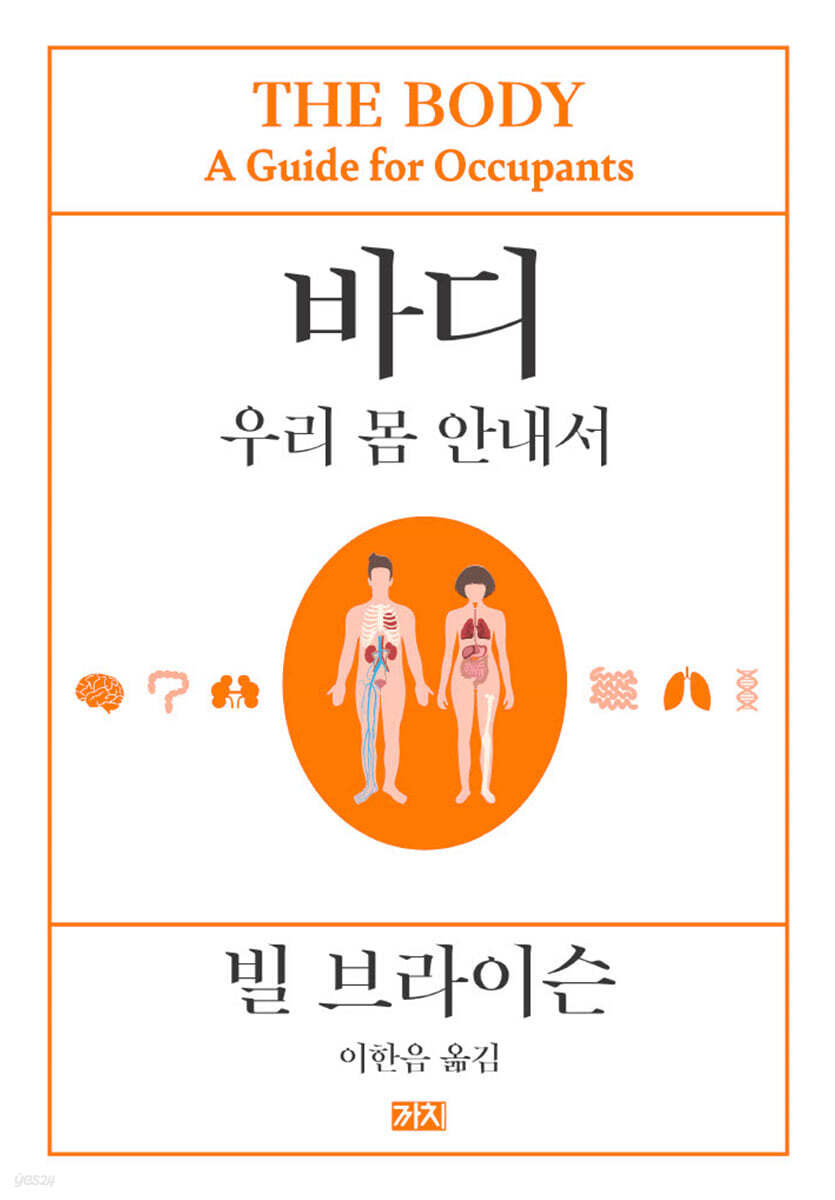
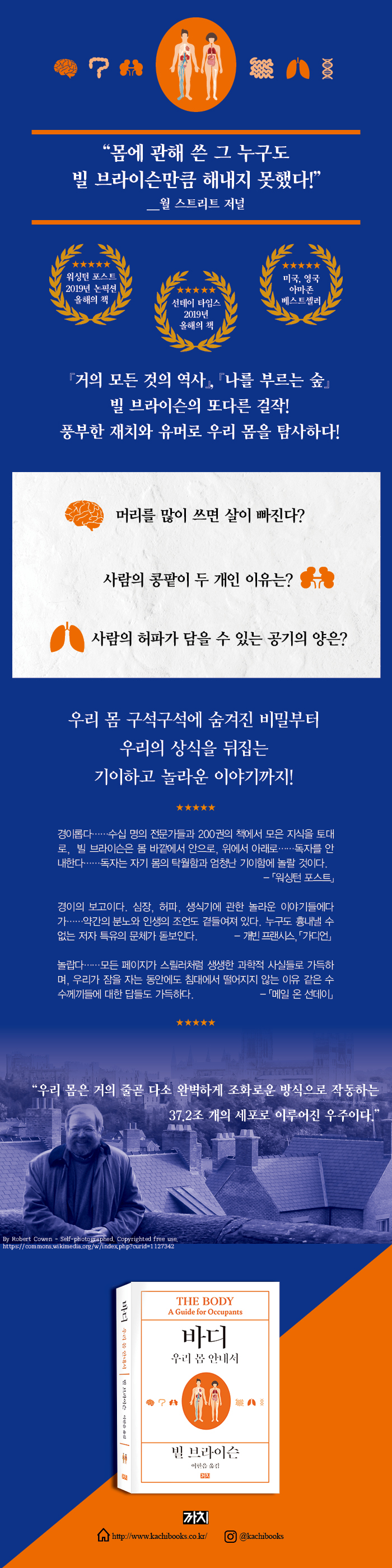
The Sunday Times Science Book of the Year in the UK, and the Washington Post Nonfiction Book of the Year in the US! Bill Bryson's "A Brief History of Nearly Everything": Almost Everything About the Body Bill Bryson, who explored the history of everything around us in his international bestseller, A Short History of Nearly Everything, now travels to the amazing universe within us: our bodies. We live our entire lives with only one body, but not many people actually know much about it. Bryson uses his characteristically witty language and remarkable insight to sift through a sea of facts to reveal the essential truths, making nearly every part of our bodies accessible and engaging. This book is not only a tribute to the wonders of our bodies and a detailed guide to using them well, but also a stinging rebuke to ourselves for sometimes ruining ourselves through misuse. Through this book, readers will have the opportunity to think again about the body, the entity with which we spend our entire lives. |
- You can preview some of the book's contents.
Preview
index
1 How to make a person
2 Outside: Skin and hair
3 Microorganisms in our body
4 brain
5 heads
6 Mouth and throat
7 Heart and Blood
8 Body Chemistry
9 Dissection Room: Skeleton
10 Move: Upright Walking and Locomotion
11 Balancing
12 Immune System
13 Deep Breathing: Lungs and Breathing
14 Food, Delicious Food
15 Digestive System
16 sleep
17 Towards the cock
18 Beginning: Conception and Birth
19 Nerve and Pain
When 20 Things Go Wrong: Illness
When 21 Things Go Very Wrong: Cancer
22 Good Medicine and Bad Medicine
23 Conclusion
main
References
Acknowledgements
Translator's Note
Search
2 Outside: Skin and hair
3 Microorganisms in our body
4 brain
5 heads
6 Mouth and throat
7 Heart and Blood
8 Body Chemistry
9 Dissection Room: Skeleton
10 Move: Upright Walking and Locomotion
11 Balancing
12 Immune System
13 Deep Breathing: Lungs and Breathing
14 Food, Delicious Food
15 Digestive System
16 sleep
17 Towards the cock
18 Beginning: Conception and Birth
19 Nerve and Pain
When 20 Things Go Wrong: Illness
When 21 Things Go Very Wrong: Cancer
22 Good Medicine and Bad Medicine
23 Conclusion
main
References
Acknowledgements
Translator's Note
Search
Detailed image
Publisher's Review
Chapter 1 introduces how humans are created from 59 elements and explains why we, as a combination of elements, are such wondrous beings.
Chapter 2 deals with the skin, which protects us from external stimuli.
Renowned academics explain that skin color is a result of adaptation to the natural environment and has nothing to do with our nature.
Chapter 3 deals with the microorganisms that coexist with us and those that enter our bodies from the outside and cause us discomfort.
Chapter 4 is about our brain, which perceives the world.
We read the remarkable story of a man who had no memory of the doctor who treated him every day for years, much of what we now know about memory.
Chapter 5 deals with the senses of sight, hearing, and smell that enrich the world we perceive.
Chapter 6 describes the throat, a remarkable organ that regulates the sense of taste on the tongue and the proper regulation of breathing and food intake through a single passageway.
Chapter 7 looks at the heart, an organ that has nothing to do with our emotions, but is incredibly good at one thing: beating, and the blood that circulates oxygen throughout the body.
Chapter 8 deals with hormones.
The discovery of insulin has made a tremendous contribution to the advancement of human medicine and saved countless people from miserable death.
Chapter 9 examines the harmonious workings of the bones, ligaments, and muscles that support us.
Chapter 10 discusses the consequences for humans of transitioning from apes to upright walking.
Chapter 11 is about homeostasis, and how the body maintains a nearly constant body temperature by sweating when the temperature rises and shivering when the temperature drops.
Chapter 12 is about the immune system, which protects us from germs and viruses, but sometimes also causes us trouble by attacking ourselves.
Although autoimmune diseases and allergies are becoming more common in modern people, medicine still has no definitive understanding of their causes or treatments.
Chapter 13 is about the lungs, the amazing organ that processes the enormous amount of dust we breathe in as city dwellers.
It deals with everything about asthma, which tormented Marcel Proust and is a concern for many modern people.
Chapter 14 introduces information and misconceptions related to the food we eat.
We also look back at how we learned about the calories, carbohydrates, fats, proteins, minerals, and vitamins in food, and the unfortunate reality of obesity that has become widespread as humans, who evolved as hunter-gatherers, have come to enjoy the affluent lifestyles we enjoy today.
Chapter 15 looks at the digestive system, which digests the food we eat and absorbs nutrients.
The stomach of a man who suffered an unfortunate accident that left him with a hole in his stomach due to a gunshot wound has given humanity a window into our digestive system.
It also tells the story of the small intestine, where nutrients are absorbed, and the large intestine, which is a space for microorganisms.
Chapter 16 explores everything about sleep, which takes up one-third of our day.
We learn why we dream, how our sleep cycles came to be, and why we snore.
Chapter 17 takes a closer look at the truly enigmatic reproductive organs of our bodies.
Humanity has only recently discovered sex chromosomes, and we still know surprisingly little about the male and female reproductive organs.
Chapter 18 examines the process from the moment our life begins to our coming into the world.
Not only does it reveal the mystery of how sperm and egg meet, but it also tells fascinating stories about pregnancy and childbirth.
Chapter 19 explores pain, which can be a useful warning signal for us.
Pain is a valuable warning signal that something is happening somewhere in our body.
But pain is also a mysterious realm that can be controlled by tricking our brains with suggestions, like placebos.
Chapter 20 deals with diseases that make us sick.
It introduces various diseases that humans suffer from, from mass outbreaks of unknown causes to smallpox, which humans eradicated, to the colds and flu that plague us every year.
Chapter 21 deals with cancer, the greatest concern of modern mankind.
In the early 20th century, cancer was not a concern for humans.
The fact that modern humans are struggling with cancer is a result of the advancement of medicine that has allowed people to live longer.
Chapter 22 begins with the story of a great man who deserves our praise.
Albert Schatz, who discovered the antibiotic streptomycin, and thanks to his discovery, mankind has been able to defeat numerous infections.
This chapter also takes a hard look at the reality of modern health care.
Chapter 23 deals with our ending.
Death comes to everyone.
It gives an honest look into what happens inside our bodies during those final moments and beyond.
This book relentlessly guides readers into the amazing world of our bodies, the things closest to us, yet which we have rarely known, or even paid much attention to except when they are sick.
With the help of Bill Bryson, a steadfast guide, readers will not be lost in the strange and wonderful world of the body, will learn the wondrous facts we must know, hear the stories of the great figures who contributed to their discovery, and will correct some of the things we have been mistaken about.
Chapter 2 deals with the skin, which protects us from external stimuli.
Renowned academics explain that skin color is a result of adaptation to the natural environment and has nothing to do with our nature.
Chapter 3 deals with the microorganisms that coexist with us and those that enter our bodies from the outside and cause us discomfort.
Chapter 4 is about our brain, which perceives the world.
We read the remarkable story of a man who had no memory of the doctor who treated him every day for years, much of what we now know about memory.
Chapter 5 deals with the senses of sight, hearing, and smell that enrich the world we perceive.
Chapter 6 describes the throat, a remarkable organ that regulates the sense of taste on the tongue and the proper regulation of breathing and food intake through a single passageway.
Chapter 7 looks at the heart, an organ that has nothing to do with our emotions, but is incredibly good at one thing: beating, and the blood that circulates oxygen throughout the body.
Chapter 8 deals with hormones.
The discovery of insulin has made a tremendous contribution to the advancement of human medicine and saved countless people from miserable death.
Chapter 9 examines the harmonious workings of the bones, ligaments, and muscles that support us.
Chapter 10 discusses the consequences for humans of transitioning from apes to upright walking.
Chapter 11 is about homeostasis, and how the body maintains a nearly constant body temperature by sweating when the temperature rises and shivering when the temperature drops.
Chapter 12 is about the immune system, which protects us from germs and viruses, but sometimes also causes us trouble by attacking ourselves.
Although autoimmune diseases and allergies are becoming more common in modern people, medicine still has no definitive understanding of their causes or treatments.
Chapter 13 is about the lungs, the amazing organ that processes the enormous amount of dust we breathe in as city dwellers.
It deals with everything about asthma, which tormented Marcel Proust and is a concern for many modern people.
Chapter 14 introduces information and misconceptions related to the food we eat.
We also look back at how we learned about the calories, carbohydrates, fats, proteins, minerals, and vitamins in food, and the unfortunate reality of obesity that has become widespread as humans, who evolved as hunter-gatherers, have come to enjoy the affluent lifestyles we enjoy today.
Chapter 15 looks at the digestive system, which digests the food we eat and absorbs nutrients.
The stomach of a man who suffered an unfortunate accident that left him with a hole in his stomach due to a gunshot wound has given humanity a window into our digestive system.
It also tells the story of the small intestine, where nutrients are absorbed, and the large intestine, which is a space for microorganisms.
Chapter 16 explores everything about sleep, which takes up one-third of our day.
We learn why we dream, how our sleep cycles came to be, and why we snore.
Chapter 17 takes a closer look at the truly enigmatic reproductive organs of our bodies.
Humanity has only recently discovered sex chromosomes, and we still know surprisingly little about the male and female reproductive organs.
Chapter 18 examines the process from the moment our life begins to our coming into the world.
Not only does it reveal the mystery of how sperm and egg meet, but it also tells fascinating stories about pregnancy and childbirth.
Chapter 19 explores pain, which can be a useful warning signal for us.
Pain is a valuable warning signal that something is happening somewhere in our body.
But pain is also a mysterious realm that can be controlled by tricking our brains with suggestions, like placebos.
Chapter 20 deals with diseases that make us sick.
It introduces various diseases that humans suffer from, from mass outbreaks of unknown causes to smallpox, which humans eradicated, to the colds and flu that plague us every year.
Chapter 21 deals with cancer, the greatest concern of modern mankind.
In the early 20th century, cancer was not a concern for humans.
The fact that modern humans are struggling with cancer is a result of the advancement of medicine that has allowed people to live longer.
Chapter 22 begins with the story of a great man who deserves our praise.
Albert Schatz, who discovered the antibiotic streptomycin, and thanks to his discovery, mankind has been able to defeat numerous infections.
This chapter also takes a hard look at the reality of modern health care.
Chapter 23 deals with our ending.
Death comes to everyone.
It gives an honest look into what happens inside our bodies during those final moments and beyond.
This book relentlessly guides readers into the amazing world of our bodies, the things closest to us, yet which we have rarely known, or even paid much attention to except when they are sick.
With the help of Bill Bryson, a steadfast guide, readers will not be lost in the strange and wonderful world of the body, will learn the wondrous facts we must know, hear the stories of the great figures who contributed to their discovery, and will correct some of the things we have been mistaken about.
GOODS SPECIFICS
- Date of issue: January 10, 2020
- Page count, weight, size: 576 pages | 813g | 150*215*35mm
- ISBN13: 9788972917014
- ISBN10: 897291701X
You may also like
카테고리
korean


korean

![ELLE 엘르 스페셜 에디션 A형 : 12월 [2025]](http://librairie.coreenne.fr/cdn/shop/files/b8e27a3de6c9538896439686c6b0e8fb.jpg?v=1766436872&width=3840)


