

Doctor Golem
 |
Description
Book Introduction
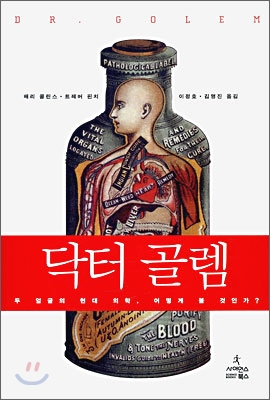
This is the latest installment in the "Golem" series, which understands modern medicine from a scientific perspective and addresses the problems that arise from it from a sociological perspective. It points out common medical and scientific errors and discusses ways to deal with them.
While addressing medical and scientific issues in the same way as the previous two volumes in the "Golem" series, the authors also discuss the process of reaching conclusions in each case, drawing on their own experiences in medical cases.
We are examining various factors related to the medical environment, including diagnostic uncertainty, symptoms that cannot be clearly diagnosed, and alternative medicine, as they arise in actual medical settings.
By presenting a variety of cases that illustrate these issues, we are making the problem more realistic and, through this process, effectively communicating the medical field, which is considered a specialized field, to the public.
While addressing medical and scientific issues in the same way as the previous two volumes in the "Golem" series, the authors also discuss the process of reaching conclusions in each case, drawing on their own experiences in medical cases.
We are examining various factors related to the medical environment, including diagnostic uncertainty, symptoms that cannot be clearly diagnosed, and alternative medicine, as they arise in actual medical settings.
By presenting a variety of cases that illustrate these issues, we are making the problem more realistic and, through this process, effectively communicating the medical field, which is considered a specialized field, to the public.
- You can preview some of the book's contents.
Preview
index
Preface to the Korean edition
introduction
Introduction: Medicine as a Science and Medicine as Salvation
Chapter 1 │ The Placebo Effect: A Hole in the Heart of Medicine
Chapter 2 │ Pretending to be Real in a Fake Doctor's Scene
Chapter 3: Diagnosing and Coping with Uncertainty in Tonsillectomy
Chapter 4: Vitamin C and Cancer: Alternative Medicine and Consumer Issues
Chapter 5 │ Chronic Fatigue Syndrome: The Infiltration of a Non-Existent Disease
Chapter 6 │ CPR: Resisting Death
Chapter 7: The Future of AIDS Activism and Professionalism
Chapter 8: Tensions Between Individuals and Communities Amidst Vaccination
Conclusion: Watch Doctor Golem Now
Note
References
Translator's Note: Broadening Your Perspective on Medicine and Healthcare
introduction
Introduction: Medicine as a Science and Medicine as Salvation
Chapter 1 │ The Placebo Effect: A Hole in the Heart of Medicine
Chapter 2 │ Pretending to be Real in a Fake Doctor's Scene
Chapter 3: Diagnosing and Coping with Uncertainty in Tonsillectomy
Chapter 4: Vitamin C and Cancer: Alternative Medicine and Consumer Issues
Chapter 5 │ Chronic Fatigue Syndrome: The Infiltration of a Non-Existent Disease
Chapter 6 │ CPR: Resisting Death
Chapter 7: The Future of AIDS Activism and Professionalism
Chapter 8: Tensions Between Individuals and Communities Amidst Vaccination
Conclusion: Watch Doctor Golem Now
Note
References
Translator's Note: Broadening Your Perspective on Medicine and Healthcare
Publisher's Review
Applying the sociology of science's scalpel to the uncertainty of the medical world!
On May 21, 2009, the Supreme Court ruled in favor of euthanasia in a lawsuit filed by Kim's children against the hospital to stop life-sustaining treatment for their mother, who was in a vegetative state, stating, "Forcing life-sustaining treatment actually harms human dignity, so respecting the patient's decision protects human dignity and the right to pursue happiness."
And on June 23, 2009, Severance Hospital removed Kim's oxygen respirator.
However, Grandma Kim's body temperature, breathing, and heart rate remained stable until early July, about 10 days later.
The sudden ruling recognizing euthanasia in a situation where 3,000 patients are in a vegetative state and receiving life-sustaining treatment is causing confusion and bewilderment not only in the medical community but also in the patients' families and society as a whole.
Patients' families who cannot afford life-sustaining treatment that costs hundreds of thousands of won per day are demanding that life-sustaining treatment be discontinued, and each hospital is floundering without providing clear guidelines.
This debate over euthanasia, which is stirring up Korean society, is a touchstone case that vividly demonstrates the crucial role played by negotiations between experts (doctors/medical community) and the general public (patients/civil society) in medicine.
This is because the expertise of doctors becomes powerless when faced with the problem of ‘judging death.’
The medical community has no choice but to ask for help from patients and civil society.
However, in Korean society, which has been preoccupied with importing and establishing Western medicine and healthcare systems, there is little history of establishing healthcare/medical guidelines through social discussion and agreement.
In this context, Harry Collins and Trevor Pinch's book, "Dr. Golem: The Two Faces of Modern Medicine," shows through several examples that medicine is fundamentally a product of social negotiation, and that the dynamics of experts and the general public, doctors and patients, and the medical community and civic groups play an important role.
Golem: How to Think about Medicine ) will provide many insights into the debate on euthanasia and future discussions on medical/pharmaceutical matters.
Harry Collins and Trevor Finch are world-renowned scholars of the sociology of knowledge.
He has been leading the intellectual currents of the scientific community from the mid-1980s to the early 2000s by asserting that scientific knowledge is not 'pure knowledge' produced only according to the internal order of the scientific community, but 'constructive knowledge' that is newly formed in relation to society.
In particular, he was active as a representative of the humanities and social sciences camp in the 'science wars', a heated debate between scientists and humanities and social scientists in the 1990s.
He is famous for his research that not only delved into the inner workings of the scientific community, such as laboratories and academic societies, but also showed that even a "pure theory" like quark theory cannot be free from the interests and power relations of the scientific community.
They published some of their research results in books such as 『Golem: What Everyone Needs to Know About Science』 (subtitle of the Korean translation: The Back Alleys of Science) and 『Expanded Golem: What You Need to Know About Technology』 (not yet published in Korea).
This book, "Doctor Collem," which aims the scalpel of scientific sociology at the medical field, is the latest in the "Golem" series.
In this book, the authors address the issues of medicine and healthcare as issues of the sociology of knowledge.
In other words, it poses questions like, "What is medical knowledge? How does it relate to scientific knowledge? How reliable is medical knowledge? Who, and under what circumstances, can possess such knowledge? And how much trust should we have in it?" It then elucidates what "expertise" is in medicine and how it is formed.
Ultimately, it vividly shows that the expertise of medicine/healthcare is not something that has been completed, but rather something that has been created and will continue to be created in the future.
*Medicine is just a golem, healthcare/medicine is a product of social negotiation!
In Jewish mythology, a golem is a creature made of clay and water and cast a spell to give it the form of a human being.
Golems can follow human commands, perform tasks for humans, and protect them from enemies, but if left uncontrolled, they can also destroy their masters.
… … But we should not blame Golem Science for its mistakes.
Because that mistake is our own.
--Harry Collins, Trevor Finch
Originating in Jewish legend, the golem represents a “clumsy creature” created by humans but capable of escaping human control.
In their Golem series, Harry Collins and Trevor Finch use the 'golem' as a symbol for science, attacking both the praise of science by science optimists who believe that science is a "knight who destroys mysticism" and the one-sided criticism of science pessimists who see science as a "puppet of capitalists and bureaucrats."
『Doctor Golem』, in line with this logic, argues that medicine is also a ‘golem.’
In this book, which consists of eight chapters (Chapter 1, “The Placebo Effect: A Hole in the Heart of Medicine,” Chapter 2, “Fake Doctors: Pretending to Be Real in the Field,” Chapter 3, “Tonsillectomy: Coping with Diagnosis and Uncertainty,” Chapter 4, “Vitamin C and Cancer: Alternative Medicine and the Consumer Issue,” Chapter 5, “Chronic Fatigue Syndrome: The Infiltration of a Non-Existent Disease,” Chapter 6, “CPR: Resisting Death,” Chapter 7, “The Future of AIDS Activist Lay Professionalism,” Chapter 8, “Vaccination: The Tension Between the Individual and the Community”), the authors capture the moments when the golem of medicine/healthcare creaks like the Korean debate over euthanasia.
By turning the reader's attention to unique incidents in modern medicine, such as the problem of the placebo effect, the problem of fake doctors, the debate over whether vitamin C is a cancer treatment, and the conflict between doctors and the patient community over clinical trials for AIDS drugs, it shows that treating a disease for an individual and understanding a disease for the community are by no means the same thing, and that the 'expertise' of medicine is formed through the conflict and negotiation between doctors who monopolize the specialized knowledge of medicine packaged in the name of science, and patients who are the sole reporters of their illness and pain and the objects of treatment, and civil society, which can be said to be their guardians.
There is a hole at the heart of medicine!
In the early 1990s, a doctor named Atkins was discovered to be a fake doctor with forged credentials.
He worked as a general practitioner for a full 30 years starting in 1961, and practiced medicine with a copy of a genuine medical license awarded to another person with the same name and a forged letter of recommendation.
He was famous for his unique prescriptions, but no patient or doctor raised any issues for 30 years.
However, one of his most notorious and unique prescriptions, an anti-dandruff shampoo, was once prescribed to treat a throat infection, and a pharmacist raised the issue with the local family physicians' committee, which investigated the case.
The team of medical experts who investigated Dr. Atkins reported that he seemed like a slightly incompetent doctor, but they were unable to prove that he was a fake doctor.
Even after this investigation, Atkins continued to pose as a doctor, even getting other doctors (real, fully qualified doctors) to prescribe anti-dandruff shampoo for throat infections.
Atkins was eventually exposed as a fake doctor, not because of any medical error or malpractice, but because a family member who held a grudge against him filed a complaint.
The case of the fake doctor 'Dr. Atkins'
“When a practicing surgeon first comes to the hospital, there is very little to do.
Later, when I was an anesthesiologist, I observed it closely and was astonished.
If you take an 18-year-old high school student and give them a week to do this job, they'll be just as good an assistant as a resident surgeon who's been training for five years.
But of course, this is just one step.
“It’s an intermediate step toward gaining more knowledge.” - Confessions of ‘Dr. Donald,’ who dropped out of medical school and entered the hospital with a fake license.
The authors cite the controversy surrounding the placebo effect and the problem of fake doctors as prime examples of the uncertainty inherent in the medical/pharmacological community.
The placebo effect problem shows that medical treatment, new drug development, and clinical trials are always greatly influenced by the desires and environment of the doctors conducting the experiment and the patients who are the subjects of the experiment.
While theoretical, the fake doctor problem is a concrete problem that demonstrates the uncertainty surrounding the expertise of doctors and the system that verifies it.
The authors analyzed approximately 130 cases of fake doctors discovered in the United States and the United Kingdom from the 1960s to the 1990s, and found that, contrary to common sense assumptions, the number of fake doctors caught due to medical errors is considerably lower, and that the uncertainty inherent in the medical/pharmaceutical system itself creates an environment in which fake doctors can survive.
The paradoxical situation in which the random sampling clinical trial method, which is designed to ensure the scientific nature of medicine, the combination of various treatment methods for a single disease, and the legitimate practice of hospital staff generously looking after, helping, and teaching new doctors until they become experts are actually poking a hole in the heart of the medical world.
By making this explicit, it demonstrates that medical expertise is built on shaky ground.
This hole of uncertainty at the heart of the medical/medical world creates conflict between patients and doctors, the medical/medical world, and society.
Conflict takes many forms, but one form is when people outside the medical community raise issues with the medical community.
The authors present these representative cases as arguments between scientists outside the medical community and the medical community over whether vitamin C is a cancer treatment, and between patients and doctors over emerging diseases such as repetitive stress injury syndrome, irritable bowel syndrome, and fibromyalgia.
Doctors aren't the only ones who know everything.
But the same goes for non-doctors.
On December 5, 1981, Ava Pauling, wife of the great scientist Linus Pauling, winner of the Nobel Prize in Chemistry (1954) and the Nobel Peace Prize (1962), passed away from cancer.
It was five years after I was diagnosed with cancer.
After being diagnosed with cancer, Ava Pauling, in accordance with the wishes of her husband, Linus Pauling, who was advocating for orthomolecular medicine (Pauling's medical theory that the body's health could be adjusted by adjusting the amounts of molecules that make the body function normally), did not receive any other cancer treatment and only took large doses of vitamin C (ascorbic acid).
Linus Pauling believed that vitamin C had proven effective, as cancer had a five-year survival rate of only 13 percent.
Linus Pauling used his political power, fame, financial power, and scientific knowledge to prove his claim that vitamin C was effective against cancer, but in the end, it was found that the treatment effect of cancer patients who took vitamin C was not much different from that of cancer patients who took placebo or sugar water.
Still, Pauling persisted in his claims until his death in 1994.
Claims that vitamin C is a cancer cure or that molecular orthodontics still survive in the murky world of alternative medicine.
However, from a logical standpoint, the claim that vitamin C therapy can alleviate cancer symptoms and enrich and perhaps even prolong patients' lives has never been conclusively refuted.
But the claim of vitamin C therapy, which would normally be lightly dismissed, was kept alive by the enormous authority of two Nobel Prize winners.
Ultimately, it became the most expensive, longest-running, and most scientifically validated claim among alternative medicine claims.
The authors read in this incident a conflict between the salvation of healing for the individual and the science of healing for the community.
Personally, I may believe that vitamin C can be used to treat and practice it, but I cannot impose that belief on the entire medical/pharmaceutical system or require its practice.
Even if that belief has scientific content and form, and even authority.
But we can also find cases to the contrary.
Patients' claims can overwhelm doctors' claims and create new medical/pharmaceutical concepts and branches.
The authors trace how ill-defined diseases like chronic fatigue syndrome, building syndrome, Gulf War syndrome, repetitive stress injury syndrome, irritable bowel syndrome, and fibromyalgia, once derisively called “yuppie flu,” became part of the medical/pharmaceutical community through the advocacy and struggle of patient communities.
*'Teaching an old dog tricks', can patients teach doctors!?
We are the experts.
We are the experts, not doctors, health counselors, or physical therapists.
We are the people who have to live with this disease every day.
If they want to know anything about this disease, we are the ones they should be asking.
--- From the declaration of the patient rights protection group
The authors emphasize that patients also have expertise.
Patients know their symptoms best, they know what processes their bodies have gone through, and they know from experience which treatments work best.
It can also interpret data from basic medical devices such as blood pressure monitors and blood glucose monitors, just like a doctor or medical assistant.
also
They play a crucial role in negotiating treatment plans with different doctors, accurately determining which doctor is better, and even pointing out new symptoms and causes that doctors may systematically overlook in their repetitive work environments.
Literally, as patients learn the language and methods of science, they become scientists.
*Several examples show how these patients' activities are organized and develop into a patient rights advocacy movement.
Furthermore, as seen in the case of AIDS treatment, it shows that AIDS patients can care for other AIDS patients, go beyond the realm of medical guidance, and suggest new treatments to doctors and the medical/medical community, and even change standard clinical trial methods, thereby changing the medical science.
These successes show that science is not something that only qualified scientists can do.
Just as ordinary citizens can acquire expertise in plumbing, carpentry, law, real estate, and so on, they can acquire expertise in at least some areas of science and technology.
In some areas, they may already have more practically significant experience than qualified professionals.
But the crucial issue is getting that expertise recognized as expertise.
This is precisely what AIDS activists were able to achieve. --- From the text
*The difference between clinical death and biological death
Survival rates mask the Russian roulette aspect of resuscitation efforts.
The term 'survival rate' emphasizes the life-saving aspect, while obscuring the very high possibility that the same medical intervention will cause neurological damage.
… … By focusing solely on survival rates, we forget that the vast majority of people who receive CPR may not survive the way we would like.
It's the same dilemma faced by anyone who has ever gone through the heartbreaking process of deciding what to do and what not to do for a family member who has lost a loved one to a coma after a massive stroke.
--- From the text
The authors' sociological scalpel of science also does not leave alone the way the medical/medical community deals with death.
No modern medical/pharmaceutical science can prevent death.
However, modern medicine/medicine seems to have acquired the power of 'resurrection', which can slightly avoid or delay the irreversible death.
The authors point out that it is 'CPR' that makes it look like that.
It was not until the late 1950s that it was discovered that chest compressions could be used to raise blood pressure within the heart and revive patients whose hearts had stopped beating.
The authors outline the history of CPR and argue that modern medicine has offered hope for healing and salvation by distinguishing between "clinical death" and "biological death," and has given people a say in their own death.
Biological death refers to a state in which a living organism is no longer able to function.
Brain dead, vegetative state, etc. can be said to be biologically dead.
However, as long as the heart and lungs are beating, the person is not clinically dead.
In this gap between clinical death and biological death, the hopes of the medical community, new authorities, and patients who dream of treatment and salvation sprout.
In the early days of CPR, the survival rate of CPR was extremely low and, in fact, it could leave serious aftereffects on those who were resuscitated. However, the medical community invested heavily in the development and training of this technique, which is explained by the active role of medicine as a means of personal salvation.
These authors' analysis offers interesting implications for doctors and patients in Korean society, who must weigh the prolongation of life-sustaining treatment between biological and clinical death.
But still, choose something closer to science!
In the early 2000s, a heated debate erupted in the UK between the medical community, health authorities, and the general public regarding the rubella (MMR) vaccine.
A large-scale anti-rubella campaign erupted in Britain after preliminary research and word-of-mouth among parents suggested that the rubella vaccine, which was prevalent among infants at the time, could cause autism.
Swept the company.
The problem was further complicated by the public's deep-rooted distrust of the British government, which mishandled the mad cow disease outbreak in the late 1990s.
Numerous televised debates and violent demonstrations followed.
The authors explain that this case illustrates a head-on collision between the individual precautionary principle (don't even try something dangerous) and the community precautionary principle (prevent an epidemic from occurring in the first place).
Medical/pharmaceutical experts were powerless in the face of this problem.
Because it takes a considerable amount of time to conduct clinical trials and organize the results.
But government authorities and parents wanted immediate answers.
Expert's
Decisions had to be made by those without expertise in situations where answers were not available.
The authors analyze the process through which they, as parents themselves, came to make decisions about a similar issue: vaccinating children against infectious diseases that could pose a physical risk.
This process shows that among the various uncertainties, they had no choice but to distinguish between those that were more uncertain and those that were less uncertain, and that they had no choice but to judge their choices from the perspective of society as a whole and the community as a whole based on information that was closer to scientific facts on the spectrum between rumor and scientific fact.
*The golem we must continue to embrace, medicine
The public needs to learn to weigh the weight of scientific views that oppose the establishment and to distinguish between different types of scientists.
To understand this, the public needs to know more about science, not more science.
--- From the text
In this book, the authors show that medicine and medical science, like science itself, are also golems.
A clumsy creation that we created, but which we cannot control well.
But we can't make more than that yet.
And we are responsible for that golem.
"Doctor Golem" shows that the outline of expertise in the medical/medical field is unclear, and that the process of acquiring expertise in the medical/medical field is innumerable outside the institutionalized field.
Give.
Patients teach doctors, chemists overturn doctors' dogmas, and minorities revolutionize the standard system of clinical trials.
However, the authors also remember that these uncertainties and conflicts are the starting point for dynamic negotiations and communication that create new expertise.
Because of these points, the book has been criticized since its publication for making claims that differ from those made by the authors in the previous "Golem" series.
Is there any other field besides medicine where the power and uncertainty of scientific knowledge collide so concretely with our daily lives? The authors explain what's happening in this dynamic field as a conflict between medicine as salvation and medicine as science, between individual healing and the expansion of community understanding.
In this process, medicine/medicine is not a sacred article that no one can touch, as claimed by science-centrists or some doctors, but rather a slave of power and capital, as claimed by science critics and medical civic activists.
It is clear that this is not an example or a tool.
It is a 'golem' that we must continue to embrace.
In Korean society, where science and technology studies, grounded in scientific constructivism and the sociology of knowledge, tend to belittle the limitations of science and medicine as relativistic discussions that criticize them, this book introduces and analyzes the dynamic mechanisms by which medical/medical expertise is formed through fascinating and thought-provoking examples. This book will be of great help in dispelling misunderstandings in our knowledge society about science and technology studies and the social approach to medicine.
We know that there are no easy solutions to the conflicts of salvation versus science, short-term versus long-term, and individual versus community.
… … Ultimately, the best answer we can come up with is to make your choice with these considerations in mind.
… …
*The medical profession and medicine are prone to making mistakes over and over again.
This is the essence of science in general, and medicine in particular.
Medicine will make mistakes far more often than even physics or engineering.
However, it is wrong to conclude that medicine should be abandoned because it makes mistakes.
… … It is true that the ‘medical knight’ does not wear shining armor.
The sheet metal creaks and rusts, the jagged edges cause cuts and even tears in the skin, and the black, dull, chipped metal is missing.
Therefore, when approaching a knight, you must be knowledgeable and cautious, but you must also cultivate and polish your skills and show a smile.
The knight's mission to save the suffering will remain unchanged, and the sword will still cut through the air.
--- From the text
On May 21, 2009, the Supreme Court ruled in favor of euthanasia in a lawsuit filed by Kim's children against the hospital to stop life-sustaining treatment for their mother, who was in a vegetative state, stating, "Forcing life-sustaining treatment actually harms human dignity, so respecting the patient's decision protects human dignity and the right to pursue happiness."
And on June 23, 2009, Severance Hospital removed Kim's oxygen respirator.
However, Grandma Kim's body temperature, breathing, and heart rate remained stable until early July, about 10 days later.
The sudden ruling recognizing euthanasia in a situation where 3,000 patients are in a vegetative state and receiving life-sustaining treatment is causing confusion and bewilderment not only in the medical community but also in the patients' families and society as a whole.
Patients' families who cannot afford life-sustaining treatment that costs hundreds of thousands of won per day are demanding that life-sustaining treatment be discontinued, and each hospital is floundering without providing clear guidelines.
This debate over euthanasia, which is stirring up Korean society, is a touchstone case that vividly demonstrates the crucial role played by negotiations between experts (doctors/medical community) and the general public (patients/civil society) in medicine.
This is because the expertise of doctors becomes powerless when faced with the problem of ‘judging death.’
The medical community has no choice but to ask for help from patients and civil society.
However, in Korean society, which has been preoccupied with importing and establishing Western medicine and healthcare systems, there is little history of establishing healthcare/medical guidelines through social discussion and agreement.
In this context, Harry Collins and Trevor Pinch's book, "Dr. Golem: The Two Faces of Modern Medicine," shows through several examples that medicine is fundamentally a product of social negotiation, and that the dynamics of experts and the general public, doctors and patients, and the medical community and civic groups play an important role.
Golem: How to Think about Medicine ) will provide many insights into the debate on euthanasia and future discussions on medical/pharmaceutical matters.
Harry Collins and Trevor Finch are world-renowned scholars of the sociology of knowledge.
He has been leading the intellectual currents of the scientific community from the mid-1980s to the early 2000s by asserting that scientific knowledge is not 'pure knowledge' produced only according to the internal order of the scientific community, but 'constructive knowledge' that is newly formed in relation to society.
In particular, he was active as a representative of the humanities and social sciences camp in the 'science wars', a heated debate between scientists and humanities and social scientists in the 1990s.
He is famous for his research that not only delved into the inner workings of the scientific community, such as laboratories and academic societies, but also showed that even a "pure theory" like quark theory cannot be free from the interests and power relations of the scientific community.
They published some of their research results in books such as 『Golem: What Everyone Needs to Know About Science』 (subtitle of the Korean translation: The Back Alleys of Science) and 『Expanded Golem: What You Need to Know About Technology』 (not yet published in Korea).
This book, "Doctor Collem," which aims the scalpel of scientific sociology at the medical field, is the latest in the "Golem" series.
In this book, the authors address the issues of medicine and healthcare as issues of the sociology of knowledge.
In other words, it poses questions like, "What is medical knowledge? How does it relate to scientific knowledge? How reliable is medical knowledge? Who, and under what circumstances, can possess such knowledge? And how much trust should we have in it?" It then elucidates what "expertise" is in medicine and how it is formed.
Ultimately, it vividly shows that the expertise of medicine/healthcare is not something that has been completed, but rather something that has been created and will continue to be created in the future.
*Medicine is just a golem, healthcare/medicine is a product of social negotiation!
In Jewish mythology, a golem is a creature made of clay and water and cast a spell to give it the form of a human being.
Golems can follow human commands, perform tasks for humans, and protect them from enemies, but if left uncontrolled, they can also destroy their masters.
… … But we should not blame Golem Science for its mistakes.
Because that mistake is our own.
--Harry Collins, Trevor Finch
Originating in Jewish legend, the golem represents a “clumsy creature” created by humans but capable of escaping human control.
In their Golem series, Harry Collins and Trevor Finch use the 'golem' as a symbol for science, attacking both the praise of science by science optimists who believe that science is a "knight who destroys mysticism" and the one-sided criticism of science pessimists who see science as a "puppet of capitalists and bureaucrats."
『Doctor Golem』, in line with this logic, argues that medicine is also a ‘golem.’
In this book, which consists of eight chapters (Chapter 1, “The Placebo Effect: A Hole in the Heart of Medicine,” Chapter 2, “Fake Doctors: Pretending to Be Real in the Field,” Chapter 3, “Tonsillectomy: Coping with Diagnosis and Uncertainty,” Chapter 4, “Vitamin C and Cancer: Alternative Medicine and the Consumer Issue,” Chapter 5, “Chronic Fatigue Syndrome: The Infiltration of a Non-Existent Disease,” Chapter 6, “CPR: Resisting Death,” Chapter 7, “The Future of AIDS Activist Lay Professionalism,” Chapter 8, “Vaccination: The Tension Between the Individual and the Community”), the authors capture the moments when the golem of medicine/healthcare creaks like the Korean debate over euthanasia.
By turning the reader's attention to unique incidents in modern medicine, such as the problem of the placebo effect, the problem of fake doctors, the debate over whether vitamin C is a cancer treatment, and the conflict between doctors and the patient community over clinical trials for AIDS drugs, it shows that treating a disease for an individual and understanding a disease for the community are by no means the same thing, and that the 'expertise' of medicine is formed through the conflict and negotiation between doctors who monopolize the specialized knowledge of medicine packaged in the name of science, and patients who are the sole reporters of their illness and pain and the objects of treatment, and civil society, which can be said to be their guardians.
There is a hole at the heart of medicine!
In the early 1990s, a doctor named Atkins was discovered to be a fake doctor with forged credentials.
He worked as a general practitioner for a full 30 years starting in 1961, and practiced medicine with a copy of a genuine medical license awarded to another person with the same name and a forged letter of recommendation.
He was famous for his unique prescriptions, but no patient or doctor raised any issues for 30 years.
However, one of his most notorious and unique prescriptions, an anti-dandruff shampoo, was once prescribed to treat a throat infection, and a pharmacist raised the issue with the local family physicians' committee, which investigated the case.
The team of medical experts who investigated Dr. Atkins reported that he seemed like a slightly incompetent doctor, but they were unable to prove that he was a fake doctor.
Even after this investigation, Atkins continued to pose as a doctor, even getting other doctors (real, fully qualified doctors) to prescribe anti-dandruff shampoo for throat infections.
Atkins was eventually exposed as a fake doctor, not because of any medical error or malpractice, but because a family member who held a grudge against him filed a complaint.
The case of the fake doctor 'Dr. Atkins'
“When a practicing surgeon first comes to the hospital, there is very little to do.
Later, when I was an anesthesiologist, I observed it closely and was astonished.
If you take an 18-year-old high school student and give them a week to do this job, they'll be just as good an assistant as a resident surgeon who's been training for five years.
But of course, this is just one step.
“It’s an intermediate step toward gaining more knowledge.” - Confessions of ‘Dr. Donald,’ who dropped out of medical school and entered the hospital with a fake license.
The authors cite the controversy surrounding the placebo effect and the problem of fake doctors as prime examples of the uncertainty inherent in the medical/pharmacological community.
The placebo effect problem shows that medical treatment, new drug development, and clinical trials are always greatly influenced by the desires and environment of the doctors conducting the experiment and the patients who are the subjects of the experiment.
While theoretical, the fake doctor problem is a concrete problem that demonstrates the uncertainty surrounding the expertise of doctors and the system that verifies it.
The authors analyzed approximately 130 cases of fake doctors discovered in the United States and the United Kingdom from the 1960s to the 1990s, and found that, contrary to common sense assumptions, the number of fake doctors caught due to medical errors is considerably lower, and that the uncertainty inherent in the medical/pharmaceutical system itself creates an environment in which fake doctors can survive.
The paradoxical situation in which the random sampling clinical trial method, which is designed to ensure the scientific nature of medicine, the combination of various treatment methods for a single disease, and the legitimate practice of hospital staff generously looking after, helping, and teaching new doctors until they become experts are actually poking a hole in the heart of the medical world.
By making this explicit, it demonstrates that medical expertise is built on shaky ground.
This hole of uncertainty at the heart of the medical/medical world creates conflict between patients and doctors, the medical/medical world, and society.
Conflict takes many forms, but one form is when people outside the medical community raise issues with the medical community.
The authors present these representative cases as arguments between scientists outside the medical community and the medical community over whether vitamin C is a cancer treatment, and between patients and doctors over emerging diseases such as repetitive stress injury syndrome, irritable bowel syndrome, and fibromyalgia.
Doctors aren't the only ones who know everything.
But the same goes for non-doctors.
On December 5, 1981, Ava Pauling, wife of the great scientist Linus Pauling, winner of the Nobel Prize in Chemistry (1954) and the Nobel Peace Prize (1962), passed away from cancer.
It was five years after I was diagnosed with cancer.
After being diagnosed with cancer, Ava Pauling, in accordance with the wishes of her husband, Linus Pauling, who was advocating for orthomolecular medicine (Pauling's medical theory that the body's health could be adjusted by adjusting the amounts of molecules that make the body function normally), did not receive any other cancer treatment and only took large doses of vitamin C (ascorbic acid).
Linus Pauling believed that vitamin C had proven effective, as cancer had a five-year survival rate of only 13 percent.
Linus Pauling used his political power, fame, financial power, and scientific knowledge to prove his claim that vitamin C was effective against cancer, but in the end, it was found that the treatment effect of cancer patients who took vitamin C was not much different from that of cancer patients who took placebo or sugar water.
Still, Pauling persisted in his claims until his death in 1994.
Claims that vitamin C is a cancer cure or that molecular orthodontics still survive in the murky world of alternative medicine.
However, from a logical standpoint, the claim that vitamin C therapy can alleviate cancer symptoms and enrich and perhaps even prolong patients' lives has never been conclusively refuted.
But the claim of vitamin C therapy, which would normally be lightly dismissed, was kept alive by the enormous authority of two Nobel Prize winners.
Ultimately, it became the most expensive, longest-running, and most scientifically validated claim among alternative medicine claims.
The authors read in this incident a conflict between the salvation of healing for the individual and the science of healing for the community.
Personally, I may believe that vitamin C can be used to treat and practice it, but I cannot impose that belief on the entire medical/pharmaceutical system or require its practice.
Even if that belief has scientific content and form, and even authority.
But we can also find cases to the contrary.
Patients' claims can overwhelm doctors' claims and create new medical/pharmaceutical concepts and branches.
The authors trace how ill-defined diseases like chronic fatigue syndrome, building syndrome, Gulf War syndrome, repetitive stress injury syndrome, irritable bowel syndrome, and fibromyalgia, once derisively called “yuppie flu,” became part of the medical/pharmaceutical community through the advocacy and struggle of patient communities.
*'Teaching an old dog tricks', can patients teach doctors!?
We are the experts.
We are the experts, not doctors, health counselors, or physical therapists.
We are the people who have to live with this disease every day.
If they want to know anything about this disease, we are the ones they should be asking.
--- From the declaration of the patient rights protection group
The authors emphasize that patients also have expertise.
Patients know their symptoms best, they know what processes their bodies have gone through, and they know from experience which treatments work best.
It can also interpret data from basic medical devices such as blood pressure monitors and blood glucose monitors, just like a doctor or medical assistant.
also
They play a crucial role in negotiating treatment plans with different doctors, accurately determining which doctor is better, and even pointing out new symptoms and causes that doctors may systematically overlook in their repetitive work environments.
Literally, as patients learn the language and methods of science, they become scientists.
*Several examples show how these patients' activities are organized and develop into a patient rights advocacy movement.
Furthermore, as seen in the case of AIDS treatment, it shows that AIDS patients can care for other AIDS patients, go beyond the realm of medical guidance, and suggest new treatments to doctors and the medical/medical community, and even change standard clinical trial methods, thereby changing the medical science.
These successes show that science is not something that only qualified scientists can do.
Just as ordinary citizens can acquire expertise in plumbing, carpentry, law, real estate, and so on, they can acquire expertise in at least some areas of science and technology.
In some areas, they may already have more practically significant experience than qualified professionals.
But the crucial issue is getting that expertise recognized as expertise.
This is precisely what AIDS activists were able to achieve. --- From the text
*The difference between clinical death and biological death
Survival rates mask the Russian roulette aspect of resuscitation efforts.
The term 'survival rate' emphasizes the life-saving aspect, while obscuring the very high possibility that the same medical intervention will cause neurological damage.
… … By focusing solely on survival rates, we forget that the vast majority of people who receive CPR may not survive the way we would like.
It's the same dilemma faced by anyone who has ever gone through the heartbreaking process of deciding what to do and what not to do for a family member who has lost a loved one to a coma after a massive stroke.
--- From the text
The authors' sociological scalpel of science also does not leave alone the way the medical/medical community deals with death.
No modern medical/pharmaceutical science can prevent death.
However, modern medicine/medicine seems to have acquired the power of 'resurrection', which can slightly avoid or delay the irreversible death.
The authors point out that it is 'CPR' that makes it look like that.
It was not until the late 1950s that it was discovered that chest compressions could be used to raise blood pressure within the heart and revive patients whose hearts had stopped beating.
The authors outline the history of CPR and argue that modern medicine has offered hope for healing and salvation by distinguishing between "clinical death" and "biological death," and has given people a say in their own death.
Biological death refers to a state in which a living organism is no longer able to function.
Brain dead, vegetative state, etc. can be said to be biologically dead.
However, as long as the heart and lungs are beating, the person is not clinically dead.
In this gap between clinical death and biological death, the hopes of the medical community, new authorities, and patients who dream of treatment and salvation sprout.
In the early days of CPR, the survival rate of CPR was extremely low and, in fact, it could leave serious aftereffects on those who were resuscitated. However, the medical community invested heavily in the development and training of this technique, which is explained by the active role of medicine as a means of personal salvation.
These authors' analysis offers interesting implications for doctors and patients in Korean society, who must weigh the prolongation of life-sustaining treatment between biological and clinical death.
But still, choose something closer to science!
In the early 2000s, a heated debate erupted in the UK between the medical community, health authorities, and the general public regarding the rubella (MMR) vaccine.
A large-scale anti-rubella campaign erupted in Britain after preliminary research and word-of-mouth among parents suggested that the rubella vaccine, which was prevalent among infants at the time, could cause autism.
Swept the company.
The problem was further complicated by the public's deep-rooted distrust of the British government, which mishandled the mad cow disease outbreak in the late 1990s.
Numerous televised debates and violent demonstrations followed.
The authors explain that this case illustrates a head-on collision between the individual precautionary principle (don't even try something dangerous) and the community precautionary principle (prevent an epidemic from occurring in the first place).
Medical/pharmaceutical experts were powerless in the face of this problem.
Because it takes a considerable amount of time to conduct clinical trials and organize the results.
But government authorities and parents wanted immediate answers.
Expert's
Decisions had to be made by those without expertise in situations where answers were not available.
The authors analyze the process through which they, as parents themselves, came to make decisions about a similar issue: vaccinating children against infectious diseases that could pose a physical risk.
This process shows that among the various uncertainties, they had no choice but to distinguish between those that were more uncertain and those that were less uncertain, and that they had no choice but to judge their choices from the perspective of society as a whole and the community as a whole based on information that was closer to scientific facts on the spectrum between rumor and scientific fact.
*The golem we must continue to embrace, medicine
The public needs to learn to weigh the weight of scientific views that oppose the establishment and to distinguish between different types of scientists.
To understand this, the public needs to know more about science, not more science.
--- From the text
In this book, the authors show that medicine and medical science, like science itself, are also golems.
A clumsy creation that we created, but which we cannot control well.
But we can't make more than that yet.
And we are responsible for that golem.
"Doctor Golem" shows that the outline of expertise in the medical/medical field is unclear, and that the process of acquiring expertise in the medical/medical field is innumerable outside the institutionalized field.
Give.
Patients teach doctors, chemists overturn doctors' dogmas, and minorities revolutionize the standard system of clinical trials.
However, the authors also remember that these uncertainties and conflicts are the starting point for dynamic negotiations and communication that create new expertise.
Because of these points, the book has been criticized since its publication for making claims that differ from those made by the authors in the previous "Golem" series.
Is there any other field besides medicine where the power and uncertainty of scientific knowledge collide so concretely with our daily lives? The authors explain what's happening in this dynamic field as a conflict between medicine as salvation and medicine as science, between individual healing and the expansion of community understanding.
In this process, medicine/medicine is not a sacred article that no one can touch, as claimed by science-centrists or some doctors, but rather a slave of power and capital, as claimed by science critics and medical civic activists.
It is clear that this is not an example or a tool.
It is a 'golem' that we must continue to embrace.
In Korean society, where science and technology studies, grounded in scientific constructivism and the sociology of knowledge, tend to belittle the limitations of science and medicine as relativistic discussions that criticize them, this book introduces and analyzes the dynamic mechanisms by which medical/medical expertise is formed through fascinating and thought-provoking examples. This book will be of great help in dispelling misunderstandings in our knowledge society about science and technology studies and the social approach to medicine.
We know that there are no easy solutions to the conflicts of salvation versus science, short-term versus long-term, and individual versus community.
… … Ultimately, the best answer we can come up with is to make your choice with these considerations in mind.
… …
*The medical profession and medicine are prone to making mistakes over and over again.
This is the essence of science in general, and medicine in particular.
Medicine will make mistakes far more often than even physics or engineering.
However, it is wrong to conclude that medicine should be abandoned because it makes mistakes.
… … It is true that the ‘medical knight’ does not wear shining armor.
The sheet metal creaks and rusts, the jagged edges cause cuts and even tears in the skin, and the black, dull, chipped metal is missing.
Therefore, when approaching a knight, you must be knowledgeable and cautious, but you must also cultivate and polish your skills and show a smile.
The knight's mission to save the suffering will remain unchanged, and the sword will still cut through the air.
--- From the text
GOODS SPECIFICS
- Date of issue: July 6, 2009
- Format: Hardcover book binding method guide
- Page count, weight, size: 342 pages | 544g | 142*214*30mm
- ISBN13: 9788983711212
- ISBN10: 8983711213
You may also like
카테고리
korean


korean

![GQ KOREA Mark (Monthly): December [2025]](http://librairie.coreenne.fr/cdn/shop/files/8ef265dbbfbf186523ed75ba7319009d.jpg?v=1765340328&width=3840)


