

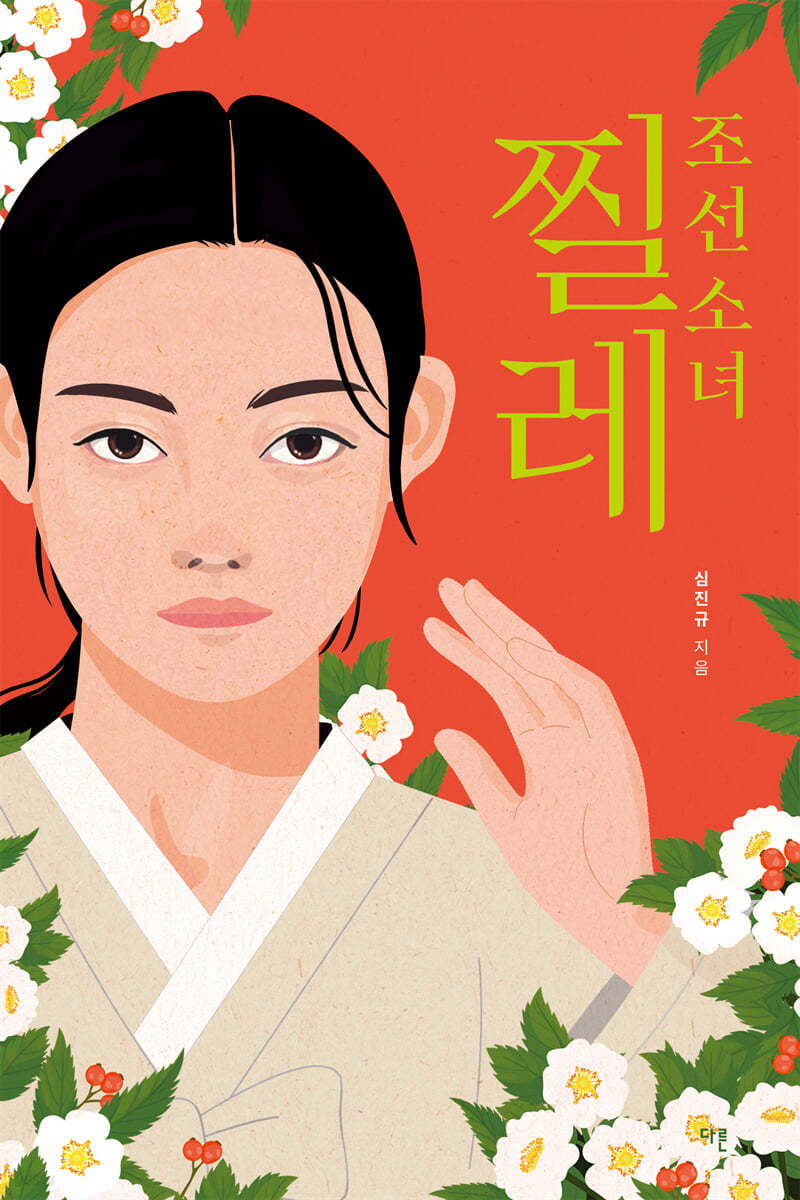
Joseon Girl's Rose
 |
Description
Book Introduction
Than the broken forehead of an artificial
What we need to pay more attention to is
When I hear the word 'Byeongjahoran', I think of a scene where ten people are hitting their heads on the ground with blood dripping from their foreheads.
Our people have suffered countless invasions from foreign powers since ancient times, but the humiliation of Samjeondo was an unprecedentedly insulting surrender, and the image itself was so shocking that it remains an even more vivid image in our minds.
But is this truly the scene we should pay most attention to when looking back on the Byeongja Horan today? "Joseon Girl's Spike" puts it this way:
“That forehead is a bit broken, isn’t it?”
"Joseon Girl Jille" is a youth historical novel that looks at the sorrow of the people in the midst of war, which is not found in history textbooks, through the eyes of a sixteen-year-old girl Jille.
By the time the novel is finished, readers will have found their own answer as to why they need to revisit a history that isn't all that pleasant.
What we need to pay more attention to is
When I hear the word 'Byeongjahoran', I think of a scene where ten people are hitting their heads on the ground with blood dripping from their foreheads.
Our people have suffered countless invasions from foreign powers since ancient times, but the humiliation of Samjeondo was an unprecedentedly insulting surrender, and the image itself was so shocking that it remains an even more vivid image in our minds.
But is this truly the scene we should pay most attention to when looking back on the Byeongja Horan today? "Joseon Girl's Spike" puts it this way:
“That forehead is a bit broken, isn’t it?”
"Joseon Girl Jille" is a youth historical novel that looks at the sorrow of the people in the midst of war, which is not found in history textbooks, through the eyes of a sixteen-year-old girl Jille.
By the time the novel is finished, readers will have found their own answer as to why they need to revisit a history that isn't all that pleasant.
- You can preview some of the book's contents.
Preview
index
whipping
A people who lost their country
parting
Shenyang
Second breakup
meeting
Hope with Tears
Dreaming of a new world
Back to Joseon
Unfulfilled dreams
On the way back
Author's Note
A people who lost their country
parting
Shenyang
Second breakup
meeting
Hope with Tears
Dreaming of a new world
Back to Joseon
Unfulfilled dreams
On the way back
Author's Note
Into the book
At that moment, a sharp knife came through the kudzu vines.
The blade grazed the thorn's neck.
Immediately afterwards, a vicious hand grabbed the thorn's neck.
The thorn tried to pull his hand away, but it was no use.
The thorn was dragged out by the man's hand and thrown to the floor.
“There was a rat hiding.”
--- p.10 From "Whip Rain"
The Qing soldiers threw the thorns into the barracks like a burden.
There were several girls of Jille's age in the barracks.
Everyone was crouching in a corner, scared.
I also heard sobbing.
Even the thorns were scared.
--- p.34 From "Parting"
“If you get dragged off to the Qing, a woman like you will be nothing more than a slave who does odd jobs in other people’s houses for the rest of her life.
“In that case, how about becoming my concubine?”
“Please save me.
“Please save me.”
“Hahahaha.
When did I say I would kill you? I'm trying to save you now.
Do you know who I am?
--- p.38 From "Parting"
At the prince's words, the tightly locked iron bars opened.
The people who were trapped inside, trembling in fear of when and where they would be sold, followed the prince and his party.
Jjiredo also headed to Simyanggwan, the Crown Prince's residence, with the people.
Upon arriving at the office, the officials distributed clothes for the people to change into.
Although three or four people had to live together in a small room, it felt like a palace to them, who had lived a life worse than that of animals.
People who were treated like animals shed tears at the warm treatment.
--- p.105 From "Encounter"
“I want to make Joseon a country where science, not Confucianism, is the priority, and where anyone can become an official based on ability, not social status.
“You help me a lot.”
The prince said while looking at the thornbush.
The thornbush nodded slowly.
--- p.144 From “Dreaming of a New World”
“Please stop for a moment.”
A thornbush blocked the royal physician's path.
I looked at the crown prince's face through the white cloth and observed his expression.
The prince's face, which had turned black, was not one he knew.
It wasn't the look of someone who had just passed away.
Moreover, black blood flowed from the crown prince's ears, nose, and mouth, soaking the pillow.
--- From "Unfulfilled Dreams" on page 176
“Hey, Jilleya, if you look closely, you’re living up to your name.”
The thornbush remained silent, not knowing what the prince meant.
The prince looked at the thorns and said.
“The thistle flower may seem small and delicate, but its thorns protect it from harm.
After the flowers fall, doesn't it bear red, hard fruit?
The blade grazed the thorn's neck.
Immediately afterwards, a vicious hand grabbed the thorn's neck.
The thorn tried to pull his hand away, but it was no use.
The thorn was dragged out by the man's hand and thrown to the floor.
“There was a rat hiding.”
--- p.10 From "Whip Rain"
The Qing soldiers threw the thorns into the barracks like a burden.
There were several girls of Jille's age in the barracks.
Everyone was crouching in a corner, scared.
I also heard sobbing.
Even the thorns were scared.
--- p.34 From "Parting"
“If you get dragged off to the Qing, a woman like you will be nothing more than a slave who does odd jobs in other people’s houses for the rest of her life.
“In that case, how about becoming my concubine?”
“Please save me.
“Please save me.”
“Hahahaha.
When did I say I would kill you? I'm trying to save you now.
Do you know who I am?
--- p.38 From "Parting"
At the prince's words, the tightly locked iron bars opened.
The people who were trapped inside, trembling in fear of when and where they would be sold, followed the prince and his party.
Jjiredo also headed to Simyanggwan, the Crown Prince's residence, with the people.
Upon arriving at the office, the officials distributed clothes for the people to change into.
Although three or four people had to live together in a small room, it felt like a palace to them, who had lived a life worse than that of animals.
People who were treated like animals shed tears at the warm treatment.
--- p.105 From "Encounter"
“I want to make Joseon a country where science, not Confucianism, is the priority, and where anyone can become an official based on ability, not social status.
“You help me a lot.”
The prince said while looking at the thornbush.
The thornbush nodded slowly.
--- p.144 From “Dreaming of a New World”
“Please stop for a moment.”
A thornbush blocked the royal physician's path.
I looked at the crown prince's face through the white cloth and observed his expression.
The prince's face, which had turned black, was not one he knew.
It wasn't the look of someone who had just passed away.
Moreover, black blood flowed from the crown prince's ears, nose, and mouth, soaking the pillow.
--- From "Unfulfilled Dreams" on page 176
“Hey, Jilleya, if you look closely, you’re living up to your name.”
The thornbush remained silent, not knowing what the prince meant.
The prince looked at the thorns and said.
“The thistle flower may seem small and delicate, but its thorns protect it from harm.
After the flowers fall, doesn't it bear red, hard fruit?
--- From "The Road to Departure Again" on page 183
Publisher's Review
The fun of the story and the context of history
A complete historical novel that we've put together
Many of the recently published historical novels for young adults fall into the so-called 'fusion' genre.
It arouses interest and immersion with fantasy elements, such as a modern protagonist time-traveling to the past.
This may have been an attempt made out of the idea that history as a subject matter is too rigid and boring for young readers to digest.
In fact, many works written in this way have been loved.
However, these works are usually set in the past and have difficulty tracing the bold lines of actual history.
In “Joseon Girl Jille,” the main character Jille takes the reader straight into history without any other medium.
The novel begins with a scene where Jille, who has lost her family to the ravages of war, is running away from Qing soldiers and slave hunters, and its speed and appeal are no less than any other thriller.
Furthermore, through the author's imagination and oral traditions, he depicts the family history of Jille, the lives of Korean prisoners taken to the Qing Dynasty, and anecdotes from the slave market, allowing us to guess what difficulties the common people faced at the time.
It is a 'fictional' story that encounters the 'real' history of the people, which is not given much importance in history centered on dynasties and rulers.
This alone is significant enough, but the highlight of this novel comes when Jille meets Prince Sohyeon.
From then on, the story of the thorn is naturally interwoven with the larger historical narrative, including the world that Prince Sohyeon dreamed of, the return of the prince and his party, the conflict with King Injo, and the death of the prince.
By placing a small protagonist in the midst of a grand historical event, it naturally allows us to look at historical events that have previously been viewed from only one perspective from a different perspective.
What moves humans
The importance of setting clear goals
The encounter with Prince Sohyeon, who completely changed Jille's life, not only served to tell the story of history in textbooks, but also conveyed an important message to our readers today.
The meeting between the two brought about the most important change for Jille: 'goal setting'.
The only goal that Jille, who was taken to the Qing Dynasty, had was to return to Joseon and meet his father and younger brother Dal-lae again.
However, after several failed escape attempts and being recaptured just before the Yalu River, Jille gives up everything.
However, after meeting Prince Sohyeon, Jjille has a new and great goal: to 'help create a new world', something she had never dared to imagine before.
From this point on, Jille becomes a lively girl, completely transformed from her previous listless appearance.
It may also be for this reason that he was able to remain calm even after returning to Joseon and hearing the tragic news of his father and Dal-lae.
Although Jille cannot overcome the barriers of time and environment, the reason why the reader, after closing the book, feels more hopeful for Jille's future than a bitter aftertaste is probably because he discovers that Jille has grown into a person who knows how to move forward by resetting his life's goals without being discouraged by repeated failures.
This is also a message that permeates our lives today, nearly 400 years after the setting of the work.
This is why it was necessary to write a novel set during the Byeongja War in the 21st century, and why it is necessary to read it.
A complete historical novel that we've put together
Many of the recently published historical novels for young adults fall into the so-called 'fusion' genre.
It arouses interest and immersion with fantasy elements, such as a modern protagonist time-traveling to the past.
This may have been an attempt made out of the idea that history as a subject matter is too rigid and boring for young readers to digest.
In fact, many works written in this way have been loved.
However, these works are usually set in the past and have difficulty tracing the bold lines of actual history.
In “Joseon Girl Jille,” the main character Jille takes the reader straight into history without any other medium.
The novel begins with a scene where Jille, who has lost her family to the ravages of war, is running away from Qing soldiers and slave hunters, and its speed and appeal are no less than any other thriller.
Furthermore, through the author's imagination and oral traditions, he depicts the family history of Jille, the lives of Korean prisoners taken to the Qing Dynasty, and anecdotes from the slave market, allowing us to guess what difficulties the common people faced at the time.
It is a 'fictional' story that encounters the 'real' history of the people, which is not given much importance in history centered on dynasties and rulers.
This alone is significant enough, but the highlight of this novel comes when Jille meets Prince Sohyeon.
From then on, the story of the thorn is naturally interwoven with the larger historical narrative, including the world that Prince Sohyeon dreamed of, the return of the prince and his party, the conflict with King Injo, and the death of the prince.
By placing a small protagonist in the midst of a grand historical event, it naturally allows us to look at historical events that have previously been viewed from only one perspective from a different perspective.
What moves humans
The importance of setting clear goals
The encounter with Prince Sohyeon, who completely changed Jille's life, not only served to tell the story of history in textbooks, but also conveyed an important message to our readers today.
The meeting between the two brought about the most important change for Jille: 'goal setting'.
The only goal that Jille, who was taken to the Qing Dynasty, had was to return to Joseon and meet his father and younger brother Dal-lae again.
However, after several failed escape attempts and being recaptured just before the Yalu River, Jille gives up everything.
However, after meeting Prince Sohyeon, Jjille has a new and great goal: to 'help create a new world', something she had never dared to imagine before.
From this point on, Jille becomes a lively girl, completely transformed from her previous listless appearance.
It may also be for this reason that he was able to remain calm even after returning to Joseon and hearing the tragic news of his father and Dal-lae.
Although Jille cannot overcome the barriers of time and environment, the reason why the reader, after closing the book, feels more hopeful for Jille's future than a bitter aftertaste is probably because he discovers that Jille has grown into a person who knows how to move forward by resetting his life's goals without being discouraged by repeated failures.
This is also a message that permeates our lives today, nearly 400 years after the setting of the work.
This is why it was necessary to write a novel set during the Byeongja War in the 21st century, and why it is necessary to read it.
GOODS SPECIFICS
- Date of issue: June 24, 2024
- Page count, weight, size: 192 pages | 260g | 140*210*11mm
- ISBN13: 9791156336211
You may also like
카테고리
korean


korean

![GQ KOREA Mark (Monthly): December [2025]](http://librairie.coreenne.fr/cdn/shop/files/8ef265dbbfbf186523ed75ba7319009d.jpg?v=1765340328&width=3840)


