

Cubeflow
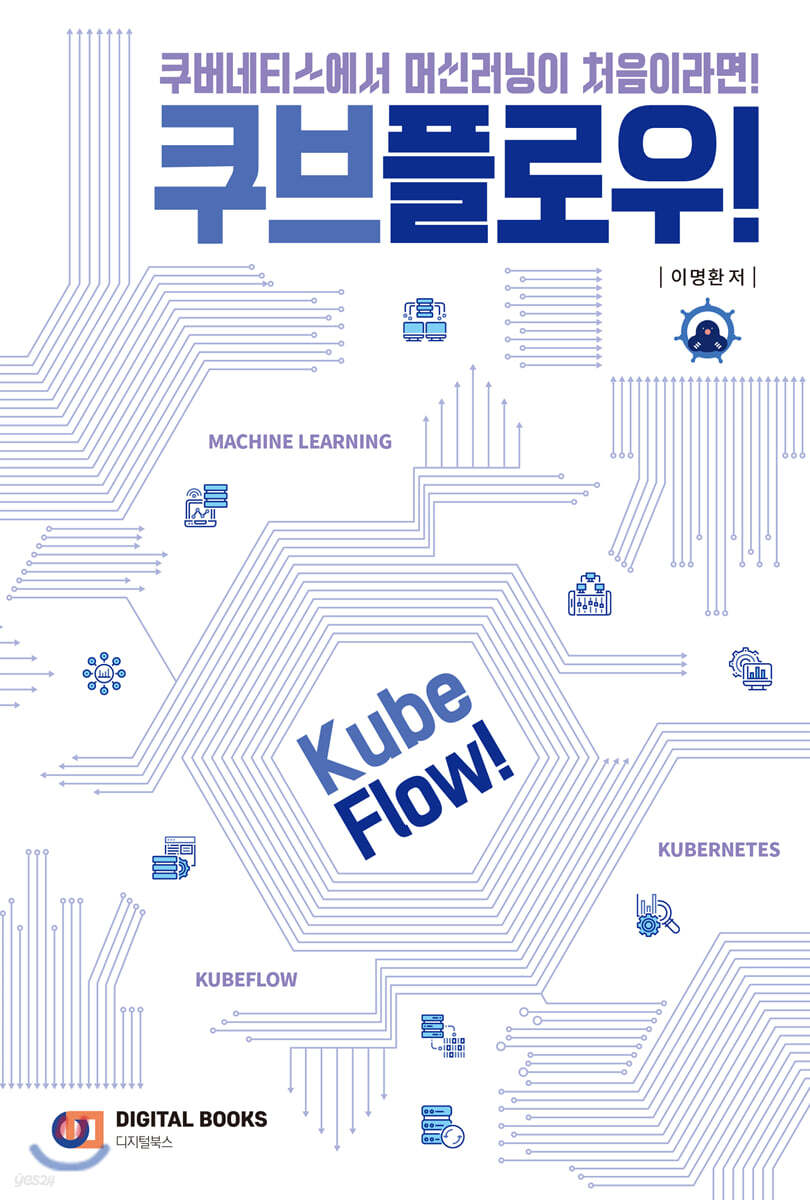 |
Description
Book Introduction
The Go match between the genius Go player Lee Sedol and the artificial intelligence AlphaGo was an event that showed the world the value of machine learning technology.
After this competition, interest in machine learning grew, and many developers jumped into it, but many processes beyond the basics remained as questions.
The latest tool to solve these questions is 'Kubeflow'.
"Kubeflow" helps you gain a comprehensive understanding of machine learning technology by explaining the concepts of Kubeflow and providing simple practical exercises.
Since you can use KubeFlow to create machine learning models and build optimized serving models, you can experience the big picture of machine learning in advance.
If you are a developer looking to get started with machine learning, this book will be a great guide.
After this competition, interest in machine learning grew, and many developers jumped into it, but many processes beyond the basics remained as questions.
The latest tool to solve these questions is 'Kubeflow'.
"Kubeflow" helps you gain a comprehensive understanding of machine learning technology by explaining the concepts of Kubeflow and providing simple practical exercises.
Since you can use KubeFlow to create machine learning models and build optimized serving models, you can experience the big picture of machine learning in advance.
If you are a developer looking to get started with machine learning, this book will be a great guide.
- You can preview some of the book's contents.
Preview
index
PART 01 Introduction to Machine Learning
Chatper 01 Basic Concepts of Machine Learning
1.1 Chapter Description and How to Use Chapters
1.2 Machine Learning Basics
1.2.1 Linear Regression
1.2.2 Dimensional expansion (multivariable linear regression)
1.2.3 Logistic Regression
1.2.4 Softmax Regression
1.3 Other useful concepts and tips
1.3.1 Learning rate
1.3.2 Batch normalization
1.3.3 Overfitting
1.3.4 About Deep Learning
Chatper 02 Image Analysis Practice Using Deep Learning
2.1 Chapter Description and Practice Overview
2.2 Setting up the development environment
2.2.1 Description of Google Colaboratory
2.2.2 Installing Colab
2.2.3 Colab Environment Settings
2.2.4 Installing Python and Keras
2.3 Preparing the Dataset and Building the CNN Model
2.3.1 Mounting Google Drive
2.3.2 Training dataset preparation and image preprocessing
2.3.3 Building a CNN Model
2.3.4 Dataset Training
2.4 Transfer learning
2.4.1 Application of the concept and model of transfer learning
2.4.2 Applying transfer learning code
PART 02: Kubernetes' Machine Learning Toolkit! Kubeflow!
Chatper 01 kubeflow
1.1 ML Workflow
1.1.1 What is an ML workflow?
1.1.2 Model Experiment Stage
1.1.3 Model Production Stage
1.1.4 ML Workflow Tools
1.2 kubeflow
1.2.1 kubeflow?
1.2.2 kubeflow components on ML workflow
1.2.3 Kubeflow User Interface (UI)
1.2.4 API and SDK
1.2.5 Kubeflow Components
1.2.6 Kubeflow Version Policy
1.3 Kubernetes
1.3.0 Preface
1.3.1 The Container Development Era
1.3.2 What is Kubernetes?
1.3.3 Kubernetes Architecture
1.3.4 Objects and Controllers
1.3.5 Object Templates
1.3.6 Labels, Selectors, and Annotations
1.3.7 Ingress
1.3.8 Config Map
1.3.9 Secret
1.3.10 Authentication and Authorization
1.4 Installing Kubeflow
1.4.1 Installation Requirements
1.4.2 Installing Kubernetes
1.4.3 Private Docker Registry
1.4.4 k9s
1.4.5 kfctl
1.4.6 Distribution Platform
1.4.7 Installing Standard Cubeflow
Install DEX version 1.4.8
1.4.9 Profile
1.4.10 Deleted
Chatper 02 Kubeflow Components
2.0 Introduction
2.1 Dashboard
2.1.1 Overview
2.1.2 Accessing the Dashboard Locally
2.2 Notebook servers
2.2.1 Overview
2.2.2 Creating a Notebook
2.2.3 Checking Kubernetes Resources
2.2.4 Creating a Custom Image
2.2.5 TroubleShooting
2.3 Fairing
2.3.1 Introduction
2.3.2 Architecture
2.3.3 Pairing Installation
2.3.4 Pairing Settings
2.3.5 fairing.config
2.3.6 Preprocessor
2.3.7 Builder
2.3.8 Deployer
2.3.9 Config.run
2.3.10 Config.fn
2.3.11 fairing.ml_tasks
2.4 Katib
2.4.1 Introduction
2.4.2 Hyperparameters and Hyperparameter Optimization
2.4.3 Neural Architecture Exploration
2.4.4 Architecture
2.4.5 Experiment
2.4.6 Search Algorithm
2.4.7 Metric collector
2.4.8 Components
2.4.9 Cativ Web UI
2.4.10 Rest API
2.4.11 Command-line interfaces
2.4.12 Catib standalone installation
2.5 Pipeline
2.5.1 Introduction
2.5.2 Pipeline
2.5.3 Architecture
2.5.3 Components
2.5.4 Graph
2.5.5 Run, Recurring Run
2.5.6 Run Trigger
2.5.7 Step
2.5.8 Experiment
2.5.9 Output Artifact
2.5.10 Pipeline Interface
2.5.11 Pipeline-only installation
2.5.12 Installing the Pipeline SDK
2.5.13 Exploring the PipelineSDK Package
2.5.14 Creating a Pipeline with the SDK
2.5.15 Light Python Components
2.5.16 Parameter (PipelineParam)
2.5.17 Matrix
2.5.18 Kubernetes Resource Components
2.6 Training of ML models
2.6.1 TFJob
2.6.2 PyTorchJob
2.6.3 MXJob (MXNet)
2.6.4 MPIJob
2.6.5 ChainerJob
2.7 Serving Models
2.7.1 Overview
2.7.2 KFServing
2.7.3 InferenceService
2.7.4 Seldon Serving
2.8 Metadata
2.8.1 Overview
2.8.2 Installation
2.8.3 SDK
2.8.4 Metadata Web UI
2.8.5 Watcher
Chatper 03 Hands-on Cubeflow
3.1 Training Mnist with Fairing
3.1.1 Notebook provisioning
3.1.2 Running fashion mnist
3.1.3 Changing the fashion manager to a fairing job
3.1.4 Running a Job
3.1.5 Now that I've caught it, I think I can throw it away.
3.2 Optimizing Hyperparameters with Catib
3.2.1 Modify the fashion Mnist to be able to throw a katib job
3.2.2 Creating a Catib experiment CRD
3.2.3 Running a katib job in a jupyter notebook
3.2.4 Analyzing the Catib Trial Graph
3.3 Creating an Inference Model Server
3.3.1 Preparing the Model
3.3.2 Configuring an Inference Model Server Using KFServing
3.3.3 Testing the Inference Model
3.4 Creating an ML Workflow with Pipelines
3.4.1 Attaching Volume to a Pipeline
3.4.2 Continuously adding data to storage using recurring runs
3.4.3 Pipeline from learning to serving
3.5 Caltech101 Optimization
3.5.0 Overview
3.5.1 First pairing
3.5.2 Metric Settings for Catib
3.5.3 Katib Submit!
3.5.4 Analyzing Trial Graphs
3.5.5 Running a Kartib Experiment on a Laptop
3.5.6 Wrapping Experiment Runs in Pairing
3.5.7 Running Experiments in a Pipeline
3.5.8 Checking Catib Results
Chatper 01 Basic Concepts of Machine Learning
1.1 Chapter Description and How to Use Chapters
1.2 Machine Learning Basics
1.2.1 Linear Regression
1.2.2 Dimensional expansion (multivariable linear regression)
1.2.3 Logistic Regression
1.2.4 Softmax Regression
1.3 Other useful concepts and tips
1.3.1 Learning rate
1.3.2 Batch normalization
1.3.3 Overfitting
1.3.4 About Deep Learning
Chatper 02 Image Analysis Practice Using Deep Learning
2.1 Chapter Description and Practice Overview
2.2 Setting up the development environment
2.2.1 Description of Google Colaboratory
2.2.2 Installing Colab
2.2.3 Colab Environment Settings
2.2.4 Installing Python and Keras
2.3 Preparing the Dataset and Building the CNN Model
2.3.1 Mounting Google Drive
2.3.2 Training dataset preparation and image preprocessing
2.3.3 Building a CNN Model
2.3.4 Dataset Training
2.4 Transfer learning
2.4.1 Application of the concept and model of transfer learning
2.4.2 Applying transfer learning code
PART 02: Kubernetes' Machine Learning Toolkit! Kubeflow!
Chatper 01 kubeflow
1.1 ML Workflow
1.1.1 What is an ML workflow?
1.1.2 Model Experiment Stage
1.1.3 Model Production Stage
1.1.4 ML Workflow Tools
1.2 kubeflow
1.2.1 kubeflow?
1.2.2 kubeflow components on ML workflow
1.2.3 Kubeflow User Interface (UI)
1.2.4 API and SDK
1.2.5 Kubeflow Components
1.2.6 Kubeflow Version Policy
1.3 Kubernetes
1.3.0 Preface
1.3.1 The Container Development Era
1.3.2 What is Kubernetes?
1.3.3 Kubernetes Architecture
1.3.4 Objects and Controllers
1.3.5 Object Templates
1.3.6 Labels, Selectors, and Annotations
1.3.7 Ingress
1.3.8 Config Map
1.3.9 Secret
1.3.10 Authentication and Authorization
1.4 Installing Kubeflow
1.4.1 Installation Requirements
1.4.2 Installing Kubernetes
1.4.3 Private Docker Registry
1.4.4 k9s
1.4.5 kfctl
1.4.6 Distribution Platform
1.4.7 Installing Standard Cubeflow
Install DEX version 1.4.8
1.4.9 Profile
1.4.10 Deleted
Chatper 02 Kubeflow Components
2.0 Introduction
2.1 Dashboard
2.1.1 Overview
2.1.2 Accessing the Dashboard Locally
2.2 Notebook servers
2.2.1 Overview
2.2.2 Creating a Notebook
2.2.3 Checking Kubernetes Resources
2.2.4 Creating a Custom Image
2.2.5 TroubleShooting
2.3 Fairing
2.3.1 Introduction
2.3.2 Architecture
2.3.3 Pairing Installation
2.3.4 Pairing Settings
2.3.5 fairing.config
2.3.6 Preprocessor
2.3.7 Builder
2.3.8 Deployer
2.3.9 Config.run
2.3.10 Config.fn
2.3.11 fairing.ml_tasks
2.4 Katib
2.4.1 Introduction
2.4.2 Hyperparameters and Hyperparameter Optimization
2.4.3 Neural Architecture Exploration
2.4.4 Architecture
2.4.5 Experiment
2.4.6 Search Algorithm
2.4.7 Metric collector
2.4.8 Components
2.4.9 Cativ Web UI
2.4.10 Rest API
2.4.11 Command-line interfaces
2.4.12 Catib standalone installation
2.5 Pipeline
2.5.1 Introduction
2.5.2 Pipeline
2.5.3 Architecture
2.5.3 Components
2.5.4 Graph
2.5.5 Run, Recurring Run
2.5.6 Run Trigger
2.5.7 Step
2.5.8 Experiment
2.5.9 Output Artifact
2.5.10 Pipeline Interface
2.5.11 Pipeline-only installation
2.5.12 Installing the Pipeline SDK
2.5.13 Exploring the PipelineSDK Package
2.5.14 Creating a Pipeline with the SDK
2.5.15 Light Python Components
2.5.16 Parameter (PipelineParam)
2.5.17 Matrix
2.5.18 Kubernetes Resource Components
2.6 Training of ML models
2.6.1 TFJob
2.6.2 PyTorchJob
2.6.3 MXJob (MXNet)
2.6.4 MPIJob
2.6.5 ChainerJob
2.7 Serving Models
2.7.1 Overview
2.7.2 KFServing
2.7.3 InferenceService
2.7.4 Seldon Serving
2.8 Metadata
2.8.1 Overview
2.8.2 Installation
2.8.3 SDK
2.8.4 Metadata Web UI
2.8.5 Watcher
Chatper 03 Hands-on Cubeflow
3.1 Training Mnist with Fairing
3.1.1 Notebook provisioning
3.1.2 Running fashion mnist
3.1.3 Changing the fashion manager to a fairing job
3.1.4 Running a Job
3.1.5 Now that I've caught it, I think I can throw it away.
3.2 Optimizing Hyperparameters with Catib
3.2.1 Modify the fashion Mnist to be able to throw a katib job
3.2.2 Creating a Catib experiment CRD
3.2.3 Running a katib job in a jupyter notebook
3.2.4 Analyzing the Catib Trial Graph
3.3 Creating an Inference Model Server
3.3.1 Preparing the Model
3.3.2 Configuring an Inference Model Server Using KFServing
3.3.3 Testing the Inference Model
3.4 Creating an ML Workflow with Pipelines
3.4.1 Attaching Volume to a Pipeline
3.4.2 Continuously adding data to storage using recurring runs
3.4.3 Pipeline from learning to serving
3.5 Caltech101 Optimization
3.5.0 Overview
3.5.1 First pairing
3.5.2 Metric Settings for Catib
3.5.3 Katib Submit!
3.5.4 Analyzing Trial Graphs
3.5.5 Running a Kartib Experiment on a Laptop
3.5.6 Wrapping Experiment Runs in Pairing
3.5.7 Running Experiments in a Pipeline
3.5.8 Checking Catib Results
Detailed image

GOODS SPECIFICS
- Date of issue: March 20, 2020
- Page count, weight, size: 312 pages | 153*224*30mm
- ISBN13: 9788960883055
- ISBN10: 8960883050
You may also like
카테고리
korean


korean

![GQ KOREA Mark (Monthly): December [2025]](http://librairie.coreenne.fr/cdn/shop/files/8ef265dbbfbf186523ed75ba7319009d.jpg?v=1765340328&width=3840)


