

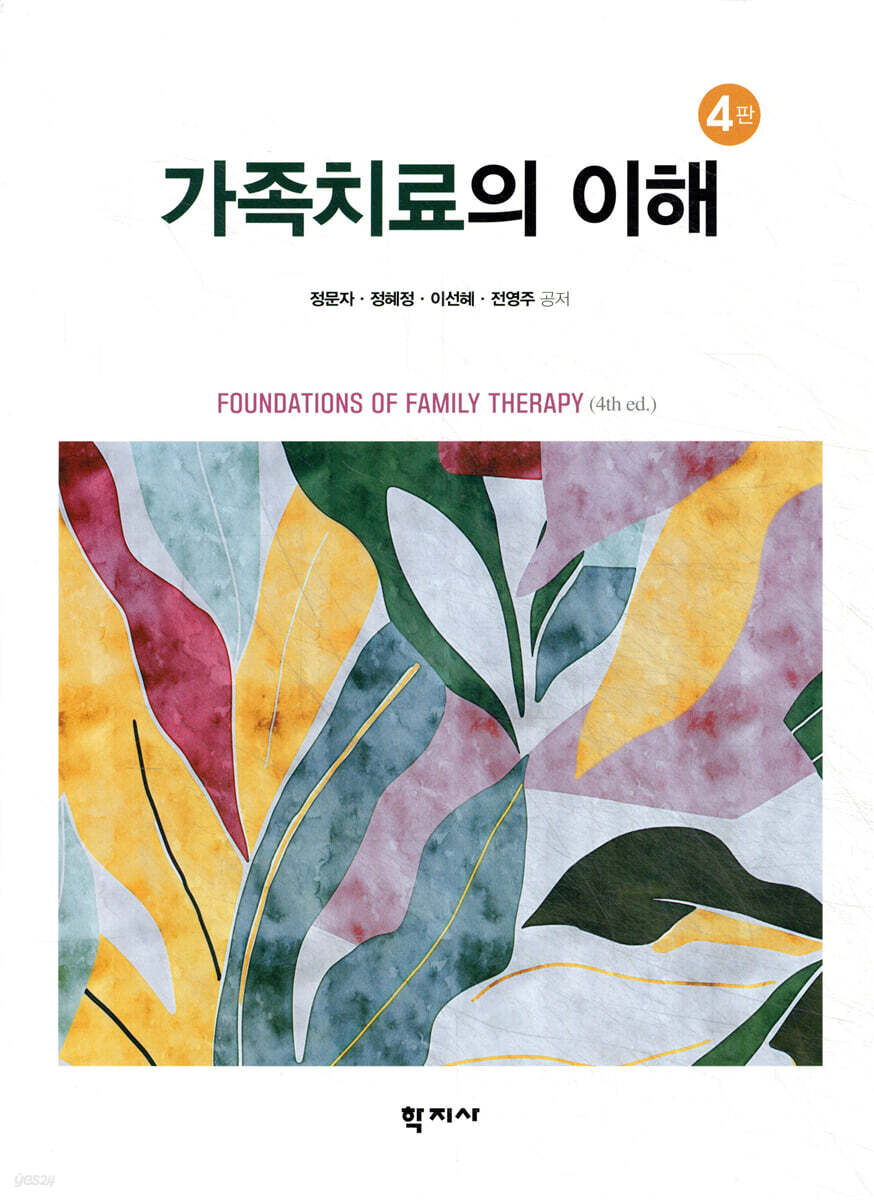
Understanding Family Therapy
 |
Description
Book Introduction
The 4th edition, which was released seven years after the 3rd edition of 『Understanding Family Therapy』, completely deleted the part introducing various models of family therapy in Chapter 1 of the existing Part 1, ‘Development of Family Therapy.’
This is because each model is covered in detail in Chapters 4-7 and 9-10.
However, a brief description of the solution-oriented model and the cooperative language system model was maintained.
Chapter 2, “The Development of Family Therapy in Korea,” significantly updates newspaper articles on traditional problem-solving methods in Korean society to reflect recent discussions.
In addition, the section introducing the current status of family therapy in Korea includes the laws and systems related to family counseling and treatment that have been introduced and expanded since 2000, as well as the latest trends in the internationalization of Korean family therapy.
In Chapter 3 of Part 2, 'Early Family Therapy Models,' the diagram dealing with the worldview and theoretical framework of family therapy was revised, and in Chapters 4 to 7, some of the content was supplemented while maintaining the framework of multigenerational, experiential, structural, and strategic family therapy.
Additionally, at least one of the practice problems in each chapter was changed, and all practice problems in each chapter were unified into three problems.
Chapter 8, ‘Theoretical Foundations of Postmodern Family Therapy’ of Part 3, ‘Postmodern Family Therapy Model’, briefly introduces the controversies surrounding postmodernism.
Chapter 9, “Solution-Focused Brief Therapy,” briefly explains solution-focused case conceptualization and explains the treatment process step by step to serve as a guide for therapists when applying solution-focused therapy.
Chapter 10, 'Talk Therapy', maintains the existing framework but presents a more clear position on the occurrence and resolution of problems.
In Chapter 11, “Family Life Cycle and Family Therapy,” of Part 4, “Issues in Family Therapy,” newspaper articles related to the stages of the family life cycle were deleted and some of their content was included in the text. In the section on the family life cycle of divorced and remarried families, the latest statistical data was presented and research results were introduced.
Chapter 12, ‘Family Assessment’, has had its title changed to ‘Family Therapy Process’ and its content revised.
The family therapy process was divided into three stages: early, middle, and late, and the key issues and checklist items for each stage were examined.
Finally, Chapter 13, "Ethical Issues in Family Therapy," reflects the surge in non-face-to-face counseling services since the COVID-19 pandemic, explaining domestic and international ethical standards and related issues for cybercounseling.
Additionally, it introduces new concepts and methods of ethical practice from the perspective of post-secondary family therapy.
This is because each model is covered in detail in Chapters 4-7 and 9-10.
However, a brief description of the solution-oriented model and the cooperative language system model was maintained.
Chapter 2, “The Development of Family Therapy in Korea,” significantly updates newspaper articles on traditional problem-solving methods in Korean society to reflect recent discussions.
In addition, the section introducing the current status of family therapy in Korea includes the laws and systems related to family counseling and treatment that have been introduced and expanded since 2000, as well as the latest trends in the internationalization of Korean family therapy.
In Chapter 3 of Part 2, 'Early Family Therapy Models,' the diagram dealing with the worldview and theoretical framework of family therapy was revised, and in Chapters 4 to 7, some of the content was supplemented while maintaining the framework of multigenerational, experiential, structural, and strategic family therapy.
Additionally, at least one of the practice problems in each chapter was changed, and all practice problems in each chapter were unified into three problems.
Chapter 8, ‘Theoretical Foundations of Postmodern Family Therapy’ of Part 3, ‘Postmodern Family Therapy Model’, briefly introduces the controversies surrounding postmodernism.
Chapter 9, “Solution-Focused Brief Therapy,” briefly explains solution-focused case conceptualization and explains the treatment process step by step to serve as a guide for therapists when applying solution-focused therapy.
Chapter 10, 'Talk Therapy', maintains the existing framework but presents a more clear position on the occurrence and resolution of problems.
In Chapter 11, “Family Life Cycle and Family Therapy,” of Part 4, “Issues in Family Therapy,” newspaper articles related to the stages of the family life cycle were deleted and some of their content was included in the text. In the section on the family life cycle of divorced and remarried families, the latest statistical data was presented and research results were introduced.
Chapter 12, ‘Family Assessment’, has had its title changed to ‘Family Therapy Process’ and its content revised.
The family therapy process was divided into three stages: early, middle, and late, and the key issues and checklist items for each stage were examined.
Finally, Chapter 13, "Ethical Issues in Family Therapy," reflects the surge in non-face-to-face counseling services since the COVID-19 pandemic, explaining domestic and international ethical standards and related issues for cybercounseling.
Additionally, it introduces new concepts and methods of ethical practice from the perspective of post-secondary family therapy.
index
Preface to the 4th Edition
Preface to the 3rd edition
Preface to the 2nd edition
Preface to the First Edition
Part 1: The Development of Family Therapy
Chapter 1: The Development of Western Family Therapy
1.
Background of the development of family therapy
2.
Developmental stages of Western family therapy
3.
Various models of family therapy
4.
The Difference Between Family Therapy and Individual Therapy
Chapter 2: Development of Family Therapy in Korea
1.
Background of the development of family therapy
2.
Development of Korean family therapy
3.
Current Status of Family Therapy in Korea
Part 2: Early Family Therapy Models
Chapter 3: Theoretical Foundations of Early Family Therapy
1.
General Systems Theory
2.
cybernetics
3.
Early family therapy research
Chapter 4 Bowen's Multigenerational Family Therapy
1.
Developmental background
2.
Key concepts
3.
Treatment goals and treatment process
4.
Therapist Role and Treatment Techniques
5.
Case study
Chapter 5: Satir's Experiential Family Therapy
1.
Developmental background
2.
Key concepts
3.
Treatment goals and treatment process
4.
Therapist Role and Treatment Techniques
5.
Case study
Chapter 6 Structural Family Therapy
1.
Developmental background
2.
Key concepts
3.
Treatment goals and treatment process
4.
Therapist Role and Treatment Techniques
5.
Case study
Chapter 7 Strategic Family Therapy
1.
Developmental background
2.
Key concepts
3.
Treatment goals and treatment process
4.
Therapist Role and Treatment Techniques
5.
Case study
Part 3: The Post-Family Therapy Model
Chapter 8: Theoretical Foundations of Post-Secondary Family Therapy
1.
Postmodernism and Second-Order Cybernetics
2.
Poststructuralism
3.
Constructivism and Social Constructivism
4.
The role of language
5.
feminism
6.
Family Therapy in the Age of Ultramodernism
Chapter 9 Solution-Focused Brief Therapy
1.
Developmental background
2.
Assumptions and Principles
3.
Treatment process
4.
Therapist Role and Treatment Techniques
5.
Case study
Chapter 10 Narrative Therapy
1.
Developmental background
2.
Assumptions and Principles
3.
Treatment process
4.
Therapist Role and Treatment Techniques
5.
Case study
Part 4: Issues in Family Therapy
Chapter 11: Family Life Cycle and Family Therapy
1.
Family life cycle perspective
2.
Family Life Cycle Stages and Developmental Tasks
3.
Family life cycle of divorced and remarried families
Chapter 12: The Family Therapy Process
1.
Early stages of family therapy
2.
Mid-stage family therapy
3.
Family Therapy Reviews
Chapter 13: Ethical Issues in Family Therapy
1.
Family Therapist's Values and Ethics
2.
Key Ethical Principles of Family Therapy
3.
Ethical Dilemmas in Family Therapy
4.
Ethical Decision-Making Model
5.
Cyber Counseling Ethics
Glossary
References
Search
Preface to the 3rd edition
Preface to the 2nd edition
Preface to the First Edition
Part 1: The Development of Family Therapy
Chapter 1: The Development of Western Family Therapy
1.
Background of the development of family therapy
2.
Developmental stages of Western family therapy
3.
Various models of family therapy
4.
The Difference Between Family Therapy and Individual Therapy
Chapter 2: Development of Family Therapy in Korea
1.
Background of the development of family therapy
2.
Development of Korean family therapy
3.
Current Status of Family Therapy in Korea
Part 2: Early Family Therapy Models
Chapter 3: Theoretical Foundations of Early Family Therapy
1.
General Systems Theory
2.
cybernetics
3.
Early family therapy research
Chapter 4 Bowen's Multigenerational Family Therapy
1.
Developmental background
2.
Key concepts
3.
Treatment goals and treatment process
4.
Therapist Role and Treatment Techniques
5.
Case study
Chapter 5: Satir's Experiential Family Therapy
1.
Developmental background
2.
Key concepts
3.
Treatment goals and treatment process
4.
Therapist Role and Treatment Techniques
5.
Case study
Chapter 6 Structural Family Therapy
1.
Developmental background
2.
Key concepts
3.
Treatment goals and treatment process
4.
Therapist Role and Treatment Techniques
5.
Case study
Chapter 7 Strategic Family Therapy
1.
Developmental background
2.
Key concepts
3.
Treatment goals and treatment process
4.
Therapist Role and Treatment Techniques
5.
Case study
Part 3: The Post-Family Therapy Model
Chapter 8: Theoretical Foundations of Post-Secondary Family Therapy
1.
Postmodernism and Second-Order Cybernetics
2.
Poststructuralism
3.
Constructivism and Social Constructivism
4.
The role of language
5.
feminism
6.
Family Therapy in the Age of Ultramodernism
Chapter 9 Solution-Focused Brief Therapy
1.
Developmental background
2.
Assumptions and Principles
3.
Treatment process
4.
Therapist Role and Treatment Techniques
5.
Case study
Chapter 10 Narrative Therapy
1.
Developmental background
2.
Assumptions and Principles
3.
Treatment process
4.
Therapist Role and Treatment Techniques
5.
Case study
Part 4: Issues in Family Therapy
Chapter 11: Family Life Cycle and Family Therapy
1.
Family life cycle perspective
2.
Family Life Cycle Stages and Developmental Tasks
3.
Family life cycle of divorced and remarried families
Chapter 12: The Family Therapy Process
1.
Early stages of family therapy
2.
Mid-stage family therapy
3.
Family Therapy Reviews
Chapter 13: Ethical Issues in Family Therapy
1.
Family Therapist's Values and Ethics
2.
Key Ethical Principles of Family Therapy
3.
Ethical Dilemmas in Family Therapy
4.
Ethical Decision-Making Model
5.
Cyber Counseling Ethics
Glossary
References
Search
Publisher's Review
With the social demand for family therapy steadily increasing and its effectiveness widely recognized in various counseling settings, the training of competent professionals has become increasingly important.
The task of writing useful teaching materials for family therapy training is always a source of great interest and burden for authors.
The authors have shared various ideas about what content in family therapy would be most appropriate for the textbook, both in the classroom where they meet students, in the clinical setting where they meet clients, and in meetings with colleagues where they share their thoughts and ideas about the development of family therapy.
Readers' consistent and positive response to this book has been a great joy, and I am always grateful for their suggestions and evaluations regarding the book's content and direction, which have been a great resource for revising the book.
The 4th edition, which was released seven years after the 3rd edition of 『Understanding Family Therapy』, completely deleted the part introducing various models of family therapy in Chapter 1 of the existing Part 1, ‘Development of Family Therapy.’
This is because each model is covered in detail in Chapters 4-7 and 9-10.
However, a brief description of the solution-oriented model and the cooperative language system model was maintained.
Chapter 2, “The Development of Family Therapy in Korea,” significantly updates newspaper articles on traditional problem-solving methods in Korean society to reflect recent discussions.
In addition, the section introducing the current status of family therapy in Korea includes the laws and systems related to family counseling and treatment that have been introduced and expanded since 2000, as well as the latest trends in the internationalization of Korean family therapy.
In Chapter 3 of Part 2, 'Early Family Therapy Models,' the diagram dealing with the worldview and theoretical framework of family therapy was revised, and in Chapters 4 to 7, some of the content was supplemented while maintaining the framework of multigenerational, experiential, structural, and strategic family therapy.
Additionally, at least one of the practice problems in each chapter was changed, and all practice problems in each chapter were unified into three problems.
Chapter 8, ‘Theoretical Foundations of Postmodern Family Therapy’ of Part 3, ‘Postmodern Family Therapy Model’, briefly introduces the controversies surrounding postmodernism.
Chapter 9, “Solution-Focused Brief Therapy,” briefly explains solution-focused case conceptualization and explains the treatment process step by step to serve as a guide for therapists when applying solution-focused therapy.
Chapter 10, 'Talk Therapy', maintains the existing framework but presents a more clear position on the occurrence and resolution of problems.
In Chapter 11, “Family Life Cycle and Family Therapy,” of Part 4, “Issues in Family Therapy,” newspaper articles related to the stages of the family life cycle were deleted and some of their content was included in the text. In the section on the family life cycle of divorced and remarried families, the latest statistical data was presented and research results were introduced.
Chapter 12, ‘Family Assessment’, has had its title changed to ‘Family Therapy Process’ and its content revised.
The family therapy process was divided into three stages: early, middle, and late, and the key issues and checklist items for each stage were examined.
Finally, Chapter 13, "Ethical Issues in Family Therapy," reflects the surge in non-face-to-face counseling services since the COVID-19 pandemic, explaining domestic and international ethical standards and related issues for cybercounseling.
Additionally, it introduces new concepts and methods of ethical practice from the perspective of post-secondary family therapy.
The task of writing useful teaching materials for family therapy training is always a source of great interest and burden for authors.
The authors have shared various ideas about what content in family therapy would be most appropriate for the textbook, both in the classroom where they meet students, in the clinical setting where they meet clients, and in meetings with colleagues where they share their thoughts and ideas about the development of family therapy.
Readers' consistent and positive response to this book has been a great joy, and I am always grateful for their suggestions and evaluations regarding the book's content and direction, which have been a great resource for revising the book.
The 4th edition, which was released seven years after the 3rd edition of 『Understanding Family Therapy』, completely deleted the part introducing various models of family therapy in Chapter 1 of the existing Part 1, ‘Development of Family Therapy.’
This is because each model is covered in detail in Chapters 4-7 and 9-10.
However, a brief description of the solution-oriented model and the cooperative language system model was maintained.
Chapter 2, “The Development of Family Therapy in Korea,” significantly updates newspaper articles on traditional problem-solving methods in Korean society to reflect recent discussions.
In addition, the section introducing the current status of family therapy in Korea includes the laws and systems related to family counseling and treatment that have been introduced and expanded since 2000, as well as the latest trends in the internationalization of Korean family therapy.
In Chapter 3 of Part 2, 'Early Family Therapy Models,' the diagram dealing with the worldview and theoretical framework of family therapy was revised, and in Chapters 4 to 7, some of the content was supplemented while maintaining the framework of multigenerational, experiential, structural, and strategic family therapy.
Additionally, at least one of the practice problems in each chapter was changed, and all practice problems in each chapter were unified into three problems.
Chapter 8, ‘Theoretical Foundations of Postmodern Family Therapy’ of Part 3, ‘Postmodern Family Therapy Model’, briefly introduces the controversies surrounding postmodernism.
Chapter 9, “Solution-Focused Brief Therapy,” briefly explains solution-focused case conceptualization and explains the treatment process step by step to serve as a guide for therapists when applying solution-focused therapy.
Chapter 10, 'Talk Therapy', maintains the existing framework but presents a more clear position on the occurrence and resolution of problems.
In Chapter 11, “Family Life Cycle and Family Therapy,” of Part 4, “Issues in Family Therapy,” newspaper articles related to the stages of the family life cycle were deleted and some of their content was included in the text. In the section on the family life cycle of divorced and remarried families, the latest statistical data was presented and research results were introduced.
Chapter 12, ‘Family Assessment’, has had its title changed to ‘Family Therapy Process’ and its content revised.
The family therapy process was divided into three stages: early, middle, and late, and the key issues and checklist items for each stage were examined.
Finally, Chapter 13, "Ethical Issues in Family Therapy," reflects the surge in non-face-to-face counseling services since the COVID-19 pandemic, explaining domestic and international ethical standards and related issues for cybercounseling.
Additionally, it introduces new concepts and methods of ethical practice from the perspective of post-secondary family therapy.
GOODS SPECIFICS
- Date of issue: August 25, 2025
- Page count, weight, size: 504 pages | 188*257*35mm
- ISBN13: 9788999734779
- ISBN10: 8999734773
You may also like
카테고리
korean


korean

![ELLE 엘르 스페셜 에디션 A형 : 12월 [2025]](http://librairie.coreenne.fr/cdn/shop/files/b8e27a3de6c9538896439686c6b0e8fb.jpg?v=1766436872&width=3840)


