![[YesRecover] Slow-Aging Diet](http://librairie.coreenne.fr/cdn/shop/files/5cddce0f8165d0e29308a0ad410a8db2.jpg?v=1765294711&width=3840)

[YesRecover] Slow-Aging Diet
 |
Description
Book Introduction
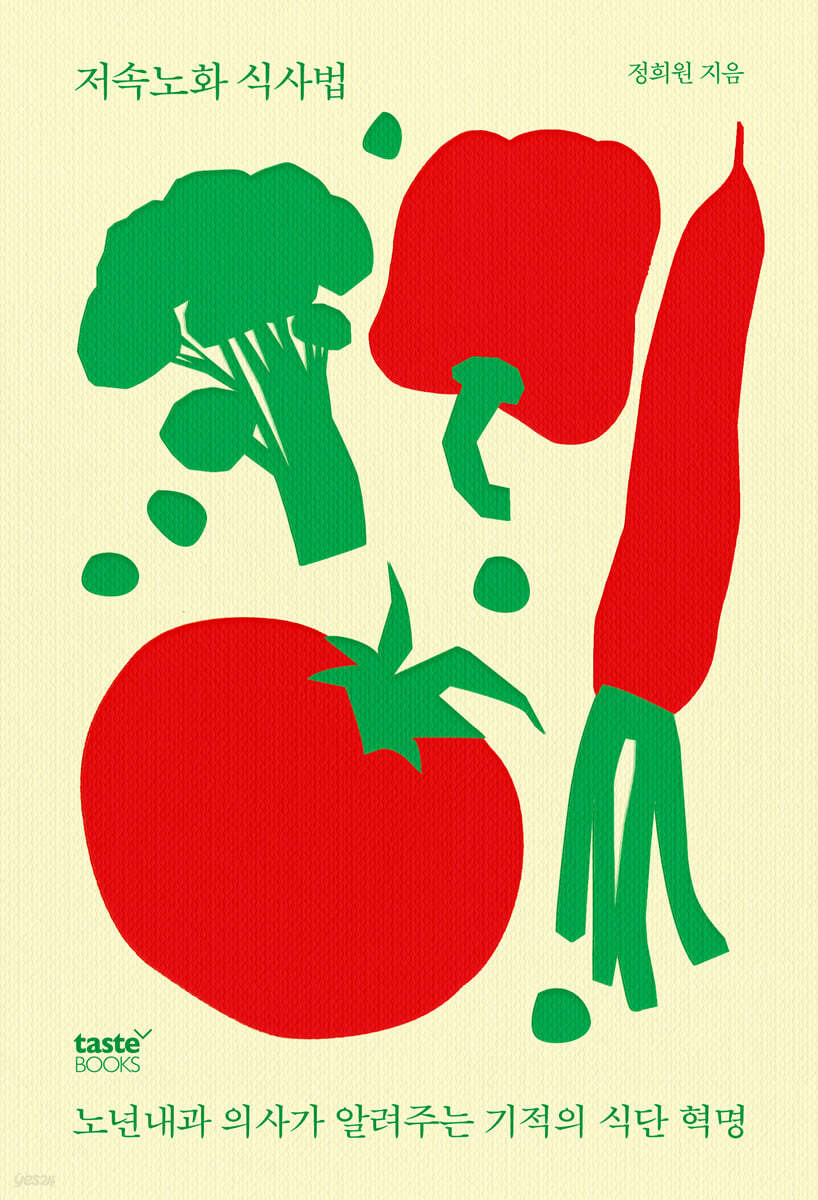
The slow-aging craze that led the 2024 trend! The book "Slow-Aging Diet," written by Dr. Jeong Hee-won, a geriatrician at Seoul Asan Medical Center and a key figure in this trend, has been published in a reissue edition thanks to popular demand. This Recover Edition features vivid red and green colors that provide a refreshing visual experience, and the vegetables in a squiggly shape, as if cut out of colored paper, create a sense of familiarity. With a simple and intuitive design, we wanted to convey that anyone, regardless of age or gender, can easily approach the 'slow aging diet'. As a geriatrician, the author not only personally examines the health of patients, but also corrects misconceptions about health common sense and provides verified information on YouTube channel “Jeong Hee-won’s Slow Aging,” and spreads the importance of healthy habits and a healthy diet to as many people as possible through broadcasts such as EBS’s “Myung-in” and “Radio Star.” The "Slow Aging Diet" is steadily gaining popularity through word of mouth among readers. With this Recover Edition, give your loved one the surest and easiest way to start slowing down aging. |
- You can preview some of the book's contents.
Preview
index
Prologue: The Ultimate Diet for Body and Brain Health
Part 1: You Can Age Slowly Just by Changing Your Diet: What is the Slow-Aging Diet?
We are now stepping on the accelerator of aging.
: Why You Should Start a Slow-Aging Diet
- Our brains are being tricked right now.
- How is appetite regulated?
Ultra-processed foods: the "villain" that causes accelerated aging
In the age of 100, brain health is key.
: Features and differences of the slow-aging diet
- What's different about the slow-aging diet?
- Reduced risk of chronic disease, Mediterranean diet
- Prevention and management of high blood pressure, DASH diet
- Cognitive enhancement, dementia risk reduction, and slow-aging diet
If you want to stay young no matter your age
: Solves dementia, diabetes, and concentration problems at once
Dementia is preventable.
The key is not 'addition' but 'subtraction'
From appetite control to blood sugar management
: Health improvement effects that follow automatically
- Escaping the vicious cycle of ET body type
- The key is not the 'glycemic index' but the 'glycemic load'.
Part 2: Small Differences Make a Big Difference: Simple Practices for Slow Aging
What to add and what to subtract
: A diet that any Korean can practice
- Joseon Dynasty meals vs. modern meals
- Some strategies to raise your MIND score
It becomes easier just by changing the rice
: Are you still eating white rice?
- Three ways to break out of the vicious cycle
- Just mixing in beans will change the rice.
'Small' differences that make 'big' changes
: Easy and simple slow-aging diet practice method
- Slow aging diet, not difficult at all
- Olive oil coffee on an empty stomach in the morning
- Carbohydrate-free meal replacement, soy protein shake
- If you can't avoid eating out, eat salad
Lentils: A "complete food" and "superfood"
The Secret to Healthy Weight Management
: The beginning of health is knowing yourself.
- Diet control and goal setting are important.
- Weight loss requires evidence
- How many calories should I consume per day?
- Two meanings of 'time not eating'
Part 3: Stop the Accelerator of Aging: A Guide to the Right Carbs, Proteins, and Fats: Eating Well Becomes Medicine
Carbohydrates: Not All Created the Same
: Carbohydrates are important for their absorption rate.
- Good Carbs vs. Bad Carbs
- Choose grains and legumes carefully
- Eat plenty of fruit
What fats should you eat?
: The fat must be considered in terms of the proportions and composition of its components.
- Good fats vs. bad fats
- Saturated fat, still harmful
- Unsaturated fat, good for preventing various diseases
- Trans fats, especially bad ones
- Fats from a slow-aging perspective
Protein Intake: All You Need to Know
Killing Two Birds at Once: Slowing Aging and Maintaining Muscle Health
- The first step to eating a good amount of protein
- How to prevent sarcopenia and aging
Life cycle determines protein intake
- Vegetable protein is enough
Supplements won't solve anything
: How to consume micronutrients healthily
- Vegetables and fruits vs. supplements
Four psychological mechanisms that lead people to take nutritional supplements
- Scientific and medical conclusions on nutritional supplements
- There are people who have to eat separately.
Part 4: Mastering the Slow-Aging Diet: 30 Questions and Answers People Ask the Most
- Slow-aging rice
- bread
- Drinks known to be good for your health
- Coffee, alcohol, carbonated drinks
- Grains and legumes
- protein
- Fruits and vegetables
- Oil, sugar substitute
Part 5: A Healthy and Delicious Week-Long Slow-Aging Recipes: 21 Healthy Meals Using Natural Ingredients
Monday: Rye bread sandwich set, garlic grilled mackerel set, and abalone porridge with oats
Tue: A set of ondubu, a set of cabbage leaf dumplings, and a set of chicken leg stew
Number of dishes: Seasoned grilled pollack set, one barley bibimbap, one tofu japchae
Thursday: Bulgogi and mushroom stir-fry set, tomato chicken stew set, dog meat stew set
Friday: One set of sweet pumpkin and egg custard, one set of herbal pork ribs, and one set of salmon steak
Sat: Kongbijijjigae set, grilled croaker, duck bulbaek set
Day: Soy sauce braised tofu set, stir-fried squid and vegetables set, and a set of chicken bossam
Epilogue: Your Next Meal Is the Beginning of a Virtuous Cycle
References
Part 1: You Can Age Slowly Just by Changing Your Diet: What is the Slow-Aging Diet?
We are now stepping on the accelerator of aging.
: Why You Should Start a Slow-Aging Diet
- Our brains are being tricked right now.
- How is appetite regulated?
Ultra-processed foods: the "villain" that causes accelerated aging
In the age of 100, brain health is key.
: Features and differences of the slow-aging diet
- What's different about the slow-aging diet?
- Reduced risk of chronic disease, Mediterranean diet
- Prevention and management of high blood pressure, DASH diet
- Cognitive enhancement, dementia risk reduction, and slow-aging diet
If you want to stay young no matter your age
: Solves dementia, diabetes, and concentration problems at once
Dementia is preventable.
The key is not 'addition' but 'subtraction'
From appetite control to blood sugar management
: Health improvement effects that follow automatically
- Escaping the vicious cycle of ET body type
- The key is not the 'glycemic index' but the 'glycemic load'.
Part 2: Small Differences Make a Big Difference: Simple Practices for Slow Aging
What to add and what to subtract
: A diet that any Korean can practice
- Joseon Dynasty meals vs. modern meals
- Some strategies to raise your MIND score
It becomes easier just by changing the rice
: Are you still eating white rice?
- Three ways to break out of the vicious cycle
- Just mixing in beans will change the rice.
'Small' differences that make 'big' changes
: Easy and simple slow-aging diet practice method
- Slow aging diet, not difficult at all
- Olive oil coffee on an empty stomach in the morning
- Carbohydrate-free meal replacement, soy protein shake
- If you can't avoid eating out, eat salad
Lentils: A "complete food" and "superfood"
The Secret to Healthy Weight Management
: The beginning of health is knowing yourself.
- Diet control and goal setting are important.
- Weight loss requires evidence
- How many calories should I consume per day?
- Two meanings of 'time not eating'
Part 3: Stop the Accelerator of Aging: A Guide to the Right Carbs, Proteins, and Fats: Eating Well Becomes Medicine
Carbohydrates: Not All Created the Same
: Carbohydrates are important for their absorption rate.
- Good Carbs vs. Bad Carbs
- Choose grains and legumes carefully
- Eat plenty of fruit
What fats should you eat?
: The fat must be considered in terms of the proportions and composition of its components.
- Good fats vs. bad fats
- Saturated fat, still harmful
- Unsaturated fat, good for preventing various diseases
- Trans fats, especially bad ones
- Fats from a slow-aging perspective
Protein Intake: All You Need to Know
Killing Two Birds at Once: Slowing Aging and Maintaining Muscle Health
- The first step to eating a good amount of protein
- How to prevent sarcopenia and aging
Life cycle determines protein intake
- Vegetable protein is enough
Supplements won't solve anything
: How to consume micronutrients healthily
- Vegetables and fruits vs. supplements
Four psychological mechanisms that lead people to take nutritional supplements
- Scientific and medical conclusions on nutritional supplements
- There are people who have to eat separately.
Part 4: Mastering the Slow-Aging Diet: 30 Questions and Answers People Ask the Most
- Slow-aging rice
- bread
- Drinks known to be good for your health
- Coffee, alcohol, carbonated drinks
- Grains and legumes
- protein
- Fruits and vegetables
- Oil, sugar substitute
Part 5: A Healthy and Delicious Week-Long Slow-Aging Recipes: 21 Healthy Meals Using Natural Ingredients
Monday: Rye bread sandwich set, garlic grilled mackerel set, and abalone porridge with oats
Tue: A set of ondubu, a set of cabbage leaf dumplings, and a set of chicken leg stew
Number of dishes: Seasoned grilled pollack set, one barley bibimbap, one tofu japchae
Thursday: Bulgogi and mushroom stir-fry set, tomato chicken stew set, dog meat stew set
Friday: One set of sweet pumpkin and egg custard, one set of herbal pork ribs, and one set of salmon steak
Sat: Kongbijijjigae set, grilled croaker, duck bulbaek set
Day: Soy sauce braised tofu set, stir-fried squid and vegetables set, and a set of chicken bossam
Epilogue: Your Next Meal Is the Beginning of a Virtuous Cycle
References
Detailed image

Into the book
The MIND diet is designed to focus on enhancing cognitive function and reducing the risk of dementia, emphasizing the intake of berries and green leafy vegetables, and recommending eating fish at least once a week.
Following the concept of the Mediterranean diet, olive oil is used as the main cooking oil and the consumption of nuts is also recommended, but it is recommended to minimize the consumption of foods high in saturated fat and trans fat, such as red meat, processed meat, butter and margarine, cheese, sweets and desserts, fried foods, and fast food.
---From "Part 1: You Can Age Slowly Just by Changing Your Food, Page 47"
What do simple sugars, refined grains, frying oils, and red meat have in common? They all trigger insulin secretion and activate mTOR, a protein that accelerates aging.
Emtor controls cell division, growth, and muscle protein synthesis. In modern people with hypermetabolism, if Emtor is over-activated, the biological aging process accelerates.
---From "Part 1: You Can Age Slowly Just by Changing Your Diet, Page 55"
The guidelines for the Mediterranean diet or the MIND diet are especially helpful for Koreans who have to eat two or three meals a day.
The Mediterranean diet recommends consuming at least four servings of unrefined grains daily and at least six servings per week, including legumes and nuts. The MIND diet recommends at least three servings of whole grains daily and at least four servings of legumes per week. A total of two MIND points are assigned to whole grains and legumes.
This is a method that can be practiced simply by mixing lentils and other beans into rice at the Korean table.
---From "Part 2 Small Differences Make Big Changes, p. 87"
First of all, most people who go on a diet want to lose weight.
However, if your body fat percentage is not excessive, your body mass index is within the normal range, and other metabolic factors such as blood pressure, blood sugar, lipid levels, and waist circumference are also normal, there is no need to lose weight for health reasons.
Especially in older age (65 years or older), when trying to lose weight, it is easy to lose only muscle mass, and this lost muscle mass is not easily recovered, so it is not a good idea to try to lose weight haphazardly unless there is a medical problem.
---From "Part 2 Small Differences Make Big Changes, p. 105"
Carbohydrates that are digested and absorbed slowly, minimizing blood sugar fluctuations, maintaining a feeling of fullness for longer, and containing dietary fiber that supports the growth of beneficial gut bacteria are fundamentally good carbohydrates. These good carbohydrates can be found in whole grains, legumes, vegetables, and fruits, all of which are emphasized in the MIND diet.
These carbohydrates also contain trace nutrients such as vitamins and minerals.
---From "Part 3: Stopping the Accelerator of Aging, the Correct Guide to the Calories, Muscles, and Joints, pp. 119-120"
In the MIND diet, we first talk about three basic principles.
The first is to primarily use olive oil as cooking oil.
The second is to eat nuts frequently and sufficiently, at least five times a week.
Third, avoid consuming trans fats contained in foods cooked at high heat, such as French fries, and snacks.
Although I have only presented two things to add and one thing to subtract, it contains a lot of meaning.
Understanding the principles behind this will also effectively help you plan and implement a Korean-style slow-aging diet.
---From "Part 3: Stopping the Accelerator of Aging, the Correct Guide to the Muscles, Joints, and Limbs, pp. 130-131"
The common belief that the more protein you consume, the better, does not apply to most people.
Looking at the results of animal studies related to aging, it seems that consuming only the amount of protein needed is most beneficial.
And if the source is plant-based, it is a little safer.
It is the exact opposite of common sense.
---From "Part 3: Stopping the Accelerator of Aging: A Guide to the Right Energy, Muscles, and Joints, p. 155"
Q11: You said that drinking up to four cups of coffee a day is good for your health.
Does this apply to lattes too?
Most studies on coffee consumption and health have focused on black coffee.
However, coffee drinks like lattes can also offer similar health benefits when consumed in moderation.
However, this can be problematic because lattes usually contain milk and often have added sugar.
While milk is actually a great source of protein, calcium, and vitamin B12, adding sugar to the lactose in milk can significantly increase its sugar content.
Following the concept of the Mediterranean diet, olive oil is used as the main cooking oil and the consumption of nuts is also recommended, but it is recommended to minimize the consumption of foods high in saturated fat and trans fat, such as red meat, processed meat, butter and margarine, cheese, sweets and desserts, fried foods, and fast food.
---From "Part 1: You Can Age Slowly Just by Changing Your Food, Page 47"
What do simple sugars, refined grains, frying oils, and red meat have in common? They all trigger insulin secretion and activate mTOR, a protein that accelerates aging.
Emtor controls cell division, growth, and muscle protein synthesis. In modern people with hypermetabolism, if Emtor is over-activated, the biological aging process accelerates.
---From "Part 1: You Can Age Slowly Just by Changing Your Diet, Page 55"
The guidelines for the Mediterranean diet or the MIND diet are especially helpful for Koreans who have to eat two or three meals a day.
The Mediterranean diet recommends consuming at least four servings of unrefined grains daily and at least six servings per week, including legumes and nuts. The MIND diet recommends at least three servings of whole grains daily and at least four servings of legumes per week. A total of two MIND points are assigned to whole grains and legumes.
This is a method that can be practiced simply by mixing lentils and other beans into rice at the Korean table.
---From "Part 2 Small Differences Make Big Changes, p. 87"
First of all, most people who go on a diet want to lose weight.
However, if your body fat percentage is not excessive, your body mass index is within the normal range, and other metabolic factors such as blood pressure, blood sugar, lipid levels, and waist circumference are also normal, there is no need to lose weight for health reasons.
Especially in older age (65 years or older), when trying to lose weight, it is easy to lose only muscle mass, and this lost muscle mass is not easily recovered, so it is not a good idea to try to lose weight haphazardly unless there is a medical problem.
---From "Part 2 Small Differences Make Big Changes, p. 105"
Carbohydrates that are digested and absorbed slowly, minimizing blood sugar fluctuations, maintaining a feeling of fullness for longer, and containing dietary fiber that supports the growth of beneficial gut bacteria are fundamentally good carbohydrates. These good carbohydrates can be found in whole grains, legumes, vegetables, and fruits, all of which are emphasized in the MIND diet.
These carbohydrates also contain trace nutrients such as vitamins and minerals.
---From "Part 3: Stopping the Accelerator of Aging, the Correct Guide to the Calories, Muscles, and Joints, pp. 119-120"
In the MIND diet, we first talk about three basic principles.
The first is to primarily use olive oil as cooking oil.
The second is to eat nuts frequently and sufficiently, at least five times a week.
Third, avoid consuming trans fats contained in foods cooked at high heat, such as French fries, and snacks.
Although I have only presented two things to add and one thing to subtract, it contains a lot of meaning.
Understanding the principles behind this will also effectively help you plan and implement a Korean-style slow-aging diet.
---From "Part 3: Stopping the Accelerator of Aging, the Correct Guide to the Muscles, Joints, and Limbs, pp. 130-131"
The common belief that the more protein you consume, the better, does not apply to most people.
Looking at the results of animal studies related to aging, it seems that consuming only the amount of protein needed is most beneficial.
And if the source is plant-based, it is a little safer.
It is the exact opposite of common sense.
---From "Part 3: Stopping the Accelerator of Aging: A Guide to the Right Energy, Muscles, and Joints, p. 155"
Q11: You said that drinking up to four cups of coffee a day is good for your health.
Does this apply to lattes too?
Most studies on coffee consumption and health have focused on black coffee.
However, coffee drinks like lattes can also offer similar health benefits when consumed in moderation.
However, this can be problematic because lattes usually contain milk and often have added sugar.
While milk is actually a great source of protein, calcium, and vitamin B12, adding sugar to the lactose in milk can significantly increase its sugar content.
---From "Part 4: Complete Conquest of the Slow-Aging Diet, p. 181"
Publisher's Review
Author of the popular EBS show, "The Secret of Birth, Aging, Illness, and Death"
Includes 21 slow-aging recipes
The best diet with 4 million views on YouTube
“The key to slowing down aging is food!”
A diet that promotes slow aging, while maintaining both physical and brain health.
The book 『Slow Aging Diet』 by Dr. Jeong Hee-won, a geriatrician at Seoul Asan Medical Center and also known as the ‘Slow Aging Teacher,’ has been published by Taste Books.
The author of this book, Professor Jeong Hee-won, started by tweeting, “In the new year, let’s eat a diet that makes our brains age at 1/4 the rate of others,” and has appeared on shows such as “You Quiz on the Block,” “Secret of Birth, Aging, Illness, and Death,” and “Unexpected Adult,” and has been working to promote the importance of a slow-aging diet and to help the entire nation form healthy habits.
Thanks to these efforts, the 'slow aging diet' is attracting a lot of attention, with 'slow aging' becoming more popular among people in their 20s and 30s instead of 'mala tanghulu'.
Among the habits that help us age slowly, the reason why the 'slow-aging diet' has become a daily topic of conversation among people of all ages, genders, and regions is because it focuses on 'rice', which is familiar to Koreans, so it can be applied directly to daily life, and it is not burdensome as it requires almost no additional cost from the original food budget.
This book is the first and most complete book to comprehensively explain the core of the 'slow-aging diet'. It proposes the MIND diet as a slow-aging diet that combines only the advantages of the Mediterranean diet, which prevents chronic diseases, and the DASH diet, which prevents high blood pressure.
Furthermore, we have compiled a Korean-style MIND diet that utilizes Korean ingredients that we frequently encounter.
Above all, it contains the slow-aging diet that the author has personally practiced and refined for decades based on medical and scientific research, helping readers easily develop healthy habits.
“Many people believe that eating healthy and maintaining it is incredibly stressful.
In reality, it's quite the opposite.
“A proper, healthy diet has the power to sustain itself, not only reducing stress levels but also improving the resilience of both body and mind.” (p. 10)
“While others age 10 years, I only age 2.5 years!”
Relieves depression and forgetfulness, improves immunity and concentration, and even helps control weight.
If you consistently follow the MIND diet (Mediterranean-DASH Intervention for Neurodegenerative Delay), or slow-aging diet, not only will your cognitive abilities improve, but amazing changes will occur in your overall health.
The secret is not far away.
It is sufficient to simply follow the basic guidelines of the slow-aging diet, such as reducing the intake of ultra-processed foods, simple sugars, refined grains, red meat, and animal protein; eating plenty of whole grains, legumes, and green leafy vegetables; and carefully selecting and consuming healthy carbohydrates, fats, and proteins.
First of all, the slow-aging diet is effective in improving brain fog, depression, poor concentration, and forgetfulness.
Also, the author says in the prologue, “In the afternoon, the swelling I felt disappeared and the snoring disappeared.
As he mentioned, “It was too good of an experience to keep this amazing experience to myself,” it improves insulin resistance and reduces swelling and inflammation in the body.
Long-term research has also proven that these changes can help you age four times slower than others.
“The MIND diet already incorporates the principles of carbohydrate velocity from the carbohydrate-insulin model.
It is recommended to emphasize the intake of slow carbohydrates and fiber, and to avoid simple sugars and refined grains.
It also provides specific guidelines on how much of a variety of natural ingredients you should consume.
It also tells you how to consume good fats.
“Even if you don’t understand the principles in detail, it’s enough to just aim for the big picture that the MIND diet creates.” (p. 15)
Part 1 of this book, "You Can Age Slowly Just by Changing Your Diet," provides an easy-to-understand introduction to the concept of the slow-aging diet and its core, the MIND diet, and explains the health-improving effects of the slow-aging diet from a medical and scientific perspective.
Part 2, "Small Differences Make Big Changes," provides theoretical evidence on why the slow-aging diet is easy to apply to Korean eating habits, and provides various data on how to choose a diet that's right for you and escape the yo-yo effect and metabolic vicious cycle.
Part 3, “The Correct Carbohydrate, Fat, and Protein Guide to Stop the Accelerator of Aging,” contains accurate information that corrects the preconceived notions and misconceptions we have about healthy eating and resolves the long-standing debate about carbohydrates, fat, and protein.
In Part 4, "Completely Mastering the Slow-Aging Diet," the author selects and answers the most frequently asked questions about the "slow-aging diet" that he has received while communicating with people through various channels.
The final part 5, “Healthy and Delicious One-Week Slow-Aging Recipes,” introduces the basic principles of this slow-aging diet and a 21-meal-a-week slow-aging diet made up of basic ingredients.
“It’s okay if it’s not perfect.
“Let’s do it together little by little.”
Towards sustainable health habits that work for me
In 2023, the "slow-aging rice" craze that started on social media began with a post in which the author scientifically analyzed the multigrain rice he eats every day.
From then until now, the author has consistently said, “Let’s understand the concept of the slow-aging diet and find a method that suits me.”
The MIND diet recommended in this book has a fairly broad range of recommendations and does not insist on specific ingredients. Therefore, if you understand the basic principles, you can implement it sustainably according to your health status and circumstances.
There's absolutely no need to eat expensive, tasteless meals to follow this book's slow-aging diet.
All we have to do is make a few changes to the diet we are already eating.
The last five parts of this book introduce the Korean slow-aging diet consisting of 21 meals.
As rice is the center of Korean food, we introduce mixed grain rice, which is a mixture of grains and beans commonly found in supermarkets in various proportions.
We've included a variety of slow-aging recipes so readers can experiment and find the one that works best for them.
It also includes recipes for a variety of protein-rich dishes that are easy to prepare, as well as dishes using seasonal vegetables and fruits, making it an excellent guide to finding the right diet for you.
It's okay if it's not perfect.
For my health and my family's sake, let's start a slow-aging diet now.
“Now, all that remains is to put it into practice.
The place we must return to is not far away.
Just think of your mother's table or your grandmother's table.
That simple table, rich in vegetables and fruits, with mixed grain rice and side dishes, is the answer we've been looking for.
But this diet isn't simply a return to the past.
“It is closer to a contemporary reinterpretation that benefits individuals, society, and the planet, in harmony with the truths discovered through scientific and medical research.” (p. 294)
The Amazing Changes Those Who Tried the 'Slow-Aging Diet' First Experienced
The slow-aging rice effect is amazing.
I feel much better without brain fog.
I feel good because I can control my eating and my blood sugar level doesn't rise.
We are actively promoting! @p****3
I lost nearly 10kg and for the first time in my life, I have 4% visceral fat.
As I changed, my family naturally started eating boiled broccoli and cucumber sticks, and the sugary drinks disappeared from the fridge.
Thank you for changing my life.
@h****r
I usually eat more vegetables and less bread, noodles, and snacks, but when I ate pasta for the first time in a while, I was so surprised that I fell asleep.
I ate soy milk, whole grain granola, and mixed grain rice, and even though I wasn't feeling well, I didn't feel sleepy.
@e****0
I just avoid junk food as much as possible, quit drinking, pretend to age slowly(!) by eating home-cooked meals, and exercise for 1-2 hours 3-4 times a week. In just 3 months, my physical strength, mental health, and physical health have improved dramatically.
This is awesome! @8****r
The best thing I've gotten from a consistent slow-aging diet is relief from constipation! @c****i
In the past, I used to eat food with all kinds of additives because I thought there was no joy in it other than eating, but in fact, it was the opposite.
A healthy diet benefits not only your physical health but also your mental health. It allows you to fully experience the flavors of natural ingredients, which in turn leads to true happiness.
@H****n
Slow aging teacher, you are really doing a great job.
Before, I used to wonder why I had to eat tasteless diet food just to lose a few calories, but now that I think about eating a "slow-aging diet," I feel like I'm working towards my old age and keeping up with trends, so I'm really happy! @s****n
Thanks to the slow aging teacher, I am practicing exercising five days a week and eating one healthy meal a day.
We're all serious! @m****i
Includes 21 slow-aging recipes
The best diet with 4 million views on YouTube
“The key to slowing down aging is food!”
A diet that promotes slow aging, while maintaining both physical and brain health.
The book 『Slow Aging Diet』 by Dr. Jeong Hee-won, a geriatrician at Seoul Asan Medical Center and also known as the ‘Slow Aging Teacher,’ has been published by Taste Books.
The author of this book, Professor Jeong Hee-won, started by tweeting, “In the new year, let’s eat a diet that makes our brains age at 1/4 the rate of others,” and has appeared on shows such as “You Quiz on the Block,” “Secret of Birth, Aging, Illness, and Death,” and “Unexpected Adult,” and has been working to promote the importance of a slow-aging diet and to help the entire nation form healthy habits.
Thanks to these efforts, the 'slow aging diet' is attracting a lot of attention, with 'slow aging' becoming more popular among people in their 20s and 30s instead of 'mala tanghulu'.
Among the habits that help us age slowly, the reason why the 'slow-aging diet' has become a daily topic of conversation among people of all ages, genders, and regions is because it focuses on 'rice', which is familiar to Koreans, so it can be applied directly to daily life, and it is not burdensome as it requires almost no additional cost from the original food budget.
This book is the first and most complete book to comprehensively explain the core of the 'slow-aging diet'. It proposes the MIND diet as a slow-aging diet that combines only the advantages of the Mediterranean diet, which prevents chronic diseases, and the DASH diet, which prevents high blood pressure.
Furthermore, we have compiled a Korean-style MIND diet that utilizes Korean ingredients that we frequently encounter.
Above all, it contains the slow-aging diet that the author has personally practiced and refined for decades based on medical and scientific research, helping readers easily develop healthy habits.
“Many people believe that eating healthy and maintaining it is incredibly stressful.
In reality, it's quite the opposite.
“A proper, healthy diet has the power to sustain itself, not only reducing stress levels but also improving the resilience of both body and mind.” (p. 10)
“While others age 10 years, I only age 2.5 years!”
Relieves depression and forgetfulness, improves immunity and concentration, and even helps control weight.
If you consistently follow the MIND diet (Mediterranean-DASH Intervention for Neurodegenerative Delay), or slow-aging diet, not only will your cognitive abilities improve, but amazing changes will occur in your overall health.
The secret is not far away.
It is sufficient to simply follow the basic guidelines of the slow-aging diet, such as reducing the intake of ultra-processed foods, simple sugars, refined grains, red meat, and animal protein; eating plenty of whole grains, legumes, and green leafy vegetables; and carefully selecting and consuming healthy carbohydrates, fats, and proteins.
First of all, the slow-aging diet is effective in improving brain fog, depression, poor concentration, and forgetfulness.
Also, the author says in the prologue, “In the afternoon, the swelling I felt disappeared and the snoring disappeared.
As he mentioned, “It was too good of an experience to keep this amazing experience to myself,” it improves insulin resistance and reduces swelling and inflammation in the body.
Long-term research has also proven that these changes can help you age four times slower than others.
“The MIND diet already incorporates the principles of carbohydrate velocity from the carbohydrate-insulin model.
It is recommended to emphasize the intake of slow carbohydrates and fiber, and to avoid simple sugars and refined grains.
It also provides specific guidelines on how much of a variety of natural ingredients you should consume.
It also tells you how to consume good fats.
“Even if you don’t understand the principles in detail, it’s enough to just aim for the big picture that the MIND diet creates.” (p. 15)
Part 1 of this book, "You Can Age Slowly Just by Changing Your Diet," provides an easy-to-understand introduction to the concept of the slow-aging diet and its core, the MIND diet, and explains the health-improving effects of the slow-aging diet from a medical and scientific perspective.
Part 2, "Small Differences Make Big Changes," provides theoretical evidence on why the slow-aging diet is easy to apply to Korean eating habits, and provides various data on how to choose a diet that's right for you and escape the yo-yo effect and metabolic vicious cycle.
Part 3, “The Correct Carbohydrate, Fat, and Protein Guide to Stop the Accelerator of Aging,” contains accurate information that corrects the preconceived notions and misconceptions we have about healthy eating and resolves the long-standing debate about carbohydrates, fat, and protein.
In Part 4, "Completely Mastering the Slow-Aging Diet," the author selects and answers the most frequently asked questions about the "slow-aging diet" that he has received while communicating with people through various channels.
The final part 5, “Healthy and Delicious One-Week Slow-Aging Recipes,” introduces the basic principles of this slow-aging diet and a 21-meal-a-week slow-aging diet made up of basic ingredients.
“It’s okay if it’s not perfect.
“Let’s do it together little by little.”
Towards sustainable health habits that work for me
In 2023, the "slow-aging rice" craze that started on social media began with a post in which the author scientifically analyzed the multigrain rice he eats every day.
From then until now, the author has consistently said, “Let’s understand the concept of the slow-aging diet and find a method that suits me.”
The MIND diet recommended in this book has a fairly broad range of recommendations and does not insist on specific ingredients. Therefore, if you understand the basic principles, you can implement it sustainably according to your health status and circumstances.
There's absolutely no need to eat expensive, tasteless meals to follow this book's slow-aging diet.
All we have to do is make a few changes to the diet we are already eating.
The last five parts of this book introduce the Korean slow-aging diet consisting of 21 meals.
As rice is the center of Korean food, we introduce mixed grain rice, which is a mixture of grains and beans commonly found in supermarkets in various proportions.
We've included a variety of slow-aging recipes so readers can experiment and find the one that works best for them.
It also includes recipes for a variety of protein-rich dishes that are easy to prepare, as well as dishes using seasonal vegetables and fruits, making it an excellent guide to finding the right diet for you.
It's okay if it's not perfect.
For my health and my family's sake, let's start a slow-aging diet now.
“Now, all that remains is to put it into practice.
The place we must return to is not far away.
Just think of your mother's table or your grandmother's table.
That simple table, rich in vegetables and fruits, with mixed grain rice and side dishes, is the answer we've been looking for.
But this diet isn't simply a return to the past.
“It is closer to a contemporary reinterpretation that benefits individuals, society, and the planet, in harmony with the truths discovered through scientific and medical research.” (p. 294)
The Amazing Changes Those Who Tried the 'Slow-Aging Diet' First Experienced
The slow-aging rice effect is amazing.
I feel much better without brain fog.
I feel good because I can control my eating and my blood sugar level doesn't rise.
We are actively promoting! @p****3
I lost nearly 10kg and for the first time in my life, I have 4% visceral fat.
As I changed, my family naturally started eating boiled broccoli and cucumber sticks, and the sugary drinks disappeared from the fridge.
Thank you for changing my life.
@h****r
I usually eat more vegetables and less bread, noodles, and snacks, but when I ate pasta for the first time in a while, I was so surprised that I fell asleep.
I ate soy milk, whole grain granola, and mixed grain rice, and even though I wasn't feeling well, I didn't feel sleepy.
@e****0
I just avoid junk food as much as possible, quit drinking, pretend to age slowly(!) by eating home-cooked meals, and exercise for 1-2 hours 3-4 times a week. In just 3 months, my physical strength, mental health, and physical health have improved dramatically.
This is awesome! @8****r
The best thing I've gotten from a consistent slow-aging diet is relief from constipation! @c****i
In the past, I used to eat food with all kinds of additives because I thought there was no joy in it other than eating, but in fact, it was the opposite.
A healthy diet benefits not only your physical health but also your mental health. It allows you to fully experience the flavors of natural ingredients, which in turn leads to true happiness.
@H****n
Slow aging teacher, you are really doing a great job.
Before, I used to wonder why I had to eat tasteless diet food just to lose a few calories, but now that I think about eating a "slow-aging diet," I feel like I'm working towards my old age and keeping up with trends, so I'm really happy! @s****n
Thanks to the slow aging teacher, I am practicing exercising five days a week and eating one healthy meal a day.
We're all serious! @m****i
GOODS SPECIFICS
- Date of issue: July 26, 2024
- Format: Hardcover book binding method guide
- Page count, weight, size: 308 pages | 574g | 152*224*18mm
- ISBN13: 9791141606862
- ISBN10: 1141606860
You may also like
카테고리
korean


korean

![ELLE 엘르 스페셜 에디션 A형 : 12월 [2025]](http://librairie.coreenne.fr/cdn/shop/files/b8e27a3de6c9538896439686c6b0e8fb.jpg?v=1766436872&width=3840)


