

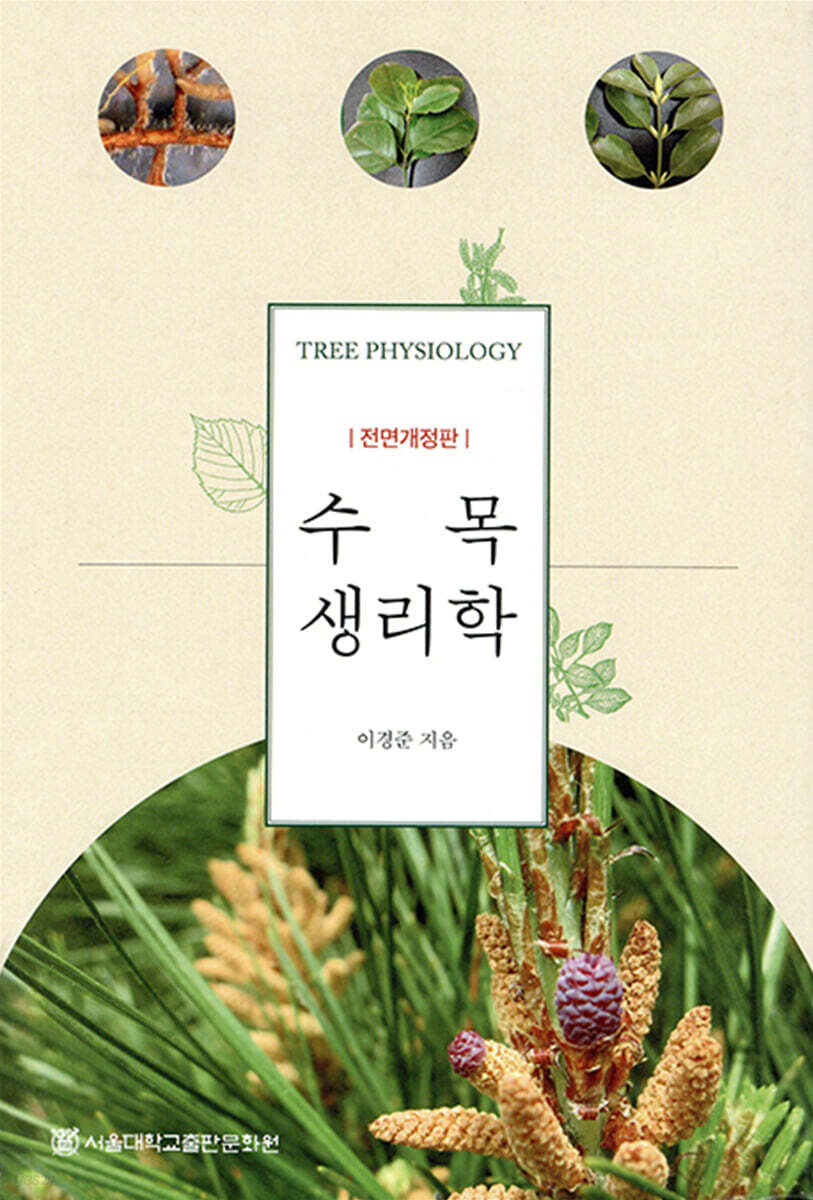
Tree physiology
 |
Description
Book Introduction
Explains all the processes involved in the growth of trees
Textbook in the field of tree physiology
This is a completely revised edition of the existing 『Tree Physiology』, supplemented with recent research data and newly edited.
To grow trees efficiently and healthily, you must first understand how trees grow.
This book explains what metabolism is involved in the process of tree growth, and describes the structure and growth characteristics of trees growing alone or in forests, photosynthesis, respiration, carbohydrate, protein, and lipid metabolism, water physiology and transpiration, sap elevation, mineral salt absorption, inorganic nutrition, sexual reproduction and flowering, seed physiology, plant hormones, afforestation and non-vegetative physiology, the response and adaptation of trees to environmental changes, and various stress physiologies.
Textbook in the field of tree physiology
This is a completely revised edition of the existing 『Tree Physiology』, supplemented with recent research data and newly edited.
To grow trees efficiently and healthily, you must first understand how trees grow.
This book explains what metabolism is involved in the process of tree growth, and describes the structure and growth characteristics of trees growing alone or in forests, photosynthesis, respiration, carbohydrate, protein, and lipid metabolism, water physiology and transpiration, sap elevation, mineral salt absorption, inorganic nutrition, sexual reproduction and flowering, seed physiology, plant hormones, afforestation and non-vegetative physiology, the response and adaptation of trees to environmental changes, and various stress physiologies.
- You can preview some of the book's contents.
Preview
index
preface
Chapter 1 Introduction
1.
Definition of tree
2.
Commonalities of Living Things
3.
Differences between animals and plants
4.
Characteristics of trees
5.
Tree Physiology: Meaning and Applications
6.
Terminology for tree classification
Chapter 2: Structure of Trees
1.
Relationship between structure and function
2.
Basic structure of trees: cells, tissues, and organs
3.
leaf
4.
Stem: trunk
5.
root
6.
flower
7.
The stromal cell: the center of vigorous metabolism
Chapter 3: Tree Growth
1.
Growth (height)
2.
Diameter growth
3.
root growth
4.
Growth measurement and growth analysis
5.
Lifespan of fallen leaves and leaves
Chapter 4 Sunlight and Photosynthesis
1.
Physiological effects of sunlight
2.
Gwangju
3.
Phototropism
4.
Gulgiseong
5.
photoreceptors
6.
photosynthesis
7.
Factors affecting photosynthesis
Chapter 5 Breathing
1.
The role of energy
2.
Respiration and energy production
3.
Mechanism of Respiration
4.
The breath of trees
Chapter 6 Carbohydrate Metabolism
1.
Function of carbohydrates
2.
Types of carbohydrates
3.
Synthesis and conversion of carbohydrates
4.
Accumulation and distribution of carbohydrates
5.
Use of carbohydrates
6.
Seasonal changes in carbohydrates
7.
Carbohydrates and autumn leaves
8.
Carbohydrate transport
Chapter 7 Protein and Nitrogen Metabolism
1.
Major nitrogen compounds and their functions
2.
Nitrogen metabolism in trees
3.
Distribution of nitrogen in the body
4.
Seasonal changes in nitrogen
5.
Nitrogen movement before leaf fall
6.
nitrogen fixation
7.
Nitrogen cycle in forests
Chapter 8 Lipid Metabolism
1.
Types and functions of lipids
2.
fatty acids and fatty acid derivatives
3.
isoprenoid compounds
4.
phenolic compounds
5.
Distribution and changes of lipids within trees
6.
Fat breakdown and conversion
Chapter 9 Forest Soils and Mineral Nutrition
1.
Characteristics of forest soil
2.
The role of inorganic nutrients
3.
Essential elements
4.
Functions and deficiencies of essential elements
5.
Changes in the availability of mineral nutrients according to soil acidity
6.
Distribution and changes of inorganic nutrients in trees
7.
Mineral nutrient requirements by tree species
8.
Diagnosis of nutritional status
9.
Foliar fertilization and trunk injection
Chapter 10: Water Physiology and Transpiration
1.
Properties of water
2.
Functions of water
3.
moisture potential
4.
moisture absorption
5.
transpiration
6.
Dehydration and water stress
7.
Dryness
Chapter 11 Absorption of mineral salts and fluid increase
1.
Root development
2.
Absorption mechanism of mineral salts
3.
Mycorrhiza
4.
Mineral transport and transpiration after passing through the endothelium
5.
Sap rise
Chapter 12: Sexual Reproduction and Flowering Physiology
1.
Yushiness and maturity
2.
Relationship between reproductive growth and vegetative growth
3.
sexual reproduction
4.
flowering physiology
Chapter 13: Seed Physiology
1.
Seed structure
2.
seed dormancy
3.
Seed germination
4.
Seed life and storage
5.
Seed testing
Chapter 14 Plant Hormones
1.
definition
2.
role
3.
action
4.
type
5.
Axin
6.
Gibberellin
7.
cytokinin
8.
Absis acid
9.
ethylene
10.
Other plant hormones
11.
Internal growth regulation
Chapter 15: Braised and Meatless Physiology
1.
competition
2.
Thinning
3.
Sibi
4.
pruning
5.
wild octopus
6.
Single root
7.
transplantation
Chapter 16: Stress Physiology
1.
The meaning and causes of stress
2.
heat stress
3.
cold stress
4.
wind stress
5.
Air pollution stress
6.
salt stress
7.
biotic stress
8.
Forest decline
9.
moisture stress
10.
Soil and planting
11.
Climate change and global warming
12.
Aging and lifespan of trees
Citations and References
Search
Chapter 1 Introduction
1.
Definition of tree
2.
Commonalities of Living Things
3.
Differences between animals and plants
4.
Characteristics of trees
5.
Tree Physiology: Meaning and Applications
6.
Terminology for tree classification
Chapter 2: Structure of Trees
1.
Relationship between structure and function
2.
Basic structure of trees: cells, tissues, and organs
3.
leaf
4.
Stem: trunk
5.
root
6.
flower
7.
The stromal cell: the center of vigorous metabolism
Chapter 3: Tree Growth
1.
Growth (height)
2.
Diameter growth
3.
root growth
4.
Growth measurement and growth analysis
5.
Lifespan of fallen leaves and leaves
Chapter 4 Sunlight and Photosynthesis
1.
Physiological effects of sunlight
2.
Gwangju
3.
Phototropism
4.
Gulgiseong
5.
photoreceptors
6.
photosynthesis
7.
Factors affecting photosynthesis
Chapter 5 Breathing
1.
The role of energy
2.
Respiration and energy production
3.
Mechanism of Respiration
4.
The breath of trees
Chapter 6 Carbohydrate Metabolism
1.
Function of carbohydrates
2.
Types of carbohydrates
3.
Synthesis and conversion of carbohydrates
4.
Accumulation and distribution of carbohydrates
5.
Use of carbohydrates
6.
Seasonal changes in carbohydrates
7.
Carbohydrates and autumn leaves
8.
Carbohydrate transport
Chapter 7 Protein and Nitrogen Metabolism
1.
Major nitrogen compounds and their functions
2.
Nitrogen metabolism in trees
3.
Distribution of nitrogen in the body
4.
Seasonal changes in nitrogen
5.
Nitrogen movement before leaf fall
6.
nitrogen fixation
7.
Nitrogen cycle in forests
Chapter 8 Lipid Metabolism
1.
Types and functions of lipids
2.
fatty acids and fatty acid derivatives
3.
isoprenoid compounds
4.
phenolic compounds
5.
Distribution and changes of lipids within trees
6.
Fat breakdown and conversion
Chapter 9 Forest Soils and Mineral Nutrition
1.
Characteristics of forest soil
2.
The role of inorganic nutrients
3.
Essential elements
4.
Functions and deficiencies of essential elements
5.
Changes in the availability of mineral nutrients according to soil acidity
6.
Distribution and changes of inorganic nutrients in trees
7.
Mineral nutrient requirements by tree species
8.
Diagnosis of nutritional status
9.
Foliar fertilization and trunk injection
Chapter 10: Water Physiology and Transpiration
1.
Properties of water
2.
Functions of water
3.
moisture potential
4.
moisture absorption
5.
transpiration
6.
Dehydration and water stress
7.
Dryness
Chapter 11 Absorption of mineral salts and fluid increase
1.
Root development
2.
Absorption mechanism of mineral salts
3.
Mycorrhiza
4.
Mineral transport and transpiration after passing through the endothelium
5.
Sap rise
Chapter 12: Sexual Reproduction and Flowering Physiology
1.
Yushiness and maturity
2.
Relationship between reproductive growth and vegetative growth
3.
sexual reproduction
4.
flowering physiology
Chapter 13: Seed Physiology
1.
Seed structure
2.
seed dormancy
3.
Seed germination
4.
Seed life and storage
5.
Seed testing
Chapter 14 Plant Hormones
1.
definition
2.
role
3.
action
4.
type
5.
Axin
6.
Gibberellin
7.
cytokinin
8.
Absis acid
9.
ethylene
10.
Other plant hormones
11.
Internal growth regulation
Chapter 15: Braised and Meatless Physiology
1.
competition
2.
Thinning
3.
Sibi
4.
pruning
5.
wild octopus
6.
Single root
7.
transplantation
Chapter 16: Stress Physiology
1.
The meaning and causes of stress
2.
heat stress
3.
cold stress
4.
wind stress
5.
Air pollution stress
6.
salt stress
7.
biotic stress
8.
Forest decline
9.
moisture stress
10.
Soil and planting
11.
Climate change and global warming
12.
Aging and lifespan of trees
Citations and References
Search
Into the book
Trees are living trees, and when they form a forest, they are called forest trees.
Traditional plant taxonomists classify plants according to phylogeny based on morphological characteristics, but for convenience, if seed plants are broadly divided into herbaceous plants and woody plants, trees are classified as woody plants.
--- p.17
Cells come together to form tissues, and tissues are groups of similar cells that perform unique functions.
The epidermis is a collection of cells that make up the outermost surface of a young tree, and the cork tissue later replaces the epidermis and serves to protect the surface.
The xylem is responsible for the movement of water, the phloem is responsible for the movement of carbohydrates, and other secretory tissues secrete resin, etc.
--- p.31
Geotropism (or positive gravitropism) refers to the growth of plants in the direction of gravity, and mainly explains the principle of roots growing into the soil.
When you sow pine seeds, the first radicle to emerge grows into the ground, away from sunlight, and becomes the main root.
--- p.108
If any one of the 17 essential elements is lacking, the plant will show deficiency symptoms.
However, trace element deficiencies are not commonly observed in forests, except for iron (Fe).
Common visible signs of essential nutrient deficiencies include stunted growth, chlorosis, chlorosis, small spots, irregular blotches, twisting, tissue necrosis, and premature leaf fall.
--- p.255
When leaves are large, they receive sunlight and their temperature rises, so they do not cool down easily, which increases transpiration.
Therefore, a compound leaf with multiple leaflets is more helpful in reducing transpiration than a large simple leaf.
--- p.300
When air pollution is very mild, it may not cause any damage to trees or may even promote their growth.
However, if the level of pollution increases chronically, it directly reduces the growth of trees by interfering with photosynthesis and absorption of inorganic nutrients, or it damages the health of trees, causing secondary pest and disease infections.
More severe or acute air pollution can kill trees.
Traditional plant taxonomists classify plants according to phylogeny based on morphological characteristics, but for convenience, if seed plants are broadly divided into herbaceous plants and woody plants, trees are classified as woody plants.
--- p.17
Cells come together to form tissues, and tissues are groups of similar cells that perform unique functions.
The epidermis is a collection of cells that make up the outermost surface of a young tree, and the cork tissue later replaces the epidermis and serves to protect the surface.
The xylem is responsible for the movement of water, the phloem is responsible for the movement of carbohydrates, and other secretory tissues secrete resin, etc.
--- p.31
Geotropism (or positive gravitropism) refers to the growth of plants in the direction of gravity, and mainly explains the principle of roots growing into the soil.
When you sow pine seeds, the first radicle to emerge grows into the ground, away from sunlight, and becomes the main root.
--- p.108
If any one of the 17 essential elements is lacking, the plant will show deficiency symptoms.
However, trace element deficiencies are not commonly observed in forests, except for iron (Fe).
Common visible signs of essential nutrient deficiencies include stunted growth, chlorosis, chlorosis, small spots, irregular blotches, twisting, tissue necrosis, and premature leaf fall.
--- p.255
When leaves are large, they receive sunlight and their temperature rises, so they do not cool down easily, which increases transpiration.
Therefore, a compound leaf with multiple leaflets is more helpful in reducing transpiration than a large simple leaf.
--- p.300
When air pollution is very mild, it may not cause any damage to trees or may even promote their growth.
However, if the level of pollution increases chronically, it directly reduces the growth of trees by interfering with photosynthesis and absorption of inorganic nutrients, or it damages the health of trees, causing secondary pest and disease infections.
More severe or acute air pollution can kill trees.
--- p.491
GOODS SPECIFICS
- Publication date: August 30, 2021
- Format: Hardcover book binding method guide
- Page count, weight, size: 560 pages | 153*224*35mm
- ISBN13: 9788952129611
- ISBN10: 895212961X
You may also like
카테고리
korean


korean

![ELLE 엘르 스페셜 에디션 A형 : 12월 [2025]](http://librairie.coreenne.fr/cdn/shop/files/b8e27a3de6c9538896439686c6b0e8fb.jpg?v=1766436872&width=3840)


