

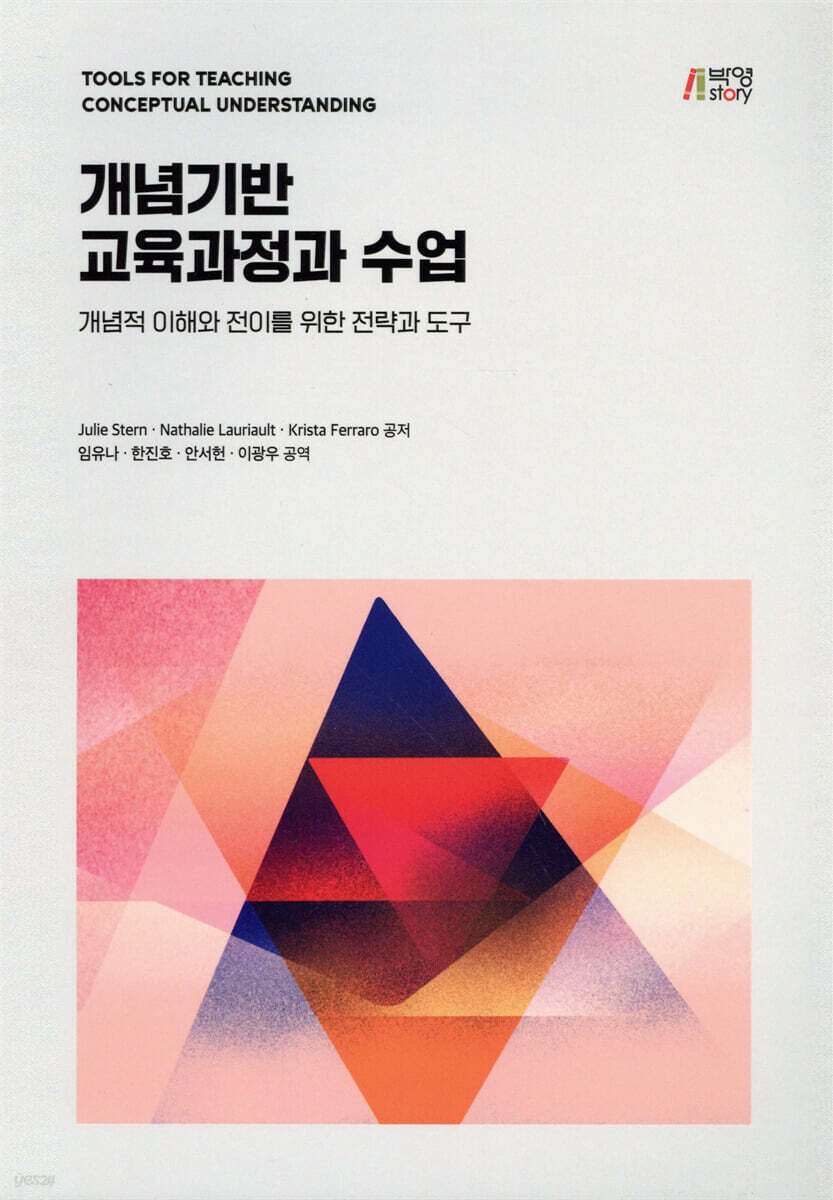
Concept-based curriculum and classes
 |
Description
Book Introduction
Concept-based Curriculum and Instruction is by H.
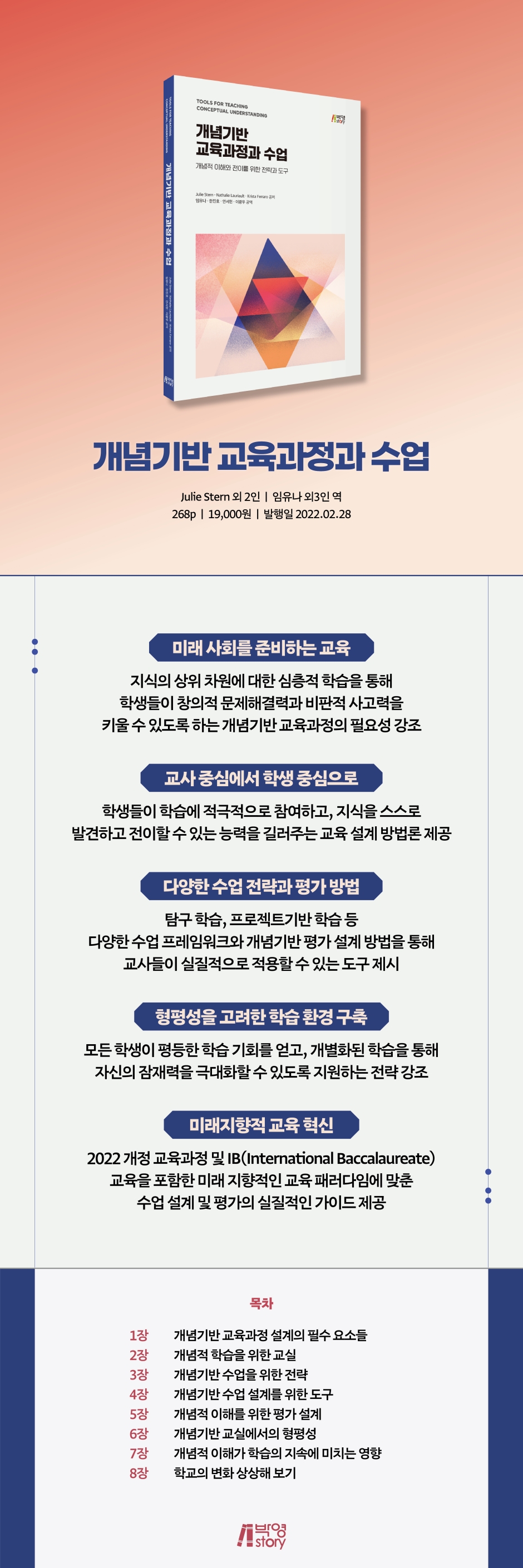
Based on the research of Lynn Erickson and Lois Lanning, it expertly guides readers through the entire process of planning and assessing effective concept-based lessons for all subject areas.
The authors provide teachers with detailed tools and powerful resources to implement curricula that enable students to move beyond mere knowledge acquisition to the development of new and diverse ways to use that knowledge.
This book offers a comprehensive guide for both beginning and experienced teachers, demonstrating how to use question stems, minilessons, scaffolding techniques, and feedback to help students develop deep, conceptual understanding throughout the curriculum.
Based on the research of Lynn Erickson and Lois Lanning, it expertly guides readers through the entire process of planning and assessing effective concept-based lessons for all subject areas.
The authors provide teachers with detailed tools and powerful resources to implement curricula that enable students to move beyond mere knowledge acquisition to the development of new and diverse ways to use that knowledge.
This book offers a comprehensive guide for both beginning and experienced teachers, demonstrating how to use question stems, minilessons, scaffolding techniques, and feedback to help students develop deep, conceptual understanding throughout the curriculum.
index
Acknowledgements / i
Letter of Recommendation / ii
Preface / iv
Translator's Preface / viii
Entering / xv
Chapter 1: Essential Elements of Concept-Based Curriculum Design/3
1.
Knowledge and Understanding 4
2.
Structure of Knowledge 7
3.
Process Structure 11
4.
Synergistic Thinking 13
5.
Unit Design 16
6.
Challenge 24 in Unit Design
7.
Clear Transfer: The Ultimate Goal of Concept-Based Curriculum 29
Chapter 2: Classrooms for Conceptual Learning/39
1.
Respecting Children with Intellectual Rigor 39
2.
Laying the Foundation for a Thinking Classroom 45
3.
Teaching Conceptual Learning Clearly 53
4.
The Power of Repeated Learning 63
Chapter 3: Strategies for Concept-Based Instruction/75
1.
Starting with the Student's Preconceptions 75
2.
Introducing a New Concept 82
3.
Two words that describe concept-based education: discovery and transfer 88
4.
Discovery: Conceptual Exploration Cycle 91
5.
Transition as a Means and an End 96
6.
100 examples of academic records
7.
Balancing conceptual thinking, skill practice, memorization, and review 102
Chapter 4: Tools for Concept-Based Instructional Design/109
1.
Class Framework #1.
Inquiry Learning 110
2.
Class Framework #2.
Hypothesis Generation and Testing 113
3.
Class Framework #3.
Workshop Model 118 for Complex Processes
4.
Class Framework #4.
Project-Based Learning 123
5.
Class Framework #5.
Student-tailored learning 131
Chapter 5: Designing Assessments for Conceptual Understanding/141
1.
Four Assessment Principles of the Concept-Based Classroom 142
2.
Summative Assessment Assignment Design 144
3.
Formative Assessment Task Design 153
4.
The Power of Effective Feedback 157
5.
Student Self-Assessment and Goal Setting 160
6.
Tools for Visualizing Your Goals 162
7.
How to Track Your Students' Position on Their Learning Journey 164
8.
Observation, Conversation, and Demonstration in Preschool 165
Chapter 6: Equity in the Concept-Based Classroom/171
1.
The Importance of Teacher Expectations and Relationships 174
2.
Clarity of Objectives, Lessons, Activities, and Assessments 178
3.
Data Collection and Analysis 181
4.
Implementing and Managing a Student-Tailored Classroom 183
5.
Tips for an Inclusive Classroom 187
6.
Teacher Reflection for an Equal Classroom 188
Chapter 7: The Impact of Conceptual Understanding on Continuing Learning/193
1.
Factors that weaken curiosity and the spirit of challenge 193
2.
Using Conceptual Understanding to Develop Social and Emotional Intelligence 196
3.
Fostering Independence and Intrinsic Motivation 201
4.
Nurturing Student Passion 206
5.
Strategies for Cultivating Self-Awareness and Initiatives 210
Chapter 8: Imagining School Change/219
References / 225
Index / 232
Letter of Recommendation / ii
Preface / iv
Translator's Preface / viii
Entering / xv
Chapter 1: Essential Elements of Concept-Based Curriculum Design/3
1.
Knowledge and Understanding 4
2.
Structure of Knowledge 7
3.
Process Structure 11
4.
Synergistic Thinking 13
5.
Unit Design 16
6.
Challenge 24 in Unit Design
7.
Clear Transfer: The Ultimate Goal of Concept-Based Curriculum 29
Chapter 2: Classrooms for Conceptual Learning/39
1.
Respecting Children with Intellectual Rigor 39
2.
Laying the Foundation for a Thinking Classroom 45
3.
Teaching Conceptual Learning Clearly 53
4.
The Power of Repeated Learning 63
Chapter 3: Strategies for Concept-Based Instruction/75
1.
Starting with the Student's Preconceptions 75
2.
Introducing a New Concept 82
3.
Two words that describe concept-based education: discovery and transfer 88
4.
Discovery: Conceptual Exploration Cycle 91
5.
Transition as a Means and an End 96
6.
100 examples of academic records
7.
Balancing conceptual thinking, skill practice, memorization, and review 102
Chapter 4: Tools for Concept-Based Instructional Design/109
1.
Class Framework #1.
Inquiry Learning 110
2.
Class Framework #2.
Hypothesis Generation and Testing 113
3.
Class Framework #3.
Workshop Model 118 for Complex Processes
4.
Class Framework #4.
Project-Based Learning 123
5.
Class Framework #5.
Student-tailored learning 131
Chapter 5: Designing Assessments for Conceptual Understanding/141
1.
Four Assessment Principles of the Concept-Based Classroom 142
2.
Summative Assessment Assignment Design 144
3.
Formative Assessment Task Design 153
4.
The Power of Effective Feedback 157
5.
Student Self-Assessment and Goal Setting 160
6.
Tools for Visualizing Your Goals 162
7.
How to Track Your Students' Position on Their Learning Journey 164
8.
Observation, Conversation, and Demonstration in Preschool 165
Chapter 6: Equity in the Concept-Based Classroom/171
1.
The Importance of Teacher Expectations and Relationships 174
2.
Clarity of Objectives, Lessons, Activities, and Assessments 178
3.
Data Collection and Analysis 181
4.
Implementing and Managing a Student-Tailored Classroom 183
5.
Tips for an Inclusive Classroom 187
6.
Teacher Reflection for an Equal Classroom 188
Chapter 7: The Impact of Conceptual Understanding on Continuing Learning/193
1.
Factors that weaken curiosity and the spirit of challenge 193
2.
Using Conceptual Understanding to Develop Social and Emotional Intelligence 196
3.
Fostering Independence and Intrinsic Motivation 201
4.
Nurturing Student Passion 206
5.
Strategies for Cultivating Self-Awareness and Initiatives 210
Chapter 8: Imagining School Change/219
References / 225
Index / 232
Detailed image
Publisher's Review
When I started working as an elementary school teacher, I didn't understand the importance of conceptual understanding as a learning goal or teaching tool.
I tend to teach my students the way I was taught in school, beginning each unit with a definition of key terms or vocabulary, and then providing a thorough explanation of everything I thought students needed to know.
Additionally, we summarized the key principles in class notes and administered multiple-choice tests to conclude the units.
I tried to inject interesting stories and surprising facts directly into my lessons, and I usually ended each unit with an exciting activity or demonstration to reinforce what I had already 'taught' the students.
Just when I started to feel the class was starting to come alive, I had to move on to the next topic.
Fortunately, my teaching methods have evolved to become much more learner-centered, and the catalyst that truly transformed my teaching was Paul Hewitt's high school science book, "Conceptual Physics" (1977).
Instead of typical advanced math and complex scientific principles, Hewitt begins each topic with common language and everyday concepts.
He first demonstrates the conceptual application and then explains how students can use prior knowledge to develop the underlying math and science principles they need to make sense of the material.
As I read this book, I realized that I was doing a lot of the right things, but in completely the wrong order, and that I was doing too much "teaching."
As Julie Stern, Nathalie Lauriault, and Krista Ferraro have written, I've found that when students first address a compelling central concept, they're more likely to understand the supporting ideas in a deeper way.
This premise changed my entire approach to teaching.
My classes have shifted from teachers telling students everything they need to know to guiding them to figure it out on their own.
I started each unit with a thought-provoking activity or scenario, and then allowed students to break or wander the connections they had made.
I focused more on the genuine ideas students brought to the table and learned how to develop strong inquiry-based assignments that allowed students to formulate their own conclusions.
Since then, I have come to recognize the value of concept-based education for students of all levels and across all academic disciplines.
Concept-based learning is one of the best tools we have to help students apply what they've learned to the real world.
As I work with educators around the world, I've found that they generally agree on the premise that concept-based curricula speak to the brain's natural way of making connections and forming patterns.
They also like the idea of decontextualizing learning so that students can study across all subject areas and apply it to real-life situations.
However, teachers often face obstacles when planning and implementing concept-based units, especially with younger students.
This book is by H.
Based on the research of Lynn Erickson and Lois Lanning, it expertly guides readers through the entire process of planning and assessing effective concept-based lessons for all subject areas.
The authors provide teachers with detailed tools and powerful resources to implement curricula that enable students to move beyond mere knowledge acquisition to the development of new and diverse ways to use that knowledge.
This book offers a comprehensive guide for both beginning and experienced teachers, demonstrating how to use question stems, minilessons, scaffolding techniques, and feedback to help students develop deep, conceptual understanding throughout the curriculum.
I wish this book had been available when I was teaching elementary school, but I highly recommend it to teachers who feel the same way I do now.
The content of this book is also faithful to the original book's subtitle, 'Harnessing Natural Curiosity for Learning That Transfers.'
Throughout the book, the authors respect the developmental stages of childhood, constantly reminding teachers of the importance of fostering intellectual rigor while tapping into the wonder of young learners.
In Chapter 7 they are John A.
Taylor's Notes on the Unhurried Journey (1993, p.
45)? The following is quoted:
“There is a simple fact that adults overlook when thinking about children.
Childhood is not preparation for life.
“Childhood is life itself.”
introduction
The authors' respect for young learners is evident throughout their research.
Stern, Lauriault, and Ferraro offer tips for promoting equity, personalizing student instruction, supporting social-emotional learning, fostering student agency, and fostering learner passion.
This book invites teachers to explore proven strategies from experienced educators that emphasize the nature of young learners, moving from superficial learning to deeper understanding, and transferring learning to other contexts.
It also challenges teachers to treat learning as an active and dynamic endeavor that works best when they become fully collaborative innovators and engage with their students.
Their perspective reflects the rest of John Taylor's quote.
The child is not prepared to live.
The child lives in the present.
If adults who have been convinced that childhood is a period of preparation would accept this, no child would miss out on the passion and joy of life.
How much heartache could we alleviate if we viewed children as companions who accompany adults in life rather than as trainees?
How much we can teach each other… Adults have experience, children have new things.
How fulfilling our lives can be…
In fact, “Tools for Teaching Conceptual Understanding” reminds teachers, administrators, and educational leaders of what schools can and should be.
This book is a must-read for anyone who wants to help students and teachers learn and grow.
-Debbie Silver, EdD
I tend to teach my students the way I was taught in school, beginning each unit with a definition of key terms or vocabulary, and then providing a thorough explanation of everything I thought students needed to know.
Additionally, we summarized the key principles in class notes and administered multiple-choice tests to conclude the units.
I tried to inject interesting stories and surprising facts directly into my lessons, and I usually ended each unit with an exciting activity or demonstration to reinforce what I had already 'taught' the students.
Just when I started to feel the class was starting to come alive, I had to move on to the next topic.
Fortunately, my teaching methods have evolved to become much more learner-centered, and the catalyst that truly transformed my teaching was Paul Hewitt's high school science book, "Conceptual Physics" (1977).
Instead of typical advanced math and complex scientific principles, Hewitt begins each topic with common language and everyday concepts.
He first demonstrates the conceptual application and then explains how students can use prior knowledge to develop the underlying math and science principles they need to make sense of the material.
As I read this book, I realized that I was doing a lot of the right things, but in completely the wrong order, and that I was doing too much "teaching."
As Julie Stern, Nathalie Lauriault, and Krista Ferraro have written, I've found that when students first address a compelling central concept, they're more likely to understand the supporting ideas in a deeper way.
This premise changed my entire approach to teaching.
My classes have shifted from teachers telling students everything they need to know to guiding them to figure it out on their own.
I started each unit with a thought-provoking activity or scenario, and then allowed students to break or wander the connections they had made.
I focused more on the genuine ideas students brought to the table and learned how to develop strong inquiry-based assignments that allowed students to formulate their own conclusions.
Since then, I have come to recognize the value of concept-based education for students of all levels and across all academic disciplines.
Concept-based learning is one of the best tools we have to help students apply what they've learned to the real world.
As I work with educators around the world, I've found that they generally agree on the premise that concept-based curricula speak to the brain's natural way of making connections and forming patterns.
They also like the idea of decontextualizing learning so that students can study across all subject areas and apply it to real-life situations.
However, teachers often face obstacles when planning and implementing concept-based units, especially with younger students.
This book is by H.
Based on the research of Lynn Erickson and Lois Lanning, it expertly guides readers through the entire process of planning and assessing effective concept-based lessons for all subject areas.
The authors provide teachers with detailed tools and powerful resources to implement curricula that enable students to move beyond mere knowledge acquisition to the development of new and diverse ways to use that knowledge.
This book offers a comprehensive guide for both beginning and experienced teachers, demonstrating how to use question stems, minilessons, scaffolding techniques, and feedback to help students develop deep, conceptual understanding throughout the curriculum.
I wish this book had been available when I was teaching elementary school, but I highly recommend it to teachers who feel the same way I do now.
The content of this book is also faithful to the original book's subtitle, 'Harnessing Natural Curiosity for Learning That Transfers.'
Throughout the book, the authors respect the developmental stages of childhood, constantly reminding teachers of the importance of fostering intellectual rigor while tapping into the wonder of young learners.
In Chapter 7 they are John A.
Taylor's Notes on the Unhurried Journey (1993, p.
45)? The following is quoted:
“There is a simple fact that adults overlook when thinking about children.
Childhood is not preparation for life.
“Childhood is life itself.”
introduction
The authors' respect for young learners is evident throughout their research.
Stern, Lauriault, and Ferraro offer tips for promoting equity, personalizing student instruction, supporting social-emotional learning, fostering student agency, and fostering learner passion.
This book invites teachers to explore proven strategies from experienced educators that emphasize the nature of young learners, moving from superficial learning to deeper understanding, and transferring learning to other contexts.
It also challenges teachers to treat learning as an active and dynamic endeavor that works best when they become fully collaborative innovators and engage with their students.
Their perspective reflects the rest of John Taylor's quote.
The child is not prepared to live.
The child lives in the present.
If adults who have been convinced that childhood is a period of preparation would accept this, no child would miss out on the passion and joy of life.
How much heartache could we alleviate if we viewed children as companions who accompany adults in life rather than as trainees?
How much we can teach each other… Adults have experience, children have new things.
How fulfilling our lives can be…
In fact, “Tools for Teaching Conceptual Understanding” reminds teachers, administrators, and educational leaders of what schools can and should be.
This book is a must-read for anyone who wants to help students and teachers learn and grow.
-Debbie Silver, EdD
GOODS SPECIFICS
- Publication date: February 28, 2022
- Page count, weight, size: 268 pages | 176*248*20mm
- ISBN13: 9791165192372
- ISBN10: 1165192373
You may also like
카테고리
korean


korean

![GQ KOREA Mark (Monthly): December [2025]](http://librairie.coreenne.fr/cdn/shop/files/8ef265dbbfbf186523ed75ba7319009d.jpg?v=1765340328&width=3840)


