

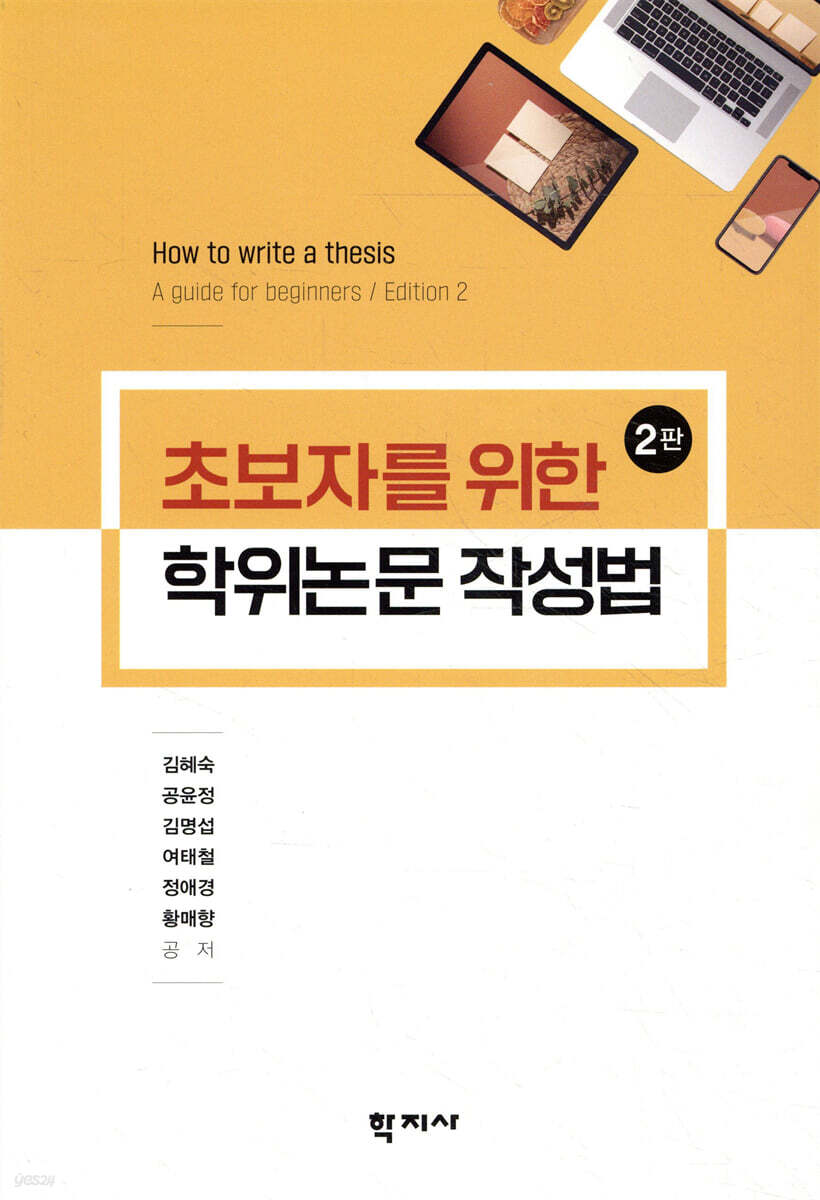
How to Write a Dissertation for Beginners
 |
Description
Book Introduction
『Thesis Writing for Beginners』 is a book for researchers who are new to writing a thesis.
To write a book appropriate for the level of beginning researchers, we began by collecting questions that graduate students had about their dissertations.
I organized those questions into similar categories, added points that the authors have repeatedly tried to remind thesis writers, and then reorganized them in relation to the overall framework of the thesis and presented the important points for each category.
To write a book appropriate for the level of beginning researchers, we began by collecting questions that graduate students had about their dissertations.
I organized those questions into similar categories, added points that the authors have repeatedly tried to remind thesis writers, and then reorganized them in relation to the overall framework of the thesis and presented the important points for each category.
index
Preface to the 2nd edition
Preface to the First Edition
Chapter 1: The Complete Process from Beginning to End of a Thesis
1.
Beginning of thesis writing
2.
Preparation and presentation of thesis proposal
1) When should I start preparing my thesis proposal?
2) Why write a thesis proposal?
3) What should be included in a thesis proposal?
4) How should I present my thesis proposal?
5) Can I start research right after the thesis proposal presentation is complete?
3.
Writing and finalizing the thesis review copy
1) How is the paper reviewed?
2) What will be included in the thesis review copy?
3) What is the process for revising the review manuscript?
4.
The role of the advisor and the attitude of the researcher
1) “Will the advisor decide on the title of the thesis?”
2) How much help should I expect from my advisor?
Chapter 2: Starting the Paper
1.
Choosing a research topic
1) Exploratory process to determine research topic
2) Appropriate scope of research in a master's thesis
2.
Exploring previous research in the process of determining a research topic
1) The need to explore prior research
2) Exploration method of previous research
3) Summarizing the results of previous research
4) Determine the topic by differentiating it from previous research.
3.
Research model by research purpose
1) Research
2) Correlational studies
3) Experimental research
4.
Quantitative and qualitative research
1) Quantitative research
2) Qualitative research
3) Integration of quantitative and qualitative research
5.
Foundations of Research Ethics
1) Researcher's responsibility
2) Protection of research participant rights and prohibition of harm
3) Reporting of research results
Chapter 3: Writing an Introduction
1.
Writing the title of the paper
1) Briefly and clearly state what the research is about.
2) The title of the paper should indicate ‘what’ was studied.
3) Write a title when the number of variables is small
4) Write a title when there are many variables
5) Consider the possibility of using subtitles
6) Write a title if research participants are important
7) Be careful when using terms with causal meaning.
2.
Writing Basics
1) Write in a friendly and easy-to-read manner for readers.
2) The subject and predicate must match.
3) Sentences should be concise, and a paragraph should not consist of just one sentence.
3.
Writing the need and purpose of the research
1) The main purpose of the research is to convince the public why this research is necessary.
2) Highly valid evidence must be presented to support the argument asserting the need for research.
3) Start broadly with a statement about the area your research topic belongs to, then narrow your focus to the topic you want to research.
4) In the research necessity section, do not provide a detailed introduction to existing research, but limit it to only a few that are most representative or are deemed essential for developing the argument.
5) Point out any inconsistencies or shortcomings in existing research, logically explain what additional advanced research is needed, and highlight the need for research.
6) State the purpose of the study and indicate how it differs from previous studies and what contributions it can make.
4.
Writing a research question
1) The research problem should be stated clearly and concisely.
2) If research questions are related to each other, use numbers to distinguish them.
3) The research question must be logically derived from the research necessity and purpose presented in the beginning of the introduction.
5.
Writing a definition of terms
1) Present conceptual definitions of all variables included in the research question.
2) Indicate the theory/model on which the variables included in the research question are based.
3) For all variables for which a conceptual definition is provided in the introduction section, an operational definition must be provided in the introduction or research methods section.
Chapter 4 Theoretical Background
1.
How to Prepare: Exploring Prior Research
2.
What to Write: Focus on the Topic
1) Present information closely related to the research hypothesis.
2) Modeling good papers
3.
How to Present: Structuring Prior Research
1) Create a table of contents
2) Place prior research in each section.
4.
How to Express It: Reconstructing It in Researcher's Words
1) Do not list prior studies.
2) Add words that connect paragraphs
3) Follow citation rules
Chapter 5 Research Methods I: Quantitative Research
1.
Research subjects
1) Sample size
2) Reasons for selecting research subjects
3) Description of the research subject
2.
measuring tool
1) Selection of measuring tools
2) Description of measuring tools
3) Quality of the measuring tool
3.
Research procedures
1) Research procedures in experimental research
2) Research procedures in survey research
4.
Analysis method
1) Description of analysis method
2) Perform data analysis using SPSS Win
3) Perform data analysis using Jamovi
Chapter 6 Research Methods II: Qualitative Research
1.
Characteristics of qualitative research
2.
Major qualitative research methodologies
1) Content analysis
2) Phenomenological research
3) Grounded theory research
4) Consensual qualitative research and modified consensual qualitative research
3.
Selecting Participants and Determining the Appropriate Number of Participants
4.
Research materials
5.
Qualitative analysis and evaluation
1) Research team/researchers
2) General qualitative research analysis procedures
3) Validity criteria for qualitative research
6.
Example of content analysis data analysis
1) Selecting the analysis target
2) Setting the analysis unit
3) Establishing and refining the analysis framework
4) Coding the data
5) Use strategies to increase reliability and validity.
Chapter 7 Results and Interpretation I: Quantitative Research
1.
Descriptive statistics results
1) Frequency analysis results
2) Descriptive statistical analysis
2.
Results of the mean difference comparison analysis
1) Independent sample T-test results
2) Results of one-way analysis of variance
3.
Correlation research results
1) Correlation analysis results
2) Multiple regression analysis results
Chapter 8 Results and Interpretation II: Qualitative Research
1.
Qualitative Research Writing and Style
2.
Structure of qualitative research results
1) Presentation of overall research results
2) Detailed presentation and citation of each research result
3.
Presentation of results according to research methodology
4.
Example of content analysis results presentation
Chapter 9 Discussion
1.
What's included in the discussion
1) A brief description of the research problem and research method.
2) Highlight and describe important research results.
3) Addressing the theoretical and practical implications of the research results.
4) Present research results by integrating them with the results of previous studies.
2.
Things to keep in mind when writing a discussion
1) Discuss based on the facts revealed in the research results.
2) Integrate and discuss the research results with those of previous studies.
3) Include in the discussion research results that do not support the hypothesis.
4) Avoid listing only research results without discussion.
3.
Writing limitations of the study and suggestions for future research
1) Limitations of the study
2) Suggestions for follow-up research
Chapter 10: How to Write References, Abstracts, and Appendices
1.
How to write a bibliography
2.
How to write an abstract
1) Write a Korean abstract
2) Write an English abstract
3.
How to write an appendix
References
Search
Preface to the First Edition
Chapter 1: The Complete Process from Beginning to End of a Thesis
1.
Beginning of thesis writing
2.
Preparation and presentation of thesis proposal
1) When should I start preparing my thesis proposal?
2) Why write a thesis proposal?
3) What should be included in a thesis proposal?
4) How should I present my thesis proposal?
5) Can I start research right after the thesis proposal presentation is complete?
3.
Writing and finalizing the thesis review copy
1) How is the paper reviewed?
2) What will be included in the thesis review copy?
3) What is the process for revising the review manuscript?
4.
The role of the advisor and the attitude of the researcher
1) “Will the advisor decide on the title of the thesis?”
2) How much help should I expect from my advisor?
Chapter 2: Starting the Paper
1.
Choosing a research topic
1) Exploratory process to determine research topic
2) Appropriate scope of research in a master's thesis
2.
Exploring previous research in the process of determining a research topic
1) The need to explore prior research
2) Exploration method of previous research
3) Summarizing the results of previous research
4) Determine the topic by differentiating it from previous research.
3.
Research model by research purpose
1) Research
2) Correlational studies
3) Experimental research
4.
Quantitative and qualitative research
1) Quantitative research
2) Qualitative research
3) Integration of quantitative and qualitative research
5.
Foundations of Research Ethics
1) Researcher's responsibility
2) Protection of research participant rights and prohibition of harm
3) Reporting of research results
Chapter 3: Writing an Introduction
1.
Writing the title of the paper
1) Briefly and clearly state what the research is about.
2) The title of the paper should indicate ‘what’ was studied.
3) Write a title when the number of variables is small
4) Write a title when there are many variables
5) Consider the possibility of using subtitles
6) Write a title if research participants are important
7) Be careful when using terms with causal meaning.
2.
Writing Basics
1) Write in a friendly and easy-to-read manner for readers.
2) The subject and predicate must match.
3) Sentences should be concise, and a paragraph should not consist of just one sentence.
3.
Writing the need and purpose of the research
1) The main purpose of the research is to convince the public why this research is necessary.
2) Highly valid evidence must be presented to support the argument asserting the need for research.
3) Start broadly with a statement about the area your research topic belongs to, then narrow your focus to the topic you want to research.
4) In the research necessity section, do not provide a detailed introduction to existing research, but limit it to only a few that are most representative or are deemed essential for developing the argument.
5) Point out any inconsistencies or shortcomings in existing research, logically explain what additional advanced research is needed, and highlight the need for research.
6) State the purpose of the study and indicate how it differs from previous studies and what contributions it can make.
4.
Writing a research question
1) The research problem should be stated clearly and concisely.
2) If research questions are related to each other, use numbers to distinguish them.
3) The research question must be logically derived from the research necessity and purpose presented in the beginning of the introduction.
5.
Writing a definition of terms
1) Present conceptual definitions of all variables included in the research question.
2) Indicate the theory/model on which the variables included in the research question are based.
3) For all variables for which a conceptual definition is provided in the introduction section, an operational definition must be provided in the introduction or research methods section.
Chapter 4 Theoretical Background
1.
How to Prepare: Exploring Prior Research
2.
What to Write: Focus on the Topic
1) Present information closely related to the research hypothesis.
2) Modeling good papers
3.
How to Present: Structuring Prior Research
1) Create a table of contents
2) Place prior research in each section.
4.
How to Express It: Reconstructing It in Researcher's Words
1) Do not list prior studies.
2) Add words that connect paragraphs
3) Follow citation rules
Chapter 5 Research Methods I: Quantitative Research
1.
Research subjects
1) Sample size
2) Reasons for selecting research subjects
3) Description of the research subject
2.
measuring tool
1) Selection of measuring tools
2) Description of measuring tools
3) Quality of the measuring tool
3.
Research procedures
1) Research procedures in experimental research
2) Research procedures in survey research
4.
Analysis method
1) Description of analysis method
2) Perform data analysis using SPSS Win
3) Perform data analysis using Jamovi
Chapter 6 Research Methods II: Qualitative Research
1.
Characteristics of qualitative research
2.
Major qualitative research methodologies
1) Content analysis
2) Phenomenological research
3) Grounded theory research
4) Consensual qualitative research and modified consensual qualitative research
3.
Selecting Participants and Determining the Appropriate Number of Participants
4.
Research materials
5.
Qualitative analysis and evaluation
1) Research team/researchers
2) General qualitative research analysis procedures
3) Validity criteria for qualitative research
6.
Example of content analysis data analysis
1) Selecting the analysis target
2) Setting the analysis unit
3) Establishing and refining the analysis framework
4) Coding the data
5) Use strategies to increase reliability and validity.
Chapter 7 Results and Interpretation I: Quantitative Research
1.
Descriptive statistics results
1) Frequency analysis results
2) Descriptive statistical analysis
2.
Results of the mean difference comparison analysis
1) Independent sample T-test results
2) Results of one-way analysis of variance
3.
Correlation research results
1) Correlation analysis results
2) Multiple regression analysis results
Chapter 8 Results and Interpretation II: Qualitative Research
1.
Qualitative Research Writing and Style
2.
Structure of qualitative research results
1) Presentation of overall research results
2) Detailed presentation and citation of each research result
3.
Presentation of results according to research methodology
4.
Example of content analysis results presentation
Chapter 9 Discussion
1.
What's included in the discussion
1) A brief description of the research problem and research method.
2) Highlight and describe important research results.
3) Addressing the theoretical and practical implications of the research results.
4) Present research results by integrating them with the results of previous studies.
2.
Things to keep in mind when writing a discussion
1) Discuss based on the facts revealed in the research results.
2) Integrate and discuss the research results with those of previous studies.
3) Include in the discussion research results that do not support the hypothesis.
4) Avoid listing only research results without discussion.
3.
Writing limitations of the study and suggestions for future research
1) Limitations of the study
2) Suggestions for follow-up research
Chapter 10: How to Write References, Abstracts, and Appendices
1.
How to write a bibliography
2.
How to write an abstract
1) Write a Korean abstract
2) Write an English abstract
3.
How to write an appendix
References
Search
GOODS SPECIFICS
- Date of issue: August 20, 2021
- Page count, weight, size: 240 pages | 370g | 153*225*12mm
- ISBN13: 9788999724657
- ISBN10: 8999724654
You may also like
카테고리
korean


korean

![ELLE 엘르 스페셜 에디션 A형 : 12월 [2025]](http://librairie.coreenne.fr/cdn/shop/files/b8e27a3de6c9538896439686c6b0e8fb.jpg?v=1766436872&width=3840)


