

There is no second Earth
 |
Description
Book Introduction
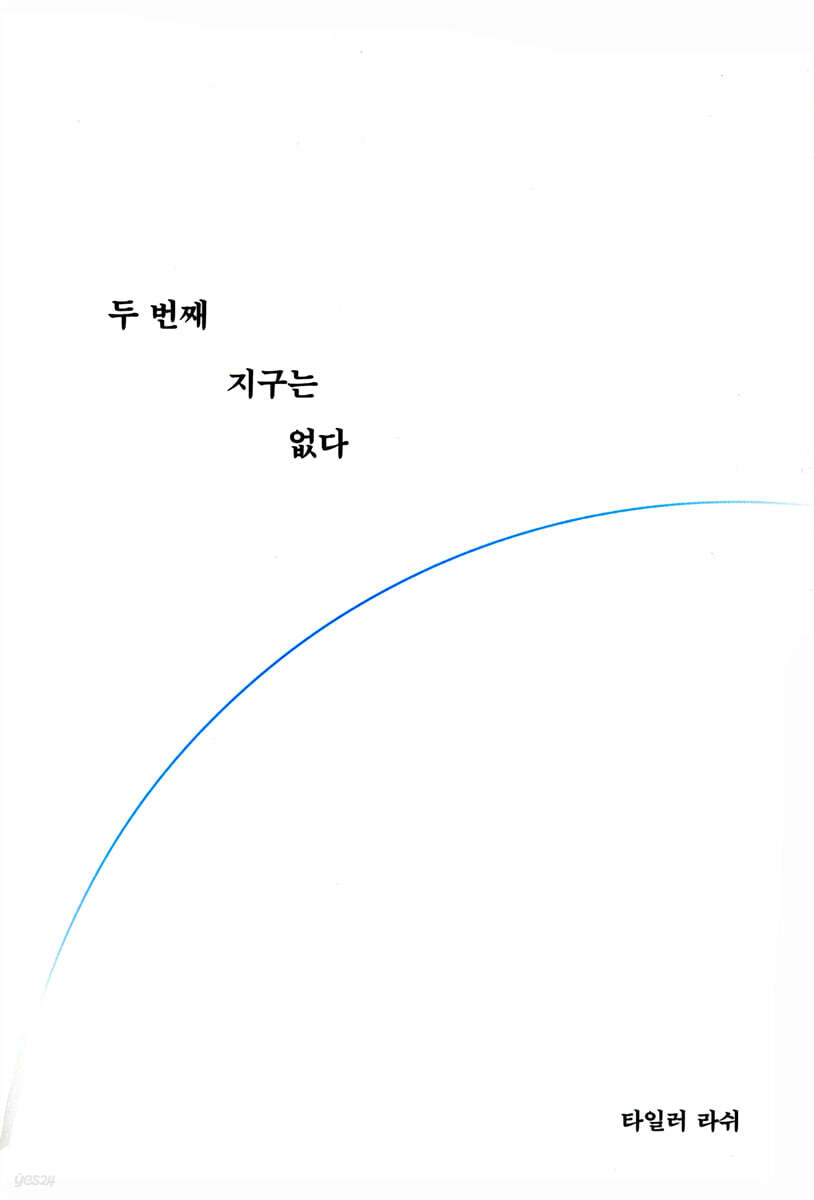
“No one can live well without talking about the environment.” Why 'Language Genius' Tyler Talks About the Climate Crisis "There Is No Second Earth" is the first solo book by Tyler Rush, known as the broadcasting industry's representative "linguistic genius" and "brain sexy man." Solving the climate crisis has been Tyler's long-held dream, and the environment has been a topic he has long cherished. Tyler has been a goodwill ambassador for the World Wildlife Fund (WWF) since 2016, raising awareness of environmental issues. In "There Is No Second Earth," Tyler compares modern people, disconnected from nature, to people who have lived their entire lives trapped in a "big box store." The criticism is that we view artificial structures and human-made systems as solid and permanent, ignoring the fact that humans are part of and connected to nature. When we open the tap, water pours out, but we don't wonder where that water comes from, and we don't wonder where the air we breathe comes from. By failing to consider the impact of industry and consumption on nature, humans are causing a climate crisis that threatens all life on Earth. In "There Is No Second Earth," Tyler offers a new perspective on environmental issues and reflections on the connection between nature and human existence. Tyler, in particular, was deeply involved in the design and production of this book, contributing to its eco-friendly publishing efforts. Reflecting the author's intention of "There is no second Earth," it obtained the FSC mark, a strict eco-friendly certification, and was printed with eco-friendly soy ink. Additionally, to reduce the burden on the environment, we applied a groundbreaking design that minimizes ink use. |
- You can preview some of the book's contents.
Preview
index
Prologue: Outside the small box lies a larger box.
Part 1: Everyone is on the verge of bankruptcy
Chapter 1 The Debtor is Human
My dream is to solve the climate crisis.
My debtor friend
6 degrees of extinction
We're getting the economy wrong.
The climate crisis will cost South Korea $10 billion.
COVID-19 is just the beginning.
A world where anyone can become an environmental refugee
Chapter 2: The Future Will Not Be the Same as Before
Previous data was wrong
We are too small
Saying it's not a crisis yet is just an excuse.
Not the cheapest, but the best
Is it enough to just separate your waste?
Are there limits to responsibility?
The bad expression "fine dust"
How can we reduce carbon emissions?
The U.S. government is going backwards
Green is the New Red
Chapter 3: How to Avoid Bankruptcy
We must face reality
We must use the means we have.
Cows are the main culprit of greenhouse gases?
Vegetarianism shouldn't be uncomfortable
Linking systems together
Why We Need to Protect Pandas
I choose companies that consider the environment.
Tyler's Proposal: A Step for the Earth
Part 2: Here, where everything begins and ends
Chapter 4 We Were Part of Nature
We were a part of nature
Like a frog trapped in a bucket
The shadow created by COVID-19
The Two Faces of Nature
Chapter 5: The Story Told by the Blue Mountains
Mom and Dad's Store instead of Big Box Store
You can only eat meat if you catch it yourself.
The changes of nature left no place untouched.
I walked while looking at the aurora
Epilogue Out of the small box where I had been trapped for a long time
A Word from the Editor: The Story We Must Tell
annotation
Part 1: Everyone is on the verge of bankruptcy
Chapter 1 The Debtor is Human
My dream is to solve the climate crisis.
My debtor friend
6 degrees of extinction
We're getting the economy wrong.
The climate crisis will cost South Korea $10 billion.
COVID-19 is just the beginning.
A world where anyone can become an environmental refugee
Chapter 2: The Future Will Not Be the Same as Before
Previous data was wrong
We are too small
Saying it's not a crisis yet is just an excuse.
Not the cheapest, but the best
Is it enough to just separate your waste?
Are there limits to responsibility?
The bad expression "fine dust"
How can we reduce carbon emissions?
The U.S. government is going backwards
Green is the New Red
Chapter 3: How to Avoid Bankruptcy
We must face reality
We must use the means we have.
Cows are the main culprit of greenhouse gases?
Vegetarianism shouldn't be uncomfortable
Linking systems together
Why We Need to Protect Pandas
I choose companies that consider the environment.
Tyler's Proposal: A Step for the Earth
Part 2: Here, where everything begins and ends
Chapter 4 We Were Part of Nature
We were a part of nature
Like a frog trapped in a bucket
The shadow created by COVID-19
The Two Faces of Nature
Chapter 5: The Story Told by the Blue Mountains
Mom and Dad's Store instead of Big Box Store
You can only eat meat if you catch it yourself.
The changes of nature left no place untouched.
I walked while looking at the aurora
Epilogue Out of the small box where I had been trapped for a long time
A Word from the Editor: The Story We Must Tell
annotation
Detailed image
.jpg)
Into the book
How desperate is the situation right now that you hesitate to speak out?
I don't think that being imperfect is a reason to not speak up.
--- p.78
The only thing that can bring about change is to make the system a complete loop.
That's the key to solving the problem.
--- p.124
I realized it later, but people are like that too.
Humans are a part of nature, so they are originally familiar with nature and most comfortable there. However, as they are raised in an artificial environment in the city and move around among people, their connection with nature is lost.
Just as a frog trapped in a bucket becomes a zombie, we, who have forgotten nature, seem to be living as monsters.
--- p.156
We are a part of nature.
Since our existence and all the civilizations we have created exist within nature, the diseases of nature will inevitably lead to the destruction of humanity.
Nature is not an object that we should talk about ‘coexistence’ with.
It is our treasure that we must look after to survive.
I don't think that being imperfect is a reason to not speak up.
--- p.78
The only thing that can bring about change is to make the system a complete loop.
That's the key to solving the problem.
--- p.124
I realized it later, but people are like that too.
Humans are a part of nature, so they are originally familiar with nature and most comfortable there. However, as they are raised in an artificial environment in the city and move around among people, their connection with nature is lost.
Just as a frog trapped in a bucket becomes a zombie, we, who have forgotten nature, seem to be living as monsters.
--- p.156
We are a part of nature.
Since our existence and all the civilizations we have created exist within nature, the diseases of nature will inevitably lead to the destruction of humanity.
Nature is not an object that we should talk about ‘coexistence’ with.
It is our treasure that we must look after to survive.
--- p.191
Publisher's Review
The environment is the economy, and the climate crisis changes everything.
What can we protect in times of crisis?
Tyler says environmental issues are really economic issues.
The climate crisis is the biggest risk that could collapse economic systems such as real estate and the stock market.
The World Economic Forum has identified extreme weather events as the top risk to humanity over the next decade, followed by failure to respond to the climate crisis. The World Wildlife Fund (WWF) also warns that if resource consumption continues at its current rate, South Korea will inevitably face a GDP loss of at least $10 billion (approximately 12 trillion won) by 2050.
Tyler argues that the core of the environmental problem lies in the way prices are calculated while ignoring economic externalities.
The point is that the use of fossil fuels has a huge impact on the environment, how the disposable products we produce come back to us, and that prices that ignore the real value are coming back to us at a high price.
Tyler emphasizes 'choice' as a clue to the solution.
They say that we should choose companies that practice carbon emissions reduction based on the 'environment' as a standard, and boycott products from companies that ignore environmental issues.
We also argue that we must consider and demand better choices for the environment.
Thoughts should be contained in the most appropriate form.
From paper to ink, we practice eco-friendly publishing.
Tyler Rush's "There Is No Earth 2" was environmentally conscious throughout the entire publishing process, from design to production.
To convey the environmental message in the most eco-friendly form possible, the author actively participated in the entire design and production process.
Tyler proposed eco-friendly production methods such as FSC certification and designs that drastically reduce ink use.
All paper used in this book is FSC® certified, the most stringent international environmental certification. FSC is an international forestry certification established by the Forest Stewardship Council to conserve forest resources and protect the environment. Using FSC-certified paper ensures that you are choosing sustainably managed trees, helping to conserve both forests and wildlife.
Additionally, it was printed with eco-friendly soy ink, and to prevent unnecessary paper waste, the band was omitted and a plate format with less paper loss was selected.
What can we protect in times of crisis?
Tyler says environmental issues are really economic issues.
The climate crisis is the biggest risk that could collapse economic systems such as real estate and the stock market.
The World Economic Forum has identified extreme weather events as the top risk to humanity over the next decade, followed by failure to respond to the climate crisis. The World Wildlife Fund (WWF) also warns that if resource consumption continues at its current rate, South Korea will inevitably face a GDP loss of at least $10 billion (approximately 12 trillion won) by 2050.
Tyler argues that the core of the environmental problem lies in the way prices are calculated while ignoring economic externalities.
The point is that the use of fossil fuels has a huge impact on the environment, how the disposable products we produce come back to us, and that prices that ignore the real value are coming back to us at a high price.
Tyler emphasizes 'choice' as a clue to the solution.
They say that we should choose companies that practice carbon emissions reduction based on the 'environment' as a standard, and boycott products from companies that ignore environmental issues.
We also argue that we must consider and demand better choices for the environment.
Thoughts should be contained in the most appropriate form.
From paper to ink, we practice eco-friendly publishing.
Tyler Rush's "There Is No Earth 2" was environmentally conscious throughout the entire publishing process, from design to production.
To convey the environmental message in the most eco-friendly form possible, the author actively participated in the entire design and production process.
Tyler proposed eco-friendly production methods such as FSC certification and designs that drastically reduce ink use.
All paper used in this book is FSC® certified, the most stringent international environmental certification. FSC is an international forestry certification established by the Forest Stewardship Council to conserve forest resources and protect the environment. Using FSC-certified paper ensures that you are choosing sustainably managed trees, helping to conserve both forests and wildlife.
Additionally, it was printed with eco-friendly soy ink, and to prevent unnecessary paper waste, the band was omitted and a plate format with less paper loss was selected.
GOODS SPECIFICS
- Date of issue: July 15, 2020
- Page count, weight, size: 208 pages | 236g | 128*188*20mm
- ISBN13: 9788925556253
- ISBN10: 8925556251
You may also like
카테고리
korean


korean

![GQ KOREA Mark (Monthly): December [2025]](http://librairie.coreenne.fr/cdn/shop/files/8ef265dbbfbf186523ed75ba7319009d.jpg?v=1765340328&width=3840)


