

Analects of Confucius
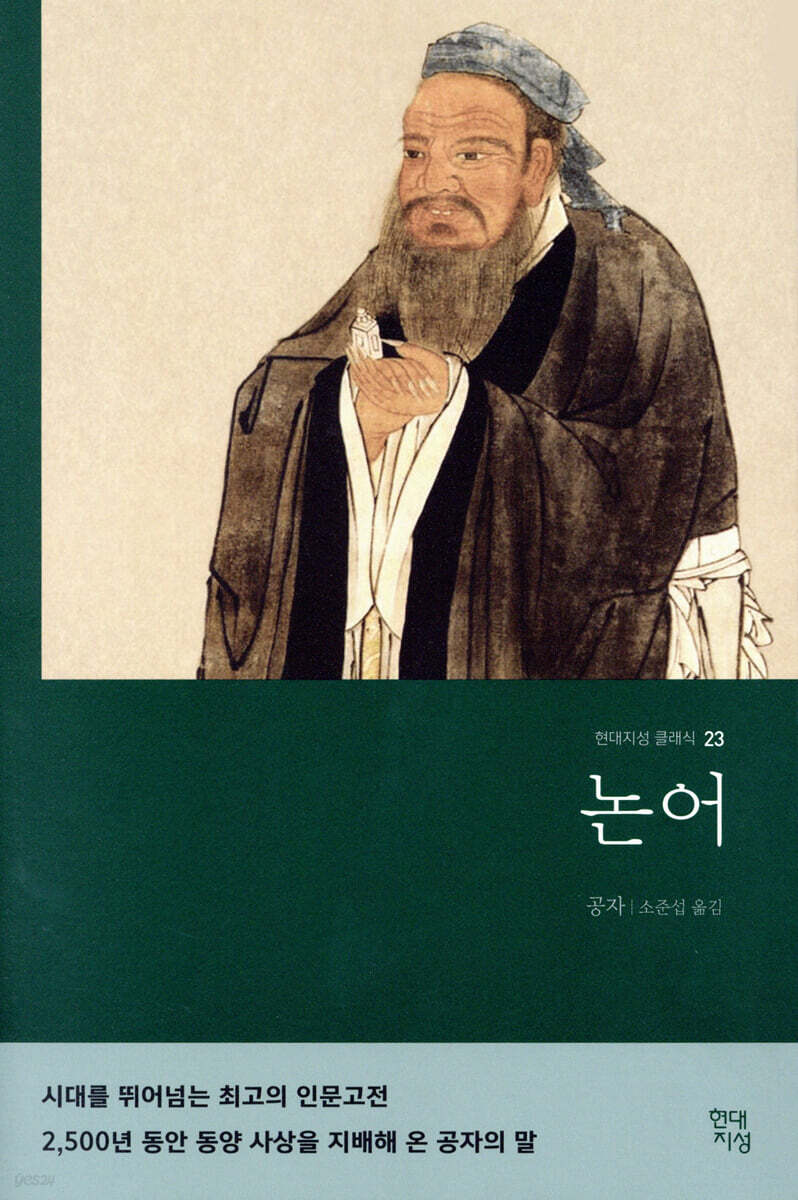 |
Description
Book Introduction
The greatest humanities classic that transcends time
The words of Confucius, which have dominated Eastern thought for 2,500 years
The Analects contain the words and deeds of Confucius and his disciples. The content consists of Confucius's words and deeds, conversations between Confucius and his disciples, conversations between Confucius and the people of the time, and conversations between disciples.
It comprehensively covers the kind of self-cultivation we should possess, the attitude we should have toward learning, our relationships with our families, and the attitude and perspective we should have toward society and the nation.
Published with an innovative and sophisticated interpretation by Chinese expert Dr. So Jun-seop, "The Analects of Confucius" vividly conveys to readers the wisdom of Confucius, passed down for over 2,500 years, and will serve as a lasting spiritual nourishment for us living in the turbulent 21st century.
The words of Confucius, which have dominated Eastern thought for 2,500 years
The Analects contain the words and deeds of Confucius and his disciples. The content consists of Confucius's words and deeds, conversations between Confucius and his disciples, conversations between Confucius and the people of the time, and conversations between disciples.
It comprehensively covers the kind of self-cultivation we should possess, the attitude we should have toward learning, our relationships with our families, and the attitude and perspective we should have toward society and the nation.
Published with an innovative and sophisticated interpretation by Chinese expert Dr. So Jun-seop, "The Analects of Confucius" vividly conveys to readers the wisdom of Confucius, passed down for over 2,500 years, and will serve as a lasting spiritual nourishment for us living in the turbulent 21st century.
- You can preview some of the book's contents.
Preview
index
preface
Part 1: Learning
Part 2: Government
Part 3, Palil
Part 4 Lee In
Part 5: Gong Yajang
Episode 6 Yongya
Chapter 7: The Liquor
Episode 8 Taebaek
Chapter 9 Jahan 子罕
Episode 10 Hyangdang
Episode 11 Advanced
Episode 12 Yan Yuan
Part 13: Zilu
Chapter 14 Constitutional Question
Episode 15: Weilinggong
Chapter 16: Gye Clan
17. Yanghwa
Episode 18 Mija
Chapter 19: Zizhang
Chapter 20: Yao said
Analects of Confucius: The Life of Confucius and the Analects
Chronology of Confucius
Part 1: Learning
Part 2: Government
Part 3, Palil
Part 4 Lee In
Part 5: Gong Yajang
Episode 6 Yongya
Chapter 7: The Liquor
Episode 8 Taebaek
Chapter 9 Jahan 子罕
Episode 10 Hyangdang
Episode 11 Advanced
Episode 12 Yan Yuan
Part 13: Zilu
Chapter 14 Constitutional Question
Episode 15: Weilinggong
Chapter 16: Gye Clan
17. Yanghwa
Episode 18 Mija
Chapter 19: Zizhang
Chapter 20: Yao said
Analects of Confucius: The Life of Confucius and the Analects
Chronology of Confucius
Detailed image
Into the book
2.7 When Ziyou asked about filial piety, Confucius answered.
“Filial piety today means serving one’s parents well.
But even dogs and horses raise each other, so if there is no respect, what difference is there?” (p.36)
4.8 Confucius said:
“If you listen to the Tao in the morning, you will be okay even if you die in the evening.” (p.71)
4.12 Confucius said.
“If you act in pursuit of profit, you will be met with a lot of resentment.” (p.72)
5.19 Ji Wenzi thought about it three times before doing it.
When Confucius heard this, he said:
“Twice is enough.” (p.95)
6.17 Confucius said.
“A person’s life is based on honesty, but to live without honesty is to escape disaster by luck.” (p. 115)
6.18 Confucius said.
“A clever person is not as clever as one who loves learning, and one who loves learning is not as clever as one who finds pleasure in learning.” (p. 115)
9.14 Confucius wanted to live among the Nine Barbarians in the east.
Someone asked.
“That place is extremely backward and uncivilized. How can people live there?” said Confucius.
“If a gentleman lives there, he will not be left behind.” (p.171)
9.23 Confucius said.
"Young people should be revered, for how can we judge their futures to be inferior to those of today? But if they remain unknown even at 40 or 50, they are not something to be feared either." (p. 175)
14.32 Confucius said:
“Don’t worry about others not recognizing you; worry about your own incompetence.” (p.279)
15.7 Confucius said:
“If you don’t speak to someone when you have something to talk about, you will lose your friend. If you speak to someone when you don’t have something to talk about, you will lose your words.
“A wise man does not lose friends, nor does he lose words.” (p.297)
15.27 Confucius said.
“You must look at what many people dislike, and you must also look at what many people like.” (p.306)
19.8 Jaha said.
“If small people have a fault, they always try to hide it by embellishing it.” (p.368)
“Filial piety today means serving one’s parents well.
But even dogs and horses raise each other, so if there is no respect, what difference is there?” (p.36)
4.8 Confucius said:
“If you listen to the Tao in the morning, you will be okay even if you die in the evening.” (p.71)
4.12 Confucius said.
“If you act in pursuit of profit, you will be met with a lot of resentment.” (p.72)
5.19 Ji Wenzi thought about it three times before doing it.
When Confucius heard this, he said:
“Twice is enough.” (p.95)
6.17 Confucius said.
“A person’s life is based on honesty, but to live without honesty is to escape disaster by luck.” (p. 115)
6.18 Confucius said.
“A clever person is not as clever as one who loves learning, and one who loves learning is not as clever as one who finds pleasure in learning.” (p. 115)
9.14 Confucius wanted to live among the Nine Barbarians in the east.
Someone asked.
“That place is extremely backward and uncivilized. How can people live there?” said Confucius.
“If a gentleman lives there, he will not be left behind.” (p.171)
9.23 Confucius said.
"Young people should be revered, for how can we judge their futures to be inferior to those of today? But if they remain unknown even at 40 or 50, they are not something to be feared either." (p. 175)
14.32 Confucius said:
“Don’t worry about others not recognizing you; worry about your own incompetence.” (p.279)
15.7 Confucius said:
“If you don’t speak to someone when you have something to talk about, you will lose your friend. If you speak to someone when you don’t have something to talk about, you will lose your words.
“A wise man does not lose friends, nor does he lose words.” (p.297)
15.27 Confucius said.
“You must look at what many people dislike, and you must also look at what many people like.” (p.306)
19.8 Jaha said.
“If small people have a fault, they always try to hide it by embellishing it.” (p.368)
--- From the text
Publisher's Review
The greatest humanities classic that transcends time
The Analects, laying the foundation for Eastern thought
The fundamental thinking of Eastern culture is relational thinking, which places human-to-human relationships at the pinnacle of its thought.
This comes from “仁,” which is considered the core idea of Confucianism. The Chinese character “仁” means “from people (人)” and “from two (二),” and it means that the relationship between people is considered the highest.
In this way, the Analects, the holy book of Confucianism, is the most important classic in Confucianism and is the basic book and mother that laid the foundation for the Eastern thought system.
Therefore, it is difficult to discuss the formation of Eastern society and its thought system separately from the Analects, and its influence is also profound and deep-rooted.
The Analects contain the words and deeds of Confucius and his disciples. The content consists of Confucius's words and deeds, conversations between Confucius and his disciples, conversations between Confucius and the people of the time, and conversations between disciples.
It comprehensively covers the kind of self-cultivation we should possess, the attitude we should have toward learning, our relationships with our families, and the attitude and perspective we should have toward society and the nation.
“I know it’s impossible, but I still go down that path.”
Confucius, the founder of the Confucian school and the greatest mentor in the East
Confucius's name was Qiu, and his courtesy name was Zhongni.
He was born in 551 BC in Changping Township, Chui? Township, Lu (present-day Qufu, Shandong Province).
He was born after his parents prayed on Mount Nigu and was named Gugu.
He said of himself, “I was not born knowing everything, but I am one who loves the old and has sought it through sincere efforts [Sul-i 7.19].”
He makes it clear that he was not an adult who knew everything from birth, but that he acquired knowledge through diligent study.
To Confucius, politics meant restoring the collapsed 'Zhou Li' and reaching the realm of the 'benevolent government' of the previous kings.
Even though he knew it was impossible to achieve, he insisted on doing it (知其不可而爲之) and tried to embody the life and spirit of saving the world and the people.
Was it because it was impossible to achieve? Despite such noble efforts, Confucius was rarely employed in real-world politics.
In short, he was like a wandering dog looking for food.
In his later years, he founded a kind of university to teach his disciples, which later became the most influential Confucian school of thought and school in Chinese history.
Confucianism has governed ancient Chinese law for thousands of years, and has been incorporated into the people's lifestyle and way of thinking, forming a uniquely Chinese legal consciousness and legal psychology.
The #1 must-read classic in your lifetime
Putting the Analects on the bookshelf of life
Why should we read the classics? Because they are our past, present, and future.
The classics most accurately analyze human nature and teach us the most fundamental direction in which humans should strive.
Our present day, where correctness and direction have been completely lost and values are in great confusion, is no different from the Spring and Autumn Period and the Warring States Period, which were turbulent times among turbulent times.
Moreover, the dominant ideology of Western culture and the relationship-centered ideology deeply ingrained in us often lead to a clash of values.
In times like these, we must once again open the Analects, which have become the foundation of our thought, and gain wisdom that transcends the times.
The Analects of Confucius is a book that is listed on all kinds of recommended reading lists.
The Analects have had a profound influence on Eastern culture and thought for the past 2,500 years, and even now, 2,500 years later, they continue to teach us the principles of human conduct and the ways of life.
A book that has been read for such a long time and widely must have a good reason and depth.
When we place the Analects of Confucius on the bookshelf of life and learn the message and depth it conveys, it will become a treasure trove of wisdom and a guide for life.
Confucius said:
“Young people should be held in awe, so how can we judge that their tomorrows will not keep up with those of today?” [Zi Han 9.23] Through the timeless wisdom of the Analects, I hope that our today will become something worthy of the awe of those of yesterday.
Why Dr. So Jun-seop's Analects?
The Analects of Confucius is a book that must be read at least once in one's life, but reading the Analects of Confucius is by no means an easy task.
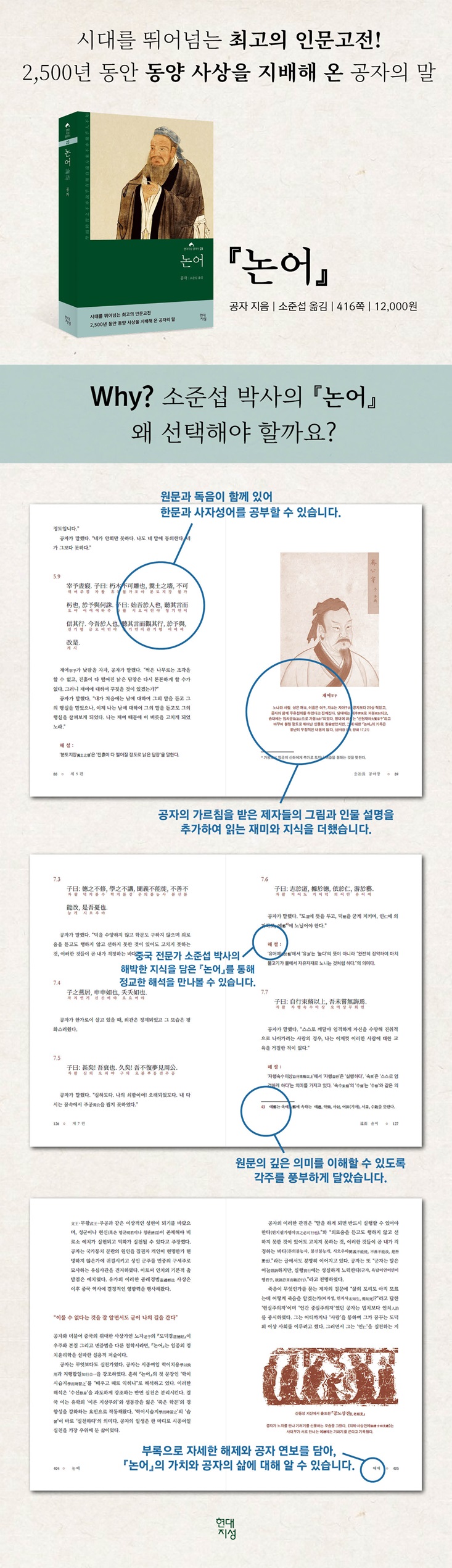
Dr. So Jun-seop, mindful of the difficulties readers might have encountered while reading the Analects, has come up with a new version of the Analects that is easy for readers to understand without losing the flavor of the classics.
Strengths of Dr. So Jun-seop's Analects:
1.
The original text and pronunciation are included together to help readers study Chinese characters and four-character idioms easily.
2.
Portraits and biographical descriptions of Confucius's disciples, which were not easily seen, were added to enhance the reading experience and knowledge.
3.
There is a sophisticated interpretation.
4.
Footnotes are plentiful to help you understand the deeper meaning of the original text.
5.
The appendix includes a detailed explanation of the Analects and a chronology of Confucius, enhancing understanding of the value of the Analects and the life of Confucius.
Published with an innovative and sophisticated interpretation by Chinese expert Dr. So Jun-seop, "The Analects of Confucius" vividly conveys to readers the wisdom of Confucius, passed down for over 2,500 years, and will serve as a lasting spiritual nourishment for us living in the turbulent 21st century.
The Analects, laying the foundation for Eastern thought
The fundamental thinking of Eastern culture is relational thinking, which places human-to-human relationships at the pinnacle of its thought.
This comes from “仁,” which is considered the core idea of Confucianism. The Chinese character “仁” means “from people (人)” and “from two (二),” and it means that the relationship between people is considered the highest.
In this way, the Analects, the holy book of Confucianism, is the most important classic in Confucianism and is the basic book and mother that laid the foundation for the Eastern thought system.
Therefore, it is difficult to discuss the formation of Eastern society and its thought system separately from the Analects, and its influence is also profound and deep-rooted.
The Analects contain the words and deeds of Confucius and his disciples. The content consists of Confucius's words and deeds, conversations between Confucius and his disciples, conversations between Confucius and the people of the time, and conversations between disciples.
It comprehensively covers the kind of self-cultivation we should possess, the attitude we should have toward learning, our relationships with our families, and the attitude and perspective we should have toward society and the nation.
“I know it’s impossible, but I still go down that path.”
Confucius, the founder of the Confucian school and the greatest mentor in the East
Confucius's name was Qiu, and his courtesy name was Zhongni.
He was born in 551 BC in Changping Township, Chui? Township, Lu (present-day Qufu, Shandong Province).
He was born after his parents prayed on Mount Nigu and was named Gugu.
He said of himself, “I was not born knowing everything, but I am one who loves the old and has sought it through sincere efforts [Sul-i 7.19].”
He makes it clear that he was not an adult who knew everything from birth, but that he acquired knowledge through diligent study.
To Confucius, politics meant restoring the collapsed 'Zhou Li' and reaching the realm of the 'benevolent government' of the previous kings.
Even though he knew it was impossible to achieve, he insisted on doing it (知其不可而爲之) and tried to embody the life and spirit of saving the world and the people.
Was it because it was impossible to achieve? Despite such noble efforts, Confucius was rarely employed in real-world politics.
In short, he was like a wandering dog looking for food.
In his later years, he founded a kind of university to teach his disciples, which later became the most influential Confucian school of thought and school in Chinese history.
Confucianism has governed ancient Chinese law for thousands of years, and has been incorporated into the people's lifestyle and way of thinking, forming a uniquely Chinese legal consciousness and legal psychology.
The #1 must-read classic in your lifetime
Putting the Analects on the bookshelf of life
Why should we read the classics? Because they are our past, present, and future.
The classics most accurately analyze human nature and teach us the most fundamental direction in which humans should strive.
Our present day, where correctness and direction have been completely lost and values are in great confusion, is no different from the Spring and Autumn Period and the Warring States Period, which were turbulent times among turbulent times.
Moreover, the dominant ideology of Western culture and the relationship-centered ideology deeply ingrained in us often lead to a clash of values.
In times like these, we must once again open the Analects, which have become the foundation of our thought, and gain wisdom that transcends the times.
The Analects of Confucius is a book that is listed on all kinds of recommended reading lists.
The Analects have had a profound influence on Eastern culture and thought for the past 2,500 years, and even now, 2,500 years later, they continue to teach us the principles of human conduct and the ways of life.
A book that has been read for such a long time and widely must have a good reason and depth.
When we place the Analects of Confucius on the bookshelf of life and learn the message and depth it conveys, it will become a treasure trove of wisdom and a guide for life.
Confucius said:
“Young people should be held in awe, so how can we judge that their tomorrows will not keep up with those of today?” [Zi Han 9.23] Through the timeless wisdom of the Analects, I hope that our today will become something worthy of the awe of those of yesterday.
Why Dr. So Jun-seop's Analects?
The Analects of Confucius is a book that must be read at least once in one's life, but reading the Analects of Confucius is by no means an easy task.
Dr. So Jun-seop, mindful of the difficulties readers might have encountered while reading the Analects, has come up with a new version of the Analects that is easy for readers to understand without losing the flavor of the classics.
Strengths of Dr. So Jun-seop's Analects:
1.
The original text and pronunciation are included together to help readers study Chinese characters and four-character idioms easily.
2.
Portraits and biographical descriptions of Confucius's disciples, which were not easily seen, were added to enhance the reading experience and knowledge.
3.
There is a sophisticated interpretation.
4.
Footnotes are plentiful to help you understand the deeper meaning of the original text.
5.
The appendix includes a detailed explanation of the Analects and a chronology of Confucius, enhancing understanding of the value of the Analects and the life of Confucius.
Published with an innovative and sophisticated interpretation by Chinese expert Dr. So Jun-seop, "The Analects of Confucius" vividly conveys to readers the wisdom of Confucius, passed down for over 2,500 years, and will serve as a lasting spiritual nourishment for us living in the turbulent 21st century.
GOODS SPECIFICS
- Date of issue: October 1, 2018
- Page count, weight, size: 416 pages | 652g | 150*225*30mm
- ISBN13: 9791187142591
- ISBN10: 118714259X
You may also like
카테고리
korean


korean

![ELLE 엘르 스페셜 에디션 A형 : 12월 [2025]](http://librairie.coreenne.fr/cdn/shop/files/b8e27a3de6c9538896439686c6b0e8fb.jpg?v=1766436872&width=3840)


