

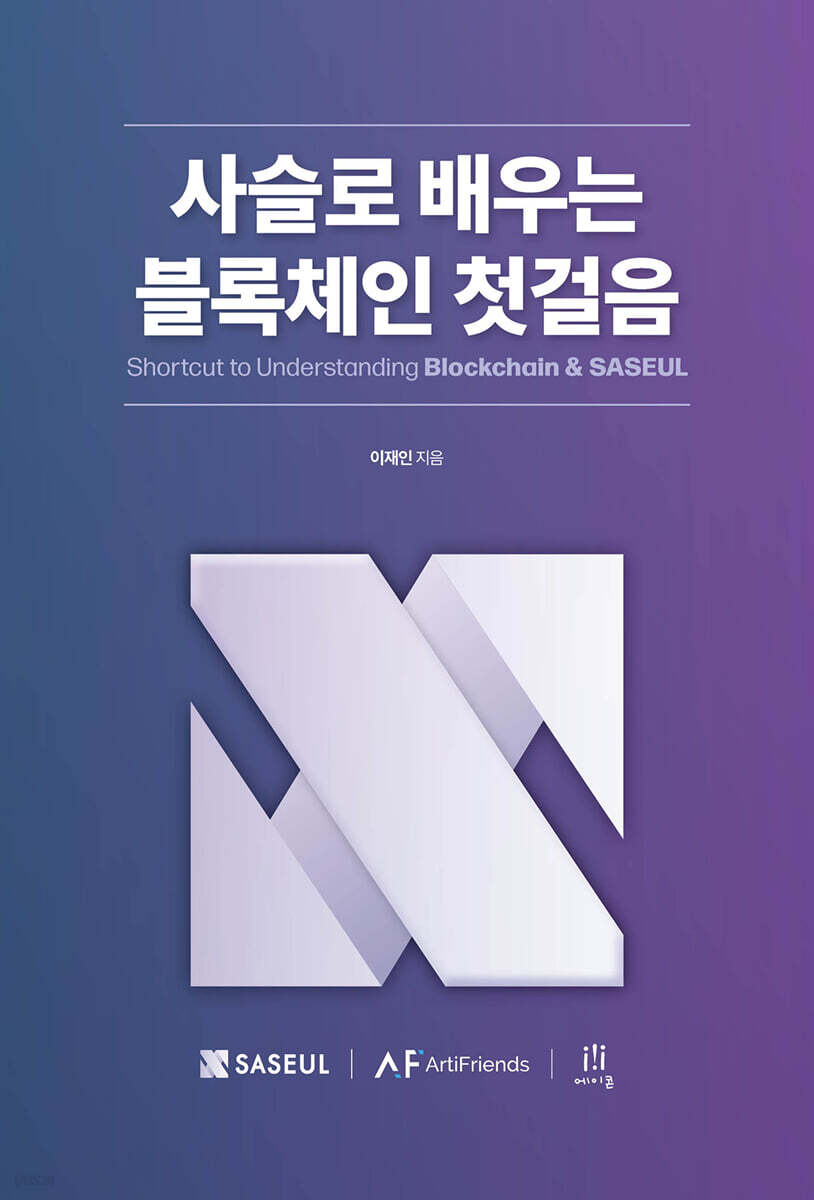
First Steps in Blockchain Learning with Chains
 |
Description
Book Introduction
Blockchain: The Real Story We've Missed
Uncovering the true nature of blockchain, obscured by the cryptocurrency investment craze.
"Blockchain is too complex to understand," "It's just a technology for coin investment," "Ultimately, it's a system controlled by someone," "The average person can't tell the difference between real and fake"? All of these are rooted in misunderstandings.
This book examines the blockchain from its original design by Satoshi Nakamoto to its current form, revealing the truth about blockchain that we have been missing, one by one.
In particular, through the real-world example of a chain (SASEUL) that has implemented 100% decentralization, it specifically demonstrates that a true blockchain is an independent system that no one can control.
In fact, understanding blockchain is not as difficult as you might think.
Anyone can distinguish between a real blockchain and a fake by simply understanding the three core concepts of consensus method, decentralization, and block storage method.
No technical background or investment experience is required.
By following the history and philosophy of blockchain and correcting the misconceptions prevalent in our society, you will soon gain a clearer understanding of what blockchain truly is.
This book will be a solid first step on that journey.
Uncovering the true nature of blockchain, obscured by the cryptocurrency investment craze.
"Blockchain is too complex to understand," "It's just a technology for coin investment," "Ultimately, it's a system controlled by someone," "The average person can't tell the difference between real and fake"? All of these are rooted in misunderstandings.
This book examines the blockchain from its original design by Satoshi Nakamoto to its current form, revealing the truth about blockchain that we have been missing, one by one.
In particular, through the real-world example of a chain (SASEUL) that has implemented 100% decentralization, it specifically demonstrates that a true blockchain is an independent system that no one can control.
In fact, understanding blockchain is not as difficult as you might think.
Anyone can distinguish between a real blockchain and a fake by simply understanding the three core concepts of consensus method, decentralization, and block storage method.
No technical background or investment experience is required.
By following the history and philosophy of blockchain and correcting the misconceptions prevalent in our society, you will soon gain a clearer understanding of what blockchain truly is.
This book will be a solid first step on that journey.
- You can preview some of the book's contents.
Preview
index
Part 1.
What is blockchain?
Chapter 1.
History of Blockchain
1.1 The Birth of Bitcoin (2008–2014)
1.2 The Emergence of Ethereum (2015–2017)
1.3 The proliferation of blockchains (2018~)
1.4 Development of new technologies: chains
1.5 In conclusion
Chapter 2.
What is blockchain?
2.1 Definition of Blockchain
2.2 Blockchain Basics
① Transaction
② Block
③ Server and node
④ Decentralization
⑤ Director
⑥ Consensus algorithm
⑦ Compensation system
2.3 In conclusion
Chapter 3.
Features of Blockchain
3.1 The Trilemma of Decentralization, Scalability, and Security
① Decentralization
② Scalability
③ Security
④ Trilemma
3.2 The Problem with Blockchains That Are Only Fast
① Dilution of differences from existing systems
② Unresolved storage space problem
③ Two speeds of blockchain
3.3 Pros and Cons of Blockchain
① Data security and falsification prevention aspects
② Flexibility and management aspects of system structure
③ Trust structure due to decentralization
④ Scalability and performance issues
⑤ Economic incentives and participation structure
⑥ Conclusion
Part 2.
3rd generation blockchain, chain
Chapter 4.
History of Chains
4.1 The beginning of the chain
4.2 Completing the Chain: Private Blockchains (~2019)
4.3 Chain Evolution: Public Blockchain Mainnet
Chapter 5.
Chain consensus algorithm
5.1 PoW
① What is PoW?
② PoW reward structure and block generation
③ Delay in block confirmation and stability of PoW
④ Pros and Cons of PoW and Blockchain Philosophy
5.2 PoS
① What is PoS?
② PoS block generation method
③ Relationship between deposit share and compensation
④ Limitations of PoS
⑤ Is PoS the future of blockchain?
5.3 HAP-2
① What is the hypothesis acceptance procedure?
② HAP-2 block creation method
③ Pros and cons of HAP-2
④ In summary
Chapter 6.
Chain characteristics
6.1 Smart Contracts
① What is a smart contract?
② Features of Chain Smart Contracts
6.2 Double Chain
6.3 Freeing up storage space
① What is a Merkle tree?
② Utilization of Merkle trees
③ Design of compensation structure for data storage
6.4 Concurrent Smart Contract Processing
① Traditional method: Bridge
② Simultaneous processing of smart contracts
③ Practical Application: Purchase NFT Issuance Tickets
6.5 Implementation of Social Randomness
Chapter 7.
The value of the chain
7.1 Social significance
7.2 Economic Significance
7.3 Cultural Significance
7.4 Technical Significance
Part 3.
Misconceptions and Questions About Blockchain
Chapter 8.
wallet
8.1 What is a wallet?
8.2 Is it possible to transfer from Wallet A to Wallet B?
8.3 Hot and Cold Wallets
8.4 Seed Phrase, Private Key, and Keyfile
Chapter 9.
What is the difference between coins and tokens?
9.1 Differences Between Mainnet and Non-Mainnet
9.2 Technical Definition: Difference in Creation Location
9.3 Uses and Economic Role
9.4 Differences in Creation Difficulty and Structure
9.5 Distribution Structure and Ownership
9.6 Conclusion
Chapter 10. What is an NFT?
10.1 What is an NFT?
10.2 Limitations of Existing NFTs
10.3 NFTs from the Chain
Chapter 11.
Is it possible to have a service that transfers Bitcoin in just one second?
11.1 Why is blockchain speed always an issue?
11.2 How is 1-second transmission possible? A solution beyond blockchain.
11.3 Structural Limitations of Layer 2
11.4 Is Layer 2 ultimately just another 'central system'?
11.5 Conclusion: What's more important than speed
Chapter 12.
Blockchains have been hacked, but is hacking even possible?
12.1 Real Targets of Blockchain-Related Hacking
① Cryptocurrency exchange
② Bridge
③ Wallet application
④ Neglect of personal management
12.2 Isn't it possible to hack with a 51% attack?
Chapter 13.
Is the chain impossible to mine on mobile?
13.1 What is an airdrop?
13.2 The Reality of Mobile Mining
① Competitive mining environment
② Power consumption and heat generation issues
③ Lack of economic feasibility
④ Mobile mining application
⑤ Exceptional cases: small-scale projects
13.3 Conclusion
Chapter 14.
What is a fork in blockchain?
14.1 The concept of fork
① Temporary branch
② Fork due to change in consensus rules
14.2 Technical Difficulty of Hard Forks
① Limitations of decentralization
② Technical risks and irreversibility
③ Securing hash power
14.3 Why Hard Forks Take So Long
What is blockchain?
Chapter 1.
History of Blockchain
1.1 The Birth of Bitcoin (2008–2014)
1.2 The Emergence of Ethereum (2015–2017)
1.3 The proliferation of blockchains (2018~)
1.4 Development of new technologies: chains
1.5 In conclusion
Chapter 2.
What is blockchain?
2.1 Definition of Blockchain
2.2 Blockchain Basics
① Transaction
② Block
③ Server and node
④ Decentralization
⑤ Director
⑥ Consensus algorithm
⑦ Compensation system
2.3 In conclusion
Chapter 3.
Features of Blockchain
3.1 The Trilemma of Decentralization, Scalability, and Security
① Decentralization
② Scalability
③ Security
④ Trilemma
3.2 The Problem with Blockchains That Are Only Fast
① Dilution of differences from existing systems
② Unresolved storage space problem
③ Two speeds of blockchain
3.3 Pros and Cons of Blockchain
① Data security and falsification prevention aspects
② Flexibility and management aspects of system structure
③ Trust structure due to decentralization
④ Scalability and performance issues
⑤ Economic incentives and participation structure
⑥ Conclusion
Part 2.
3rd generation blockchain, chain
Chapter 4.
History of Chains
4.1 The beginning of the chain
4.2 Completing the Chain: Private Blockchains (~2019)
4.3 Chain Evolution: Public Blockchain Mainnet
Chapter 5.
Chain consensus algorithm
5.1 PoW
① What is PoW?
② PoW reward structure and block generation
③ Delay in block confirmation and stability of PoW
④ Pros and Cons of PoW and Blockchain Philosophy
5.2 PoS
① What is PoS?
② PoS block generation method
③ Relationship between deposit share and compensation
④ Limitations of PoS
⑤ Is PoS the future of blockchain?
5.3 HAP-2
① What is the hypothesis acceptance procedure?
② HAP-2 block creation method
③ Pros and cons of HAP-2
④ In summary
Chapter 6.
Chain characteristics
6.1 Smart Contracts
① What is a smart contract?
② Features of Chain Smart Contracts
6.2 Double Chain
6.3 Freeing up storage space
① What is a Merkle tree?
② Utilization of Merkle trees
③ Design of compensation structure for data storage
6.4 Concurrent Smart Contract Processing
① Traditional method: Bridge
② Simultaneous processing of smart contracts
③ Practical Application: Purchase NFT Issuance Tickets
6.5 Implementation of Social Randomness
Chapter 7.
The value of the chain
7.1 Social significance
7.2 Economic Significance
7.3 Cultural Significance
7.4 Technical Significance
Part 3.
Misconceptions and Questions About Blockchain
Chapter 8.
wallet
8.1 What is a wallet?
8.2 Is it possible to transfer from Wallet A to Wallet B?
8.3 Hot and Cold Wallets
8.4 Seed Phrase, Private Key, and Keyfile
Chapter 9.
What is the difference between coins and tokens?
9.1 Differences Between Mainnet and Non-Mainnet
9.2 Technical Definition: Difference in Creation Location
9.3 Uses and Economic Role
9.4 Differences in Creation Difficulty and Structure
9.5 Distribution Structure and Ownership
9.6 Conclusion
Chapter 10. What is an NFT?
10.1 What is an NFT?
10.2 Limitations of Existing NFTs
10.3 NFTs from the Chain
Chapter 11.
Is it possible to have a service that transfers Bitcoin in just one second?
11.1 Why is blockchain speed always an issue?
11.2 How is 1-second transmission possible? A solution beyond blockchain.
11.3 Structural Limitations of Layer 2
11.4 Is Layer 2 ultimately just another 'central system'?
11.5 Conclusion: What's more important than speed
Chapter 12.
Blockchains have been hacked, but is hacking even possible?
12.1 Real Targets of Blockchain-Related Hacking
① Cryptocurrency exchange
② Bridge
③ Wallet application
④ Neglect of personal management
12.2 Isn't it possible to hack with a 51% attack?
Chapter 13.
Is the chain impossible to mine on mobile?
13.1 What is an airdrop?
13.2 The Reality of Mobile Mining
① Competitive mining environment
② Power consumption and heat generation issues
③ Lack of economic feasibility
④ Mobile mining application
⑤ Exceptional cases: small-scale projects
13.3 Conclusion
Chapter 14.
What is a fork in blockchain?
14.1 The concept of fork
① Temporary branch
② Fork due to change in consensus rules
14.2 Technical Difficulty of Hard Forks
① Limitations of decentralization
② Technical risks and irreversibility
③ Securing hash power
14.3 Why Hard Forks Take So Long
Publisher's Review
"What on earth is blockchain?"
I wrote this book to properly answer this question, which has been asked thousands of times.
Aren't you missing the essence of blockchain amidst countless misunderstandings and fragmented information? For those seeking to understand the true value and potential of blockchain, hidden behind the cryptocurrency investment craze and complex technical jargon, here's a clear introductory guide.
This book was written by the author, who has personally developed and operated blockchain technology, to address the numerous questions and misunderstandings he encountered in the field.
This book began with a sincere question: "How can we deliver accurate information to more people in a more accessible way?"
Rather than simply listing various projects, the author provides a three-dimensional explanation of the operating principles and philosophy, focusing on the real-world example of the blockchain "SASEUL," developed by himself.
By following one case in depth, you can get a full picture of blockchain technology.
We boldly avoid rigid technical jargon and complex formulas, conveying core concepts using everyday language and appropriate metaphors, making it accessible even to readers with no prior knowledge of blockchain.
Above all, it goes beyond simple technical explanations to answer fundamental questions like "Why does blockchain exist?" and "Why is this technology important?" It illuminates the inherent value and potential of blockchain as a "technology for people," transcending its degeneration into a speculative tool.
Between cryptocurrency investors and marketers, listen to the honest voices of real developers.
This will be the most certain first step in transforming vague curiosity into clear understanding and misinformation into correct knowledge.
In this rapidly changing technological era, I hope this book will provide you with insight that penetrates the essence.
I wrote this book to properly answer this question, which has been asked thousands of times.
Aren't you missing the essence of blockchain amidst countless misunderstandings and fragmented information? For those seeking to understand the true value and potential of blockchain, hidden behind the cryptocurrency investment craze and complex technical jargon, here's a clear introductory guide.
This book was written by the author, who has personally developed and operated blockchain technology, to address the numerous questions and misunderstandings he encountered in the field.
This book began with a sincere question: "How can we deliver accurate information to more people in a more accessible way?"
Rather than simply listing various projects, the author provides a three-dimensional explanation of the operating principles and philosophy, focusing on the real-world example of the blockchain "SASEUL," developed by himself.
By following one case in depth, you can get a full picture of blockchain technology.
We boldly avoid rigid technical jargon and complex formulas, conveying core concepts using everyday language and appropriate metaphors, making it accessible even to readers with no prior knowledge of blockchain.
Above all, it goes beyond simple technical explanations to answer fundamental questions like "Why does blockchain exist?" and "Why is this technology important?" It illuminates the inherent value and potential of blockchain as a "technology for people," transcending its degeneration into a speculative tool.
Between cryptocurrency investors and marketers, listen to the honest voices of real developers.
This will be the most certain first step in transforming vague curiosity into clear understanding and misinformation into correct knowledge.
In this rapidly changing technological era, I hope this book will provide you with insight that penetrates the essence.
GOODS SPECIFICS
- Date of issue: October 24, 2025
- Page count, weight, size: 232 pages | 436g | 152*224*13mm
- ISBN13: 9791194409304
- ISBN10: 119440930X
You may also like
카테고리
korean


korean

![GQ KOREA Mark (Monthly): December [2025]](http://librairie.coreenne.fr/cdn/shop/files/8ef265dbbfbf186523ed75ba7319009d.jpg?v=1765340328&width=3840)


