

Reading Japanese History for the First Time
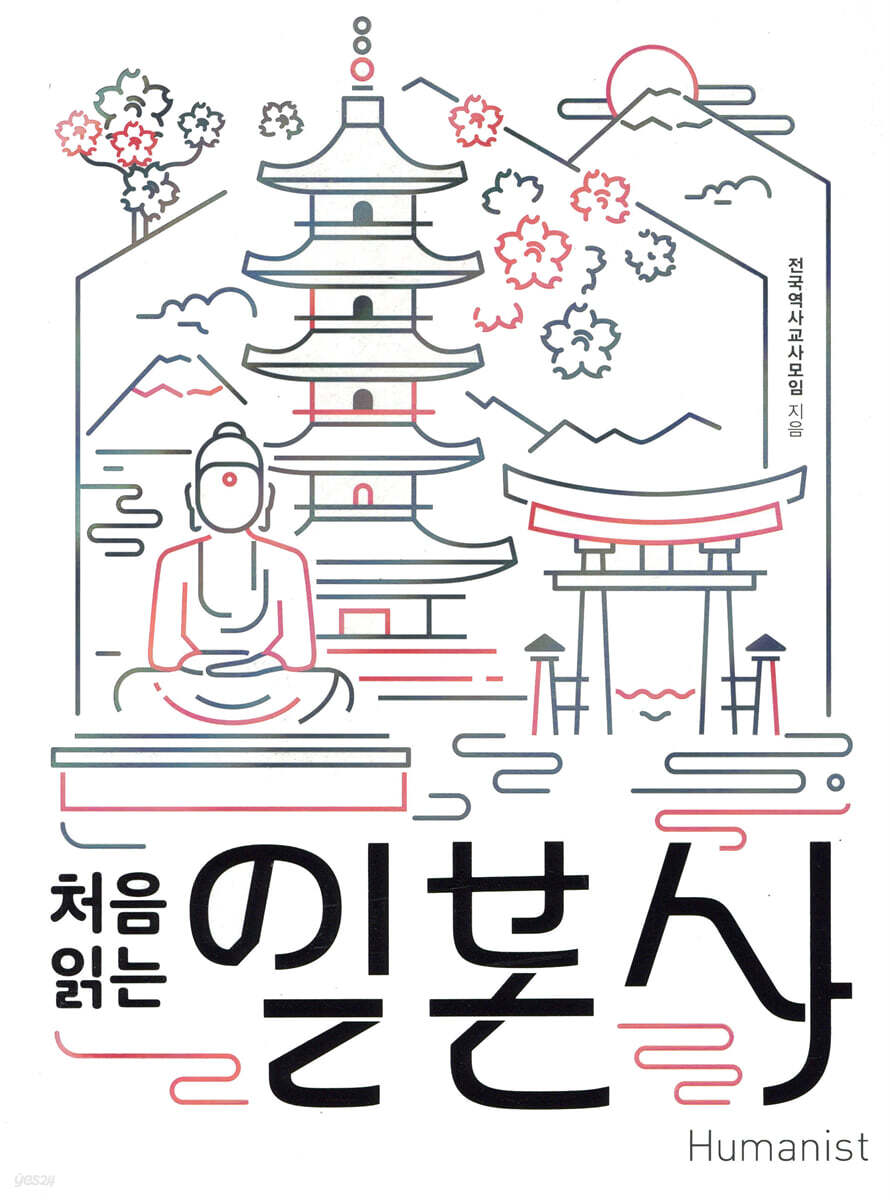 |
Description
Book Introduction
Japan, a country where openness and uniqueness coexist
The restaurants of Kagurazaka, which have been around for generations, and the high-rise buildings of Akihabara, covered with billboards of global companies such as Sony, Toyota, and Toshiba, are all part of the cityscape of Tokyo.
The spirit of "Iitokotori," which embraces good things willingly and values harmony, and the spirit of "Wa," which values harmony, have dominated the Japanese mentality, creating today's Japan, where openness and uniqueness coexist.
Did you know that Van Gogh was such a fan of Japanese art that he even included geishas and cherry blossoms in his paintings? Discover the connection between the differences in tteokguk recipes between the Kansai and Kanto regions and the Japanese spirit of community, and the origins of the Mononoke (vengeful spirit) faith in "Princess Mononoke," and more. Read "A Brief History of Japan" and discover Japan, a neighboring country we know little about, even though it's close to us.
The restaurants of Kagurazaka, which have been around for generations, and the high-rise buildings of Akihabara, covered with billboards of global companies such as Sony, Toyota, and Toshiba, are all part of the cityscape of Tokyo.
The spirit of "Iitokotori," which embraces good things willingly and values harmony, and the spirit of "Wa," which values harmony, have dominated the Japanese mentality, creating today's Japan, where openness and uniqueness coexist.
Did you know that Van Gogh was such a fan of Japanese art that he even included geishas and cherry blossoms in his paintings? Discover the connection between the differences in tteokguk recipes between the Kansai and Kanto regions and the Japanese spirit of community, and the origins of the Mononoke (vengeful spirit) faith in "Princess Mononoke," and more. Read "A Brief History of Japan" and discover Japan, a neighboring country we know little about, even though it's close to us.
- You can preview some of the book's contents.
Preview
index
Publishing the first world history series
preface
Prologue - A Glimpse into Japan's Future: A Country with the Power of Imitation and Creativity
Chapter 1: The Beginning of the Emperor's Era
1. The establishment of a nation in Japan
2 The first unified nation is established
3. Buddhism flourished during the Asuka period.
· Other names for Japan
4. Establishing a state centered on the Emperor
- The inseparable relationship between the gods and the emperor
Chapter 2: The Flourishing of Aristocratic Culture
1. The myth is written and the Daibutsu is completed.
2. An aristocratic society opens
3. The formation of Japanese traditional culture
· Heian Period Japan as Seen Through the Tale of Genji
4. The appearance of the warrior
· The Birth of a Warrior
- The two countries' perspectives on ancient Korea-Japan exchanges
Chapter 3: The Warrior at the Center of the Era
1. The birth of the Musa regime
· The relationship between the warrior era and the natural environment
2 Repelling the Mongol invasion
3 The Age of the Warriors, the Life of the Peasants
· The faith of the warrior
4 A new culture cultivated by warriors
5 The Warring States Period Begins
- Bushido, which considered honor the highest virtue
Chapter 4: Three Heroes on the Path to National Unification
1 Oda Nobunaga, laying the foundation for national unification
2 Unify the country
· Azuchi-Momoyama culture
3 Hideyoshi invades Joseon
4 The Final Victor, Tokugawa Ieyasu
Osaka Castle, an impregnable fortress
- The world of the castle is a world of warriors.
Chapter 5: The Edo Period and the Prosperity of Merchants
1. Bakufu, Finding the Key to Stability
2 The Prosperity and Shadow of the Bakufu
· Mitsui conglomerate
3. The blossoming of Jonin culture
· Ukiyo-e Mania Van Gogh
4. The Bakufu faces a crisis.
- Joseon Tongsinsa, messengers of exchange and peace
Chapter 6: The Meiji Restoration and the Enlightenment
Establish a single country and a government centered on the Emperor
· Yoshida Shoin and Japan's invasion ideology
2. The Meiji Restoration: Japan Changes
· Landscape of Japan during the Enlightenment Period, Laugh or Not
3. Beginning the Journey to Modernization
4 Japanese Imperialism Invades Korea
· Other Hideyoshis of the Meiji period
- The theory of the entrance to and exit from Asia by Yukichi Fukuzawa, the greatest thinker of the Meiji era
Chapter 7: Japanese Militarism and Asian Invasion
1. Japan's international standing changed after World War I.
The tragedy of 1923: the Great Kanto Earthquake and the massacre of Koreans
2 Democracy develops and popular culture emerges.
Expansion into three continents and the move toward militarism
· The Zhang Zuolin bombing incident and the Kanto Army
4 Invade China's interior and confront the United States
· The tragedy of Okinawa
The young officers' coup was the prelude to tragedy.
Chapter 8: High Growth in the Cold War and Japan's Role in the Post-Cold War Era
1. The United States Creates a Peace Constitution in Japan
2 The formation of the 55-year system amid the Cold War
3. Success in becoming an economic powerhouse and the development of the popular culture industry.
Otaku, the backbone of the Japanese film industry
4. Beyond the post-Cold War era, militarization and total conservatism
- Japan's role in peace in East Asia
Epilogue - Meet Japan, a neighboring country driven by the power of the Emperor, warriors, and merchants.
Chronology
Japan's Emperors, Shoguns, and Prime Ministers
References
Search
preface
Prologue - A Glimpse into Japan's Future: A Country with the Power of Imitation and Creativity
Chapter 1: The Beginning of the Emperor's Era
1. The establishment of a nation in Japan
2 The first unified nation is established
3. Buddhism flourished during the Asuka period.
· Other names for Japan
4. Establishing a state centered on the Emperor
- The inseparable relationship between the gods and the emperor
Chapter 2: The Flourishing of Aristocratic Culture
1. The myth is written and the Daibutsu is completed.
2. An aristocratic society opens
3. The formation of Japanese traditional culture
· Heian Period Japan as Seen Through the Tale of Genji
4. The appearance of the warrior
· The Birth of a Warrior
- The two countries' perspectives on ancient Korea-Japan exchanges
Chapter 3: The Warrior at the Center of the Era
1. The birth of the Musa regime
· The relationship between the warrior era and the natural environment
2 Repelling the Mongol invasion
3 The Age of the Warriors, the Life of the Peasants
· The faith of the warrior
4 A new culture cultivated by warriors
5 The Warring States Period Begins
- Bushido, which considered honor the highest virtue
Chapter 4: Three Heroes on the Path to National Unification
1 Oda Nobunaga, laying the foundation for national unification
2 Unify the country
· Azuchi-Momoyama culture
3 Hideyoshi invades Joseon
4 The Final Victor, Tokugawa Ieyasu
Osaka Castle, an impregnable fortress
- The world of the castle is a world of warriors.
Chapter 5: The Edo Period and the Prosperity of Merchants
1. Bakufu, Finding the Key to Stability
2 The Prosperity and Shadow of the Bakufu
· Mitsui conglomerate
3. The blossoming of Jonin culture
· Ukiyo-e Mania Van Gogh
4. The Bakufu faces a crisis.
- Joseon Tongsinsa, messengers of exchange and peace
Chapter 6: The Meiji Restoration and the Enlightenment
Establish a single country and a government centered on the Emperor
· Yoshida Shoin and Japan's invasion ideology
2. The Meiji Restoration: Japan Changes
· Landscape of Japan during the Enlightenment Period, Laugh or Not
3. Beginning the Journey to Modernization
4 Japanese Imperialism Invades Korea
· Other Hideyoshis of the Meiji period
- The theory of the entrance to and exit from Asia by Yukichi Fukuzawa, the greatest thinker of the Meiji era
Chapter 7: Japanese Militarism and Asian Invasion
1. Japan's international standing changed after World War I.
The tragedy of 1923: the Great Kanto Earthquake and the massacre of Koreans
2 Democracy develops and popular culture emerges.
Expansion into three continents and the move toward militarism
· The Zhang Zuolin bombing incident and the Kanto Army
4 Invade China's interior and confront the United States
· The tragedy of Okinawa
The young officers' coup was the prelude to tragedy.
Chapter 8: High Growth in the Cold War and Japan's Role in the Post-Cold War Era
1. The United States Creates a Peace Constitution in Japan
2 The formation of the 55-year system amid the Cold War
3. Success in becoming an economic powerhouse and the development of the popular culture industry.
Otaku, the backbone of the Japanese film industry
4. Beyond the post-Cold War era, militarization and total conservatism
- Japan's role in peace in East Asia
Epilogue - Meet Japan, a neighboring country driven by the power of the Emperor, warriors, and merchants.
Chronology
Japan's Emperors, Shoguns, and Prime Ministers
References
Search
Detailed image

Publisher's Review
1.
A living history theater starring the emperor, warriors, and merchants
The land of the Emperor and the samurai, these are the first images that come to mind when you think of Japan.
The moment the merchants called Jonin appear on stage, you are ready to encounter Japanese history.
The curtain rises and the Emperor appears on stage.
He was being tossed around by the powerful clans, but his momentum was boosted by the Taika Reforms of Prince Shotoku, which strengthened the royal authority.
In Act 2, the warriors rise up and open the Kamakura shogunate.
The pin lights that were shining on Kyoto, where the Emperor was, moved to Kamakura, Muromachi, and Edo in succession, focusing on the samurai.
And in the meantime, merchants appeared and brought about a new culture by popularizing Kabuki and Ukiyo-e (Japanese woodblock prints).
The third act begins with the Meiji Restoration, Japan's modernization project.
The Emperor, who had been forgotten for a while, is suddenly revered as a god and makes a grand comeback, while the warriors become military leaders and the merchants become wealthy conglomerates.
It roamed East Asia, creating a beehive here and there, and even started World War II, but the curtain fell on it with the atomic bomb.
In Act 4, the US military appears, brings down the power of the Emperor, the military, and the conglomerates, and creates a peace constitution.
While the movement toward democracy is stirring in the private sector, forces that yearn for the imperialist era coexist, leading to the Japan of today.
As befitting a book by the National History Teachers Association, the same group that wrote “Living World History Textbook,” “Reading Japanese History for the First Time” is not a dry history book focused on political events and chronology.
As the title suggests, it was created so that even readers who are new to Japanese history can read it easily and enjoyably.
By vividly reconstructing historical events and interspersing anecdotes related to the characters throughout, a book was created in which the characters appearing on the stage of history breathe and come alive.
Here, a map that kindly guides you through unfamiliar spaces and over 200 illustrations depicting Japanese culture and history provide a stage setting that allows you to experience Japan more vividly.
2.
A balanced perspective on Japanese history
From ancient times to the present, Japan and Korea have had frequent contact and various exchanges.
That is why Japan is a regular guest who always appears in history classes when we are about to forget.
Japanese history, along with Chinese history, is given significant weight in history textbooks, but because it is taught in segmented sections divided by era, there are few opportunities to understand the flow of Japanese history from a macroscopic perspective.
Moreover, it is difficult to understand Japanese history from a balanced perspective because only the relationships between perpetrators and victims, such as the Japanese pirates, the Imjin War, and colonialism, are prominently covered.
Taking this into account, 『Reading Japanese History for the First Time』 comprehensively covers Japanese history and strives to read neighboring Japan from a balanced perspective through the eyes of a Korean.
This is especially true in that it seeks to understand the creative potential of Japanese culture beyond the negative perception that it is a country skilled only in imitation, and in that it reminds us of the efforts of Japanese civil society and civic movements for peace and democracy that lie behind the negative impact of imperialism and militarization on the international community.
The ability to see beyond the state-centered historical perception and even the aspects of Japanese civil society is possible thanks to the History Teachers' Association's long-term exchanges with Japanese teachers, which have fostered mutual understanding.
As with other volumes in this series, this book strives to understand Japan's significance in world history, as well as the achievements and efforts of its people. However, it also offers a reflective perspective on the anti-humanity behavior that has awakened the world to its alarm.
About the consequences of imperialist thinking and how destructive invasion and war are.
In the process, it also presents the characteristics of a recurring pattern of cultural acceptance in Japanese history, showing that Japan has repeatedly absorbed and digested foreign things, then expanded overseas with the accumulated power, and then declined.
“In ancient and medieval times, Japan adopted Korean and Chinese cultures to develop its own unique culture, and after the end of the Warring States period through the samurai regime, it turned its attention to Joseon and started the Imjin War, which ultimately led to the collapse of Toyotomi Hideyoshi’s regime.
In modern times, the history is similar, with Japan accepting Western civilization through Commodore Perry in 1854, starting the Sino-Japanese War and the Russo-Japanese War, colonizing Joseon, and even attacking the United States before ultimately surrendering to the atomic bomb.
Beginning in 1945, when the modern era began, Japan adopted democracy and a capitalist system under the US military government, achieving rapid growth in the 1970s and 1980s, and by the mid-1980s, the Japanese economy had grown to the point where it could threaten even the United States.
This rapid growth slowed down in the late 1980s and led to a severe economic recession in the 1990s, known as the “lost decade.” However, it has recently shown signs of recovery and is attempting to emerge as a military power.” --- From “Prologue”
In this way, this book examines the remnants of Japanese imperialism that persist to this day, such as the distortion of history textbooks and the Dokdo territorial dispute, while also examining other voices within Japan that have not been readily accessible until now, as well as the various civic movements striving to protect the Peace Constitution and democracy.
Through this, we can reflect on Japan's role in coexistence in East Asia, connect Japan's past and present, and build a bridge for reconciliation between Korea and Japan.
3.
The National History Teachers Association's "World History for Beginners" series has been newly revised.
The 'First Reading of World History' series was planned with the aim of looking at world history through the 'eyes of Koreans', beyond the world history of 'Europe as the lead and China as a supporting role.'
Teachers from the National History Teachers Association selected five countries and began organizing their histories based on their field experience.
The books in this series cover each country's unique history, but they are written so that each country's history can be understood within the context of world history.
To help readers learn about major events, figures, and the historical significance of civilizations in world history, we've used timelines and maps to clearly connect the dots between the books in the series.
Another unique characteristic of this series is that it does not mechanically list political events in a chronological order, but vividly portrays the culture and history of the country.
Looking at the many reader reviews that poured in after the series was published in 2010, many praised the books, saying they chose them before traveling to Turkey, before going on a business trip to India, and before living in Japan to learn more about the country, and that the easy-to-read and three-dimensional descriptions led them to seek out and read books from other countries.
I hope that this series will continue to serve as a vivid introduction to the history of countries that cannot be fully understood through textbooks alone, or as an excellent guidebook for those planning a trip to those countries.
A living history theater starring the emperor, warriors, and merchants
The land of the Emperor and the samurai, these are the first images that come to mind when you think of Japan.
The moment the merchants called Jonin appear on stage, you are ready to encounter Japanese history.
The curtain rises and the Emperor appears on stage.
He was being tossed around by the powerful clans, but his momentum was boosted by the Taika Reforms of Prince Shotoku, which strengthened the royal authority.
In Act 2, the warriors rise up and open the Kamakura shogunate.
The pin lights that were shining on Kyoto, where the Emperor was, moved to Kamakura, Muromachi, and Edo in succession, focusing on the samurai.
And in the meantime, merchants appeared and brought about a new culture by popularizing Kabuki and Ukiyo-e (Japanese woodblock prints).
The third act begins with the Meiji Restoration, Japan's modernization project.
The Emperor, who had been forgotten for a while, is suddenly revered as a god and makes a grand comeback, while the warriors become military leaders and the merchants become wealthy conglomerates.
It roamed East Asia, creating a beehive here and there, and even started World War II, but the curtain fell on it with the atomic bomb.
In Act 4, the US military appears, brings down the power of the Emperor, the military, and the conglomerates, and creates a peace constitution.
While the movement toward democracy is stirring in the private sector, forces that yearn for the imperialist era coexist, leading to the Japan of today.
As befitting a book by the National History Teachers Association, the same group that wrote “Living World History Textbook,” “Reading Japanese History for the First Time” is not a dry history book focused on political events and chronology.
As the title suggests, it was created so that even readers who are new to Japanese history can read it easily and enjoyably.
By vividly reconstructing historical events and interspersing anecdotes related to the characters throughout, a book was created in which the characters appearing on the stage of history breathe and come alive.
Here, a map that kindly guides you through unfamiliar spaces and over 200 illustrations depicting Japanese culture and history provide a stage setting that allows you to experience Japan more vividly.
2.
A balanced perspective on Japanese history
From ancient times to the present, Japan and Korea have had frequent contact and various exchanges.
That is why Japan is a regular guest who always appears in history classes when we are about to forget.
Japanese history, along with Chinese history, is given significant weight in history textbooks, but because it is taught in segmented sections divided by era, there are few opportunities to understand the flow of Japanese history from a macroscopic perspective.
Moreover, it is difficult to understand Japanese history from a balanced perspective because only the relationships between perpetrators and victims, such as the Japanese pirates, the Imjin War, and colonialism, are prominently covered.
Taking this into account, 『Reading Japanese History for the First Time』 comprehensively covers Japanese history and strives to read neighboring Japan from a balanced perspective through the eyes of a Korean.
This is especially true in that it seeks to understand the creative potential of Japanese culture beyond the negative perception that it is a country skilled only in imitation, and in that it reminds us of the efforts of Japanese civil society and civic movements for peace and democracy that lie behind the negative impact of imperialism and militarization on the international community.
The ability to see beyond the state-centered historical perception and even the aspects of Japanese civil society is possible thanks to the History Teachers' Association's long-term exchanges with Japanese teachers, which have fostered mutual understanding.
As with other volumes in this series, this book strives to understand Japan's significance in world history, as well as the achievements and efforts of its people. However, it also offers a reflective perspective on the anti-humanity behavior that has awakened the world to its alarm.
About the consequences of imperialist thinking and how destructive invasion and war are.
In the process, it also presents the characteristics of a recurring pattern of cultural acceptance in Japanese history, showing that Japan has repeatedly absorbed and digested foreign things, then expanded overseas with the accumulated power, and then declined.
“In ancient and medieval times, Japan adopted Korean and Chinese cultures to develop its own unique culture, and after the end of the Warring States period through the samurai regime, it turned its attention to Joseon and started the Imjin War, which ultimately led to the collapse of Toyotomi Hideyoshi’s regime.
In modern times, the history is similar, with Japan accepting Western civilization through Commodore Perry in 1854, starting the Sino-Japanese War and the Russo-Japanese War, colonizing Joseon, and even attacking the United States before ultimately surrendering to the atomic bomb.
Beginning in 1945, when the modern era began, Japan adopted democracy and a capitalist system under the US military government, achieving rapid growth in the 1970s and 1980s, and by the mid-1980s, the Japanese economy had grown to the point where it could threaten even the United States.
This rapid growth slowed down in the late 1980s and led to a severe economic recession in the 1990s, known as the “lost decade.” However, it has recently shown signs of recovery and is attempting to emerge as a military power.” --- From “Prologue”
In this way, this book examines the remnants of Japanese imperialism that persist to this day, such as the distortion of history textbooks and the Dokdo territorial dispute, while also examining other voices within Japan that have not been readily accessible until now, as well as the various civic movements striving to protect the Peace Constitution and democracy.
Through this, we can reflect on Japan's role in coexistence in East Asia, connect Japan's past and present, and build a bridge for reconciliation between Korea and Japan.
3.
The National History Teachers Association's "World History for Beginners" series has been newly revised.
The 'First Reading of World History' series was planned with the aim of looking at world history through the 'eyes of Koreans', beyond the world history of 'Europe as the lead and China as a supporting role.'
Teachers from the National History Teachers Association selected five countries and began organizing their histories based on their field experience.
The books in this series cover each country's unique history, but they are written so that each country's history can be understood within the context of world history.
To help readers learn about major events, figures, and the historical significance of civilizations in world history, we've used timelines and maps to clearly connect the dots between the books in the series.
Another unique characteristic of this series is that it does not mechanically list political events in a chronological order, but vividly portrays the culture and history of the country.
Looking at the many reader reviews that poured in after the series was published in 2010, many praised the books, saying they chose them before traveling to Turkey, before going on a business trip to India, and before living in Japan to learn more about the country, and that the easy-to-read and three-dimensional descriptions led them to seek out and read books from other countries.
I hope that this series will continue to serve as a vivid introduction to the history of countries that cannot be fully understood through textbooks alone, or as an excellent guidebook for those planning a trip to those countries.
GOODS SPECIFICS
- Date of publication: December 11, 2018
- Page count, weight, size: 400 pages | 728g | 165*220*30mm
- ISBN13: 9791160801828
- ISBN10: 1160801827
You may also like
카테고리
korean


korean

![GQ KOREA Mark (Monthly): December [2025]](http://librairie.coreenne.fr/cdn/shop/files/8ef265dbbfbf186523ed75ba7319009d.jpg?v=1765340328&width=3840)


