

Kyoto Travel Guide for Travelers
 |
Description
Book Introduction
Kyoto, the more you know, the more fun it is!
The #1 destination for Japanese cultural exploration: Kyoto, the millennium-old capital, all in one volume.
Kyoto, a thousand-year-old capital city that embodies the essence of Japanese culture and one of the most popular overseas travel destinations for Koreans.
Professor Yoo Hong-jun has selected Kyoto's famous attractions, taking as a model the five-volume "My Cultural Heritage Tour Japan" which has sold over 300,000 copies since its first publication in 2013 and established itself as the best guide to Japanese culture, and has compiled them into a new volume, "Kyoto Tour for Travelers."
Among Japanese travel books, there are an overwhelming number of Kyoto travel books, but most of them on the market are focused on tourist destinations, making it difficult to expect in-depth explanations of Kyoto's history and culture.
This book, based on Professor Yoo Hong-jun's philosophy that "history gives birth to relics, and relics bear witness to history," delves into the essence of Japanese culture by addressing each of Kyoto's beautiful landmarks and cultural heritage sites.
This book will serve as an invaluable guide for travelers seeking to fully experience the cultural flavor and depth of Kyoto by highlighting traces of the Korean immigrants who laid the foundation for Kyoto's cultural revival but whose existence was largely unknown, as well as gardens and temples that truly embody the essence of Japanese beauty.
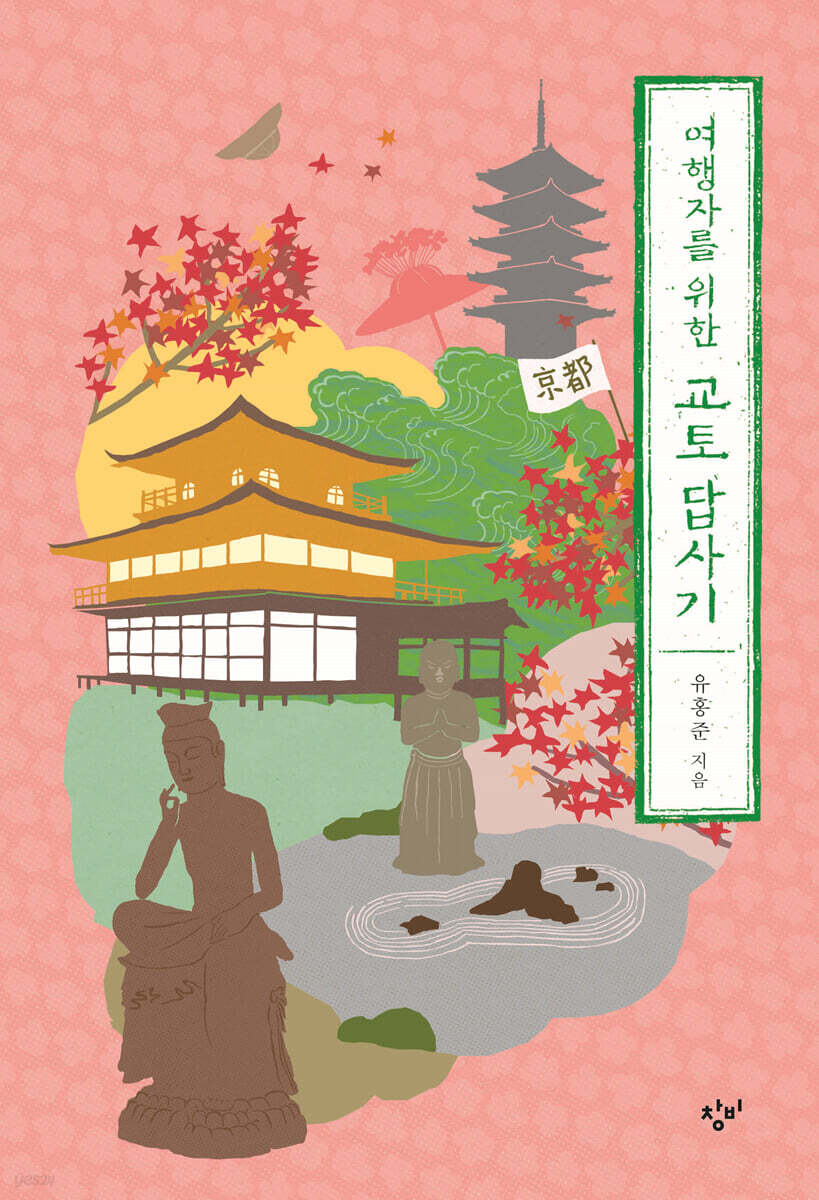
From the cover, "Kyoto Travel Guide for Travelers," filled with the autumnal scent and autumnal colors of Kyoto, is expected to provide readers seeking a profound travel experience, escaping the dullness of everyday life and seeking new vitality.
The #1 destination for Japanese cultural exploration: Kyoto, the millennium-old capital, all in one volume.
Kyoto, a thousand-year-old capital city that embodies the essence of Japanese culture and one of the most popular overseas travel destinations for Koreans.
Professor Yoo Hong-jun has selected Kyoto's famous attractions, taking as a model the five-volume "My Cultural Heritage Tour Japan" which has sold over 300,000 copies since its first publication in 2013 and established itself as the best guide to Japanese culture, and has compiled them into a new volume, "Kyoto Tour for Travelers."
Among Japanese travel books, there are an overwhelming number of Kyoto travel books, but most of them on the market are focused on tourist destinations, making it difficult to expect in-depth explanations of Kyoto's history and culture.
This book, based on Professor Yoo Hong-jun's philosophy that "history gives birth to relics, and relics bear witness to history," delves into the essence of Japanese culture by addressing each of Kyoto's beautiful landmarks and cultural heritage sites.
This book will serve as an invaluable guide for travelers seeking to fully experience the cultural flavor and depth of Kyoto by highlighting traces of the Korean immigrants who laid the foundation for Kyoto's cultural revival but whose existence was largely unknown, as well as gardens and temples that truly embody the essence of Japanese beauty.
From the cover, "Kyoto Travel Guide for Travelers," filled with the autumnal scent and autumnal colors of Kyoto, is expected to provide readers seeking a profound travel experience, escaping the dullness of everyday life and seeking new vitality.
- You can preview some of the book's contents.
Preview
index
A reliable guide for your Kyoto trip, published by the book
Part 1: Prehistory of Kyoto: Asuka and Nara
Horyuji Temple
-In search of the hometown of Baekje Kannon during the Asuka period
Todaiji Temple
-The glory and pride of Buddhist art during the Nara period
Part 2: The Historic City of Kyoto
Gwangryungsa Temple (Goryuji Temple)
-Wooden seated Buddha statue and the arrival of Jin Ha-seung
Yasaka Shrine and Gion Matsuri (Gion Festival)
-Kyoto doesn't wither because of the temperature.
Kiyomizu-dera Temple
The legend of 'Cheongsu's Stage' didn't just happen.
Fushimi Inari Shrine and Sanjussamgando
-The grand beauty of a thousand torii gates and a thousand bodhisattva statues
Part 3: Kyoto's Famous Places
Tenryuji Temple
-This is how the legend of the Japanese garden began.
Ryoanji Temple
-A garden created in the name of Zen
Kinkaku-ji Temple
-What was the dream that came true in the Golden Pavilion?
Ginkaku-ji Temple
-Seowonjo Architecture and the Life of a Samurai
Keiri Palace (Katsura Palace)
-'Beautiful Sabi' or the answer to Japanese beauty
Nanzenji Temple and the Path of Philosophy
-The essence of Japanese gardens and the home of modern Japanese intellect
Kyoto Map
UNESCO World Heritage Sites in Kyoto
Kyoto 3-night, 4-day itinerary
Part 1: Prehistory of Kyoto: Asuka and Nara
Horyuji Temple
-In search of the hometown of Baekje Kannon during the Asuka period
Todaiji Temple
-The glory and pride of Buddhist art during the Nara period
Part 2: The Historic City of Kyoto
Gwangryungsa Temple (Goryuji Temple)
-Wooden seated Buddha statue and the arrival of Jin Ha-seung
Yasaka Shrine and Gion Matsuri (Gion Festival)
-Kyoto doesn't wither because of the temperature.
Kiyomizu-dera Temple
The legend of 'Cheongsu's Stage' didn't just happen.
Fushimi Inari Shrine and Sanjussamgando
-The grand beauty of a thousand torii gates and a thousand bodhisattva statues
Part 3: Kyoto's Famous Places
Tenryuji Temple
-This is how the legend of the Japanese garden began.
Ryoanji Temple
-A garden created in the name of Zen
Kinkaku-ji Temple
-What was the dream that came true in the Golden Pavilion?
Ginkaku-ji Temple
-Seowonjo Architecture and the Life of a Samurai
Keiri Palace (Katsura Palace)
-'Beautiful Sabi' or the answer to Japanese beauty
Nanzenji Temple and the Path of Philosophy
-The essence of Japanese gardens and the home of modern Japanese intellect
Kyoto Map
UNESCO World Heritage Sites in Kyoto
Kyoto 3-night, 4-day itinerary
Detailed image
.jpg)
Publisher's Review
Kyoto, the flower of Japanese beauty
Travelers from all over the world flock to Kyoto for its historic landmarks and diverse cultural experiences that embody the essence of Japanese beauty.
Professor Yoo Hong-jun says that it is no exaggeration to say that Kyoto, which has maintained its status as the capital for a thousand years, embodies the essence of Japanese culture and that it is here that the flower of Japanese beauty blooms.
There are 17 temples, 3 shrines, and 1 castle registered as UNESCO World Heritage Sites.
But paradoxically, Kyoto has so many cultural heritages that it can be overwhelming for travelers.
It is a city that leaves you happily hesitant about where to go and what to experience among its numerous attractions.
"Kyoto Travel Guide for Travelers" introduces the key must-see attractions for travelers to Kyoto and provides practical assistance by providing necessary preliminary knowledge for travelers unfamiliar with Japanese language, history, and culture.
As befitting Yoo Hong-jun's 'Travelogue', it faithfully captures cultural and historical knowledge that you would never know unless you open the book, as well as the fragrance of Kyoto that you would never be able to experience unless you go on a trip.
A reliable guide for your Kyoto trip
"Kyoto Travelogue for Travelers" is divided into three parts for readers who want to break away from the typical tourist route and experience the historical and cultural flavors of Kyoto.
Part 1 is the prehistory of Kyoto, and includes Horyuji Temple and Todaiji Temple, which are representative temples of the Asuka and Nara periods.
Here, we can admire the elegant Buddhist statue of Baekje Avalokitesvara and understand the deep connection between ancient Japan and the Korean Peninsula.
Part 2 introduces the famous sites that were created during the development of Kyoto, the millennium-old capital, into a historical city.
It depicts the spectacular scenery of Kyoto, where famous tourist attractions such as Koryuji Temple, Kiyomizu-dera Temple, Fushimi Inari Shrine, and Sanjusangendo Hall are intertwined, while conveying the traces of the Korean Peninsula immigrants that are embedded in each location.
Part 3 introduces seven famous places that can be called the flowers of Kyoto travel: Tenryu-ji Temple, Ryoan-ji Temple, Kinkaku-ji Temple, Ginkaku-ji Temple, Katsura Palace, Nanzen-ji Temple, and the Philosopher's Path.
These are some of the most famous places that showcase the essence of Japanese beauty, including beautiful Zen temples and gardens decorated with white sand.
As an appendix, we have included a map of Kyoto, a tour schedule, and explanations of UNESCO World Heritage sites throughout Kyoto.
Yu Hong-jun's commentary on cultural heritage, which leads to dignified conversations with relics and ruins, will provide a reading experience of a different level during your trip to Kyoto.
Travelers from all over the world flock to Kyoto for its historic landmarks and diverse cultural experiences that embody the essence of Japanese beauty.
Professor Yoo Hong-jun says that it is no exaggeration to say that Kyoto, which has maintained its status as the capital for a thousand years, embodies the essence of Japanese culture and that it is here that the flower of Japanese beauty blooms.
There are 17 temples, 3 shrines, and 1 castle registered as UNESCO World Heritage Sites.
But paradoxically, Kyoto has so many cultural heritages that it can be overwhelming for travelers.
It is a city that leaves you happily hesitant about where to go and what to experience among its numerous attractions.
"Kyoto Travel Guide for Travelers" introduces the key must-see attractions for travelers to Kyoto and provides practical assistance by providing necessary preliminary knowledge for travelers unfamiliar with Japanese language, history, and culture.
As befitting Yoo Hong-jun's 'Travelogue', it faithfully captures cultural and historical knowledge that you would never know unless you open the book, as well as the fragrance of Kyoto that you would never be able to experience unless you go on a trip.
A reliable guide for your Kyoto trip
"Kyoto Travelogue for Travelers" is divided into three parts for readers who want to break away from the typical tourist route and experience the historical and cultural flavors of Kyoto.
Part 1 is the prehistory of Kyoto, and includes Horyuji Temple and Todaiji Temple, which are representative temples of the Asuka and Nara periods.
Here, we can admire the elegant Buddhist statue of Baekje Avalokitesvara and understand the deep connection between ancient Japan and the Korean Peninsula.
Part 2 introduces the famous sites that were created during the development of Kyoto, the millennium-old capital, into a historical city.
It depicts the spectacular scenery of Kyoto, where famous tourist attractions such as Koryuji Temple, Kiyomizu-dera Temple, Fushimi Inari Shrine, and Sanjusangendo Hall are intertwined, while conveying the traces of the Korean Peninsula immigrants that are embedded in each location.
Part 3 introduces seven famous places that can be called the flowers of Kyoto travel: Tenryu-ji Temple, Ryoan-ji Temple, Kinkaku-ji Temple, Ginkaku-ji Temple, Katsura Palace, Nanzen-ji Temple, and the Philosopher's Path.
These are some of the most famous places that showcase the essence of Japanese beauty, including beautiful Zen temples and gardens decorated with white sand.
As an appendix, we have included a map of Kyoto, a tour schedule, and explanations of UNESCO World Heritage sites throughout Kyoto.
Yu Hong-jun's commentary on cultural heritage, which leads to dignified conversations with relics and ruins, will provide a reading experience of a different level during your trip to Kyoto.
GOODS SPECIFICS
- Date of issue: September 22, 2023
- Page count, weight, size: 356 pages | 456g | 142*208*18mm
- ISBN13: 9788936479435
- ISBN10: 8936479431
You may also like
카테고리
korean


korean

![GQ KOREA Mark (Monthly): December [2025]](http://librairie.coreenne.fr/cdn/shop/files/8ef265dbbfbf186523ed75ba7319009d.jpg?v=1765340328&width=3840)


