

DP Learning Approach Student Workbook
 |
Description
Book Introduction
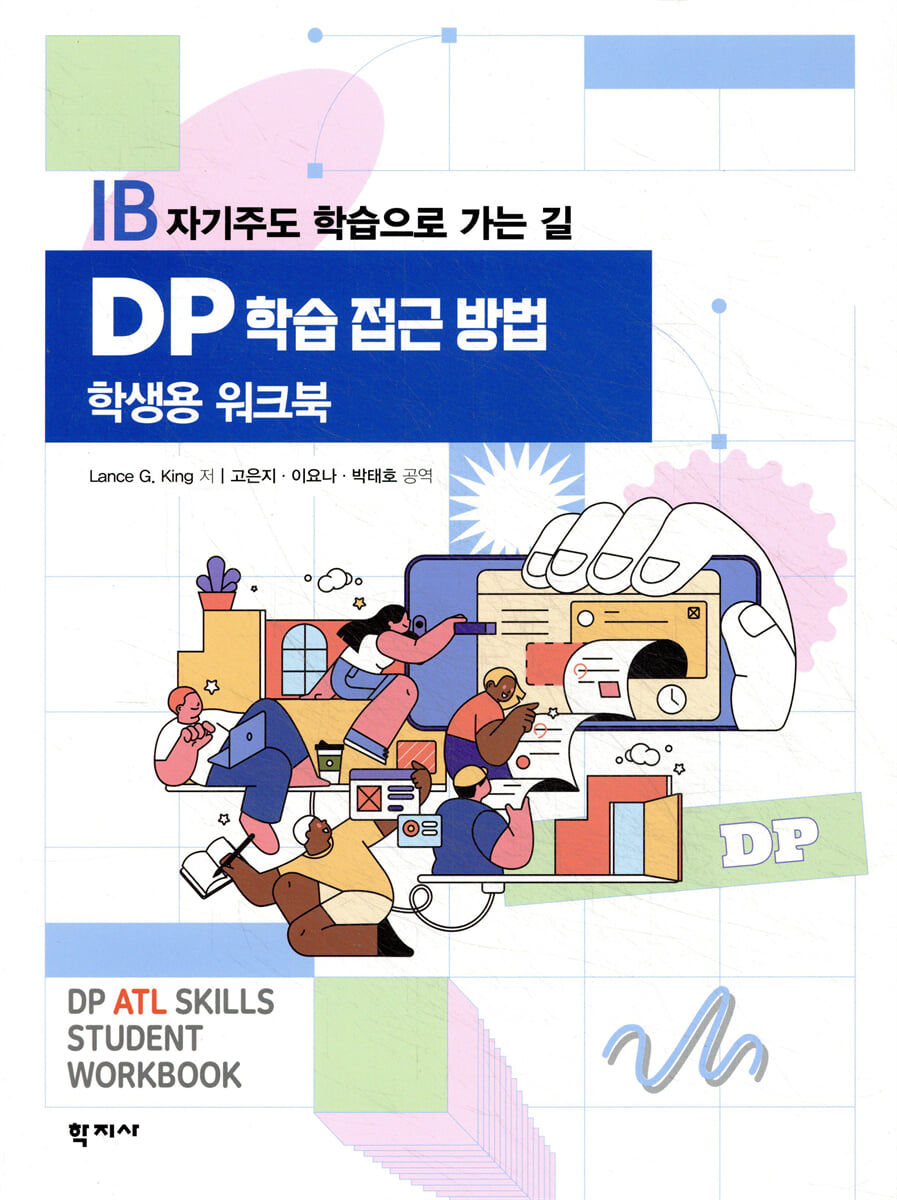
Beyond diploma program learning, this book covers Approaches to Learning (ATL) to effectively address the various challenges you will face in life.
It can be used not only for class assignments but also as a self-directed learning and self-development process, and is structured to allow for repeated practice of necessary skills in a variety of subjects and situations.
The book covers a wide range of topics, from skills that directly aid academics—writing academic papers, preparing for exams, presenting, researching, and being creative—to life skills like stress management, overcoming procrastination, self-motivation, resilience, and courage.
Each chapter includes self-assessment activities that help learners monitor their progress and develop more sophisticated learning skills through metacognition. The ATL function is not intended to be used for grading or grading.
Rather, it is a practical tool that enables the achievement of academic goals and efficient task performance, and it is a lifelong asset that can be utilized in various fields of life, such as university life, vocational training, and self-employment.
This book will serve as a practical guide for students' self-development, and a reliable guide for teachers and parents that can support both learning and growth.
It can be used not only for class assignments but also as a self-directed learning and self-development process, and is structured to allow for repeated practice of necessary skills in a variety of subjects and situations.
The book covers a wide range of topics, from skills that directly aid academics—writing academic papers, preparing for exams, presenting, researching, and being creative—to life skills like stress management, overcoming procrastination, self-motivation, resilience, and courage.
Each chapter includes self-assessment activities that help learners monitor their progress and develop more sophisticated learning skills through metacognition. The ATL function is not intended to be used for grading or grading.
Rather, it is a practical tool that enables the achievement of academic goals and efficient task performance, and it is a lifelong asset that can be utilized in various fields of life, such as university life, vocational training, and self-employment.
This book will serve as a practical guide for students' self-development, and a reliable guide for teachers and parents that can support both learning and growth.
index
Translator's Note
Author's Preface
communication function
1a) Scientific writing
1b) Business Writing
1c) Create summary notes from the text
1d) Create summary notes from the presentation materials
1e) Speed reading
1f) Creating presentation materials
1g) Media format
1h) Media influence
* Self-assessment of ATL functions
Interpersonal skills
2a) Social Media Identity
2b) Security of social media
2c) Social behavior
2d) Digital Group
2e) Team
2f) Leadership
2g) People Management
* Self-assessment of ATL functions
Self-management functions
organization
3a) Metacognition 1
3b) Metacognition 2
3c) Time and task management
3d) Achieving long-term goals
3e) Create a study plan for the exam
3f) Testing techniques
tenacity
3g) Fail well
3h) Values and Virtues
3i) Stress Management
3j) Overcoming the habit of procrastination
3k) Resilience
3l) container
3m) Self-motivation
* Self-assessment of ATL functions
Investigation function
4a) Create research questions
4b) Develop a search strategy
4c) Effective digital search
4d) Connecting research tasks and tools
4e) Evaluating the source of evidence
4f) Identifying different perspectives
4g) Assessing source bias
4h) Intellectual Property Rights
4i) Organizing and Saving Information
4j) Developing a valid argument (claim)
4k) Feedback
* Self-assessment of ATL functions
thinking function
critical thinking
5a) Claim
5b) Consider multiple perspectives
5c) Implications and inferences
5d) Causality and correlation
5e) Recognizing assumptions
5f) Interpreting the data
5g) Decision making
5h) Application and Implications
5i) Problem Solving
creative thinking
5j) Metaphorical thinking
5k) Connection and expansion
5l) Form and function
5m) 100 ways to use it
Computational thinking
5n) Decomposition
5o) Pattern Recognition
5p) Abstraction
5q) Algorithmic thinking
5r) Solving practical problems
* Self-assessment of ATL functions
References
Search
Author's Preface
communication function
1a) Scientific writing
1b) Business Writing
1c) Create summary notes from the text
1d) Create summary notes from the presentation materials
1e) Speed reading
1f) Creating presentation materials
1g) Media format
1h) Media influence
* Self-assessment of ATL functions
Interpersonal skills
2a) Social Media Identity
2b) Security of social media
2c) Social behavior
2d) Digital Group
2e) Team
2f) Leadership
2g) People Management
* Self-assessment of ATL functions
Self-management functions
organization
3a) Metacognition 1
3b) Metacognition 2
3c) Time and task management
3d) Achieving long-term goals
3e) Create a study plan for the exam
3f) Testing techniques
tenacity
3g) Fail well
3h) Values and Virtues
3i) Stress Management
3j) Overcoming the habit of procrastination
3k) Resilience
3l) container
3m) Self-motivation
* Self-assessment of ATL functions
Investigation function
4a) Create research questions
4b) Develop a search strategy
4c) Effective digital search
4d) Connecting research tasks and tools
4e) Evaluating the source of evidence
4f) Identifying different perspectives
4g) Assessing source bias
4h) Intellectual Property Rights
4i) Organizing and Saving Information
4j) Developing a valid argument (claim)
4k) Feedback
* Self-assessment of ATL functions
thinking function
critical thinking
5a) Claim
5b) Consider multiple perspectives
5c) Implications and inferences
5d) Causality and correlation
5e) Recognizing assumptions
5f) Interpreting the data
5g) Decision making
5h) Application and Implications
5i) Problem Solving
creative thinking
5j) Metaphorical thinking
5k) Connection and expansion
5l) Form and function
5m) 100 ways to use it
Computational thinking
5n) Decomposition
5o) Pattern Recognition
5p) Abstraction
5q) Algorithmic thinking
5r) Solving practical problems
* Self-assessment of ATL functions
References
Search
GOODS SPECIFICS
- Date of issue: September 30, 2025
- Page count, weight, size: 336 pages | 210*280*20mm
- ISBN13: 9788999735462
- ISBN10: 899973546X
You may also like
카테고리
korean


korean

![GQ KOREA Mark (Monthly): December [2025]](http://librairie.coreenne.fr/cdn/shop/files/8ef265dbbfbf186523ed75ba7319009d.jpg?v=1765340328&width=3840)


