

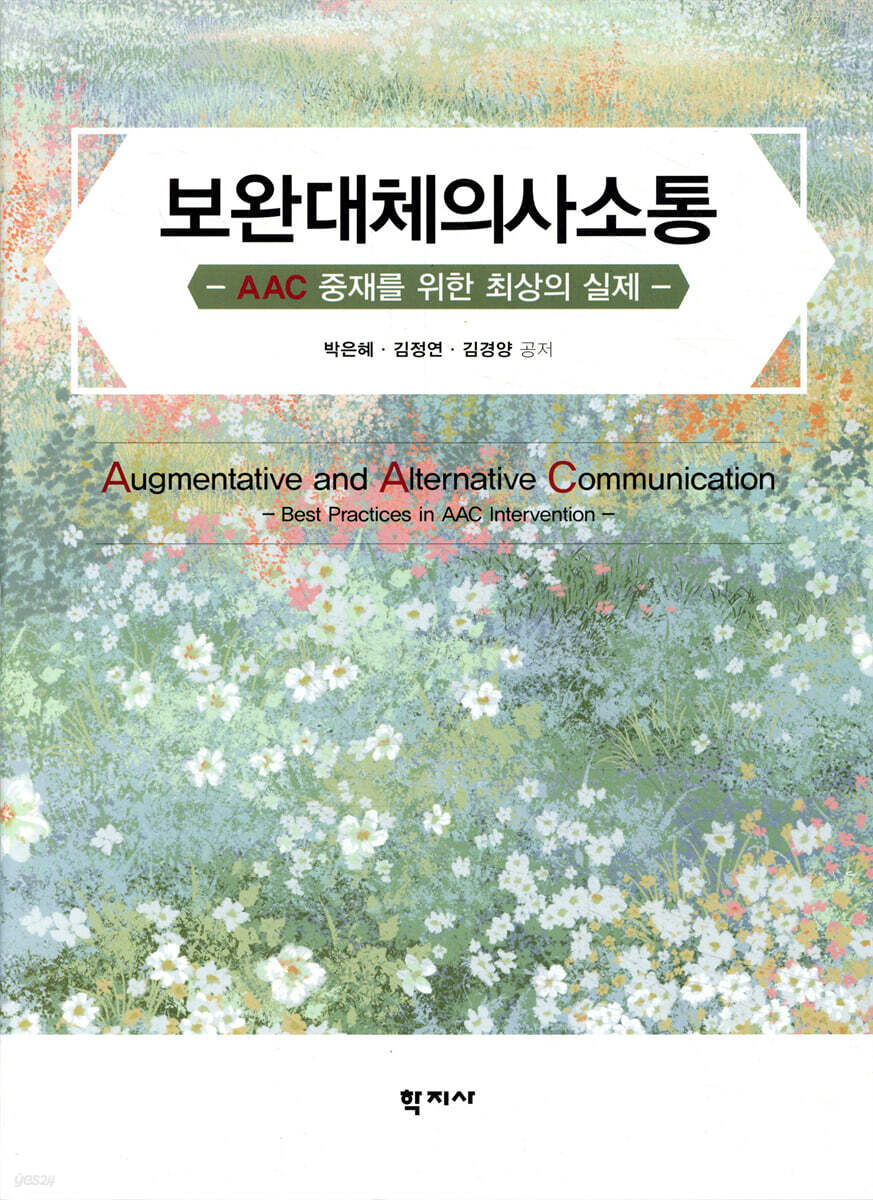
Augmentative and alternative communication
 |
Description
Book Introduction
『Augmentative and Alternative Communication』 has attempted to introduce as much information as possible, considering the current lack of systematic materials explaining AAC in Korea, and has summarized the following information that teachers should know when applying augmentative and alternative communication to students with disabilities who have communication difficulties.
The first part explains the important basics of AAC, including the concepts and components, as well as diagnosis, assessment, and teaching strategies for using AAC.
In Chapter 1, it is important to have a precise conceptual understanding of AAC, so we introduced recent trends along with explanations of its definition, application, and effectiveness.
Chapter 2 explains the various symbol systems, assistive devices, and expressive techniques used in AAC, and Chapter 3 examines in detail the diagnostic process that allows us to determine AAC components to suit the needs of individual subjects.
Chapters 4 through 8 present information related to the implementation of AAC education in schools.
Chapter 4 examined preparation and teaching strategies for AAC education, and Chapter 5 provided a detailed explanation of 'Sondam', a hand gesture symbol developed in Korea.
Since its first development in 2018, Sondam has been used nationwide.
Chapter 6 examined how to provide AAC education in schools, and Chapter 7 explained the use of AAC in inclusive education situations.
Chapter 8 introduces the use of AAC in literacy learning and the integration of AAC in subject education, which has been recently emphasized in school settings and research papers.
In the final section, we looked at other important AAC-related issues, including challenging behaviors, AAC, collaboration with families, and AAC support for adults with disabilities.
Chapter 9, Challenging Behaviors and AAC, explains how to implement AAC interventions for challenging behaviors in communicative function.
For students with disabilities who experience difficulties due to challenging behaviors, AAC is a very important and effective intervention.
Chapter 10 introduces collaboration with families, and the final Chapter 11 examines the need for AAC support for adults with communication disorders and current issues.
Communication support is crucial for the self-determination and independent living of people with communication disorders. However, AAC support for adults with disabilities is still very limited compared to school education.
The first part explains the important basics of AAC, including the concepts and components, as well as diagnosis, assessment, and teaching strategies for using AAC.
In Chapter 1, it is important to have a precise conceptual understanding of AAC, so we introduced recent trends along with explanations of its definition, application, and effectiveness.
Chapter 2 explains the various symbol systems, assistive devices, and expressive techniques used in AAC, and Chapter 3 examines in detail the diagnostic process that allows us to determine AAC components to suit the needs of individual subjects.
Chapters 4 through 8 present information related to the implementation of AAC education in schools.
Chapter 4 examined preparation and teaching strategies for AAC education, and Chapter 5 provided a detailed explanation of 'Sondam', a hand gesture symbol developed in Korea.
Since its first development in 2018, Sondam has been used nationwide.
Chapter 6 examined how to provide AAC education in schools, and Chapter 7 explained the use of AAC in inclusive education situations.
Chapter 8 introduces the use of AAC in literacy learning and the integration of AAC in subject education, which has been recently emphasized in school settings and research papers.
In the final section, we looked at other important AAC-related issues, including challenging behaviors, AAC, collaboration with families, and AAC support for adults with disabilities.
Chapter 9, Challenging Behaviors and AAC, explains how to implement AAC interventions for challenging behaviors in communicative function.
For students with disabilities who experience difficulties due to challenging behaviors, AAC is a very important and effective intervention.
Chapter 10 introduces collaboration with families, and the final Chapter 11 examines the need for AAC support for adults with communication disorders and current issues.
Communication support is crucial for the self-determination and independent living of people with communication disorders. However, AAC support for adults with disabilities is still very limited compared to school education.
index
preface
Chapter 1: AAC Overview
1.
communication
2.
Augmentative and alternative communication
3.
Communication competencies of augmentative and alternative communication users
4.
Domestic and international trends
Chapter 2 AAC Symbols, Tools, and Expressive Skills
1. AAC symbol
2. AAC tools
3. AAC expression technology
Chapter 3 AAC Diagnosis and Evaluation
1. Overview of AAC Diagnosis and Evaluation
2. AAC Diagnostic and Evaluation Model
3. AAC Diagnostic and Evaluation Procedures
4. AAC Diagnosis and Evaluation Cases
Chapter 4: Preparation and Teaching Strategies for AAC Training
1.
Early communication training
2. AAC teaching strategies
3.
Dialogue Partner Teaching Strategy
4.
Adjusting the communication environment
Chapter 5: Communication Education Using Hand Talk
1.
Introduction to the hand gesture system
2.
Korea's hand gesture system, 'Sondam'
3.
Communication guidance using hand gestures
4.
Conclusion
Chapter 6 AAC Education in Schools
1. AAC training purpose and objectives
2. Preparation for AAC training
3. Implement AAC training
4. AAC training performance review
5. AAC Class Case: Using a Fast Food Restaurant
6.
Assessing school members' awareness of AAC training
Chapter 7: Using AAC in Inclusive Education
1. Improving awareness of AAC
2.
Use in teaching and learning
3.
Use as a method to support social skills and communication
Chapter 8: Literacy Learning and Curriculum Instruction Using AAC
1. Participation in AAC training and curriculum
2. Literacy learning using AAC
3. Curriculum education using AAC
Chapter 9: Challenging Behaviors and AAC
1.
Functional assessment of behavior based on behavioral genesis principles
2.
Challenging Behaviors and AAC Interventions
3.
Considerations when Intervening in Challenging Behavior
4.
Case studies of AAC application in challenging behavior intervention
Chapter 10: Working with Families for AAC Education
1.
The need for AAC implementation at home
2.
Guiding Principles for Communication at Home
3.
Collecting and assessing communication information at home
4.
How to teach AAC at home
5.
Cases of collaboration with families
Chapter 11 AAC Support in Adulthood
1.
Challenges and Considerations for Adults with Disabilities
2.
Domestic and international communication support for adults with disabilities
3.
Adult-onset disorders that cause communication difficulties
4.
Adult Communication Support Services
5.
Case Study of Adult Communication Support Services
6.
Communication Rights and Communication Etiquette
References
Search
Chapter 1: AAC Overview
1.
communication
2.
Augmentative and alternative communication
3.
Communication competencies of augmentative and alternative communication users
4.
Domestic and international trends
Chapter 2 AAC Symbols, Tools, and Expressive Skills
1. AAC symbol
2. AAC tools
3. AAC expression technology
Chapter 3 AAC Diagnosis and Evaluation
1. Overview of AAC Diagnosis and Evaluation
2. AAC Diagnostic and Evaluation Model
3. AAC Diagnostic and Evaluation Procedures
4. AAC Diagnosis and Evaluation Cases
Chapter 4: Preparation and Teaching Strategies for AAC Training
1.
Early communication training
2. AAC teaching strategies
3.
Dialogue Partner Teaching Strategy
4.
Adjusting the communication environment
Chapter 5: Communication Education Using Hand Talk
1.
Introduction to the hand gesture system
2.
Korea's hand gesture system, 'Sondam'
3.
Communication guidance using hand gestures
4.
Conclusion
Chapter 6 AAC Education in Schools
1. AAC training purpose and objectives
2. Preparation for AAC training
3. Implement AAC training
4. AAC training performance review
5. AAC Class Case: Using a Fast Food Restaurant
6.
Assessing school members' awareness of AAC training
Chapter 7: Using AAC in Inclusive Education
1. Improving awareness of AAC
2.
Use in teaching and learning
3.
Use as a method to support social skills and communication
Chapter 8: Literacy Learning and Curriculum Instruction Using AAC
1. Participation in AAC training and curriculum
2. Literacy learning using AAC
3. Curriculum education using AAC
Chapter 9: Challenging Behaviors and AAC
1.
Functional assessment of behavior based on behavioral genesis principles
2.
Challenging Behaviors and AAC Interventions
3.
Considerations when Intervening in Challenging Behavior
4.
Case studies of AAC application in challenging behavior intervention
Chapter 10: Working with Families for AAC Education
1.
The need for AAC implementation at home
2.
Guiding Principles for Communication at Home
3.
Collecting and assessing communication information at home
4.
How to teach AAC at home
5.
Cases of collaboration with families
Chapter 11 AAC Support in Adulthood
1.
Challenges and Considerations for Adults with Disabilities
2.
Domestic and international communication support for adults with disabilities
3.
Adult-onset disorders that cause communication difficulties
4.
Adult Communication Support Services
5.
Case Study of Adult Communication Support Services
6.
Communication Rights and Communication Etiquette
References
Search
GOODS SPECIFICS
- Date of issue: June 20, 2024
- Format: Hardcover book binding method guide
- Page count, weight, size: 512 pages | 1,210g | 188*255*28mm
- ISBN13: 9788999731334
- ISBN10: 8999731332
You may also like
카테고리
korean


korean

![GQ KOREA Mark (Monthly): December [2025]](http://librairie.coreenne.fr/cdn/shop/files/8ef265dbbfbf186523ed75ba7319009d.jpg?v=1765340328&width=3840)


