

Age of Exploration
 |
Description
Book Introduction
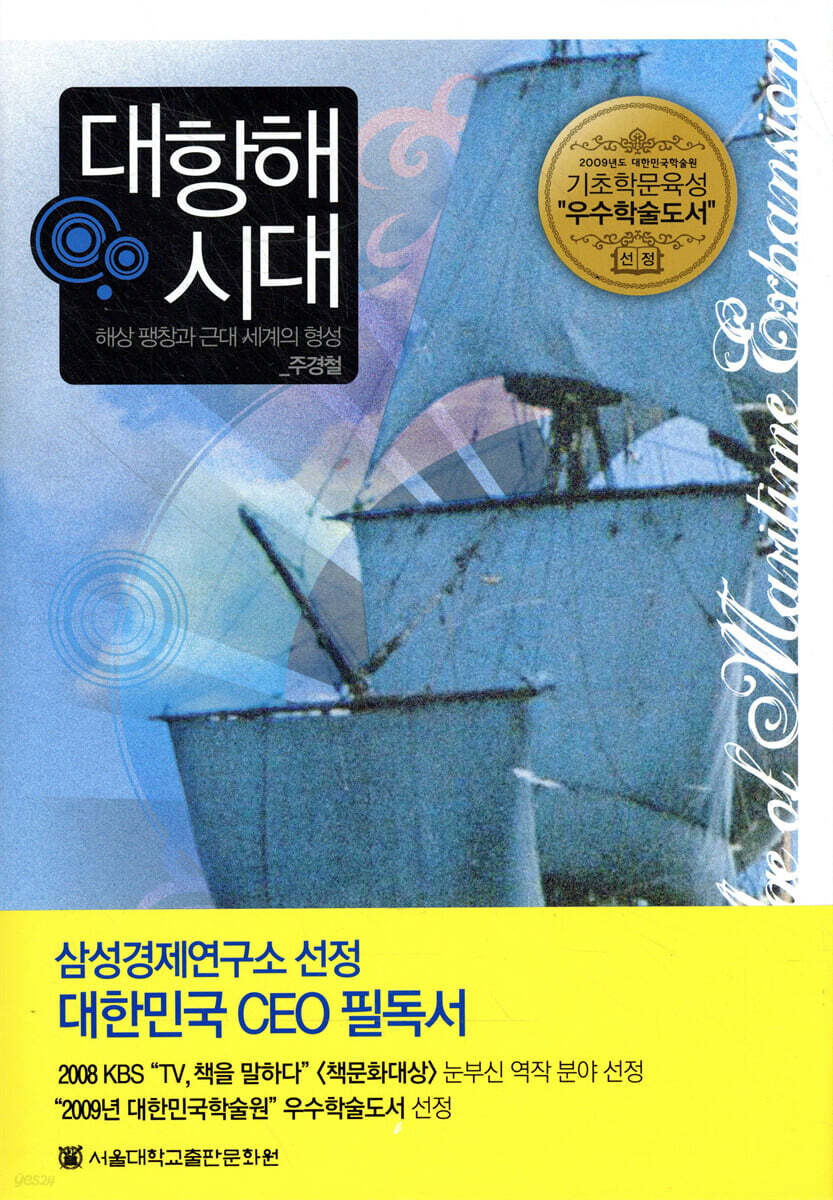
"The Age of Exploration" examines the world's maritime expansion from the most balanced perspective possible, offering a new perspective on modern world history through the development of the modern maritime world.
Until now, most history books have interpreted world history from the perspective of continental civilizations, primarily agricultural cultures.
The author focuses on the development of the modern maritime world, stating that regions that had developed in isolation began communicating with each other through sea routes, forming a global network.
Through this, people, goods, livestock, crops, and various ecosystem elements moved across vast oceans, and knowledge, information, ideas, and religions were exchanged.
However, this change did not simply mean a horizontal expansion of exchange.
Contact and communication soon led to conflict and domination, and furthermore, to the formation of a vertical structure in the world.
As peaceful exchanges took place, so too did armed conflicts, economic exploitation, environmental destruction, and religious persecution.
Through this complex and multifaceted process, a true world history or global history was born, in which the entire world merged into a single flow.
Based on the above perspective, the book examines the period from the 15th to the 18th centuries, when the basic framework of the world we live in today was formed, and examines how the history of this era influences the present day.
Until now, most history books have interpreted world history from the perspective of continental civilizations, primarily agricultural cultures.
The author focuses on the development of the modern maritime world, stating that regions that had developed in isolation began communicating with each other through sea routes, forming a global network.
Through this, people, goods, livestock, crops, and various ecosystem elements moved across vast oceans, and knowledge, information, ideas, and religions were exchanged.
However, this change did not simply mean a horizontal expansion of exchange.
Contact and communication soon led to conflict and domination, and furthermore, to the formation of a vertical structure in the world.
As peaceful exchanges took place, so too did armed conflicts, economic exploitation, environmental destruction, and religious persecution.
Through this complex and multifaceted process, a true world history or global history was born, in which the entire world merged into a single flow.
Based on the above perspective, the book examines the period from the 15th to the 18th centuries, when the basic framework of the world we live in today was formed, and examines how the history of this era influences the present day.
index
preface
Part 1: The Formation of the Modern World Structure
Chapter 1: World Expansion, World Imbalance
1.
Changes in the Asian maritime world
1) Asian seas before the 15th century
2) The pinnacle of China's maritime expansion: Zheng He's expedition (1405-1433)
3) The Chinese government's maritime retreat and the spread of overseas Chinese
4) Steensgaard's thesis
2.
The macrostructure of world history
1) Changes in the world's structure
2) Eurocentrism, global history, and world systems theory
3) Great Divergence
Chapter 2: Europe's Encounter with the World: Europe's Maritime Expansion
1.
Estado: Portugal's overseas empire
1) Portugal's Asian Business: Monarchy Capitalism
2) Crisis and Opportunity (1540-1580)
3) After 1580: Competition with the Netherlands and decline
2.
Empire and Plantation: Colonization of the Americas
1) Conquest
2) Colonial trade
3) Recession and Structural Change: Sugarcane and Gold
4) North American colonial settlements
3.
The Nation of State and Capital: From the East India Company to Empire
1) Dutch East India Company
2) The Dutch East India Company's trade in Asia
3) British East India Company
4) From trading company to empire building
Concluding Part 1: From Diaspora to Empire
Part 2: The Globalization of Violence
Chapter 3: The Inner World of the Modern Maritime World: Ships, Sailors, and Pirates
1.
Development of shipbuilding and navigation
1) 'Ships of the Desert' and Ships of the Sea: Land and Sea Transport
2) Development of ships
3) Size of the ship
4) The dangers of ocean voyages
2.
Sailor's World
1) Life on board
2) The lives of sailors
3) Discipline and violence on board
4) Sailors' Response: Sailors' Life and Culture
3.
The World of Pirates: A Counter-Order to Modern Capitalism
1) Classification of pirates
2) Pirate democracy?
3) Image of a pirate
conclusion
Chapter 4: Modern Violence, Violent Modernity: Military Revolution and European Expansion
1.
Military revolution
1) Development of the concept of military revolution
2) Development of European navies
3) Revision and criticism of the concept of 'military revolution'
2.
Military conflicts around the world
1) Superiority over other continents
2) Acceptance of military revolution
3) Development of military power and acceptance of military revolution
4) Comprehensive Review: The Case of the Marathas
5) Europe becomes the final winner
3.
Military issues and culture
1) Resetting the Problem: The Case of the Ottoman Empire
2) Division and concentration
3) Violence and Culture
4) Cases from Southeast Asia
5) The case of Mexico
6) Modern violence?
conclusion
Chapter 5: Global Circulation of Currency and Precious Metals
1.
Currency, Precious Metals, and the Modern World
1) America-Europe-Asia
2) America's gold and silver
2.
Precious metals of East Asia
1) Silver inflow and the Chinese economy
2) Japan's precious metal exports
3.
Copper, cowrie, and opium
1) Copper market in Southeast Asia
2) Kauri clams
3) Case of Yunnan Province
4) Opium: A monetary phenomenon
conclusion
Chapter 6: The Slave Trade: A Tragedy of the Modern World
1.
Slavery and the Slave Trade within Africa
1) Slave trade before the Atlantic slave trade
2) India and Persia
2.
The modern Atlantic slave trade
1) Numerical calculation
2) New data and new estimates
3) Slave trade business management
4) The interior of Africa
5) Middle voyage
3.
Slavery on Plantations and Colonies
1) Enslavement of the Indians
2) From white slaves to black slaves
3) Population composition
4) Slave-using societies: North American colonies and resistance
5) Liberation
conclusion
Part 3: Globalization and Localization of Culture
Chapter 7 Environment and Humans
1.
Biological exchange
1) Ecological imperialism
2) From the Old World to the New World
3) Criticism of Crosby
2.
global environmental destruction
1) Extinction
2) Deforestation
3) Changes in farming methods and deforestation
4) Overexploitation of animals
3.
Epidemic
1) McNeill's Law
2) Epidemics in America
3) The psychological and social impact of the epidemic
4) A special case: the problem of syphilis
5) Globalization of disease
Conclusion: A lonely and cruel monster?
Chapter 8: The Impact of Christianity: The Crisis of Society and the Crisis of Consciousness
1.
European evangelism style
1) Portugal and Spain
2) Missionary work
3) Is it a European religion or a world religion?
2.
Christianization of the Americas
1) Is there any reason why Indians should abandon their religion?
2) Conquest of the Empire: Sword and Religion
3) In the case of scattered Indians
4) Masochistic conduct
5) Eclecticism
6) Acceptance of Christianity
3.
Asia and Christianity
1) China
2) Japan
conclusion
Chapter 9: Cultural Exchange: Language, Food, and Science
1.
Linguistic changes
1) Language acquisition
2) Lingua Franca, Pidgin, Creole
3) Influence on various languages: Example of Portuguese
2.
Changes in food and daily life
1) Propagation of plants: the case of corn
2) Selective acceptance
3) The process and results of introducing new crops: The case of China
4) The establishment process of new crops
5) In search of ‘taste’
3.
Spread of science and technology
1) Indian Ayurvedic medicine and Western botany
2) Rankaku (蘭學) in Japan: The case of the "Kaitai Shinsho"
3) Exchange of Science and Technology: Interpretation
Epilogue
References
Search
Abstract
Part 1: The Formation of the Modern World Structure
Chapter 1: World Expansion, World Imbalance
1.
Changes in the Asian maritime world
1) Asian seas before the 15th century
2) The pinnacle of China's maritime expansion: Zheng He's expedition (1405-1433)
3) The Chinese government's maritime retreat and the spread of overseas Chinese
4) Steensgaard's thesis
2.
The macrostructure of world history
1) Changes in the world's structure
2) Eurocentrism, global history, and world systems theory
3) Great Divergence
Chapter 2: Europe's Encounter with the World: Europe's Maritime Expansion
1.
Estado: Portugal's overseas empire
1) Portugal's Asian Business: Monarchy Capitalism
2) Crisis and Opportunity (1540-1580)
3) After 1580: Competition with the Netherlands and decline
2.
Empire and Plantation: Colonization of the Americas
1) Conquest
2) Colonial trade
3) Recession and Structural Change: Sugarcane and Gold
4) North American colonial settlements
3.
The Nation of State and Capital: From the East India Company to Empire
1) Dutch East India Company
2) The Dutch East India Company's trade in Asia
3) British East India Company
4) From trading company to empire building
Concluding Part 1: From Diaspora to Empire
Part 2: The Globalization of Violence
Chapter 3: The Inner World of the Modern Maritime World: Ships, Sailors, and Pirates
1.
Development of shipbuilding and navigation
1) 'Ships of the Desert' and Ships of the Sea: Land and Sea Transport
2) Development of ships
3) Size of the ship
4) The dangers of ocean voyages
2.
Sailor's World
1) Life on board
2) The lives of sailors
3) Discipline and violence on board
4) Sailors' Response: Sailors' Life and Culture
3.
The World of Pirates: A Counter-Order to Modern Capitalism
1) Classification of pirates
2) Pirate democracy?
3) Image of a pirate
conclusion
Chapter 4: Modern Violence, Violent Modernity: Military Revolution and European Expansion
1.
Military revolution
1) Development of the concept of military revolution
2) Development of European navies
3) Revision and criticism of the concept of 'military revolution'
2.
Military conflicts around the world
1) Superiority over other continents
2) Acceptance of military revolution
3) Development of military power and acceptance of military revolution
4) Comprehensive Review: The Case of the Marathas
5) Europe becomes the final winner
3.
Military issues and culture
1) Resetting the Problem: The Case of the Ottoman Empire
2) Division and concentration
3) Violence and Culture
4) Cases from Southeast Asia
5) The case of Mexico
6) Modern violence?
conclusion
Chapter 5: Global Circulation of Currency and Precious Metals
1.
Currency, Precious Metals, and the Modern World
1) America-Europe-Asia
2) America's gold and silver
2.
Precious metals of East Asia
1) Silver inflow and the Chinese economy
2) Japan's precious metal exports
3.
Copper, cowrie, and opium
1) Copper market in Southeast Asia
2) Kauri clams
3) Case of Yunnan Province
4) Opium: A monetary phenomenon
conclusion
Chapter 6: The Slave Trade: A Tragedy of the Modern World
1.
Slavery and the Slave Trade within Africa
1) Slave trade before the Atlantic slave trade
2) India and Persia
2.
The modern Atlantic slave trade
1) Numerical calculation
2) New data and new estimates
3) Slave trade business management
4) The interior of Africa
5) Middle voyage
3.
Slavery on Plantations and Colonies
1) Enslavement of the Indians
2) From white slaves to black slaves
3) Population composition
4) Slave-using societies: North American colonies and resistance
5) Liberation
conclusion
Part 3: Globalization and Localization of Culture
Chapter 7 Environment and Humans
1.
Biological exchange
1) Ecological imperialism
2) From the Old World to the New World
3) Criticism of Crosby
2.
global environmental destruction
1) Extinction
2) Deforestation
3) Changes in farming methods and deforestation
4) Overexploitation of animals
3.
Epidemic
1) McNeill's Law
2) Epidemics in America
3) The psychological and social impact of the epidemic
4) A special case: the problem of syphilis
5) Globalization of disease
Conclusion: A lonely and cruel monster?
Chapter 8: The Impact of Christianity: The Crisis of Society and the Crisis of Consciousness
1.
European evangelism style
1) Portugal and Spain
2) Missionary work
3) Is it a European religion or a world religion?
2.
Christianization of the Americas
1) Is there any reason why Indians should abandon their religion?
2) Conquest of the Empire: Sword and Religion
3) In the case of scattered Indians
4) Masochistic conduct
5) Eclecticism
6) Acceptance of Christianity
3.
Asia and Christianity
1) China
2) Japan
conclusion
Chapter 9: Cultural Exchange: Language, Food, and Science
1.
Linguistic changes
1) Language acquisition
2) Lingua Franca, Pidgin, Creole
3) Influence on various languages: Example of Portuguese
2.
Changes in food and daily life
1) Propagation of plants: the case of corn
2) Selective acceptance
3) The process and results of introducing new crops: The case of China
4) The establishment process of new crops
5) In search of ‘taste’
3.
Spread of science and technology
1) Indian Ayurvedic medicine and Western botany
2) Rankaku (蘭學) in Japan: The case of the "Kaitai Shinsho"
3) Exchange of Science and Technology: Interpretation
Epilogue
References
Search
Abstract
Publisher's Review
Historical interpretations up to that point have been plagued by the problem of ‘Western-centrism.’
According to this, modern history is set as the construction of a world system in which Western European countries lead overseas expansion and seize hegemony.
But the actual course of history was different.
The modern world was not created by a single sphere of influence, but rather through the participation and mutual communication of global civilizations.
Of course, the process was unfortunately mostly violent, and globalization soon resulted in the 'globalization of violence'.
But within that flow, we can certainly find possibilities to enrich our spiritual and material lives.
According to this, modern history is set as the construction of a world system in which Western European countries lead overseas expansion and seize hegemony.
But the actual course of history was different.
The modern world was not created by a single sphere of influence, but rather through the participation and mutual communication of global civilizations.
Of course, the process was unfortunately mostly violent, and globalization soon resulted in the 'globalization of violence'.
But within that flow, we can certainly find possibilities to enrich our spiritual and material lives.
GOODS SPECIFICS
- Date of issue: March 10, 2008
- Format: Hardcover book binding method guide
- Page count, weight, size: 581 pages | 1,154g | 176*248*35mm
- ISBN13: 9788952108678
- ISBN10: 8952108671
You may also like
카테고리
korean


korean

![GQ KOREA Mark (Monthly): December [2025]](http://librairie.coreenne.fr/cdn/shop/files/8ef265dbbfbf186523ed75ba7319009d.jpg?v=1765340328&width=3840)


