

Letter to a Young Poet
 |
Description
Book Introduction
Rilke's Letter to the Poet's Eternal Youth
A steady seller by Professor Kim Jae-hyuk, an authority on Rilke studies.
Revised edition rediscovered in a new language
The revised edition of "Letters to a Young Poet" is a welcome arrival in a new language after 19 years, since it was first introduced with translation and commentary by Professor Kim Jae-hyeok of the German Language and Literature Department at Korea University, an authority on Rilke studies in Korea and a poet himself.
These ten letters between poet Rainer Maria Rilke and aspiring poet Franz Xaver Kappus are the quintessence of European epistolary literature, a text that resonates with every soul that loves poetry.
When first published in 2006, this book was the first to shed light on the man who first sent the letter, Franz Xaver Kappus, and it became a steady seller thanks to Professor Kim Jae-hyeok's thorough research of the original text and poetic translation.
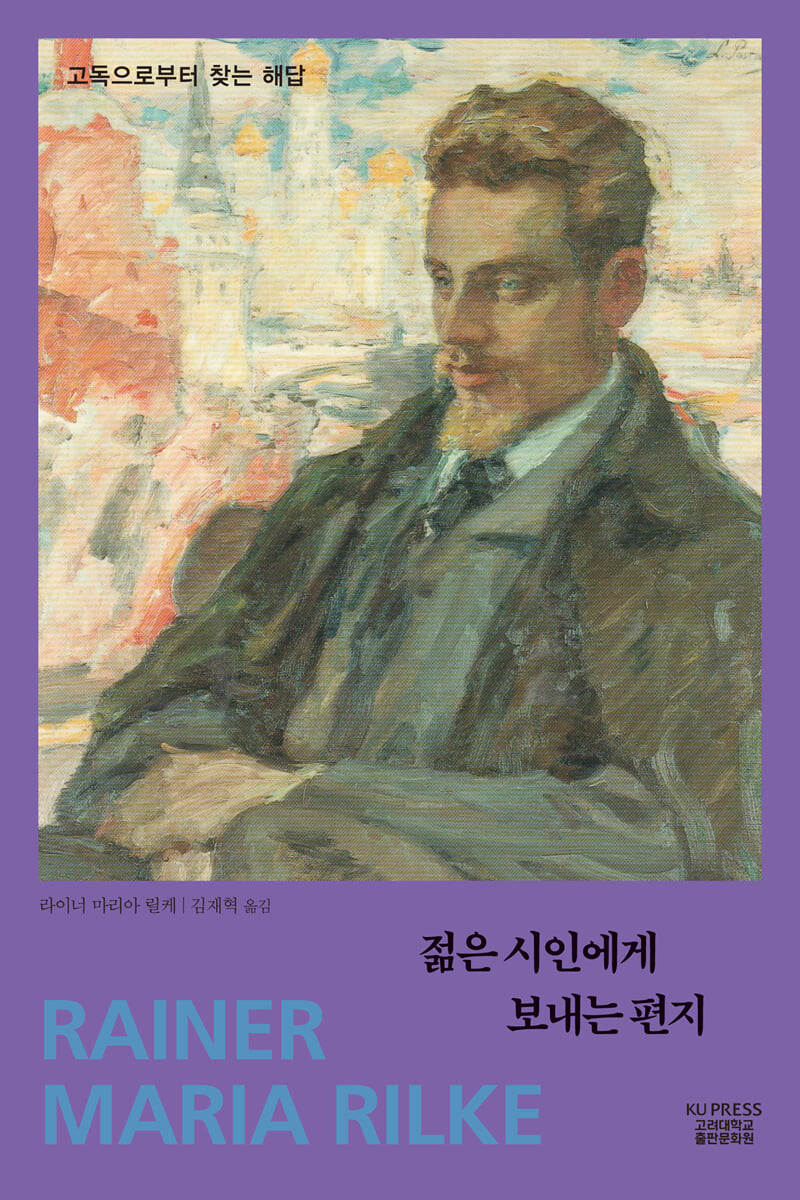
This revised edition, newly released for readers, includes photographs of the poet's younger days, adding vividness to the landscapes. Furthermore, it meticulously examines the original text, bringing it closer to the poet's original prose than previous editions.
Rilke, known as “the poet of solitude, wanderings, and roses or contradictions,” was also famous for writing letters almost every day throughout his life, to the extent that 7,000 of his letters were published in book form.
Among them, this collection of letters holds even more special value because it honestly conveys pure topics that cross life and literature, such as 'Why We Must Write Poetry,' 'The Essence of Art,' 'The Meaning of Solitude,' and 'True Love,' through ten letters exchanged with a young man who dreams of becoming a poet.
In the letters, Rilke goes beyond simply giving advice to aspiring poets as a poet, and approaches them with the voice of a serious friend who honestly shares his own life and philosophy.
These letters, which contain the poet's question, "If you could no longer write, ask yourself whether you would rather die," and the friend's consolation, "All feelings that gather your heart and lift you up are pure," offer the joy of opening a letter received directly from the great poet.
The poet's words that in order to sink into deep solitude and look within oneself for what is true, and to achieve true love, one must protect the other's solitude and embrace the things that are antithetical to life, serve as a milestone for all who ponder life.
This revised edition, which adds a newfound depth to Rilke's language after many years, will continue to be loved by young dreamers and provide profound reflections on poetry and life.
A steady seller by Professor Kim Jae-hyuk, an authority on Rilke studies.
Revised edition rediscovered in a new language
The revised edition of "Letters to a Young Poet" is a welcome arrival in a new language after 19 years, since it was first introduced with translation and commentary by Professor Kim Jae-hyeok of the German Language and Literature Department at Korea University, an authority on Rilke studies in Korea and a poet himself.
These ten letters between poet Rainer Maria Rilke and aspiring poet Franz Xaver Kappus are the quintessence of European epistolary literature, a text that resonates with every soul that loves poetry.
When first published in 2006, this book was the first to shed light on the man who first sent the letter, Franz Xaver Kappus, and it became a steady seller thanks to Professor Kim Jae-hyeok's thorough research of the original text and poetic translation.
This revised edition, newly released for readers, includes photographs of the poet's younger days, adding vividness to the landscapes. Furthermore, it meticulously examines the original text, bringing it closer to the poet's original prose than previous editions.
Rilke, known as “the poet of solitude, wanderings, and roses or contradictions,” was also famous for writing letters almost every day throughout his life, to the extent that 7,000 of his letters were published in book form.
Among them, this collection of letters holds even more special value because it honestly conveys pure topics that cross life and literature, such as 'Why We Must Write Poetry,' 'The Essence of Art,' 'The Meaning of Solitude,' and 'True Love,' through ten letters exchanged with a young man who dreams of becoming a poet.
In the letters, Rilke goes beyond simply giving advice to aspiring poets as a poet, and approaches them with the voice of a serious friend who honestly shares his own life and philosophy.
These letters, which contain the poet's question, "If you could no longer write, ask yourself whether you would rather die," and the friend's consolation, "All feelings that gather your heart and lift you up are pure," offer the joy of opening a letter received directly from the great poet.
The poet's words that in order to sink into deep solitude and look within oneself for what is true, and to achieve true love, one must protect the other's solitude and embrace the things that are antithetical to life, serve as a milestone for all who ponder life.
This revised edition, which adds a newfound depth to Rilke's language after many years, will continue to be loved by young dreamers and provide profound reflections on poetry and life.
index
Introduction_Franz Xaver Kappus
First Letter_Do I really have to write poetry?
Second Letter_On Irony
Third Letter: On Works of Art and Criticism
Fourth Letter_About the Castle
Fifth Letter_Life in Rome
Letter Six: On Solitude and God
Seventh Letter_About Love
Eighth Letter: On Pain and Its Healing
Ninth Letter_On Human Emotions
Letter 10: The World of Profession and Art as Life
Rainer Maria Rilke Chronology
Commentary: Reading Rilke's Letters According to the Seasons of Life
First Letter_Do I really have to write poetry?
Second Letter_On Irony
Third Letter: On Works of Art and Criticism
Fourth Letter_About the Castle
Fifth Letter_Life in Rome
Letter Six: On Solitude and God
Seventh Letter_About Love
Eighth Letter: On Pain and Its Healing
Ninth Letter_On Human Emotions
Letter 10: The World of Profession and Art as Life
Rainer Maria Rilke Chronology
Commentary: Reading Rilke's Letters According to the Seasons of Life
Into the book
Ask yourself in the quietest hour of the night you are facing:
'Do I really have to write?' Dig deep into your heart to find the answer that comes from deep within.
If the answer to this is yes, if you can answer this most serious question with the powerful and brief statement, 'I must write,' then build your life around this necessity.
Your life, even your most insignificant and insignificant moments, should be a sign and testimony to this aspiration.
---From "The First Letter"
If your current view is wrong, the natural growth of your inner life will slowly and over time lead you to a different perception.
Let your thoughts grow quietly on their own, undisturbed by anything around you.
Such growth, like all progress, must come from deep within, and cannot be forced or hurried by anything.
---From "The Third Letter"
Think of the world you hold in your heart.
Give any name you want to your thoughts like this.
It doesn't matter whether it's a recollection of your own childhood or a longing for your own future.
However, pay close attention to what arises within you and place it above everything else you see around you.
What happens deep within your heart is worthy of all your love.
---From "The Sixth Letter"
Speaking again about solitude, it becomes increasingly clear that solitude is fundamentally not something we can choose or abandon.
We are lonely beings.
We just fool ourselves and act as if it weren't so.
That's all there is to it.
But wouldn't it be far wiser to recognize that we are such lonely beings and to begin with that very premise?
'Do I really have to write?' Dig deep into your heart to find the answer that comes from deep within.
If the answer to this is yes, if you can answer this most serious question with the powerful and brief statement, 'I must write,' then build your life around this necessity.
Your life, even your most insignificant and insignificant moments, should be a sign and testimony to this aspiration.
---From "The First Letter"
If your current view is wrong, the natural growth of your inner life will slowly and over time lead you to a different perception.
Let your thoughts grow quietly on their own, undisturbed by anything around you.
Such growth, like all progress, must come from deep within, and cannot be forced or hurried by anything.
---From "The Third Letter"
Think of the world you hold in your heart.
Give any name you want to your thoughts like this.
It doesn't matter whether it's a recollection of your own childhood or a longing for your own future.
However, pay close attention to what arises within you and place it above everything else you see around you.
What happens deep within your heart is worthy of all your love.
---From "The Sixth Letter"
Speaking again about solitude, it becomes increasingly clear that solitude is fundamentally not something we can choose or abandon.
We are lonely beings.
We just fool ourselves and act as if it weren't so.
That's all there is to it.
But wouldn't it be far wiser to recognize that we are such lonely beings and to begin with that very premise?
---From "The Eighth Letter"
GOODS SPECIFICS
- Date of issue: June 20, 2025
- Format: Paperback book binding method guide
- Page count, weight, size: 144 pages | 142*212*13mm
- ISBN13: 9791169561136
You may also like
카테고리
korean


korean

![GQ KOREA Mark (Monthly): December [2025]](http://librairie.coreenne.fr/cdn/shop/files/8ef265dbbfbf186523ed75ba7319009d.jpg?v=1765340328&width=3840)


