

Mankiw's Core Economics
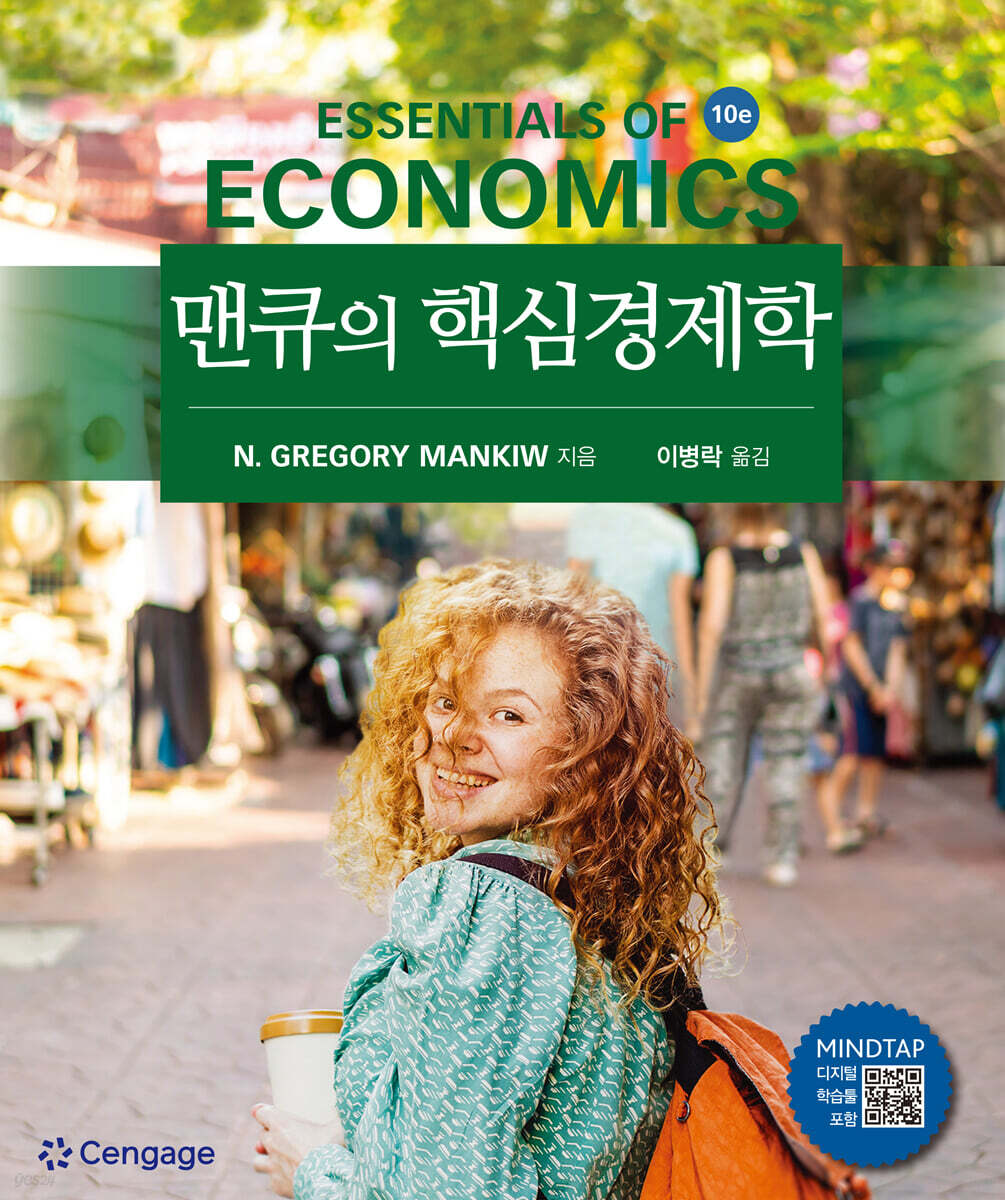 |
Description
Book Introduction
『Mankiw's Essential Economics』 is by N.
This is a translation of Essentials of Economics (10th edition) written by Professor Gregory Mankiw and consists of 24 chapters.
It is composed of key contents selected from Principles of Economics (10th edition).
Like Principles of Economics, it is a textbook widely used worldwide as an introductory economics book, and is well-organized in terms of both structure and content. In particular, the author's intention to explain and help students who are new to economics to understand economics logically and in a way that does not lose interest is evident throughout the book.
I tried to reflect the author's intention.
I believe that 'Current Affairs Economy' has selected and included content that readers can think about and infer from while reading about current economic issues, and I have tried to reflect this intention.
Unlike most textbooks, it includes a unique feature called the 'Economic Panel', which shows areas of agreement and disagreement among economists.
I think that through this, we are trying to enable readers to not only read the book but also organize their own thoughts and opinions without burdening them.
The FYIs included in all textbooks written by the author will also likely help readers organize and summarize concepts.
This is a translation of Essentials of Economics (10th edition) written by Professor Gregory Mankiw and consists of 24 chapters.
It is composed of key contents selected from Principles of Economics (10th edition).
Like Principles of Economics, it is a textbook widely used worldwide as an introductory economics book, and is well-organized in terms of both structure and content. In particular, the author's intention to explain and help students who are new to economics to understand economics logically and in a way that does not lose interest is evident throughout the book.
I tried to reflect the author's intention.
I believe that 'Current Affairs Economy' has selected and included content that readers can think about and infer from while reading about current economic issues, and I have tried to reflect this intention.
Unlike most textbooks, it includes a unique feature called the 'Economic Panel', which shows areas of agreement and disagreement among economists.
I think that through this, we are trying to enable readers to not only read the book but also organize their own thoughts and opinions without burdening them.
The FYIs included in all textbooks written by the author will also likely help readers organize and summarize concepts.
- You can preview some of the book's contents.
Preview
index
Part 1: Getting Started with Economics
Chapter 1: Ten Principles of Economics
Chapter 2 Thinking Like an Economist
Chapter 3: Gains from Interdependence and Trade
Part 2 How the Market Works
Chapter 4 Supply and Demand in the Market
Chapter 5 Resilience: Concepts and Applications
Chapter 6 Supply, Demand, and Government Policy
Part 3 Markets and Welfare
Chapter 7 Consumers, Producers, and Market Efficiency
Chapter 8 Application: Costs of Taxation
Chapter 9 Application: International Trade
Part 4 Public Sector Economics
Chapter 10 Externalities
Chapter 11 Public Goods and Common Resources
Part 5 Corporate Behavior and Industrial Organization
Chapter 12 Production Costs
Chapter 13 Firms in Competitive Markets
Chapter 14 Exclusive
Part 6 Macroeconomics Data
Chapter 15: Measuring National Income
Chapter 16 Measuring Living Expenses
Part 7: The Real Economy in the Long Run
Chapter 17 Production and Growth
Chapter 18 Savings, Investment, and Financial Systems
Chapter 19 Basic Financial Analysis Methods
Chapter 20 Unemployment
Part 8 Money and Prices in the Long Run
Chapter 21 Monetary System
Chapter 22 Money Growth and Inflation
Part 9: Short-Term Economic Fluctuations
Chapter 23 Aggregate Demand and Aggregate Supply Models
Chapter 24: The Impact of Monetary and Fiscal Policies on Aggregate Demand
Chapter 1: Ten Principles of Economics
Chapter 2 Thinking Like an Economist
Chapter 3: Gains from Interdependence and Trade
Part 2 How the Market Works
Chapter 4 Supply and Demand in the Market
Chapter 5 Resilience: Concepts and Applications
Chapter 6 Supply, Demand, and Government Policy
Part 3 Markets and Welfare
Chapter 7 Consumers, Producers, and Market Efficiency
Chapter 8 Application: Costs of Taxation
Chapter 9 Application: International Trade
Part 4 Public Sector Economics
Chapter 10 Externalities
Chapter 11 Public Goods and Common Resources
Part 5 Corporate Behavior and Industrial Organization
Chapter 12 Production Costs
Chapter 13 Firms in Competitive Markets
Chapter 14 Exclusive
Part 6 Macroeconomics Data
Chapter 15: Measuring National Income
Chapter 16 Measuring Living Expenses
Part 7: The Real Economy in the Long Run
Chapter 17 Production and Growth
Chapter 18 Savings, Investment, and Financial Systems
Chapter 19 Basic Financial Analysis Methods
Chapter 20 Unemployment
Part 8 Money and Prices in the Long Run
Chapter 21 Monetary System
Chapter 22 Money Growth and Inflation
Part 9: Short-Term Economic Fluctuations
Chapter 23 Aggregate Demand and Aggregate Supply Models
Chapter 24: The Impact of Monetary and Fiscal Policies on Aggregate Demand
GOODS SPECIFICS
- Date of issue: February 28, 2025
- Page count, weight, size: 708 pages | 215*255*40mm
- ISBN13: 9788962185713
- ISBN10: 8962185717
You may also like
카테고리
korean


korean

![ELLE 엘르 스페셜 에디션 A형 : 12월 [2025]](http://librairie.coreenne.fr/cdn/shop/files/b8e27a3de6c9538896439686c6b0e8fb.jpg?v=1766436872&width=3840)


