

Labor Law
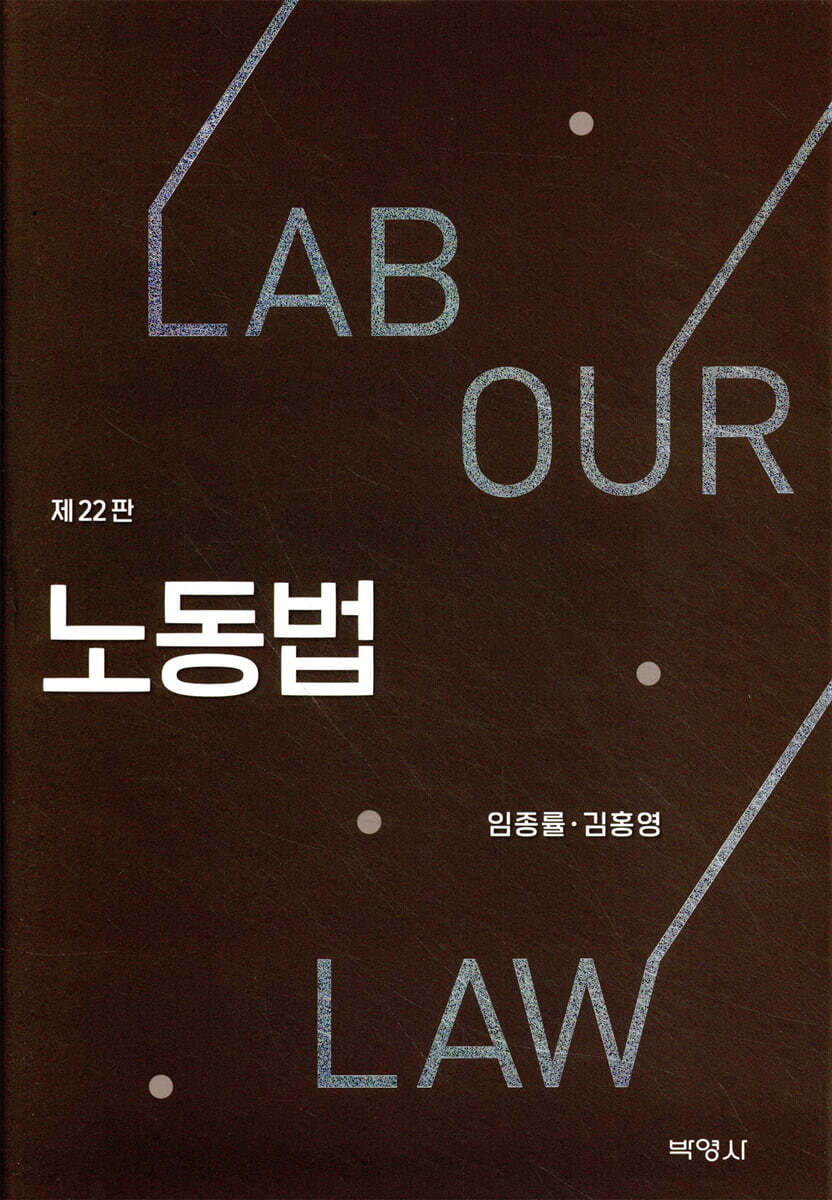 |
Description
Book Introduction
It's already been almost a year since the 21st edition was published.
In the meantime, there are quite a few laws that have been revised.
First, the Labor Standards Act was revised to strengthen regulations on wage arrears (excluding non-punishment of non-payment of wages without prior consent, special delay interest for non-payment during employment, compensation of three times the amount of unpaid wages, restrictions on participation in subsidies or construction bidding for habitual non-payment employers, etc.).
Second, in response to the social problem of low birth rates, the Labor Standards Act, the Equal Employment Opportunity Act, and the Employment Insurance Act were revised to expand childcare support (infertility treatment leave, reduced working hours during pregnancy, pre- and post-natal leave, spousal leave, childcare leave, reduced working hours during childcare, calculation of annual leave, etc.).
Third, the Industrial Safety and Health Act added health measures for heat waves and cold waves.
Accordingly, the 22nd edition faithfully reflects the contents of these revised laws.
In the meantime, there are quite a few laws that have been revised.
First, the Labor Standards Act was revised to strengthen regulations on wage arrears (excluding non-punishment of non-payment of wages without prior consent, special delay interest for non-payment during employment, compensation of three times the amount of unpaid wages, restrictions on participation in subsidies or construction bidding for habitual non-payment employers, etc.).
Second, in response to the social problem of low birth rates, the Labor Standards Act, the Equal Employment Opportunity Act, and the Employment Insurance Act were revised to expand childcare support (infertility treatment leave, reduced working hours during pregnancy, pre- and post-natal leave, spousal leave, childcare leave, reduced working hours during childcare, calculation of annual leave, etc.).
Third, the Industrial Safety and Health Act added health measures for heat waves and cold waves.
Accordingly, the 22nd edition faithfully reflects the contents of these revised laws.
index
Part 1 General Theory
Chapter 1: The Significance of Labor Law 3
Chapter 2 Labor Clause 19 of the Constitution
Chapter 3 Subjects of Rights and Obligations under Labor Law 35
Part 2 Collective Labor Relations Law
Chapter 1 Labor Unions 49
Section 1 Organizational Forms of Labor Unions 49
Section 2 Labor Union Protection Requirements 52
Section 3: Labor Union Operation 70
Section 4 Changes in Labor Union Organization 101
Chapter 2 Collective Bargaining 106
Section 1: The Significance of Collective Bargaining 106
Section 2 Subjects of Collective Bargaining 109
Section 3. Subjects of Collective Bargaining 126
Section 4: Methods of Collective Bargaining 136
Chapter 3 Collective Agreement 139
Section 1: The Meaning and Establishment of Collective Agreements 139
Section 2 Effect of Collective Agreements 146
Section 3 Application of Collective Agreements 165
Section 4. Effectiveness of Collective Agreements 175
Chapter 4: Labor Disputes and Union Activities 182
Section 1: The Concept of Industrial Action 182
Section 2: Labor Union Act Regulations on Industrial Disputes 188
Section 3 Legitimacy of Industrial Actions 207
Section 4: Unlawful Disputes and Legal Responsibility 223
Section 5. Industrial Disputes and Labor Contract Relationships 230
Section 6 Union Activities 238
Section 7: Closure of Workplaces 247
Chapter 5: Labor Dispute Mediation 254
Chapter 6 Unfair Labor Practices System 271
Section 1: The Significance of the Unfair Labor Practices System 271
Section 2 Requirements for Establishing Unfair Labor Practices 274
Section 3 Administrative Remedies for Unfair Labor Practices 301
Section 4 Criminal Sanctions and Civil Remedies for Unfair Labor Practices 316
Chapter 7: Solidarity Activities of Teachers and Civil Servants 322
Part 3 Individual Labor Relations Law
Chapter 1 Labor Standards Act 335
Chapter 2: The Foundations of Labor Relations Discipline 348
Section 1 Employment Contract 348
Section 2 Employment Rules 356
Section 3: Basic Principles of Labor Relations 373
Chapter 3: Establishment of Labor Relations 390
Chapter 4: Development of Labor Relations 403
Section 1 Wages 403
Section 2 Working Hours and Rest 435
Section 3 Safety and Health 487
Section 4 Disaster Compensation 493
Section 5: Personnel Transfers, Leaves of Absence, and Disciplinary Actions 520
Section 6 Change of Employer and Labor Relations 543
Chapter 5 Termination of Labor Relations 551
Section 1 Dismissal 551
Section 2. Reasons for Termination of Labor Relations Other Than Dismissal 576
Section 3 Legal Relations Following Termination of Labor Relations 587
Chapter 6: Children and Women 609
Chapter 7 Non-regular Workers 628
Chapter 8 Remedies for Unfair Dismissal, etc. and Correction of Discrimination 653
Part 4 Other Sections of Labor Law
Chapter 1: Labor Relations Commission System 673
Chapter 2 Labor-Management Consultation System 683
Chapter 3: Unemployment Benefits System 693
Chapter 1: The Significance of Labor Law 3
Chapter 2 Labor Clause 19 of the Constitution
Chapter 3 Subjects of Rights and Obligations under Labor Law 35
Part 2 Collective Labor Relations Law
Chapter 1 Labor Unions 49
Section 1 Organizational Forms of Labor Unions 49
Section 2 Labor Union Protection Requirements 52
Section 3: Labor Union Operation 70
Section 4 Changes in Labor Union Organization 101
Chapter 2 Collective Bargaining 106
Section 1: The Significance of Collective Bargaining 106
Section 2 Subjects of Collective Bargaining 109
Section 3. Subjects of Collective Bargaining 126
Section 4: Methods of Collective Bargaining 136
Chapter 3 Collective Agreement 139
Section 1: The Meaning and Establishment of Collective Agreements 139
Section 2 Effect of Collective Agreements 146
Section 3 Application of Collective Agreements 165
Section 4. Effectiveness of Collective Agreements 175
Chapter 4: Labor Disputes and Union Activities 182
Section 1: The Concept of Industrial Action 182
Section 2: Labor Union Act Regulations on Industrial Disputes 188
Section 3 Legitimacy of Industrial Actions 207
Section 4: Unlawful Disputes and Legal Responsibility 223
Section 5. Industrial Disputes and Labor Contract Relationships 230
Section 6 Union Activities 238
Section 7: Closure of Workplaces 247
Chapter 5: Labor Dispute Mediation 254
Chapter 6 Unfair Labor Practices System 271
Section 1: The Significance of the Unfair Labor Practices System 271
Section 2 Requirements for Establishing Unfair Labor Practices 274
Section 3 Administrative Remedies for Unfair Labor Practices 301
Section 4 Criminal Sanctions and Civil Remedies for Unfair Labor Practices 316
Chapter 7: Solidarity Activities of Teachers and Civil Servants 322
Part 3 Individual Labor Relations Law
Chapter 1 Labor Standards Act 335
Chapter 2: The Foundations of Labor Relations Discipline 348
Section 1 Employment Contract 348
Section 2 Employment Rules 356
Section 3: Basic Principles of Labor Relations 373
Chapter 3: Establishment of Labor Relations 390
Chapter 4: Development of Labor Relations 403
Section 1 Wages 403
Section 2 Working Hours and Rest 435
Section 3 Safety and Health 487
Section 4 Disaster Compensation 493
Section 5: Personnel Transfers, Leaves of Absence, and Disciplinary Actions 520
Section 6 Change of Employer and Labor Relations 543
Chapter 5 Termination of Labor Relations 551
Section 1 Dismissal 551
Section 2. Reasons for Termination of Labor Relations Other Than Dismissal 576
Section 3 Legal Relations Following Termination of Labor Relations 587
Chapter 6: Children and Women 609
Chapter 7 Non-regular Workers 628
Chapter 8 Remedies for Unfair Dismissal, etc. and Correction of Discrimination 653
Part 4 Other Sections of Labor Law
Chapter 1: Labor Relations Commission System 673
Chapter 2 Labor-Management Consultation System 683
Chapter 3: Unemployment Benefits System 693
Publisher's Review
Preface (22nd edition)
It's already been almost a year since the 21st edition was published.
In the meantime, there are quite a few laws that have been revised.
First, the Labor Standards Act was revised to strengthen regulations on wage arrears (excluding non-punishment of non-payment of wages without prior consent, special delay interest for non-payment during employment, compensation of three times the amount of unpaid wages, restrictions on participation in subsidies or construction bidding for habitual non-payment employers, etc.).
Second, in response to the social problem of low birth rates, the Labor Standards Act, the Equal Employment Opportunity Act, and the Employment Insurance Act were revised to expand childcare support (infertility treatment leave, reduced working hours during pregnancy, pre- and post-natal leave, spousal leave, childcare leave, reduced working hours during childcare, calculation of annual leave, etc.).
Third, the Industrial Safety and Health Act added health measures for heat waves and cold waves.
Accordingly, the 22nd edition faithfully reflects the contents of these revised laws.
Over the past year, many labor case laws have been passed.
In the 22nd edition, we have made every effort to introduce important case law (the concept and criteria for determining regular wages, the status of platform workers as workers under the Labor Standards Act, the criteria for business when determining the number of regular workers within the scope of application of the Labor Standards Act, the exclusion of the initial contractor from the wage protection of subcontracted workers, the mandatory nature of special provisions in the construction industry for wage protection, the meaning of management and supervisory workers who are excluded from the application of working hours, the prohibition of unfavorable treatment for exercising the right to stop work, the duty of consideration to support work-family balance, written specification of the working conditions of fixed-term workers, whether university part-time lecturers are ultra-short-term workers, the prohibition of discrimination against short-term workers, whether the non-allocation of welfare points constitutes ongoing discrimination, the working conditions in case of direct employment through illegal dispatch, the period for adding, changing, and disqualifying the respondent in an application for relief from unfair dismissal, the benefits of relief from unfair standby order, the meaning of worker monitoring equipment as a matter of discussion at the labor-management council, etc.).
In particular, 11 years after the previous full bench ruling of the Supreme Court, a new full bench ruling abolished the fixed standard regarding the concept and criteria for determining regular wages. Therefore, the relevant section was newly described to reflect this.
Meanwhile, while teaching using this book, I discovered several parts that needed further explanation, and I made appropriate revisions.
The author's previous views were also revised to reflect the intent of the legal revision and precedents (prohibition of unfavorable treatment for exercising the right to stop work, setting the employment contract period in case of direct employment during an illegal strike, etc.).
In addition, the Korean Labor Law Association also indicated the newly added key precedents (determination of wage status, status of contract workers as workers under the Labor Union Act, unfair labor practices of control intervention, etc.).
We promise to continue to supplement and revise this book to reflect changes in laws and precedents and academic research.
We welcome your candid questions, comments, or criticisms regarding the 22nd edition via e-mail to Hongyoung Kim (hongyoung@skku.edu).
I would like to express my gratitude to all those involved, including Deputy Editor Lee Seung-hyun of Park Young-sa, who worked diligently to publish the 22nd edition.
January 21, 2025
Lim Jong-ryul and Kim Hong-young
It's already been almost a year since the 21st edition was published.
In the meantime, there are quite a few laws that have been revised.
First, the Labor Standards Act was revised to strengthen regulations on wage arrears (excluding non-punishment of non-payment of wages without prior consent, special delay interest for non-payment during employment, compensation of three times the amount of unpaid wages, restrictions on participation in subsidies or construction bidding for habitual non-payment employers, etc.).
Second, in response to the social problem of low birth rates, the Labor Standards Act, the Equal Employment Opportunity Act, and the Employment Insurance Act were revised to expand childcare support (infertility treatment leave, reduced working hours during pregnancy, pre- and post-natal leave, spousal leave, childcare leave, reduced working hours during childcare, calculation of annual leave, etc.).
Third, the Industrial Safety and Health Act added health measures for heat waves and cold waves.
Accordingly, the 22nd edition faithfully reflects the contents of these revised laws.
Over the past year, many labor case laws have been passed.
In the 22nd edition, we have made every effort to introduce important case law (the concept and criteria for determining regular wages, the status of platform workers as workers under the Labor Standards Act, the criteria for business when determining the number of regular workers within the scope of application of the Labor Standards Act, the exclusion of the initial contractor from the wage protection of subcontracted workers, the mandatory nature of special provisions in the construction industry for wage protection, the meaning of management and supervisory workers who are excluded from the application of working hours, the prohibition of unfavorable treatment for exercising the right to stop work, the duty of consideration to support work-family balance, written specification of the working conditions of fixed-term workers, whether university part-time lecturers are ultra-short-term workers, the prohibition of discrimination against short-term workers, whether the non-allocation of welfare points constitutes ongoing discrimination, the working conditions in case of direct employment through illegal dispatch, the period for adding, changing, and disqualifying the respondent in an application for relief from unfair dismissal, the benefits of relief from unfair standby order, the meaning of worker monitoring equipment as a matter of discussion at the labor-management council, etc.).
In particular, 11 years after the previous full bench ruling of the Supreme Court, a new full bench ruling abolished the fixed standard regarding the concept and criteria for determining regular wages. Therefore, the relevant section was newly described to reflect this.
Meanwhile, while teaching using this book, I discovered several parts that needed further explanation, and I made appropriate revisions.
The author's previous views were also revised to reflect the intent of the legal revision and precedents (prohibition of unfavorable treatment for exercising the right to stop work, setting the employment contract period in case of direct employment during an illegal strike, etc.).
In addition, the Korean Labor Law Association also indicated the newly added key precedents (determination of wage status, status of contract workers as workers under the Labor Union Act, unfair labor practices of control intervention, etc.).
We promise to continue to supplement and revise this book to reflect changes in laws and precedents and academic research.
We welcome your candid questions, comments, or criticisms regarding the 22nd edition via e-mail to Hongyoung Kim (hongyoung@skku.edu).
I would like to express my gratitude to all those involved, including Deputy Editor Lee Seung-hyun of Park Young-sa, who worked diligently to publish the 22nd edition.
January 21, 2025
Lim Jong-ryul and Kim Hong-young
GOODS SPECIFICS
- Date of issue: February 15, 2025
- Format: Hardcover book binding method guide
- Page count, weight, size: 760 pages | 176*248*40mm
- ISBN13: 9791130349299
- ISBN10: 1130349292
You may also like
카테고리
korean


korean

![ELLE 엘르 스페셜 에디션 A형 : 12월 [2025]](http://librairie.coreenne.fr/cdn/shop/files/b8e27a3de6c9538896439686c6b0e8fb.jpg?v=1766436872&width=3840)


