

Programming Language Theory
 |
Description
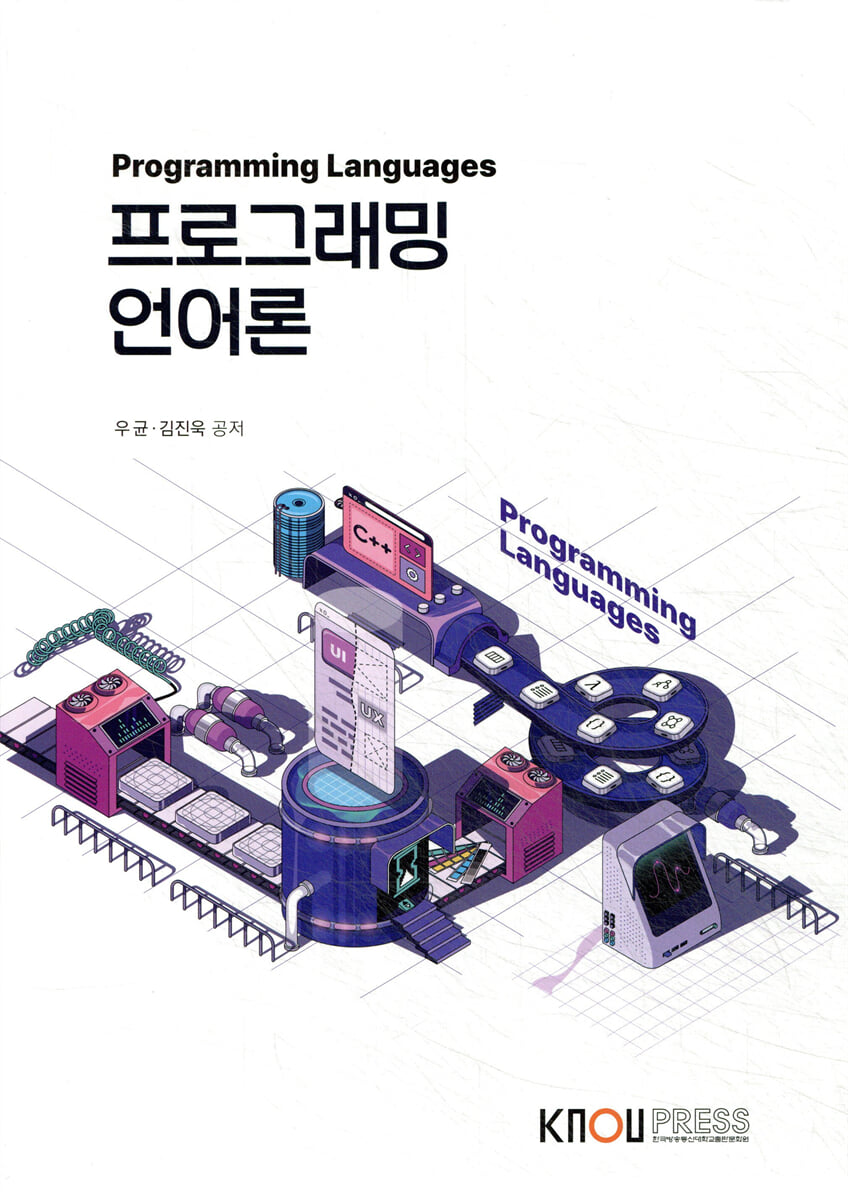
Book Introduction
The 'Programming Language Theory' course aims to develop a sense of programming languages themselves by covering their definitions, functions, and components.
This will make it easier to learn new languages, better understand the languages you already use, and ultimately make you a smarter language designer.
If you have any prior experience with any programming language, you will find this course much easier to follow.
Therefore, Python or C is recommended as a prerequisite subject.
However, this textbook does not assume any prerequisite subjects.
Therefore, I hope that even students unfamiliar with programming languages can develop a sense of familiarity by directly implementing the various examples covered in this textbook.
Words that are widely used by the general public eventually become standard language.
Likewise, programming languages evolve to include features that programmers frequently use and like.
So, as you read this textbook, I hope you think a lot about “What if I were in that situation?”
Therefore, it is the authors' humble hope that the readers of this textbook will be reborn as critical language designers and wise language designers.
This will make it easier to learn new languages, better understand the languages you already use, and ultimately make you a smarter language designer.
If you have any prior experience with any programming language, you will find this course much easier to follow.
Therefore, Python or C is recommended as a prerequisite subject.
However, this textbook does not assume any prerequisite subjects.
Therefore, I hope that even students unfamiliar with programming languages can develop a sense of familiarity by directly implementing the various examples covered in this textbook.
Words that are widely used by the general public eventually become standard language.
Likewise, programming languages evolve to include features that programmers frequently use and like.
So, as you read this textbook, I hope you think a lot about “What if I were in that situation?”
Therefore, it is the authors' humble hope that the readers of this textbook will be reborn as critical language designers and wise language designers.
index
Chapter 1: Introduction to Programming Languages
1.1 What is a Programming Language?
1.2 Features of Programming Languages
1.3 Components of a Programming Language
1.4 How to learn a programming language
Chapter 2: The Development and Operation of Programming Languages
2.1 Development of Programming Languages
2.2 Program Operation Principle
2.3 Evaluation criteria for programming languages
Chapter 3 Programming Language Paradigms
3.1 Programming Paradigm
3.2 Programming Language Paradigms
3.3 Program examples for various paradigms
3.4 Programming Languages and Programming Paradigms
Chapter 4 Syntax and Semantics
4.1 Syntax and Semantics
4.2 Expression of syntax
4.3 Expression of meaning
Chapter 5 Syntactic Analysis
5.1 Lexical Analysis
5.2 Paste tree
5.3 Ambiguity
Chapter 6: Implementation of Programming Languages
6.1 Programming Language Definition and Implementation
6.2 How to implement a programming language
6.3 Language Implementation in Practice
Chapter 7 Variables and Binding
7.1 Overview of Variables
7.2 Binding
7.3 Binding variables
Chapter 8: The Scope of Variables
8.1 Overview of the area
8.2 Area Rules
8.3 Namespaces
Chapter 9 Type
9.1 Type Overview
9.2 Type classification
9.3 Simple Type
Chapter 10 Composite Type
10.1 Column
10.2 String type
10.3 Associative Arrays and Hashing
10.4 Structures and Unions
10.5 Pointer and Reference Types
Chapter 11 Formulas
11.1 Overview of Formulas
11.2 Differences between formulas and sentences
11.3 Formulas and Operators
Chapter 12: Sentences
12.1 Declaration and Execution Statement
12.2 Introduction
12.3 Control Statements
Chapter 13 Subprogram Overview
13.1 Subprogram Concept
13.2 Passing parameters and arguments
13.3 Subprogram-Related Topics
Chapter 14: Implementing Subprograms
14.1 Subprogram Implementation Overview
14.2 Static and Dynamic Chains
14.3 How to implement other subprograms
Chapter 15 Object-Orientation and Polymorphism
15.1 Abstract Data Types
15.2 Objects and Classes
15.3 Polymorphism
1.1 What is a Programming Language?
1.2 Features of Programming Languages
1.3 Components of a Programming Language
1.4 How to learn a programming language
Chapter 2: The Development and Operation of Programming Languages
2.1 Development of Programming Languages
2.2 Program Operation Principle
2.3 Evaluation criteria for programming languages
Chapter 3 Programming Language Paradigms
3.1 Programming Paradigm
3.2 Programming Language Paradigms
3.3 Program examples for various paradigms
3.4 Programming Languages and Programming Paradigms
Chapter 4 Syntax and Semantics
4.1 Syntax and Semantics
4.2 Expression of syntax
4.3 Expression of meaning
Chapter 5 Syntactic Analysis
5.1 Lexical Analysis
5.2 Paste tree
5.3 Ambiguity
Chapter 6: Implementation of Programming Languages
6.1 Programming Language Definition and Implementation
6.2 How to implement a programming language
6.3 Language Implementation in Practice
Chapter 7 Variables and Binding
7.1 Overview of Variables
7.2 Binding
7.3 Binding variables
Chapter 8: The Scope of Variables
8.1 Overview of the area
8.2 Area Rules
8.3 Namespaces
Chapter 9 Type
9.1 Type Overview
9.2 Type classification
9.3 Simple Type
Chapter 10 Composite Type
10.1 Column
10.2 String type
10.3 Associative Arrays and Hashing
10.4 Structures and Unions
10.5 Pointer and Reference Types
Chapter 11 Formulas
11.1 Overview of Formulas
11.2 Differences between formulas and sentences
11.3 Formulas and Operators
Chapter 12: Sentences
12.1 Declaration and Execution Statement
12.2 Introduction
12.3 Control Statements
Chapter 13 Subprogram Overview
13.1 Subprogram Concept
13.2 Passing parameters and arguments
13.3 Subprogram-Related Topics
Chapter 14: Implementing Subprograms
14.1 Subprogram Implementation Overview
14.2 Static and Dynamic Chains
14.3 How to implement other subprograms
Chapter 15 Object-Orientation and Polymorphism
15.1 Abstract Data Types
15.2 Objects and Classes
15.3 Polymorphism
GOODS SPECIFICS
- Date of issue: July 25, 2025
- Page count, weight, size: 488 pages | 176*248*30mm
- ISBN13: 9788920052842
- ISBN10: 8920052840
You may also like
카테고리
korean


korean

![GQ KOREA Mark (Monthly): December [2025]](http://librairie.coreenne.fr/cdn/shop/files/8ef265dbbfbf186523ed75ba7319009d.jpg?v=1765340328&width=3840)


