

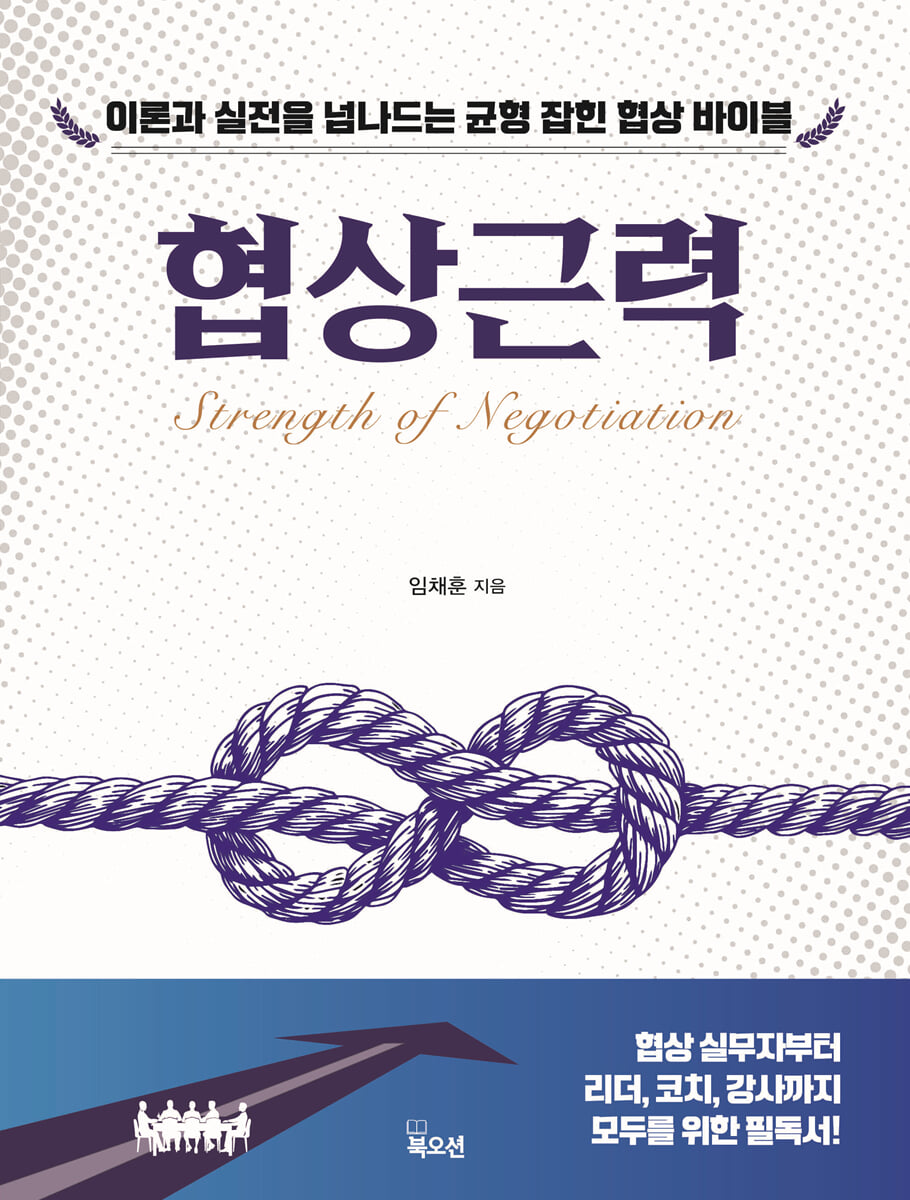
Negotiation skills
 |
Description
Book Introduction
Sungkyunkwan University's Negotiation Theory was selected as one of the "Top 10 Outstanding Professors of 2024"
The only book that clearly reveals Trump's negotiating strategy.
A Journey to Learn the Language of Negotiation
A negotiation bible that bridges theory and practice
"Negotiation Strength" informs readers that the essence of negotiation is not to "force the other party to surrender," but to solve problems together and create sustainable results.
The author, drawing on his direct experience and academic research over 30 years at Samsung Group, argues that negotiation is a core competency for all business and organizational operations.
Through the examples in the book, readers can see that negotiation is a process of understanding people and building trust.
Furthermore, it allows us to view negotiation not simply as a technique for maximizing profits, but as a strategic asset that enhances the long-term performance of organizations and individuals.
"Negotiation Power" explains that negotiation is not simply a power struggle or a transactional technique, but a strategic process that creates value and builds trust.
The author calls 'negotiation' not a game of chance but a 'skill of relationship management' and says that trust is the most powerful negotiating force.
In this way, 『Negotiation Power』 presents simple yet powerful principles in a concrete and systematic way so that they can be applied immediately in real-life situations.
The only book that clearly reveals Trump's negotiating strategy.
A Journey to Learn the Language of Negotiation
A negotiation bible that bridges theory and practice
"Negotiation Strength" informs readers that the essence of negotiation is not to "force the other party to surrender," but to solve problems together and create sustainable results.
The author, drawing on his direct experience and academic research over 30 years at Samsung Group, argues that negotiation is a core competency for all business and organizational operations.
Through the examples in the book, readers can see that negotiation is a process of understanding people and building trust.
Furthermore, it allows us to view negotiation not simply as a technique for maximizing profits, but as a strategic asset that enhances the long-term performance of organizations and individuals.
"Negotiation Power" explains that negotiation is not simply a power struggle or a transactional technique, but a strategic process that creates value and builds trust.
The author calls 'negotiation' not a game of chance but a 'skill of relationship management' and says that trust is the most powerful negotiating force.
In this way, 『Negotiation Power』 presents simple yet powerful principles in a concrete and systematic way so that they can be applied immediately in real-life situations.
- You can preview some of the book's contents.
Preview
index
preface
Chapter 1 Negotiation Basics
1.
Negotiation isn't about taking, it's about building together… 14
2.
What is Negotiation Strength and Why Is It Important? … 16
3.
The qualities of a great negotiator, professional expertise… 21
4.
Dress, Appearance, and Attitude: 25 Important Negotiator Attire
5.
The Power of Trust-Building: The Invisible Foundation of Negotiation Success… 29
6.
What should I prepare before negotiating? … 33
7.
How to Lead to a Successful Negotiation… 37
8.
The First Step to Good Negotiation: Observation… 41
9.
The Second Step to Good Negotiation: Listening… 45
10.
The Third Step in Good Negotiation: Asking Questions… 49
11.
Why is emotional control important during negotiations? … 53
12.
How to Deal with Difficult Negotiators… 59
13.
How to Deal with a Mean Opponent in Negotiation… 64
14.
Public relations campaigns, a negotiation strategy… 69
15.
The Ethical Issues and Risks of Public Opinion Warfare… 72
16.
Public Opinion Success Story: Netflix vs. Saudi Arabia Censorship Controversy… 74
17.
A failed public opinion campaign: McDonald's #McDStories campaign… 76
18.
Is negotiation about growing the pie or dividing it? … 79
19.
Negotiation is ultimately a process of resolving problems that both parties have… 84
Chapter 2 Deepening Negotiations
1.
Why Should You Know Negotiation Theory? … 90
2.
What are hard-line negotiations, soft-line negotiations, and principled negotiations? … 97
3.
The Five Negotiation Strategies of Lewicki-Higham: Competition, Avoidance, Accommodation, Cooperation, and Compromise… 103
4.
What are positions and interests, two of the key elements of negotiation? … 109
5.
How to Identify Hidden Interests in Negotiation Strategies? … 113
6.
The Impact of Setting a Rational Reference Point on Negotiation Outcomes… 117
7.
The First Step to Successful Negotiation: Setting Goals… 122
8.
Deepening Negotiation Goal Setting Case Study: Corporate Mergers and Acquisitions (M&A) … 127
9.
What is the Anchoring Effect? … 132
10.
High Ball and Low Ball Strategies in Negotiation… 137
11.
President Trump's Highball Strategy: Comparing His First and Second Terms… 143
12.
Why Trump Uses an "Unexpected" Highball Strategy? … 146
13.
What's an effective negotiating strategy to counter Trump's extreme highball tactics? … 150
14.
Why is the Zone of Possible Negotiations (ZOPA) Important? … 154
15.
How to determine the other party's minimum acceptance criteria… 160
16.
BATNA: The Power of Negotiation … 167
17.
BATNA Use Case: Apple and Intel Negotiations… 171
18.
What are the strategies for utilizing the Zone of Negotiation (ZOPA) based on the strength of the BATNA? … 175
19.
Strategically Using Deadlines in Negotiations: How to Wield a Double-Edged Sword… 179
20.
Setting Deadlines in Negotiations: A Case Study: Large-Scale Project Bidding and the "Final Offer Deadline"… 183
21.
Putnam's Two-Stage Game Theory: The Hidden Secret to Negotiation Success… 187
22.
The Dangerous Tug-of-War to Avoid in Chicken Game Negotiations… 192
23.
The Prisoner's Dilemma: The Paradox of 'Rational' Betrayal in Negotiation… 196
24.
Case Study: Peloponnese: "War and the Prisoner's Dilemma"… 202
25.
Bluffing Strategies: When Is It Effective? … 206
26.
Delay Strategy: Advanced Time Management Techniques… 211
27.
When is a Salami Strategy Necessary? … 217
28.
Nibbling: The "One More Bite" Technique at the End of a Negotiation… 221
29.
The Good Cop, Bad Cop Strategy: Sometimes You Need Two Faces… 225
30.
The Impact of Subjective Fairness Perceptions on Negotiation: Hidden Risks and Smart Responses… 229
31.
The Enemy of Negotiation Success: Overconfidence… 234
32.
Managing a Negotiator's Reputation: The Intangible Asset for Successful Negotiation… 239
33.
How to Selectively Use Top-Down, Bottom-Up, and Two-Track Strategies in Negotiation… 246
34.
Top-Down Negotiation Strategy: Nixon's Ping-Pong Diplomacy, Normalizing US-China Relations… 251
35.
Bottom-Up Negotiation Strategy: Toyota's Lean Production System… 256
36.
Two-Track Negotiation Strategy: Negotiations between the Colombian Government and the Revolutionary Armed Forces of Colombia (FARC)… 261
Chapter 3 Negotiation Cases
1.
Negotiation: Turning Experience into an Asset: The Importance of Learning from Successes and Failures… 268
2.
Real Estate Purchase Negotiation Case… 272
3.
Used Car Sales Negotiation Case Study… 279
4.
Negotiating a noise dispute between apartment floors… 285
5.
Marital Negotiation Case: Housework Division Negotiation… 292
6.
Salary Negotiation: Is It a Negotiable in Korea? … 300
7.
Salary Negotiation Case Study… 305
8.
Labor-Management Negotiations: The Art of Negotiation to Resolve Conflicts… 313
9.
Negotiating Supply Unit Prices with Suppliers: Case Studies and Strategy Analysis… 319
10.
Negotiating Strategic Alliances Between Businesses: Case Studies and Negotiation Strategies… 325
11.
Mergers and Acquisitions (M&A) Negotiations: Case Studies and Negotiation Strategies… 331
12.
Tariff Negotiations (1): Case Studies and Negotiation Strategies… 337
13.
Tariff Negotiations (2): Case Studies of Negotiations Between the US and China_Trump's First Term... 343
14.
Tariff Negotiations (3): Case Studies of Negotiations Between the US and China_Trump's Second Term… 349
15.
Environmental Regulation and Climate Change Negotiations: Case Studies and Negotiation Strategies… 354
16.
Border Dispute Resolution Negotiations: Case Studies and Negotiation Strategies… 360
17.
Hostage and Prisoner Exchange Negotiations: Case Studies and Negotiation Strategies… 366
18.
International Aid and Development Negotiations: Case Studies and Negotiation Strategies… 372
19.
Non-face-to-face negotiations (including video, phone, or email) … 379
20.
How to Respond When Your Opponent Frequently Breaks Promises or Responds Slowly in a Virtual Negotiation… 382
21.
How to Respond to Your Opponent's Intentional Delaying Strategies in Virtual Negotiations… 385
Chapter 1 Negotiation Basics
1.
Negotiation isn't about taking, it's about building together… 14
2.
What is Negotiation Strength and Why Is It Important? … 16
3.
The qualities of a great negotiator, professional expertise… 21
4.
Dress, Appearance, and Attitude: 25 Important Negotiator Attire
5.
The Power of Trust-Building: The Invisible Foundation of Negotiation Success… 29
6.
What should I prepare before negotiating? … 33
7.
How to Lead to a Successful Negotiation… 37
8.
The First Step to Good Negotiation: Observation… 41
9.
The Second Step to Good Negotiation: Listening… 45
10.
The Third Step in Good Negotiation: Asking Questions… 49
11.
Why is emotional control important during negotiations? … 53
12.
How to Deal with Difficult Negotiators… 59
13.
How to Deal with a Mean Opponent in Negotiation… 64
14.
Public relations campaigns, a negotiation strategy… 69
15.
The Ethical Issues and Risks of Public Opinion Warfare… 72
16.
Public Opinion Success Story: Netflix vs. Saudi Arabia Censorship Controversy… 74
17.
A failed public opinion campaign: McDonald's #McDStories campaign… 76
18.
Is negotiation about growing the pie or dividing it? … 79
19.
Negotiation is ultimately a process of resolving problems that both parties have… 84
Chapter 2 Deepening Negotiations
1.
Why Should You Know Negotiation Theory? … 90
2.
What are hard-line negotiations, soft-line negotiations, and principled negotiations? … 97
3.
The Five Negotiation Strategies of Lewicki-Higham: Competition, Avoidance, Accommodation, Cooperation, and Compromise… 103
4.
What are positions and interests, two of the key elements of negotiation? … 109
5.
How to Identify Hidden Interests in Negotiation Strategies? … 113
6.
The Impact of Setting a Rational Reference Point on Negotiation Outcomes… 117
7.
The First Step to Successful Negotiation: Setting Goals… 122
8.
Deepening Negotiation Goal Setting Case Study: Corporate Mergers and Acquisitions (M&A) … 127
9.
What is the Anchoring Effect? … 132
10.
High Ball and Low Ball Strategies in Negotiation… 137
11.
President Trump's Highball Strategy: Comparing His First and Second Terms… 143
12.
Why Trump Uses an "Unexpected" Highball Strategy? … 146
13.
What's an effective negotiating strategy to counter Trump's extreme highball tactics? … 150
14.
Why is the Zone of Possible Negotiations (ZOPA) Important? … 154
15.
How to determine the other party's minimum acceptance criteria… 160
16.
BATNA: The Power of Negotiation … 167
17.
BATNA Use Case: Apple and Intel Negotiations… 171
18.
What are the strategies for utilizing the Zone of Negotiation (ZOPA) based on the strength of the BATNA? … 175
19.
Strategically Using Deadlines in Negotiations: How to Wield a Double-Edged Sword… 179
20.
Setting Deadlines in Negotiations: A Case Study: Large-Scale Project Bidding and the "Final Offer Deadline"… 183
21.
Putnam's Two-Stage Game Theory: The Hidden Secret to Negotiation Success… 187
22.
The Dangerous Tug-of-War to Avoid in Chicken Game Negotiations… 192
23.
The Prisoner's Dilemma: The Paradox of 'Rational' Betrayal in Negotiation… 196
24.
Case Study: Peloponnese: "War and the Prisoner's Dilemma"… 202
25.
Bluffing Strategies: When Is It Effective? … 206
26.
Delay Strategy: Advanced Time Management Techniques… 211
27.
When is a Salami Strategy Necessary? … 217
28.
Nibbling: The "One More Bite" Technique at the End of a Negotiation… 221
29.
The Good Cop, Bad Cop Strategy: Sometimes You Need Two Faces… 225
30.
The Impact of Subjective Fairness Perceptions on Negotiation: Hidden Risks and Smart Responses… 229
31.
The Enemy of Negotiation Success: Overconfidence… 234
32.
Managing a Negotiator's Reputation: The Intangible Asset for Successful Negotiation… 239
33.
How to Selectively Use Top-Down, Bottom-Up, and Two-Track Strategies in Negotiation… 246
34.
Top-Down Negotiation Strategy: Nixon's Ping-Pong Diplomacy, Normalizing US-China Relations… 251
35.
Bottom-Up Negotiation Strategy: Toyota's Lean Production System… 256
36.
Two-Track Negotiation Strategy: Negotiations between the Colombian Government and the Revolutionary Armed Forces of Colombia (FARC)… 261
Chapter 3 Negotiation Cases
1.
Negotiation: Turning Experience into an Asset: The Importance of Learning from Successes and Failures… 268
2.
Real Estate Purchase Negotiation Case… 272
3.
Used Car Sales Negotiation Case Study… 279
4.
Negotiating a noise dispute between apartment floors… 285
5.
Marital Negotiation Case: Housework Division Negotiation… 292
6.
Salary Negotiation: Is It a Negotiable in Korea? … 300
7.
Salary Negotiation Case Study… 305
8.
Labor-Management Negotiations: The Art of Negotiation to Resolve Conflicts… 313
9.
Negotiating Supply Unit Prices with Suppliers: Case Studies and Strategy Analysis… 319
10.
Negotiating Strategic Alliances Between Businesses: Case Studies and Negotiation Strategies… 325
11.
Mergers and Acquisitions (M&A) Negotiations: Case Studies and Negotiation Strategies… 331
12.
Tariff Negotiations (1): Case Studies and Negotiation Strategies… 337
13.
Tariff Negotiations (2): Case Studies of Negotiations Between the US and China_Trump's First Term... 343
14.
Tariff Negotiations (3): Case Studies of Negotiations Between the US and China_Trump's Second Term… 349
15.
Environmental Regulation and Climate Change Negotiations: Case Studies and Negotiation Strategies… 354
16.
Border Dispute Resolution Negotiations: Case Studies and Negotiation Strategies… 360
17.
Hostage and Prisoner Exchange Negotiations: Case Studies and Negotiation Strategies… 366
18.
International Aid and Development Negotiations: Case Studies and Negotiation Strategies… 372
19.
Non-face-to-face negotiations (including video, phone, or email) … 379
20.
How to Respond When Your Opponent Frequently Breaks Promises or Responds Slowly in a Virtual Negotiation… 382
21.
How to Respond to Your Opponent's Intentional Delaying Strategies in Virtual Negotiations… 385
Into the book
Trust isn't built overnight; it's a precious asset that must be built steadily through sincerity and consistency.
Only when this trust is built can unnecessary conflicts in negotiations be reduced, smooth agreements be reached, and the door open to long-term cooperation that goes beyond short-term gains.
--- p.29
The most important thing in negotiation is not simple arguments or logical explanations, but rather asking the right questions to guide the other party to find the best answer on their own.
By learning and using effective questions, you can control the flow of negotiations and achieve better results.
--- p.52
The first offer made in a negotiation serves as an anchor that sets the scope for subsequent negotiations.
Generally, the more aggressive your initial offer, the more likely it is that the final agreement will be in your favor.
However, you must be careful as unrealistic proposals can cause the negotiations to break down.
--- p.82
The reference point, which is closely linked to the core concepts of Harvard Negotiation Theory, 'Objective Criteria' and 'BATNA', is one of the important factors that determine the success or failure of negotiation.
A reasonably set reference point is one of the most important factors that determines the success or failure of a negotiation.
A reasonably set reference point prevents negotiators from making unreasonable concessions, builds trust with the other party, and ultimately greatly increases the likelihood of reaching a mutually satisfactory outcome.
--- p.118
An offer that is too low can lower the potential benefits of the negotiation, while an offer that is too high can resent the other party or even cause the negotiation to break down.
It is important to place strategic first anchors within reasonable limits with a balanced perspective.
--- p.135
Negotiating parties must accurately understand the positive and negative impacts of deadlines, consider their own circumstances and the other party's strategies, set deadlines wisely, and develop effective strategies to respond to them to achieve successful negotiation outcomes.
--- p.182
Labor-management negotiations are not simply a confrontation, but a process for the company's workers to grow together.
The most important goal is to reach an amicable agreement through data-driven negotiations, a mutually beneficial approach, and the development of reasonable alternatives.
--- p.318
Tariff negotiations are not simply about adjusting taxes; they are crucial negotiations that involve a complex interplay of national trade policies, corporate competitiveness, and other factors.
Using creative negotiation strategies from Objective Dating can help you negotiate tariffs in your favor.
--- p.342
Environmental regulation and climate change negotiations are complex, intertwined issues involving international interests, economic realities, and industrial protection.
Ultimately, strategic negotiations that present realistic alternatives and consider mutual interests are essential, rather than simply maintaining a strong position.
Because climate change is a global issue that must be addressed jointly, a balanced approach with a long-term perspective is paramount in negotiations.
Only when this trust is built can unnecessary conflicts in negotiations be reduced, smooth agreements be reached, and the door open to long-term cooperation that goes beyond short-term gains.
--- p.29
The most important thing in negotiation is not simple arguments or logical explanations, but rather asking the right questions to guide the other party to find the best answer on their own.
By learning and using effective questions, you can control the flow of negotiations and achieve better results.
--- p.52
The first offer made in a negotiation serves as an anchor that sets the scope for subsequent negotiations.
Generally, the more aggressive your initial offer, the more likely it is that the final agreement will be in your favor.
However, you must be careful as unrealistic proposals can cause the negotiations to break down.
--- p.82
The reference point, which is closely linked to the core concepts of Harvard Negotiation Theory, 'Objective Criteria' and 'BATNA', is one of the important factors that determine the success or failure of negotiation.
A reasonably set reference point is one of the most important factors that determines the success or failure of a negotiation.
A reasonably set reference point prevents negotiators from making unreasonable concessions, builds trust with the other party, and ultimately greatly increases the likelihood of reaching a mutually satisfactory outcome.
--- p.118
An offer that is too low can lower the potential benefits of the negotiation, while an offer that is too high can resent the other party or even cause the negotiation to break down.
It is important to place strategic first anchors within reasonable limits with a balanced perspective.
--- p.135
Negotiating parties must accurately understand the positive and negative impacts of deadlines, consider their own circumstances and the other party's strategies, set deadlines wisely, and develop effective strategies to respond to them to achieve successful negotiation outcomes.
--- p.182
Labor-management negotiations are not simply a confrontation, but a process for the company's workers to grow together.
The most important goal is to reach an amicable agreement through data-driven negotiations, a mutually beneficial approach, and the development of reasonable alternatives.
--- p.318
Tariff negotiations are not simply about adjusting taxes; they are crucial negotiations that involve a complex interplay of national trade policies, corporate competitiveness, and other factors.
Using creative negotiation strategies from Objective Dating can help you negotiate tariffs in your favor.
--- p.342
Environmental regulation and climate change negotiations are complex, intertwined issues involving international interests, economic realities, and industrial protection.
Ultimately, strategic negotiations that present realistic alternatives and consider mutual interests are essential, rather than simply maintaining a strong position.
Because climate change is a global issue that must be addressed jointly, a balanced approach with a long-term perspective is paramount in negotiations.
--- p.359
Publisher's Review
《Negotiation Strength》 began as a process of finding an answer to the question the author had long pondered: “What is negotiation?”
However, this book does not remain an abstract discourse; it contains negotiation principles and implementation strategies that practitioners can immediately apply.
After reading "Negotiation Strength," "negotiation" will no longer be something you think of only in moments of crisis, but will be seen in a new light as an opportunity to create value.
Contrary to its name, “Negotiation Strength,” this book does not simply list rigid theories and terms.
"Negotiation Strength" conveys the essence of negotiation that anyone can relate to and utilize, drawing on the author's vivid field experience and expertise gained through academic research.
Readers will learn the language of negotiation naturally through everyday language, such as negotiating between floors over noise, housework, and salary.
For readers struggling today in the invisible battlefield of business, "Negotiation Strength" will serve as a practical and powerful weapon.
However, this book does not remain an abstract discourse; it contains negotiation principles and implementation strategies that practitioners can immediately apply.
After reading "Negotiation Strength," "negotiation" will no longer be something you think of only in moments of crisis, but will be seen in a new light as an opportunity to create value.
Contrary to its name, “Negotiation Strength,” this book does not simply list rigid theories and terms.
"Negotiation Strength" conveys the essence of negotiation that anyone can relate to and utilize, drawing on the author's vivid field experience and expertise gained through academic research.
Readers will learn the language of negotiation naturally through everyday language, such as negotiating between floors over noise, housework, and salary.
For readers struggling today in the invisible battlefield of business, "Negotiation Strength" will serve as a practical and powerful weapon.
GOODS SPECIFICS
- Date of issue: October 27, 2025
- Page count, weight, size: 388 pages | 170*224*30mm
- ISBN13: 9788967999025
- ISBN10: 896799902X
You may also like
카테고리
korean


korean

![ELLE 엘르 스페셜 에디션 A형 : 12월 [2025]](http://librairie.coreenne.fr/cdn/shop/files/b8e27a3de6c9538896439686c6b0e8fb.jpg?v=1766436872&width=3840)


