

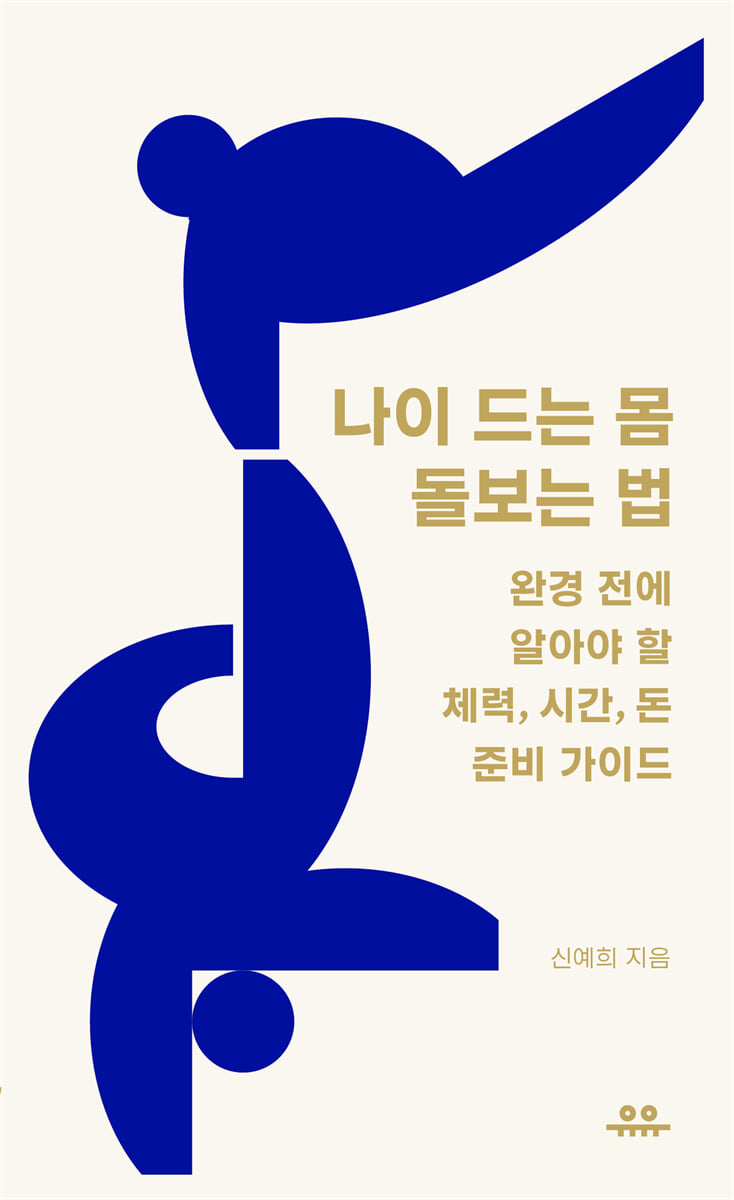
How to care for your aging body
 |
Description
Book Introduction
A story about a woman who takes good care of her body based on knowledge and awareness of female menopause.
Since the early 2000s, author Shin Ye-hee has been posting lists of "good items" (if something isn't good, I don't recommend it) online, gaining a warm response from women of all ages.
This book contains information worth sharing about his experiences and consumption while taking care of his body after menopause, as well as information that would have been better to know before menopause.
Until now, female menopause has tended to be dealt with within a somewhat typical framework.
Most of the episodes involved medical professionals with specialized knowledge providing information based on their diverse clinical experiences, or stories of patients 'overcoming' the period by receiving comfort from their children or spouses.
This book honestly covers the experiences of menopausal treatment at hospitals, changes in lifestyle and exercise, and the resulting costs and perceived effects, all from the perspective of a woman, not a medical professional or a parent, and offers suggestions to fellow women going through a similar period and to the next generation of women whose menopause is imminent.
Let's not neglect taking care of our aging bodies.
Menopause is not a depressing period that must be endured, but rather a time that can be enjoyed in a pleasant way.
This is a story that is necessary not only for women who cannot avoid menopause, but also for everyone for whom menopause is not someone else's story.
Since the early 2000s, author Shin Ye-hee has been posting lists of "good items" (if something isn't good, I don't recommend it) online, gaining a warm response from women of all ages.
This book contains information worth sharing about his experiences and consumption while taking care of his body after menopause, as well as information that would have been better to know before menopause.
Until now, female menopause has tended to be dealt with within a somewhat typical framework.
Most of the episodes involved medical professionals with specialized knowledge providing information based on their diverse clinical experiences, or stories of patients 'overcoming' the period by receiving comfort from their children or spouses.
This book honestly covers the experiences of menopausal treatment at hospitals, changes in lifestyle and exercise, and the resulting costs and perceived effects, all from the perspective of a woman, not a medical professional or a parent, and offers suggestions to fellow women going through a similar period and to the next generation of women whose menopause is imminent.
Let's not neglect taking care of our aging bodies.
Menopause is not a depressing period that must be endured, but rather a time that can be enjoyed in a pleasant way.
This is a story that is necessary not only for women who cannot avoid menopause, but also for everyone for whom menopause is not someone else's story.
- You can preview some of the book's contents.
Preview
index
Introduction - What did I do to be in menopause already?
1 I never thought I'd miss my period
2 Menopause without a cure: Starting full-scale treatment
3 Hormone medications, should I take them or not?
4. The essential item for menopause is none other than a savings account.
5. Exercise in middle age should be different.
6 Guide to Using the Gym to Improve Your Quality of Life
7 The power of hormones that wake up even sleeping nose hairs
8 Aging, I don't want to accept it yet
9 The pursuit of beauty during menopause
10 Where is the prime of life?
11 You think you know without even trying? It's dangerous.
The words that come out - It's a fight you're going to lose anyway, so you're overcoming it?
1 I never thought I'd miss my period
2 Menopause without a cure: Starting full-scale treatment
3 Hormone medications, should I take them or not?
4. The essential item for menopause is none other than a savings account.
5. Exercise in middle age should be different.
6 Guide to Using the Gym to Improve Your Quality of Life
7 The power of hormones that wake up even sleeping nose hairs
8 Aging, I don't want to accept it yet
9 The pursuit of beauty during menopause
10 Where is the prime of life?
11 You think you know without even trying? It's dangerous.
The words that come out - It's a fight you're going to lose anyway, so you're overcoming it?
Publisher's Review
Things to know in advance for a pleasant experience
All women experience menopause before they reach old age.
During that period, women experience various changes surrounding their bodies.
Sleep disorders, memory impairment, muscle pain, joint pain, sweating, nervousness, anxiety, depression, etc.
Many people thought that since it was something everyone had experienced, it would just pass.
However, in recent years, popular books have been published that closely examine the changes that occur in the body around menopause, and the voices of middle-aged women who do not put off cultivating their own lives have gathered together, leading to a significant change in awareness of women's health during menopause.
It's become somewhat common knowledge that aging women's bodies can develop unfamiliar symptoms that haven't been seen for 40 years, and that not all of these things are something to be endured, much less hidden or hush-hush. Most of them are normal menopausal symptoms that can be managed or treated.
However, women who have reached menopause are hesitant to take care of their bodies.
Although we have acquired proper knowledge and our perceptions have changed, we have rarely heard stories from women who have experience taking good care of their aging bodies.
"How to Take Care of Your Aging Body" is a story about a woman who truly takes care of her body based on knowledge and awareness of female menopause.
Since the early 2000s, author Shin Ye-hee has been posting lists of "good items" (if something is not good, I don't recommend it) online, receiving a lot of positive feedback from people.
This book contains information worth sharing about his experiences and consumption while taking care of his body after menopause, as well as information that would have been better to know before menopause.
Until now, women's menopause has tended to be treated within a somewhat typical framework.
Most of the episodes involved medical professionals with specialized knowledge providing information based on their diverse clinical experience, or stories of patients 'overcoming' the period by receiving comfort from their children or spouse.
This book honestly covers the experiences of menopausal treatment at hospitals, changes in lifestyle and exercise, and the resulting costs and perceived effects, all from the perspective of a woman, not a medical professional or a parent. It offers suggestions to fellow women going through a similar period and to the next generation of women whose menopause is imminent.
Let's not neglect taking care of our aging bodies.
Menopause is not a depressing period that must be endured, but rather a time that can be enjoyed in a pleasant way.
This is a story that is necessary not only for women who cannot avoid menopause, but also for everyone for whom menopause is not someone else's story.
The ins and outs of the aging body that are uncomfortable if you don't know, but understandable if you do know.
On Instagram and YouTube, there are so-called silver influencers, people who are admired as role models.
Not all of them, but most of them have the 'Cool Senior' award.
A slightly thin body that is neither sagging nor fat, a small head, neat and stylish white hair, a face without freckles, and a straight waist.
On the other hand, there are also 'common old people' statues that can be seen anywhere.
Similar hairstyles that seem to match, a reddish face, unkempt white hair, and the way he always grabs a toothpick after a meal, etc.
When I see an adult close to me, like a parent, acting like that, I sometimes think, "Why don't they pay more attention? There are many people who are neat and cool even when they're older," and sometimes I can't hold back those thoughts and just blurt them out.
As writer Shin Ye-hee observes her aging body as she goes through menopause, she recalls her past self.
I didn't know that the disappearance of female hormones would be such a huge deal, and I thought I would age naturally, but as soon as I reached menopause, the symptoms of aging began to appear one after another, as if I was falling off a cliff.
Just as it is the first time for menopause, most people will probably feel awkward about their own body aging.
It's not that you're being indifferent, but it's probably because your gums are losing elasticity without you even realizing it, your nose hairs are growing out due to hormones, and your face is turning red.
In this way, this book awakens those who have not yet experienced aging.
The frowning behavior of ordinary adults may not be because they are shameless or ignorant of modern manners, but because they have not had time to take care of the changes in their own bodies.
Now that you know, why don't you try to understand rather than feel uncomfortable?
As the 18th century Joseon Dynasty writer Yoo Han-jun said, if you know, you will see, and what you see then will not be the same as before.
I recommend this book to anyone who wants to change their perspective on older women and adults, who are aging in various ways, beyond the question of how to care for their own bodies as they age.
All women experience menopause before they reach old age.
During that period, women experience various changes surrounding their bodies.
Sleep disorders, memory impairment, muscle pain, joint pain, sweating, nervousness, anxiety, depression, etc.
Many people thought that since it was something everyone had experienced, it would just pass.
However, in recent years, popular books have been published that closely examine the changes that occur in the body around menopause, and the voices of middle-aged women who do not put off cultivating their own lives have gathered together, leading to a significant change in awareness of women's health during menopause.
It's become somewhat common knowledge that aging women's bodies can develop unfamiliar symptoms that haven't been seen for 40 years, and that not all of these things are something to be endured, much less hidden or hush-hush. Most of them are normal menopausal symptoms that can be managed or treated.
However, women who have reached menopause are hesitant to take care of their bodies.
Although we have acquired proper knowledge and our perceptions have changed, we have rarely heard stories from women who have experience taking good care of their aging bodies.
"How to Take Care of Your Aging Body" is a story about a woman who truly takes care of her body based on knowledge and awareness of female menopause.
Since the early 2000s, author Shin Ye-hee has been posting lists of "good items" (if something is not good, I don't recommend it) online, receiving a lot of positive feedback from people.
This book contains information worth sharing about his experiences and consumption while taking care of his body after menopause, as well as information that would have been better to know before menopause.
Until now, women's menopause has tended to be treated within a somewhat typical framework.
Most of the episodes involved medical professionals with specialized knowledge providing information based on their diverse clinical experience, or stories of patients 'overcoming' the period by receiving comfort from their children or spouse.
This book honestly covers the experiences of menopausal treatment at hospitals, changes in lifestyle and exercise, and the resulting costs and perceived effects, all from the perspective of a woman, not a medical professional or a parent. It offers suggestions to fellow women going through a similar period and to the next generation of women whose menopause is imminent.
Let's not neglect taking care of our aging bodies.
Menopause is not a depressing period that must be endured, but rather a time that can be enjoyed in a pleasant way.
This is a story that is necessary not only for women who cannot avoid menopause, but also for everyone for whom menopause is not someone else's story.
The ins and outs of the aging body that are uncomfortable if you don't know, but understandable if you do know.
On Instagram and YouTube, there are so-called silver influencers, people who are admired as role models.
Not all of them, but most of them have the 'Cool Senior' award.
A slightly thin body that is neither sagging nor fat, a small head, neat and stylish white hair, a face without freckles, and a straight waist.
On the other hand, there are also 'common old people' statues that can be seen anywhere.
Similar hairstyles that seem to match, a reddish face, unkempt white hair, and the way he always grabs a toothpick after a meal, etc.
When I see an adult close to me, like a parent, acting like that, I sometimes think, "Why don't they pay more attention? There are many people who are neat and cool even when they're older," and sometimes I can't hold back those thoughts and just blurt them out.
As writer Shin Ye-hee observes her aging body as she goes through menopause, she recalls her past self.
I didn't know that the disappearance of female hormones would be such a huge deal, and I thought I would age naturally, but as soon as I reached menopause, the symptoms of aging began to appear one after another, as if I was falling off a cliff.
Just as it is the first time for menopause, most people will probably feel awkward about their own body aging.
It's not that you're being indifferent, but it's probably because your gums are losing elasticity without you even realizing it, your nose hairs are growing out due to hormones, and your face is turning red.
In this way, this book awakens those who have not yet experienced aging.
The frowning behavior of ordinary adults may not be because they are shameless or ignorant of modern manners, but because they have not had time to take care of the changes in their own bodies.
Now that you know, why don't you try to understand rather than feel uncomfortable?
As the 18th century Joseon Dynasty writer Yoo Han-jun said, if you know, you will see, and what you see then will not be the same as before.
I recommend this book to anyone who wants to change their perspective on older women and adults, who are aging in various ways, beyond the question of how to care for their own bodies as they age.
GOODS SPECIFICS
- Date of issue: September 4, 2025
- Page count, weight, size: 138 pages | 122g | 115*188*7mm
- ISBN13: 9791167701336
You may also like
카테고리
korean


korean

![ELLE 엘르 스페셜 에디션 A형 : 12월 [2025]](http://librairie.coreenne.fr/cdn/shop/files/b8e27a3de6c9538896439686c6b0e8fb.jpg?v=1766436872&width=3840)


