

Miracle Diet
 |
Description
Book Introduction
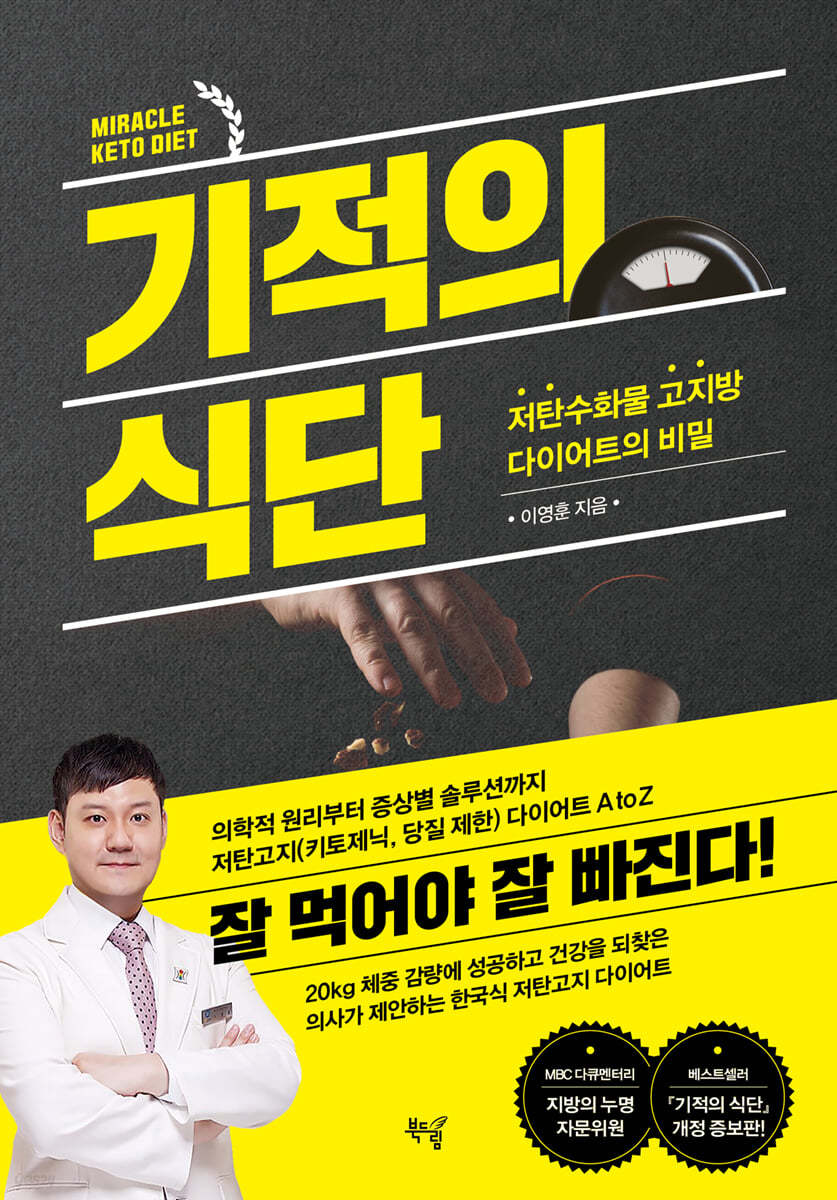
The "Miracle Diet" that Solves Your Health and Diet Concerns at Once
The key is not 'how much you eat' but 'what you eat'.
Almost all existing diets follow one premise.
“Eat less and exercise hard.”
But this premise is wrong.
Because our bodies don't operate on such simple addition and subtraction logic.
“Fat is the cause of obesity and adult diseases.
Therefore, to be healthy, you must eat a low-fat diet.” This seemingly obvious logic is also wrong.
Since the U.S. Department of Agriculture recommended a low-fat diet in the 1980s, it has become ingrained in our minds as a healthy diet that prevents obesity and adult diseases.
But is "fat" really the cause of obesity? If so, how can we understand the bizarre phenomenon of the obesity population continuing to rise despite the global adoption of low-fat diets for over 40 years? Just visit your local supermarket.
Doesn't every food have a low-fat label on it?
So what exactly was the problem? The short answer is fructose.
In other words, a diet that consumes excessive carbohydrates causes obesity and adult diseases.
So, how should you eat it? The answer is simple and clear.
First, cut down on carbs, then eat a little more good fats.
Reducing carbohydrates reduces inflammation in our bodies and improves our metabolism.
Fat is an efficient source of energy.
Therefore, eating fat improves metabolism and creates a healthy body that consumes a lot of energy.
Here's why eating well helps you lose weight.
Reducing bad foods and increasing good foods is the royal road to dieting and the core of a low-carb, high-fat diet (hereinafter referred to as a low-carb, high-fat diet).
There have already been quite a few books published on the effectiveness of low-carb, high-fat diets.
However, most of them are either practical methods derived from personal experiences or are limited to basic medical theories.
In contrast, 『The Miracle Diet』 goes beyond confirming the fragmentary knowledge that 'carbohydrates are bad for your health' and provides easy-to-understand explanations of scientific theories that may sound difficult, such as the effects of carbohydrates on our bodies and the changes that occur in our bodies when we consume good fats, allowing us to accurately understand the relationship between food and health, and food and diet.
What makes "The Miracle Diet" even more special is that it does not approach such rich content simply as theory and principles.
This is because the author, who has repeated countless diets and yo-yos, has successfully achieved both health and weight loss through diet alone, and as an ophthalmologist, he has generously incorporated his abundant know-how in treating patients with serious diseases and obesity, as well as the valuable information he has studied and developed with members while running the Naver [Low Carb High Fat Lifestyle] cafe for 5 years. This is the only low-carb, high-fat diet guidebook.
"The Miracle Diet" will be the ultimate guide to both health and diet for those struggling with chronic obesity and the yo-yo dieting cycle, those who have damaged their health through extreme dieting, and those who want to improve their eating habits for a healthier life.
The only low-carb, high-fat diet guidebook that gives up the easy way of misleading readers by only highlighting the diet's effects and accurately explains how to avoid falling into the trap of blindly pursuing a low-carb, high-fat diet for weight loss is "The Miracle Diet."
"Miracle Diet" fully considers the Korean diet, encompassing the experiences and errors of those who have tried low-carb, high-fat diets in Korea, as well as the best solutions developed in the process. This book will serve as a starting point for rewriting the history of healthy Korean meals, health common sense, and diet.
The key is not 'how much you eat' but 'what you eat'.
Almost all existing diets follow one premise.
“Eat less and exercise hard.”
But this premise is wrong.
Because our bodies don't operate on such simple addition and subtraction logic.
“Fat is the cause of obesity and adult diseases.
Therefore, to be healthy, you must eat a low-fat diet.” This seemingly obvious logic is also wrong.
Since the U.S. Department of Agriculture recommended a low-fat diet in the 1980s, it has become ingrained in our minds as a healthy diet that prevents obesity and adult diseases.
But is "fat" really the cause of obesity? If so, how can we understand the bizarre phenomenon of the obesity population continuing to rise despite the global adoption of low-fat diets for over 40 years? Just visit your local supermarket.
Doesn't every food have a low-fat label on it?
So what exactly was the problem? The short answer is fructose.
In other words, a diet that consumes excessive carbohydrates causes obesity and adult diseases.
So, how should you eat it? The answer is simple and clear.
First, cut down on carbs, then eat a little more good fats.
Reducing carbohydrates reduces inflammation in our bodies and improves our metabolism.
Fat is an efficient source of energy.
Therefore, eating fat improves metabolism and creates a healthy body that consumes a lot of energy.
Here's why eating well helps you lose weight.
Reducing bad foods and increasing good foods is the royal road to dieting and the core of a low-carb, high-fat diet (hereinafter referred to as a low-carb, high-fat diet).
There have already been quite a few books published on the effectiveness of low-carb, high-fat diets.
However, most of them are either practical methods derived from personal experiences or are limited to basic medical theories.
In contrast, 『The Miracle Diet』 goes beyond confirming the fragmentary knowledge that 'carbohydrates are bad for your health' and provides easy-to-understand explanations of scientific theories that may sound difficult, such as the effects of carbohydrates on our bodies and the changes that occur in our bodies when we consume good fats, allowing us to accurately understand the relationship between food and health, and food and diet.
What makes "The Miracle Diet" even more special is that it does not approach such rich content simply as theory and principles.
This is because the author, who has repeated countless diets and yo-yos, has successfully achieved both health and weight loss through diet alone, and as an ophthalmologist, he has generously incorporated his abundant know-how in treating patients with serious diseases and obesity, as well as the valuable information he has studied and developed with members while running the Naver [Low Carb High Fat Lifestyle] cafe for 5 years. This is the only low-carb, high-fat diet guidebook.
"The Miracle Diet" will be the ultimate guide to both health and diet for those struggling with chronic obesity and the yo-yo dieting cycle, those who have damaged their health through extreme dieting, and those who want to improve their eating habits for a healthier life.
The only low-carb, high-fat diet guidebook that gives up the easy way of misleading readers by only highlighting the diet's effects and accurately explains how to avoid falling into the trap of blindly pursuing a low-carb, high-fat diet for weight loss is "The Miracle Diet."
"Miracle Diet" fully considers the Korean diet, encompassing the experiences and errors of those who have tried low-carb, high-fat diets in Korea, as well as the best solutions developed in the process. This book will serve as a starting point for rewriting the history of healthy Korean meals, health common sense, and diet.
- You can preview some of the book's contents.
Preview
index
Starting with a low-carb diet: a process of loving myself · 4
Chapter 1
Diet Failure Isn't Your Fault · 14
01 Lifelong Diet · 22
02 Eat well to lose weight · 27
03 Encountering "The Local Stigma" · 31
04 What is a Low-Carb, High-Fat Diet? · 35
Dr. Lee's Advice: Are Low-Carb, High-Fat, Ketogenic, and Carbohydrate-Restricted Diets Different? · 37
Dr. Lee's Advice: 38 Promises to Keep After Deciding to Diet
Interview: Regaining Health with a Low-Carb, High-Fat Diet · 40
Chapter 2
The Low-Carb, High-Fat Diet That Turns Common Sense About Health Upside Down · 42
01 Will I really lose weight if I don't eat? · 50
Low-Calorie, Low-Fat Diets Are Wrong · 51
Low-calorie diets are a shortcut to ruining my body · 54
Dr. Lee's Advice: 57 Tips for a Successful Low-Carb, High-Fat Diet
02 The Cause of Weight Gain: Excess Carbohydrates · 58
Excessive Carbohydrate Intake and Insulin · 60
03 Building a Fat-Burning Body - The Effects of a Low-Carb, High-Fat Diet · 64
Ketones Are Not Dangerous · 67 | The Effects of a Low-Carb, High-Fat Diet · 69
04 Carbohydrates are sugar! · 71
The 'sugar' in fruit: fructose is worse · 72
Don't Fall into the Sugar-Free Trap · 74
Dr. Lee's Advice: The Brain Uses Both Glucose and Ketones for Energy · 77
Column: Let's Separate Our Children from the Party · 78
05 Fat-Gaining Hormones, Fat-Losing Hormones · 82
Insulin, the obesity hormone, and leptin, the weight-loss hormone · 84
06 Insulin Resistance is the Root of All Disease · 86
Excessive carbohydrate intake causes insulin resistance · 86
Insulin resistance causes diabetes · 89
Dr. Lee's Advice: Diabetes Medications Can Worsen Diabetes · 91
Insulin resistance causes fatty liver disease · 92
To prevent fatty liver disease, eat a low-carb, high-fat diet. · 93
07 Are Fat and Cholesterol Really Enemies of Health? · 97
The Fat Fraud: The Greatest Fraud in Medical History · 97
08 Our bodies need cholesterol · 104
Cholesterol Prevents Disease · 107
Dr. Lee's Advice: Low-Carb, High-Fat, and Cholesterol · 109
09 Fat is necessary for hormone metabolism · 110
Fat: The Key to Overcoming Stress and Chronic Fatigue · 110
Beat Adrenal Depletion with Good Fats · 113
Dr. Lee's Advice: Adrenal Healing · 115
Interview: Overcoming Obesity and Hair Loss with a Low-Carb, High-Fat Diet · 116
Chapter 3
There's no diet this enjoyable! · 118
01 Principles of Successful Low-Carb, High-Fat Diets · 120
Focus on health rather than excessive weight loss · 122
Carbohydrate restriction is a priority · 123
Let go of your aversion to fat · 126
Break free from the obsession with carbohydrate-to-fat ratio! ...
128
02 Step-by-step guide to a low-carb, high-fat diet · 130
Dr. Lee's Advice: Dr. Lee's 3-Step Low-Carb, High-Fat Roadmap · 132
03 What to Eat · 134
Dr. Lee's Advice: Get the Vitamins & Minerals from Animal Products · 142
Column_Be sure to check the nutritional information and ingredients label · 144
04 Dining Menu Guide · 146
Column_Korean Low-Carb, High-Fat Lifestyle · 150
05 What to Watch Out for · 154
Proteins That Are Important But Need to Be Careful · 154
Soybeans are NG, fermented soybean products are OK · 157
Kimchi is sufficiently fermented · 159
Avoid processed foods and alcohol as much as possible · 159
Coffee and tea are good low-carb, high-fat drinks… but stick to the two-cup limit · 161
Beware of Seasonings and Sauces · 164
Dr. Lee's Advice: Is a Low-Carb, High-Fat Diet Possible with Just Butter and Butter Coffee? · 165
Dr. Lee's Advice: Remember the 3-7-7 Rule to Lose Weight · 166
06 How to Eat · 168
Distinguishing between main and secondary meals · 168
Consume plenty of salt and water · 171
Symptoms You May Experience Early on a Diet · 173
Be careful not to repeat ketosis-in/out cycles · 175
Stage 1: Adaptation Period (3 days to 2 weeks) · 176
Phase 2 Fat Metabolism (2 weeks to 3 months or more) · 177
Maintaining a Low-Carb, High-Fat Lifestyle in Step 3 · 179
Dr. Lee's Advice: Low-Carb, High-Fat Diets for Seniors · 181
Column: Does a Low-Carb Diet Disrupt the Omega-3 to Omega-6 Ratio? · 182
07 Low-Carb, High-Fat Diet: Are You Doing It Right? · 186
Blood Ketone Test · 187
Urine Ketone Strip Test · 189
Exhaled Acetone Measurement Test Method · 189
Dr. Lee's Advice: A Guide to a Low-Carb Diet for Diabetics · 192
Interview: Low-Carb, High-Fat Diets Are the Answer for Children's Rhinitis and Atopic Dermatitis! · 194
Interview: Defeating Autoimmune Disease with a Low-Carb, High-Fat Diet · 196
Chapter 4
Low-Carb, High-Fat Diets and Gut Health · 198
Chapter 1: Health is Body Health · 208
Chew Properly for Gut Health · 209
Maintaining Gut Health with a Korean-Style Low-Carb, High-Fat Diet · 212
Column_18 Habits for a Stronger Gut · 216
02 The Microbiome: What Determines the Intestinal Environment · 222
Is Meat Consumption Really Harmful to Your Microbiome? · 224
Low-Carb Diet and the Microbiome · 226
Dr. Lee's Advice: Focus on MAC for a Healthy Gut Environment · 229
03 Low-Carb, High-Fat Diet Tips for Managing Sensitive Intestines · 230
Frequent bathroom trips: Carbohydrates are the problem · 230
Beware of Carbohydrates: The Main Cause of Intestinal Trouble and Acid Reflux · 231
When you have severe intestinal problems, first reduce your vegetable intake. · 233
Develop habits that reduce irritable bowel syndrome · 236
Chapter 4: Carnivore Diet · 237
Who is the Carnivore Diet Suitable for? · 237
The Benefits and Precautions of the Carnivore Diet · 239
Dr. Lee's Advice: Nutrients You May Be Lacking in Plant-Based Foods · 241
Column: Representative Antinutrients in Vegetables · 242
05 Causes and Solutions of Allergies · 244
Cause of Allergies 1: When the Immune System Collapses · 244
Cause of Allergies 2: Estrogen Dominance Symptoms That Don't Go Away · 246
Chapter 3: Causes of Allergies · If you have conditions that cause a lot of histamine secretion · 247
Causes of Allergies 4: Problems with Food Ingredients or Cooking Methods · 248
5 Causes of Allergies: Delayed Onset Allergies · 250
06 Delayed Onset Allergies and Leaky Gut Syndrome · 253
Chapter 5
Mindfulness and Fasting · 256
01 Low-carb diet becomes more difficult as you go · 258
Low-Carb, High-Fat Diet: Underestimating It Could Lead to a Big Headache · 260
02 Listen to Your Body · 263
It's all about attitude · 264
Low-Carb Mindfulness · 266
03 Let's Make Mindful Eating a Part of Our Lives · 269
When you feel truly hungry, eat until you feel full. · 269
Focus only on eating during mealtimes · 270
Dr. Lee's Advice: Overcoming Diet Boredom! · 272
04 Low-Carb, High-Fat, and Fasting 01 Fasting and Autophagy · 274
The Difference Between Starvation and Fasting · 275
05 Low-Carb, High-Fat, and Fasting 02 Fasting: Its Amazing Effects · 278
06 Low-Carb Diet and Fasting 03 All the Fasting in the World · 282
Types of Fasting and Precautions · 282
Dr. Lee's Advice: Using Single-Day Methods · 289
07 Low-Carb, High-Fat, and Fasting 04 How to Maximize the Effects of Fasting · 290
08 Low-Carb, High-Fat, and Fasting 05 Low-Carb, High-Fat, and Fasting Are a Perfect Match · 294
Low-Carb Diet and Autophagy · 295
Do as much as you can, not just strict rules! · 296
Dr. Lee's Advice: Tips for a Successful Fast · 299
Interview: Experiencing a Miracle with a Low-Carb Diet · 300
Chapter 6
Treating Disease with a Low-Carb Diet · 302
01 Healthy Thyroid and Adrenal Glands, Balanced Autonomic Nervous System · 304
The biggest cause of hypothyroidism is adrenal stress. · 305
Things to Consider If You Have Thyroid Problems · 308
Dr. Lee's Advice: Find and Resolve the Source of Stress · 313
Column_The Story of Bile: Important for Detoxification · 314
02 Women and Low-Carb, High-Fat Diets · 316
Let's wait without rushing our bodies, which have been overworked. · 318
Let's eat a flexible, low-carb, high-fat diet that suits your body's physiology. · 320
Slowly and steadily, you must look far ahead to achieve weight loss success · 321
The first thing you need to shake off is 'obsession' · 322
03 Low-Carb, High-Fat Diet to Relieve Menstrual and Pregnancy Stress · 324
The Impact of Insulin Resistance on Menstruation and Pregnancy · 325
How Stress and Gut Problems Affect Menstruation · 326
Low-Carb, High-Fat Diet to Relieve Menstrual Cramps · 329
04 Pregnant Women and Low-Carb, High-Fat Diets · 331
05 Carbohydrates Damage Your Eyes 01 Low-Carb, High-Fat Diets and Eye Disease · 334
Cataracts, Glycation of the Lens · 334
Macular degeneration, where advanced glycation end products (AGEs) adhere to the retina · 336
Inflammation and Circulatory Disorders Causing Glaucoma · 337
06 Carbohydrates Damage Your Eyes 02 Low-Carb, High-Fat Diet Prevents Myopia and Presbyopia · 340
Insulin Resistance as a Cause of Myopia · 340
Excessive Carbohydrate Consumption Causes Presbyopia · 341
07 Carbohydrates Wreak Havoc on Your Eyes 03 Dry Eyes · 344
Dry Eye is a Consequence, Not a Cause! · 344
08 Carbohydrates Ruin Your Eyes 04 Eye Inflammation and Low-Carb, High-Fat Diets · 349
My child blinks. Could it be a tic? · 349
Uveitis Treatment Starts in the Gut · 352
09 Treating Patients with a Low-Carb, High-Fat Diet · 353
Treatment of Uveitis in a Diabetic Patient Facing Blindness · 353
Diabetic Retinopathy Is Reversible · 354
Treating Diabetes in a Patient with Stye · 356
A patient who stopped needing diabetes medication after a month...
· 357
Autistic child's hyperactivity was alleviated after a two-week low-carbohydrate diet · 358
Treating Ulcerative Colitis with Psoriasis with a Carnivore Diet · 359
Treating Adenomyosis Patients with a Korean-Style Low-Carb, High-Fat Diet · 360
10 COVID-19, Eating Habits, and Immunity · 362
To boost your immunity, start by changing your diet. · 363
Virus-Fighting Cholesterol · 365
Boosting immunity...
Reduce reactive oxygen species and mTOR protein · 367
Dr. Lee's Advice: 12 Lifestyle Habits to Beat Viruses · 369
Interview: Overcoming Food Intolerances with a Low-Carb, High-Fat Diet! · 370
Interview: Overcoming Macular Degeneration with a Low-Carb Diet · 373
Appendix: Easy, Low-Carb, High-Fat Recipes Anyone Can Make · 374
Jinju's Daily Meal Recipes · 375
Ribbon's Low-Carb Mood-Boosting Recipes · 378
Hannah's Keto Baking · 380
In conclusion: Eat meat and eat vegetarian for your health! · 384
Chapter 1
Diet Failure Isn't Your Fault · 14
01 Lifelong Diet · 22
02 Eat well to lose weight · 27
03 Encountering "The Local Stigma" · 31
04 What is a Low-Carb, High-Fat Diet? · 35
Dr. Lee's Advice: Are Low-Carb, High-Fat, Ketogenic, and Carbohydrate-Restricted Diets Different? · 37
Dr. Lee's Advice: 38 Promises to Keep After Deciding to Diet
Interview: Regaining Health with a Low-Carb, High-Fat Diet · 40
Chapter 2
The Low-Carb, High-Fat Diet That Turns Common Sense About Health Upside Down · 42
01 Will I really lose weight if I don't eat? · 50
Low-Calorie, Low-Fat Diets Are Wrong · 51
Low-calorie diets are a shortcut to ruining my body · 54
Dr. Lee's Advice: 57 Tips for a Successful Low-Carb, High-Fat Diet
02 The Cause of Weight Gain: Excess Carbohydrates · 58
Excessive Carbohydrate Intake and Insulin · 60
03 Building a Fat-Burning Body - The Effects of a Low-Carb, High-Fat Diet · 64
Ketones Are Not Dangerous · 67 | The Effects of a Low-Carb, High-Fat Diet · 69
04 Carbohydrates are sugar! · 71
The 'sugar' in fruit: fructose is worse · 72
Don't Fall into the Sugar-Free Trap · 74
Dr. Lee's Advice: The Brain Uses Both Glucose and Ketones for Energy · 77
Column: Let's Separate Our Children from the Party · 78
05 Fat-Gaining Hormones, Fat-Losing Hormones · 82
Insulin, the obesity hormone, and leptin, the weight-loss hormone · 84
06 Insulin Resistance is the Root of All Disease · 86
Excessive carbohydrate intake causes insulin resistance · 86
Insulin resistance causes diabetes · 89
Dr. Lee's Advice: Diabetes Medications Can Worsen Diabetes · 91
Insulin resistance causes fatty liver disease · 92
To prevent fatty liver disease, eat a low-carb, high-fat diet. · 93
07 Are Fat and Cholesterol Really Enemies of Health? · 97
The Fat Fraud: The Greatest Fraud in Medical History · 97
08 Our bodies need cholesterol · 104
Cholesterol Prevents Disease · 107
Dr. Lee's Advice: Low-Carb, High-Fat, and Cholesterol · 109
09 Fat is necessary for hormone metabolism · 110
Fat: The Key to Overcoming Stress and Chronic Fatigue · 110
Beat Adrenal Depletion with Good Fats · 113
Dr. Lee's Advice: Adrenal Healing · 115
Interview: Overcoming Obesity and Hair Loss with a Low-Carb, High-Fat Diet · 116
Chapter 3
There's no diet this enjoyable! · 118
01 Principles of Successful Low-Carb, High-Fat Diets · 120
Focus on health rather than excessive weight loss · 122
Carbohydrate restriction is a priority · 123
Let go of your aversion to fat · 126
Break free from the obsession with carbohydrate-to-fat ratio! ...
128
02 Step-by-step guide to a low-carb, high-fat diet · 130
Dr. Lee's Advice: Dr. Lee's 3-Step Low-Carb, High-Fat Roadmap · 132
03 What to Eat · 134
Dr. Lee's Advice: Get the Vitamins & Minerals from Animal Products · 142
Column_Be sure to check the nutritional information and ingredients label · 144
04 Dining Menu Guide · 146
Column_Korean Low-Carb, High-Fat Lifestyle · 150
05 What to Watch Out for · 154
Proteins That Are Important But Need to Be Careful · 154
Soybeans are NG, fermented soybean products are OK · 157
Kimchi is sufficiently fermented · 159
Avoid processed foods and alcohol as much as possible · 159
Coffee and tea are good low-carb, high-fat drinks… but stick to the two-cup limit · 161
Beware of Seasonings and Sauces · 164
Dr. Lee's Advice: Is a Low-Carb, High-Fat Diet Possible with Just Butter and Butter Coffee? · 165
Dr. Lee's Advice: Remember the 3-7-7 Rule to Lose Weight · 166
06 How to Eat · 168
Distinguishing between main and secondary meals · 168
Consume plenty of salt and water · 171
Symptoms You May Experience Early on a Diet · 173
Be careful not to repeat ketosis-in/out cycles · 175
Stage 1: Adaptation Period (3 days to 2 weeks) · 176
Phase 2 Fat Metabolism (2 weeks to 3 months or more) · 177
Maintaining a Low-Carb, High-Fat Lifestyle in Step 3 · 179
Dr. Lee's Advice: Low-Carb, High-Fat Diets for Seniors · 181
Column: Does a Low-Carb Diet Disrupt the Omega-3 to Omega-6 Ratio? · 182
07 Low-Carb, High-Fat Diet: Are You Doing It Right? · 186
Blood Ketone Test · 187
Urine Ketone Strip Test · 189
Exhaled Acetone Measurement Test Method · 189
Dr. Lee's Advice: A Guide to a Low-Carb Diet for Diabetics · 192
Interview: Low-Carb, High-Fat Diets Are the Answer for Children's Rhinitis and Atopic Dermatitis! · 194
Interview: Defeating Autoimmune Disease with a Low-Carb, High-Fat Diet · 196
Chapter 4
Low-Carb, High-Fat Diets and Gut Health · 198
Chapter 1: Health is Body Health · 208
Chew Properly for Gut Health · 209
Maintaining Gut Health with a Korean-Style Low-Carb, High-Fat Diet · 212
Column_18 Habits for a Stronger Gut · 216
02 The Microbiome: What Determines the Intestinal Environment · 222
Is Meat Consumption Really Harmful to Your Microbiome? · 224
Low-Carb Diet and the Microbiome · 226
Dr. Lee's Advice: Focus on MAC for a Healthy Gut Environment · 229
03 Low-Carb, High-Fat Diet Tips for Managing Sensitive Intestines · 230
Frequent bathroom trips: Carbohydrates are the problem · 230
Beware of Carbohydrates: The Main Cause of Intestinal Trouble and Acid Reflux · 231
When you have severe intestinal problems, first reduce your vegetable intake. · 233
Develop habits that reduce irritable bowel syndrome · 236
Chapter 4: Carnivore Diet · 237
Who is the Carnivore Diet Suitable for? · 237
The Benefits and Precautions of the Carnivore Diet · 239
Dr. Lee's Advice: Nutrients You May Be Lacking in Plant-Based Foods · 241
Column: Representative Antinutrients in Vegetables · 242
05 Causes and Solutions of Allergies · 244
Cause of Allergies 1: When the Immune System Collapses · 244
Cause of Allergies 2: Estrogen Dominance Symptoms That Don't Go Away · 246
Chapter 3: Causes of Allergies · If you have conditions that cause a lot of histamine secretion · 247
Causes of Allergies 4: Problems with Food Ingredients or Cooking Methods · 248
5 Causes of Allergies: Delayed Onset Allergies · 250
06 Delayed Onset Allergies and Leaky Gut Syndrome · 253
Chapter 5
Mindfulness and Fasting · 256
01 Low-carb diet becomes more difficult as you go · 258
Low-Carb, High-Fat Diet: Underestimating It Could Lead to a Big Headache · 260
02 Listen to Your Body · 263
It's all about attitude · 264
Low-Carb Mindfulness · 266
03 Let's Make Mindful Eating a Part of Our Lives · 269
When you feel truly hungry, eat until you feel full. · 269
Focus only on eating during mealtimes · 270
Dr. Lee's Advice: Overcoming Diet Boredom! · 272
04 Low-Carb, High-Fat, and Fasting 01 Fasting and Autophagy · 274
The Difference Between Starvation and Fasting · 275
05 Low-Carb, High-Fat, and Fasting 02 Fasting: Its Amazing Effects · 278
06 Low-Carb Diet and Fasting 03 All the Fasting in the World · 282
Types of Fasting and Precautions · 282
Dr. Lee's Advice: Using Single-Day Methods · 289
07 Low-Carb, High-Fat, and Fasting 04 How to Maximize the Effects of Fasting · 290
08 Low-Carb, High-Fat, and Fasting 05 Low-Carb, High-Fat, and Fasting Are a Perfect Match · 294
Low-Carb Diet and Autophagy · 295
Do as much as you can, not just strict rules! · 296
Dr. Lee's Advice: Tips for a Successful Fast · 299
Interview: Experiencing a Miracle with a Low-Carb Diet · 300
Chapter 6
Treating Disease with a Low-Carb Diet · 302
01 Healthy Thyroid and Adrenal Glands, Balanced Autonomic Nervous System · 304
The biggest cause of hypothyroidism is adrenal stress. · 305
Things to Consider If You Have Thyroid Problems · 308
Dr. Lee's Advice: Find and Resolve the Source of Stress · 313
Column_The Story of Bile: Important for Detoxification · 314
02 Women and Low-Carb, High-Fat Diets · 316
Let's wait without rushing our bodies, which have been overworked. · 318
Let's eat a flexible, low-carb, high-fat diet that suits your body's physiology. · 320
Slowly and steadily, you must look far ahead to achieve weight loss success · 321
The first thing you need to shake off is 'obsession' · 322
03 Low-Carb, High-Fat Diet to Relieve Menstrual and Pregnancy Stress · 324
The Impact of Insulin Resistance on Menstruation and Pregnancy · 325
How Stress and Gut Problems Affect Menstruation · 326
Low-Carb, High-Fat Diet to Relieve Menstrual Cramps · 329
04 Pregnant Women and Low-Carb, High-Fat Diets · 331
05 Carbohydrates Damage Your Eyes 01 Low-Carb, High-Fat Diets and Eye Disease · 334
Cataracts, Glycation of the Lens · 334
Macular degeneration, where advanced glycation end products (AGEs) adhere to the retina · 336
Inflammation and Circulatory Disorders Causing Glaucoma · 337
06 Carbohydrates Damage Your Eyes 02 Low-Carb, High-Fat Diet Prevents Myopia and Presbyopia · 340
Insulin Resistance as a Cause of Myopia · 340
Excessive Carbohydrate Consumption Causes Presbyopia · 341
07 Carbohydrates Wreak Havoc on Your Eyes 03 Dry Eyes · 344
Dry Eye is a Consequence, Not a Cause! · 344
08 Carbohydrates Ruin Your Eyes 04 Eye Inflammation and Low-Carb, High-Fat Diets · 349
My child blinks. Could it be a tic? · 349
Uveitis Treatment Starts in the Gut · 352
09 Treating Patients with a Low-Carb, High-Fat Diet · 353
Treatment of Uveitis in a Diabetic Patient Facing Blindness · 353
Diabetic Retinopathy Is Reversible · 354
Treating Diabetes in a Patient with Stye · 356
A patient who stopped needing diabetes medication after a month...
· 357
Autistic child's hyperactivity was alleviated after a two-week low-carbohydrate diet · 358
Treating Ulcerative Colitis with Psoriasis with a Carnivore Diet · 359
Treating Adenomyosis Patients with a Korean-Style Low-Carb, High-Fat Diet · 360
10 COVID-19, Eating Habits, and Immunity · 362
To boost your immunity, start by changing your diet. · 363
Virus-Fighting Cholesterol · 365
Boosting immunity...
Reduce reactive oxygen species and mTOR protein · 367
Dr. Lee's Advice: 12 Lifestyle Habits to Beat Viruses · 369
Interview: Overcoming Food Intolerances with a Low-Carb, High-Fat Diet! · 370
Interview: Overcoming Macular Degeneration with a Low-Carb Diet · 373
Appendix: Easy, Low-Carb, High-Fat Recipes Anyone Can Make · 374
Jinju's Daily Meal Recipes · 375
Ribbon's Low-Carb Mood-Boosting Recipes · 378
Hannah's Keto Baking · 380
In conclusion: Eat meat and eat vegetarian for your health! · 384
Detailed image

Publisher's Review
The only way to free us from the vicious cycle of harsh weight loss and yo-yo dieting.
The first low-carb encyclopedia, covering the A-to-Z of the low-carb diet, practical guides, and success stories!
Food.
Eating is one of our greatest concerns as humans.
Choosing and eating delicious, healthy, and easily digestible food is a fundamental need in human life, and as such, countless theories and claims exist.
You should eat brown rice to be healthy, eat lots of vegetables, eat as little meat as possible, unsaturated fat is good for you, eat fruit to be healthy, this and that are superfoods, Koreans are healthy because they eat a lot of garlic and kimchi, you should refrain from eating meat as you get older… … .
But, even though it is good for your health, you cannot eat a lot of it.
Because in order to lose weight, reducing the amount of food you eat is a priority.
Don't they say the ultimate dieting strategy is to minimize calorie intake and burn as many calories as possible through exercise? Yet, this book begins with the provocative statement, "Calories don't matter at all."
Even when dieting, there is no need to restrict calories, and instead, it is claimed that “you should eat nutritious food.” But can we really believe this?
This book asserts that the so-called "low-calorie hard-pitch" diet, which reduces input and increases output, not only does not help with actual weight loss, but also has a negative impact on health.
It is true that eating less and exercising intensely in a short period of time can temporarily help you lose weight, but this type of dieting not only causes serious health problems, but is also inevitably accompanied by the yo-yo effect.
The moment we reduce our food intake, our body recognizes this as a state of 'starvation' and lowers its metabolism to a minimum, so it stores what it eats instead of using it as energy.
This is how yo-yoing comes back after you stop dieting.
Additionally, the body, which only stores what it eats, extracts lactic acid from the muscles to provide the energy needed for exercise. If this condition persists, it not only causes aging of the muscles and joints, but also has the side effect of disrupting metabolism and increasing inflammation levels.
The author asserts that the yo-yo effect and deteriorating health at the end of a low-calorie diet is not because I am 'fat-prone' or have a 'cursed body', but rather because it is a law that inevitably follows after the end of a wrong diet method.
This book teaches people who are most concerned about their health and diet the easiest, safest, and most effective way to lose weight and become healthy.
For those who have suffered from years of dieting and yo-yoing, ruining their health in the process, or those who want to overcome chronic illness and regain a healthy life, why not practice a method that heals the body and achieves diet success without relying on drugs or health supplements, but with a healthy diet tailored to their individual needs? The secret to staying healthy and slim just by eating well is not difficult at all!
A look into the myth of carbohydrates and the stigma of fat!
The first 'Korean Low-Carb, High-Fat Guide' that takes into account Korean eating habits and our dining table!
If eating well is the key to losing weight, what exactly is the right way to eat? The answer is: "Reduce carbohydrates and increase fat intake."
It's now widely known that carbohydrates are bad for your health and are not good for your diet. But is it really credible to claim that eating meat, especially fatty meat, will lead to weight gain? Many people would consider it a ridiculous scam.
However, the number of people who believe and practice this absurd claim is rapidly increasing.
And among them, there are many cases of people who were cured of high cholesterol in just a few months after changing their diet, people who were cured of diabetes and glaucoma, and people who lost 40-50 kg from severe obesity in less than a year.
An experiment was conducted on twins with almost identical body types and constitutions. One person ate a low-carb, high-fat diet and the other ate a brown rice-based vegetarian diet. The person on the low-carb, high-fat diet lost weight and improved his triglyceride levels, while the person on the brown rice-based vegetarian diet gained weight, worsened his triglyceride levels, and experienced increased edema.
How does this phenomenon occur?
Carbohydrates are sugars.
This is because after removing fiber (dietary fiber) from carbohydrates, everything that remains is sugar (net carbohydrates).
Koreans eat a diet high in carbohydrates, including white rice and side dishes made with red pepper paste, and they also consume excessive amounts of sugar on a daily basis, including processed foods, snacks, and fruits.
Excessive sugar intake not only accumulates in our bodies as subcutaneous fat, visceral fat, and fatty liver, but also causes metabolic disorders, leading to various diseases.
Koreans tend to consume less meat and are the world's highest in vegetable consumption, yet they have the highest incidence of thyroid cancer and tuberculosis, and their incidence of stomach cancer and colon cancer is three times the global average.
The author argues that this is due to excessive intake of carbohydrates and sugar.
A low-carb, high-fat diet is the only healthy diet that doesn't cost a fortune, doesn't cause the yo-yo effect, and allows you to lose weight without harming your health like low-calorie diets.
The reason is that it burns away inflammation and body fat by maximizing the energy metabolism flow in our body, that is, by creating a body that consumes energy well.
Just as treating the underlying cause of an illness is essential to prevent recurrence, rather than simply stitching up the visible wounds, a low-carb, high-fat diet blocks the root cause of inflammation in the human body, which causes illness and weight gain.
That's why, just by eating well, you can lose weight, your health will improve dramatically, and you won't have to worry about the yo-yo effect.
In short, it is a diet ‘optimized for the human body.’
This book goes beyond explaining the problems of carbohydrates and the benefits of fat, and provides step-by-step guidance on how to reduce carbohydrates and how and how much fat to eat.
It also explains in detail how to start a low-carb diet, how to maintain it, and how to become more familiar with this diet and make it a part of your life.
Also, the points to keep in mind when following a low-carb, high-fat diet and solutions to problems that may arise are thoroughly introduced.
For those who are having a hard time, saying, “I’m so sick of eating only pork belly,” we’ve carefully included easy recipes from low-carb, high-fat cooking experts, including simple low-carb, high-fat recipes.
This book, "The Miracle Diet: The Secret of the Low-Carb, High-Fat Diet," is a guidebook that covers everything about low-carb, high-fat diets from A to Z.
If you don't believe the saying, "Eat as much as you want and still lose weight," try changing your eating habits today.
It is a superfood in itself and is the ultimate diet secret.
It doesn't mean you have to take expensive medications or foods or sign up for a harsh diet program.
Just eat plenty of good food.
There's no reason not to try it right now!
Special Features of This Book -----------------------------------------------------------------------------
- The principles of why carbohydrates are the enemy of diet and health and why fat is essential for diet and health are easily summarized.
- The important concepts of carbohydrate metabolism and fat metabolism, physiological phenomena, and hormonal functions are explained in simple and clear diagrams so that even those who are new to low-carb diets can easily understand.
- The risks of a carbohydrate-based diet and the benefits of a diet rich in good fats are clearly distinguished through a graphic depicting the effects of carbohydrates and fats on our bodies.
This provides an important basis for making decisions about what diet to choose for your health.
- By fully explaining the connection between various diseases we frequently experience and a carbohydrate-rich diet and how it affects dieting and the yo-yo effect, we will prevent you from making the mistake of abusing your body for the sole purpose of losing weight.
- This guidebook describes the best methods and procedures for implementing a low-carb, high-fat diet, making it easy for anyone to follow the diet.
- By clearly explaining the problems and causes that may arise while following a low-carb, high-fat diet and suggesting solutions, it helps you prevent errors in the low-carb, high-fat diet in advance and maintain the diet safely.
- By providing evidence to support the misconceptions and misunderstandings surrounding the low-carb, high-fat diet, we help you believe in it and confidently practice it.
- By analyzing the Korean diet and introducing abundant examples of people who have practiced a low-carb, high-fat diet in Korea and people who have cured their diseases with a low-carb, high-fat diet, we have completed the 'Low-carb, high-fat Guidebook for Koreans' that no other low-carb, high-fat diet related books published in Korea have been able to solve.
The first low-carb encyclopedia, covering the A-to-Z of the low-carb diet, practical guides, and success stories!
Food.
Eating is one of our greatest concerns as humans.
Choosing and eating delicious, healthy, and easily digestible food is a fundamental need in human life, and as such, countless theories and claims exist.
You should eat brown rice to be healthy, eat lots of vegetables, eat as little meat as possible, unsaturated fat is good for you, eat fruit to be healthy, this and that are superfoods, Koreans are healthy because they eat a lot of garlic and kimchi, you should refrain from eating meat as you get older… … .
But, even though it is good for your health, you cannot eat a lot of it.
Because in order to lose weight, reducing the amount of food you eat is a priority.
Don't they say the ultimate dieting strategy is to minimize calorie intake and burn as many calories as possible through exercise? Yet, this book begins with the provocative statement, "Calories don't matter at all."
Even when dieting, there is no need to restrict calories, and instead, it is claimed that “you should eat nutritious food.” But can we really believe this?
This book asserts that the so-called "low-calorie hard-pitch" diet, which reduces input and increases output, not only does not help with actual weight loss, but also has a negative impact on health.
It is true that eating less and exercising intensely in a short period of time can temporarily help you lose weight, but this type of dieting not only causes serious health problems, but is also inevitably accompanied by the yo-yo effect.
The moment we reduce our food intake, our body recognizes this as a state of 'starvation' and lowers its metabolism to a minimum, so it stores what it eats instead of using it as energy.
This is how yo-yoing comes back after you stop dieting.
Additionally, the body, which only stores what it eats, extracts lactic acid from the muscles to provide the energy needed for exercise. If this condition persists, it not only causes aging of the muscles and joints, but also has the side effect of disrupting metabolism and increasing inflammation levels.
The author asserts that the yo-yo effect and deteriorating health at the end of a low-calorie diet is not because I am 'fat-prone' or have a 'cursed body', but rather because it is a law that inevitably follows after the end of a wrong diet method.
This book teaches people who are most concerned about their health and diet the easiest, safest, and most effective way to lose weight and become healthy.
For those who have suffered from years of dieting and yo-yoing, ruining their health in the process, or those who want to overcome chronic illness and regain a healthy life, why not practice a method that heals the body and achieves diet success without relying on drugs or health supplements, but with a healthy diet tailored to their individual needs? The secret to staying healthy and slim just by eating well is not difficult at all!
A look into the myth of carbohydrates and the stigma of fat!
The first 'Korean Low-Carb, High-Fat Guide' that takes into account Korean eating habits and our dining table!
If eating well is the key to losing weight, what exactly is the right way to eat? The answer is: "Reduce carbohydrates and increase fat intake."
It's now widely known that carbohydrates are bad for your health and are not good for your diet. But is it really credible to claim that eating meat, especially fatty meat, will lead to weight gain? Many people would consider it a ridiculous scam.
However, the number of people who believe and practice this absurd claim is rapidly increasing.
And among them, there are many cases of people who were cured of high cholesterol in just a few months after changing their diet, people who were cured of diabetes and glaucoma, and people who lost 40-50 kg from severe obesity in less than a year.
An experiment was conducted on twins with almost identical body types and constitutions. One person ate a low-carb, high-fat diet and the other ate a brown rice-based vegetarian diet. The person on the low-carb, high-fat diet lost weight and improved his triglyceride levels, while the person on the brown rice-based vegetarian diet gained weight, worsened his triglyceride levels, and experienced increased edema.
How does this phenomenon occur?
Carbohydrates are sugars.
This is because after removing fiber (dietary fiber) from carbohydrates, everything that remains is sugar (net carbohydrates).
Koreans eat a diet high in carbohydrates, including white rice and side dishes made with red pepper paste, and they also consume excessive amounts of sugar on a daily basis, including processed foods, snacks, and fruits.
Excessive sugar intake not only accumulates in our bodies as subcutaneous fat, visceral fat, and fatty liver, but also causes metabolic disorders, leading to various diseases.
Koreans tend to consume less meat and are the world's highest in vegetable consumption, yet they have the highest incidence of thyroid cancer and tuberculosis, and their incidence of stomach cancer and colon cancer is three times the global average.
The author argues that this is due to excessive intake of carbohydrates and sugar.
A low-carb, high-fat diet is the only healthy diet that doesn't cost a fortune, doesn't cause the yo-yo effect, and allows you to lose weight without harming your health like low-calorie diets.
The reason is that it burns away inflammation and body fat by maximizing the energy metabolism flow in our body, that is, by creating a body that consumes energy well.
Just as treating the underlying cause of an illness is essential to prevent recurrence, rather than simply stitching up the visible wounds, a low-carb, high-fat diet blocks the root cause of inflammation in the human body, which causes illness and weight gain.
That's why, just by eating well, you can lose weight, your health will improve dramatically, and you won't have to worry about the yo-yo effect.
In short, it is a diet ‘optimized for the human body.’
This book goes beyond explaining the problems of carbohydrates and the benefits of fat, and provides step-by-step guidance on how to reduce carbohydrates and how and how much fat to eat.
It also explains in detail how to start a low-carb diet, how to maintain it, and how to become more familiar with this diet and make it a part of your life.
Also, the points to keep in mind when following a low-carb, high-fat diet and solutions to problems that may arise are thoroughly introduced.
For those who are having a hard time, saying, “I’m so sick of eating only pork belly,” we’ve carefully included easy recipes from low-carb, high-fat cooking experts, including simple low-carb, high-fat recipes.
This book, "The Miracle Diet: The Secret of the Low-Carb, High-Fat Diet," is a guidebook that covers everything about low-carb, high-fat diets from A to Z.
If you don't believe the saying, "Eat as much as you want and still lose weight," try changing your eating habits today.
It is a superfood in itself and is the ultimate diet secret.
It doesn't mean you have to take expensive medications or foods or sign up for a harsh diet program.
Just eat plenty of good food.
There's no reason not to try it right now!
Special Features of This Book -----------------------------------------------------------------------------
- The principles of why carbohydrates are the enemy of diet and health and why fat is essential for diet and health are easily summarized.
- The important concepts of carbohydrate metabolism and fat metabolism, physiological phenomena, and hormonal functions are explained in simple and clear diagrams so that even those who are new to low-carb diets can easily understand.
- The risks of a carbohydrate-based diet and the benefits of a diet rich in good fats are clearly distinguished through a graphic depicting the effects of carbohydrates and fats on our bodies.
This provides an important basis for making decisions about what diet to choose for your health.
- By fully explaining the connection between various diseases we frequently experience and a carbohydrate-rich diet and how it affects dieting and the yo-yo effect, we will prevent you from making the mistake of abusing your body for the sole purpose of losing weight.
- This guidebook describes the best methods and procedures for implementing a low-carb, high-fat diet, making it easy for anyone to follow the diet.
- By clearly explaining the problems and causes that may arise while following a low-carb, high-fat diet and suggesting solutions, it helps you prevent errors in the low-carb, high-fat diet in advance and maintain the diet safely.
- By providing evidence to support the misconceptions and misunderstandings surrounding the low-carb, high-fat diet, we help you believe in it and confidently practice it.
- By analyzing the Korean diet and introducing abundant examples of people who have practiced a low-carb, high-fat diet in Korea and people who have cured their diseases with a low-carb, high-fat diet, we have completed the 'Low-carb, high-fat Guidebook for Koreans' that no other low-carb, high-fat diet related books published in Korea have been able to solve.
GOODS SPECIFICS
- Publication date: October 20, 2021
- Page count, weight, size: 388 pages | 670g | 150*215*21mm
- ISBN13: 9791191509090
- ISBN10: 1191509095
You may also like
카테고리
korean


korean

![ELLE 엘르 스페셜 에디션 A형 : 12월 [2025]](http://librairie.coreenne.fr/cdn/shop/files/b8e27a3de6c9538896439686c6b0e8fb.jpg?v=1766436872&width=3840)


